
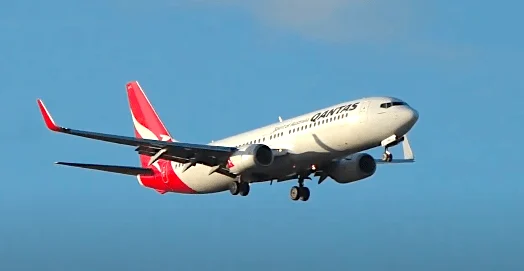
The Long Road Home:
After 560 days of closed borders, uncertainty, and longing, the long-awaited return of stranded Australians was finally underway.
On November 1, 2021, Australia’s two most populous statee, New South Wales and Victoria—lifted their international travel restrictions. Signaling the reopening of the nation to the world.
For the estimated 45,000 Australians registered with the Department of Foreign Affairs and Trade (DFAT)—and countless more unregistered, this was momentous. Marking the end of an ordeal filled with anxiety, separation, and unforeseen hardship.
The Toll of Closed Borders
For nearly 19 months, Australia’s fortress-like border policy was both a shield and a prison. While it protected the nation from the worst ravages of COVID-19, it also left tens of thousands stranded. In other countries around the World, separated from families and livelihoods.
The emotional and financial strain was immense. Families were split apart, jobs lost, and savings depleted.
Many Australians within the country also faced restrictions, unable to travel for work or to visit loved ones abroad. Compassionate exemptions offered some relief, but for most, the wait was agonizing.
A Mammoth Task Ahead
The scale of the repatriation effort was unprecedented. Processing travel declarations, securing state entry permits, arranging COVID-19 testing, and organizing quarantine for thousands of arrivals is a logistical challenge of national proportions.
The commitment to bring Australians home by Christmas became ambitious. But it reflected a renewed sense of urgency and compassion after months of inertia.
Airlines and the Pressure to Reopen
The Australian government’s decision to reopen borders was not made in isolation. In the weeks leading up to the announcement, major international airlines made their sentiments clear.
Notably Singapore Airlines and All Nippon Airways, publicly expressed frustration with Australia’s unpredictable flight caps and frequent cancellations. They were providing essential services but had plans changed by the Govt at the last hour.
Singapore, a vital hub for inbound traffic to Australia, threatened to scale back its services. Effectively shrinking the already limited number of available flights. This move, echoed by other carriers, likely pressured the government to accelerate its reopening plans.
During the height of the pandemic, only a trickle of “facilitated flights”—repatriation services for the most vulnerable were allowed.
But these efforts barely made a dent in the backlog of Australians desperate to return. When the border reopening was announced, airlines scrambled to adjust their schedules. Briefly leaving booking platforms like Skyscanner and Kayak devoid of flights into Australia. The silence was eerie, but it was the calm before the storm of returning travelers.
The Evolution of Australia’s COVID-19 Policy
Australia’s initial “zero tolerance” approach to COVID-19 was among the strictest in the world. A legacy of the nation’s long-standing quarantine culture.
The strategy worked—at first. States that managed to stamp out transmission enjoyed periods of near-normalcy while much of the world struggled. However, as the pandemic dragged on and evidence mounted that vaccines drastically reduced hospitalizations and deaths, the policy became increasingly untenable.
By September 2021, the federal government acknowledged that zero COVID was no longer viable. The focus shifted to vaccination, with a push to accelerate immunization rates.
Ironically, at one point, Australians could fly to Singapore or London. But not to other states within their own country without special permits. This internal fragmentation underscored the complexity of Australia’s pandemic response.
Was More Needed for the Stranded?
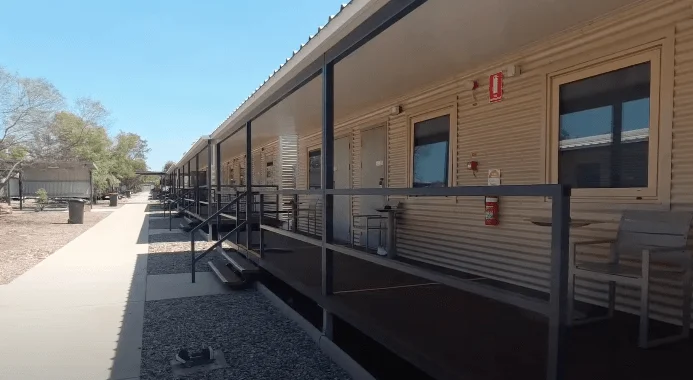
In hindsight, many believe more could have been done for Australians stuck overseas. Proposals for way stations—temporary quarantine facilities on Christmas Island, in Darwin, or elsewhere—were not fully realized.
The Howard Springs Quarantine Facility in Darwin, while helpful, was insufficient for the scale of the crisis. The plight of the stranded rarely broke through the national consciousness or political discourse. Perhaps due to fears they might bring the virus home.

Qantas and the Missing Spirit
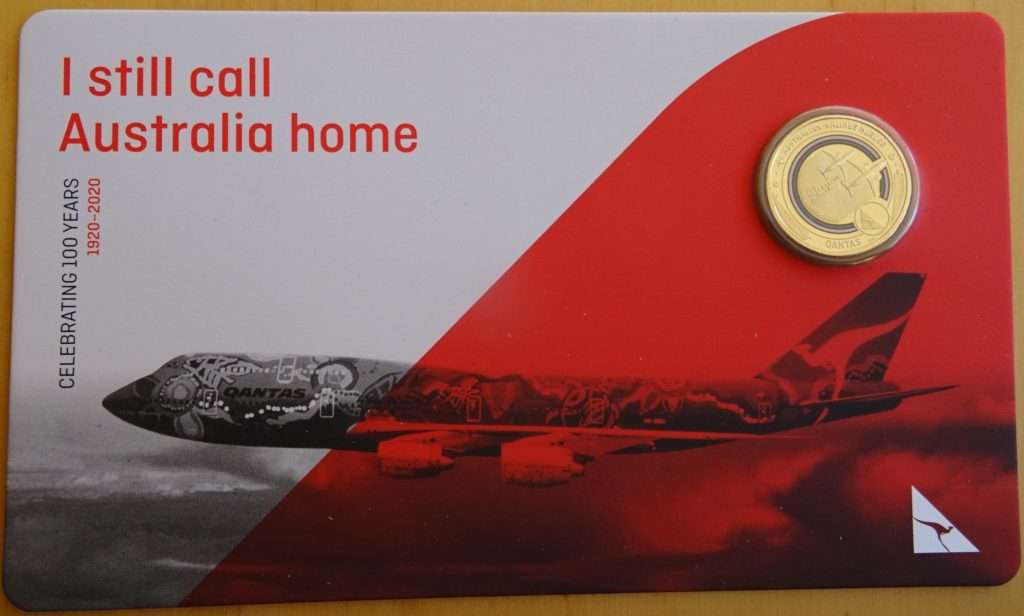
The absence of Australia’s national carrier, Qantas, from the repatriation effort was keenly felt. Once celebrated for its iconic “I Still Call Australia Home” campaign, Qantas restricted flight bookings to frequent flyer members, regardless of citizenship or need. The airline even bundled insurance products with points, a move many saw as insensitive during a time of national crisis. The emotional resonance of Qantas as a symbol of homecoming was notably absent when it was needed most[1].
Vaccines: A Race Against Time
Globally, some countries secured vaccines quickly—Singapore, the UAE, and the UK among them. While Australia and New Zealand, buoyed by their early success in containing the virus, were slower to act.
In August 2021, Australia borrowed 500,000 Pfizer doses from Singapore. A move that helped boost vaccination rates in New South Wales and Victoria to 80% and enabled the reopening. New Zealand, once a model of pandemic management, began to struggle as its vaccination rollout lagged behind.
Lessons Learned and Looking Forward
The story of Australia’s border closure and reopening is one of both triumph and regret. Early, decisive action saved thousands of lives and allowed Australians to enjoy freedoms denied to much of the world. Yet, the cost was high for those left outside looking in. The return of stranded Australians should have been a clear national priority, with more quarantine facilities and bipartisan political support. Instead, progress was slow, and many felt forgotten.
A Nation Reunited
Now, as flights resume and families reunite, there is a sense of relief and gratitude. Australia and New Zealand’s early actions undoubtedly saved lives. And the reopening is a testament to the resilience and patience of their citizens. For those finally returning home, the journey has been long and difficult. But the welcome is all the sweeter for it. The experience serves as a reminder of the importance of compassion, preparedness, and unity in the face of global challenges.
Conclusion
The reopening of Australia’s borders is more than a policy shift. It was a restoration of hope for thousands who have waited in limbo. It is also a moment for reflection. On what was done well, what could have been better. And how the nation can respond more inclusively and effectively to future crises.
As the first planes touched down and loved ones embraced, the nation moved forward. Stronger for the trials it has endured and wiser for the lessons learned.