
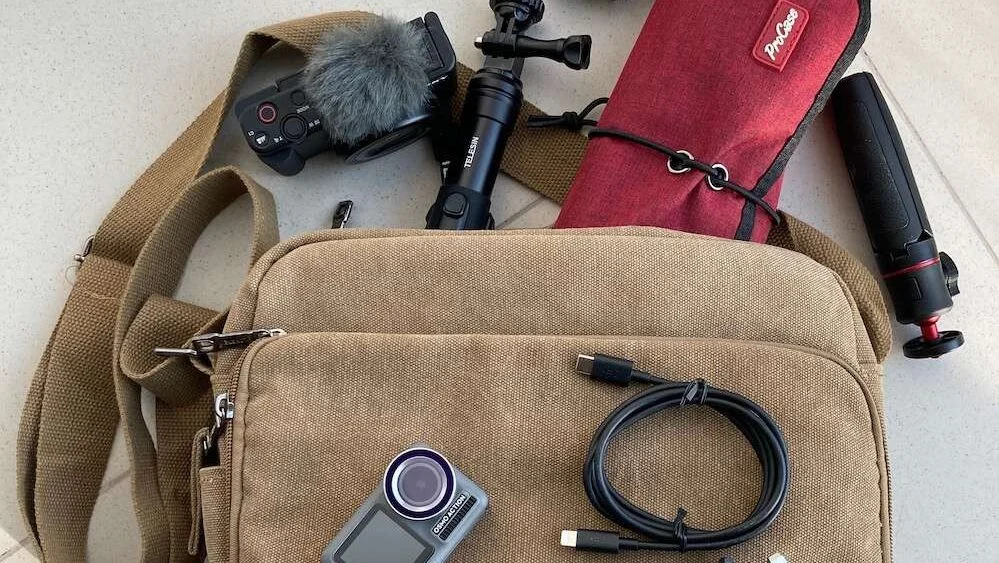
The Ultimate Camera Grab Bag Guide
Capturing life’s best moments—whether it’s a family celebration, a breathtaking sunset, or an adventurous trip—should be a joy, not a source of last-minute panic. Yet, for many of us, the scramble to gather camera gear before an event or journey is all too familiar.
Over time, I’ve learned (often the hard way) that having a thoughtfully packed camera grab bag is the secret to stress-free, memorable photography. This guide is designed for the everyday enthusiast who wants great results without breaking the bank or lugging around professional gear.
Why You Need a Camera Grab Bag
A camera grab bag is your all-in-one solution for spontaneous and planned photography. It’s not about owning the most expensive equipment—it’s about having the right tools, ready to go, so you never miss a moment. With technology making high-quality cameras more affordable and compact, anyone can build a versatile kit that covers everything from action shots to family portraits.
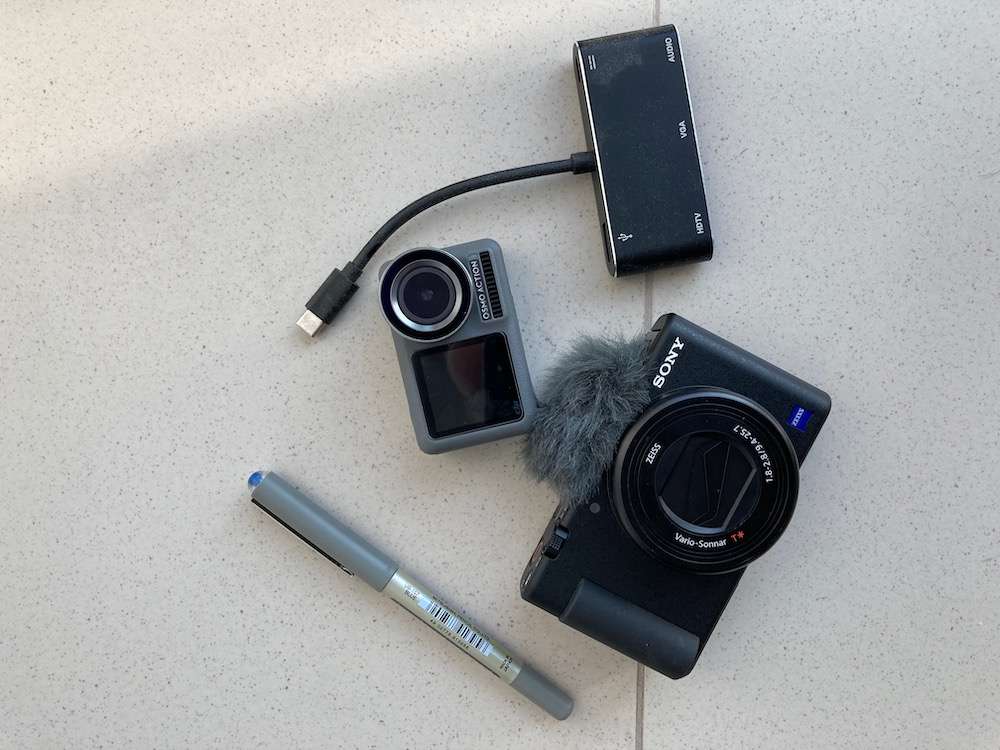
Essentials for the Everyday Photographer
Here’s what you need for a well-rounded, budget-friendly camera grab bag:
- Point-and-shoot digital camera: Compact, reliable, and capable of high-quality photos and videos.
- Action camera: Perfect for capturing movement—think kayaking, cycling, or hiking.
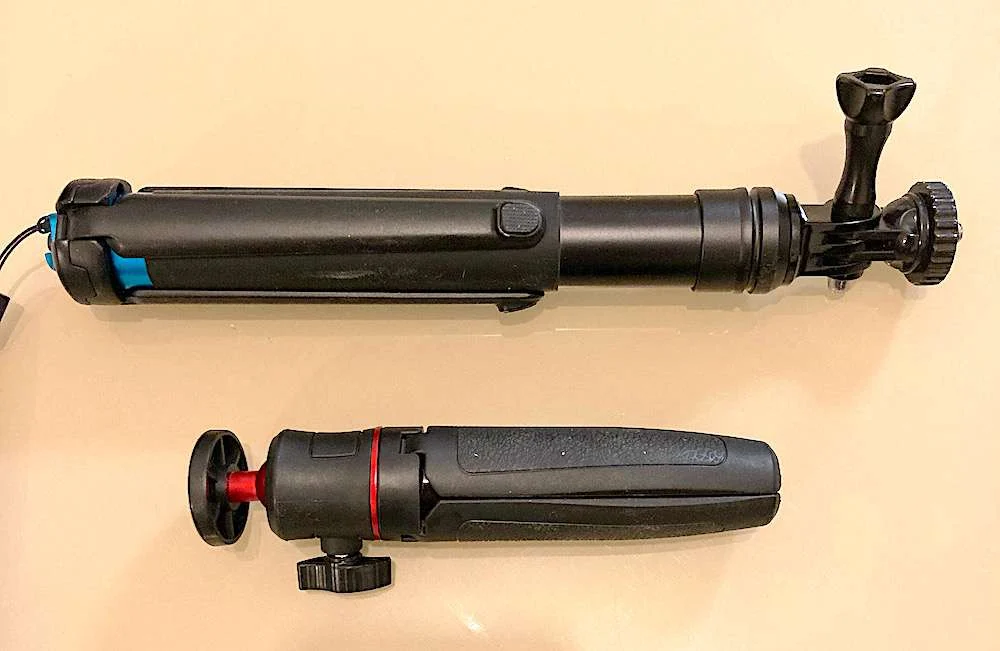
- Selfie stick with tripod functionality: Expands your creative options and helps with group shots.
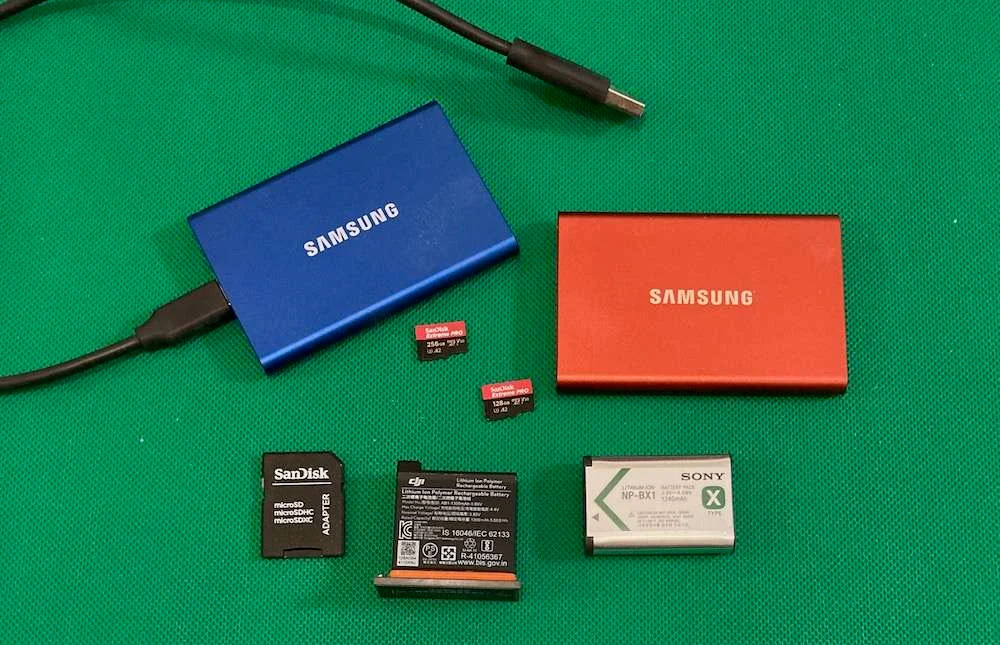
- Memory cards (plus spares): Ensures you never run out of space at the crucial moment.
- External hard drive or SSD: For safe, permanent storage of your memories.
- Spare batteries, chargers, cables, and an accessories pouch: Keeps you powered up and organized.
- A discreet, all-in-one bag: To carry everything comfortably and inconspicuously.
- Smartphone: Your always-available backup camera, often overlooked but increasingly powerful.
Let’s break down each component and why it deserves a spot in your grab bag.
1. The Heart of Your Kit: Cameras
Point-and-Shoot Digital Camera
Modern point-and-shoots deliver impressive image quality without the bulk or complexity of DSLRs. Look for a model with at least 12 megapixels; many now offer 20MP or more. For video, 4K resolution is ideal, but 1080p is still the standard for most online sharing and more than sufficient for everyday use. You don’t need to splurge on the latest release—technology advances quickly, but even a model from a few years ago can deliver stunning results.
Tip: Consider upgrading your camera every 4–5 years to keep up with improvements in image quality and features.
Action Camera
If your adventures take you outdoors or into the thick of the action, an action camera is a must. These rugged, compact devices are built to withstand bumps, drops, and the elements. Brands like GoPro, DJI Osmo Action, and Insta360 dominate the market, making your choice straightforward. While action cams excel at capturing movement with built-in stabilization, they typically struggle in low-light conditions—so use them for daytime exploits or well-lit environments.
Smartphone: The Unsung Hero
Never underestimate your smartphone. Manufacturers have invested heavily in camera technology, making today’s phones capable of producing sharp, vibrant images and videos. When your main camera isn’t handy, your phone is the perfect backup—always in your pocket and ready to go.
2. Accessories That Make a Difference
Selfie Stick and Tripod Combo
A good selfie stick with tripod legs is one of the most versatile, affordable tools you can own. It lets you capture unique angles—like ground-level shots of bustling streets or close-ups of pets on the move. Having two options—a lightweight, compact stick for portability and a sturdier one for stability—covers all bases, from quick selfies to group photos and time-lapse videos.
Memory Cards and Storage Solutions
Never risk losing precious memories to a full or faulty memory card. Invest in at least two high-quality cards (250GB or more) from reputable brands. Always carry a spare, and label them for easy rotation. At the end of each day, transfer your photos and videos to an external SSD or hard drive. SSDs are now small, fast, and reliable, making them ideal for travel. This routine not only frees up space but also safeguards your images against loss or damage.
Spare Batteries, Chargers, and Cables
Running out of power can ruin your day. Always pack extra batteries for your cameras and ensure they’re fully charged before you head out. Keep a universal charging cable or multi-connector cable in your kit, along with the correct adapters for your destination if traveling internationally. A compact power bank is also invaluable for topping up your devices on the go.
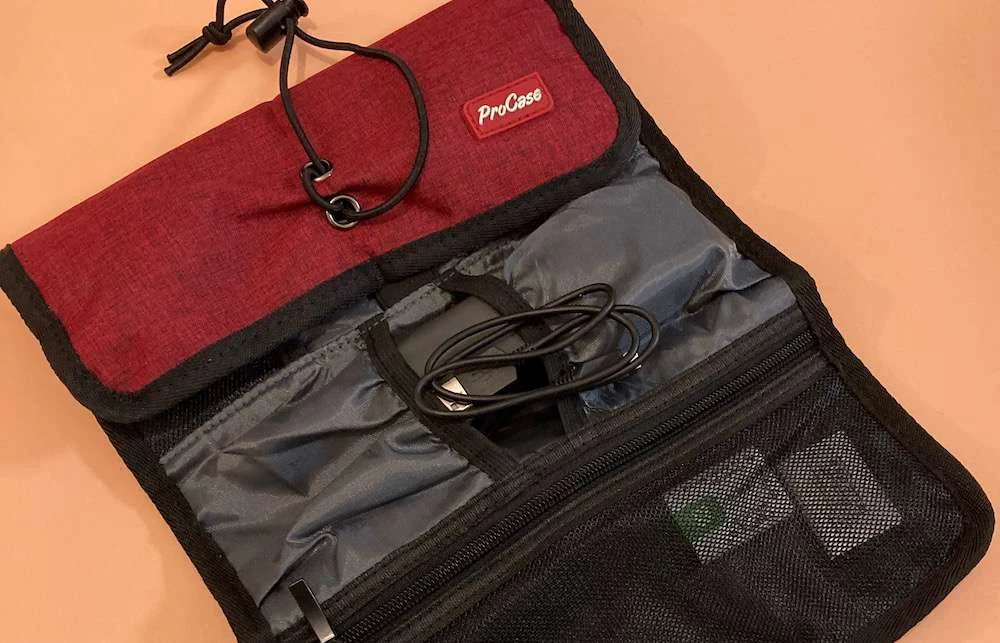
Accessories Pouch
Organization is key. Use a purpose-built pouch with compartments for batteries, memory cards, cables, and adapters. This prevents fumbling through your bag and keeps everything protected and easy to find.
3. The Perfect Bag: Discreet and Practical
Your camera grab bag should blend in, not advertise its contents. Choose a casual, crossbody or shoulder bag with wide, comfortable straps. Look for one with a waterproof lining to protect against spills or rain. You don’t need endless pockets—your accessories pouch will handle the small items. Flea markets or online marketplaces often have great, affordable options that don’t scream “expensive camera gear.”
4. Building Your Grab Bag: Step-by-Step
Choose Your Main Camera
- Prioritize image quality and ease of use.
- Stick with a reputable brand and a model with solid reviews.
Add an Action Camera
- Select a model known for durability and video stabilization.
- Make sure it’s easy to operate and fits your budget.
Accessorize Smartly
- Pick a selfie stick/tripod combo that’s sturdy yet lightweight.
- Stock up on memory cards, spare batteries, and the right cables.
- Organize everything in a dedicated pouch.
Secure Your Storage
- Invest in a portable SSD or hard drive for daily backups.
- Make it a habit to transfer files at the end of each day.
Pack It All in a Discreet Bag
- Find something comfortable, waterproof, and understated.
- Test the bag fully loaded to ensure it’s easy to carry.
5. Pro Tips for Hassle-Free Shooting
- Routine is everything: Each evening, transfer your photos and videos to your storage device. This ensures your memory cards are ready for the next day and your images are safe.
- Double-check before you leave: Make a checklist of essentials—camera, action cam, phone, memory cards, batteries, cables, storage, and accessories pouch.
- Adapt to your needs: If you’re heading into rough terrain, prioritize rugged gear. For city trips, go lighter and more discreet.
- Don’t forget the basics: A microfiber cloth for cleaning lenses, a rain cover, and a small notepad can be lifesavers.
6. Why Simplicity Wins
You don’t need a professional setup to capture life’s magic. The right grab bag is about thoughtful choices, not expensive gear. Focus on reliability, organization, and ease of use. With this approach, you’ll be ready for anything—from spontaneous road trips to once-in-a-lifetime events.
Conclusion: Ready for Anything
A well-packed camera grab bag empowers you to seize every photo opportunity, stress-free. By focusing on quality essentials, smart accessories, and practical organization, you’ll always be prepared—whether you’re exploring new places, celebrating milestones, or simply enjoying a day out. Start building your grab bag today, and never miss a moment worth remembering again.