
Discovering Lentils: A Journey from Curiosity to Culinary Staple
This story began 6 years ago when I picked up the first version of Ainsley Harriot’s Spicy Lentil Soup at Waitrose. I was looking for something soupy with a kick for a cold winter’s weekend night.
The flavor was mildly spicy, yet oddly familiar. Intrigued, I checked the packaging for clues but found none. Over the following weeks, I finished the remaining sachets, each time trying to pinpoint the taste that tugged at my memory.
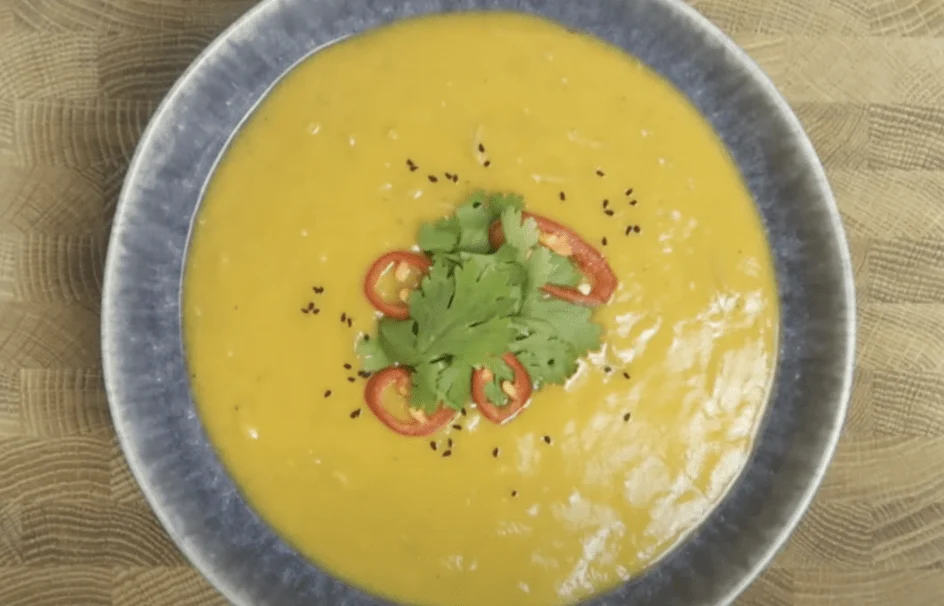
Then, in a flash of realization, it hit me: this was the essence of dhal, the classic Indian dish. The taste was reminiscent of the vegetarian sides—dhal and aloo gobi (a potato and cauliflower curry)—that often accompany meat-based mains in North Indian restaurants.
Typically served with naan or rice, these dishes are staples in Indian cuisine. While lentil soups are common in Western and Middle Eastern menus, I’d rarely encountered them in Indian eateries, where the term “dhal” prevails.
Lentils, Dhal, and the Language of Pulses
As I delved deeper, I learned that lentils belong to the pulse family, a group of legumes renowned for their nutritional value, especially their high protein content. This explains the vitality of vegetarians across the Indian subcontinent, where plant-based diets are the norm.
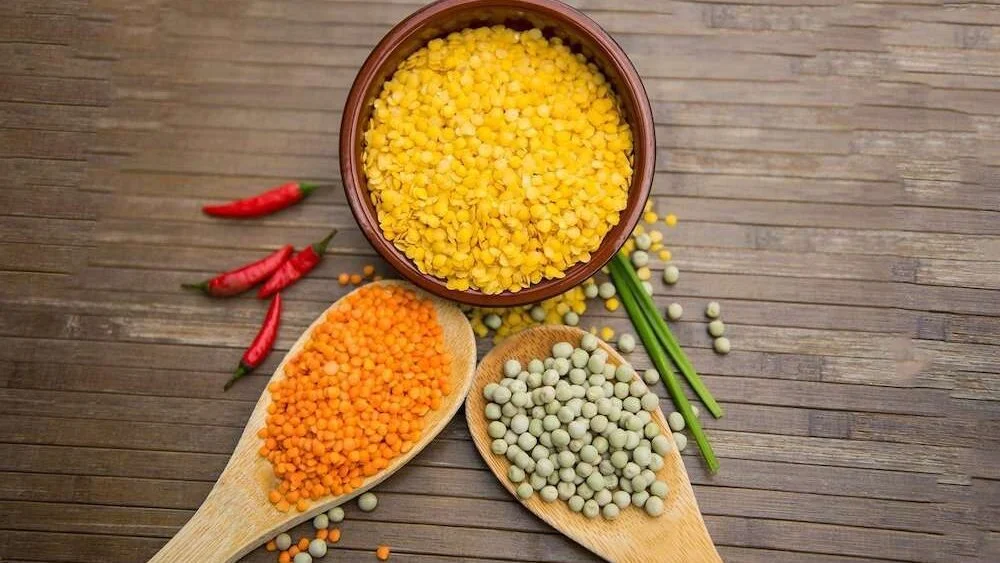
The word “dhal” in Hindi refers to dry, split pulses—including lentils but also other varieties. It’s an umbrella term, much like how “lentil” is used in English. For example, a box of Harriot’s lentil soup listed red and green grams—pulses related to, but not strictly lentils. Today, “lentil” and “dhal” are often used interchangeably, both referring to a range of split pulses.
In summary, “dhal” is the Hindi term and “lentil” the English equivalent for these pulse-based dishes. The raw ingredients—split pulses and lentils—look similar, differing mainly in color, shape, and size. Their flavors and textures are likewise closely matched. Thus, what’s called Spicy Lentil Stew or Curry could just as easily be described as Spicy Dhal Stew or Curry.
The Indian Vegetarian and Vegan Tradition
In South Asia, dhal and lentil dishes are overwhelmingly vegetarian or vegan. Dairy and meat are rarely included, and the dishes are celebrated for their aromatic, spicy profiles. India’s long-standing vegetarian and vegan traditions are rooted in culture and religion, with entire families and communities adhering to these diets for generations. This isn’t limited to a small sect; it’s widespread across the country.
The diversity of lentils and pulses available in India fuels an impressive array of vegetarian and vegan dishes. One could eat plant-based meals for weeks without sacrificing variety or satisfaction. Each mealtime—breakfast, lunch, and dinner—features distinct preparations, ensuring there’s always something new to enjoy. Rice and naan are the only constants.
Why Meat Is Rarely Added
While some cooks add meat to dhal or lentil dishes, this is more a matter of personal or regional preference than tradition. In the main, these dishes stand proudly on their own, thanks to their rich flavors, textures, and nutritional content. Cultural and religious reasons also play a role: for many, maintaining the authenticity and heritage of these recipes means keeping them strictly vegetarian.
During my travels in India, I observed that even non-vegetarians often opt for vegetarian dishes on religious days. Dhal-based meals are always available, highlighting their central role in Indian cuisine. Food in India is a vivid expression of culture, with Jain and Brahmin communities renowned for their vegetarian fare, while Indian Muslims are famous for their flavorful meat dishes like lamb and chicken biryani.
Lentils Around the World
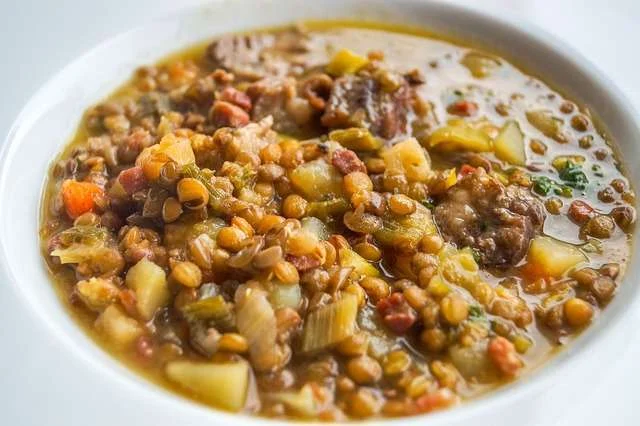
Lentils and pulses aren’t unique to the Indian subcontinent. The Middle East and Caribbean also feature these ingredients prominently. In the Levant, lentil soup is a beloved staple, while hummus and falafel showcase the versatility of pulses. Caribbean cuisine, too, boasts hearty lentil stews.
The Simplicity of Preparation
What surprised me most was the simplicity of preparing lentil or dhal dishes. Countless recipes exist, each reflecting regional variations, but the basic process remains consistent. Here’s a general overview:
- Soaking: The first step is soaking the pulses, which can range from two hours to overnight, especially if they’re not already split. Soaking not only aids digestion but also enhances nutrient absorption by neutralizing anti-nutrients like phytic acid—a practice well understood in traditional cultures.
- Cooking: Next, the soaked pulses are boiled and then simmered. The duration depends on the desired consistency—longer for soups, shorter for stews or curries.
- Finishing Touches: There are two main approaches here:
- In Western and Caribbean cooking, the boiled pulses are added to a simmering stew of vegetables and spices.
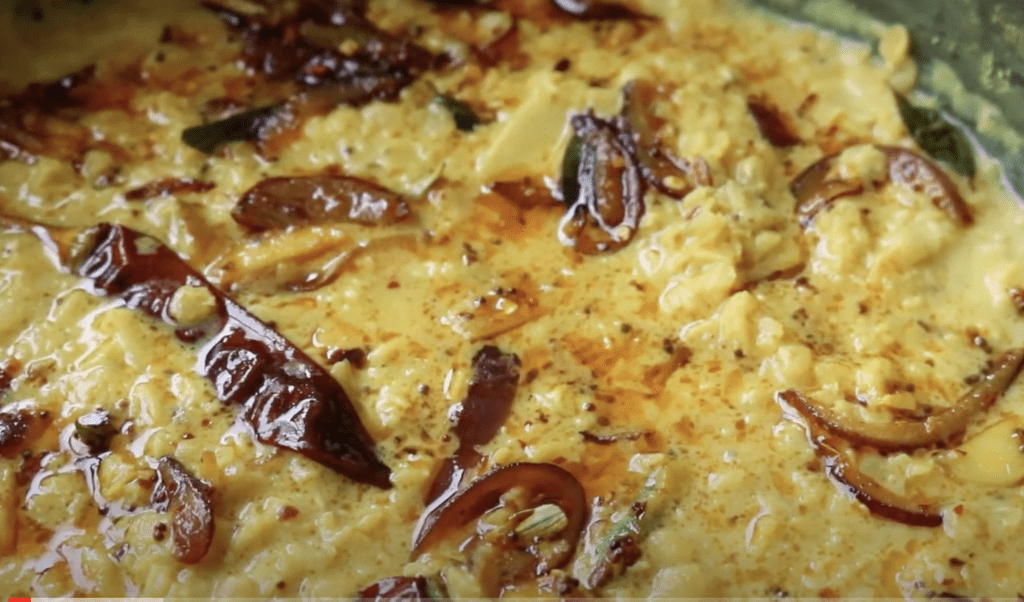
- In South Asian cooking, a separate garnish—known as “tadka” or “tarka”—is prepared. This involves roasting dry spices, then frying onions, chilies, and sometimes garlic in oil before adding the roasted spices. This aromatic mixture is then combined with the cooked lentils, infusing the dish with deep flavor.
Split chickpeas (chana dal) are perhaps the most popular pulse, followed by red, yellow, and green lentils, as well as pigeon peas (toor dal). All are prepared in much the same way: washed, soaked, boiled, and seasoned.
A Comfort Food for All
If you haven’t yet tried a spicy lentil stew or curry, I highly recommend starting with Tarka Dhal from a local Indian restaurant or takeaway. Enjoy it with basmati rice or naan bread. Once you’re comfortable, try making your own at home—add vegetables like carrots, tomatoes, or potatoes for extra heartiness.
Lentils are likely to become a pantry staple, as essential as pasta or rice. They’re affordable, nutritious, and endlessly versatile. I wouldn’t be surprised if supermarkets soon offer starter kits with lentils, spices, and instructions for quick, wholesome meals.
Final Thoughts
My journey with lentils began with curiosity and led to a newfound appreciation for this humble ingredient. Lentils and pulses are more than just food; they’re a bridge between cultures, a testament to culinary ingenuity, and a source of comfort and nourishment. Whether you’re a lifelong vegetarian, a curious omnivore, or simply seeking new flavors, lentils offer a world of possibilities—one delicious bowl at a time.