
South Australia’s Pandemic Year: How a State United to Beat COVID-19
The year 2021 will be remembered as a defining chapter in South Australia’s history. A time when the world faced the relentless grip of COVID-19. When every nation, including Australia, was forced to adapt, respond, and persevere. While all Australian states and territories were challenged, South Australia’s approach stood out for its decisive action, community spirit, and remarkable outcomes.
Setting the Stage: Australia’s Unprecedented Border Controls
Australia, long known for its open, liberal ethos, surprised the world with some of the strictest border controls globally. As early as March 2020, the federal government swiftly sealed international borders. Drawing on a national mindset shaped by decades of biosecurity vigilance. Australians are familiar with strict quarantine protocols for plants and animals. This ingrained caution translated into a rapid response to the pandemic. Prioritizing the nation’s health above all else.
Australia’s border closure was comprehensive. Not only were incoming travelers subject to intense scrutiny, but for the first time in living memory something unexpected happened. Citizens and permanent residents also found themselves unable to leave the country without special permission.
Exceptions were rare and tightly controlled—granted only for critical humanitarian reasons or essential work overseas. Australians working abroad faced a maze of paperwork. Required to prove their overseas residency and employment before being allowed to depart. The result: tens of thousands stranded overseas, eager to return, while those at home faced the reality of being grounded.
State and Federal Unity: A Singular Focus on Public Health
Despite the shock of these measures, there was little dissent among the states. Each state and territory, including South Australia, accepted the federal government’s lead on border policy and turned its focus inward. On health, safety, and managing the virus within their own borders. For much of 2020 and into 2021, there was an impressive unity of purpose. A shared determination to protect the community and prevent the devastating scenes witnessed elsewhere in the world.
South Australia’s Strategy: Decisiveness and Compassion
South Australia moved quickly on two critical fronts: healthcare preparedness and public restrictions. The haunting images from Europe—overflowing hospitals, exhausted doctors, and mounting death tolls—served as a stark warning. South Australian authorities knew that speed and decisiveness would be their greatest assets.
At the heart of the response was the Royal Adelaide Hospital (RAH), which established two dedicated Rapid Response Teams. These teams, working grueling 14-hour shifts, met every positive COVID-19 case with a coordinated, airtight protocol. Patients were transported through isolated, quarantined corridors, minimizing the risk of transmission and protecting both staff and the public. This meticulous approach set the tone for the state’s wider response.
The Vaccine Rollout: Turning the Tide
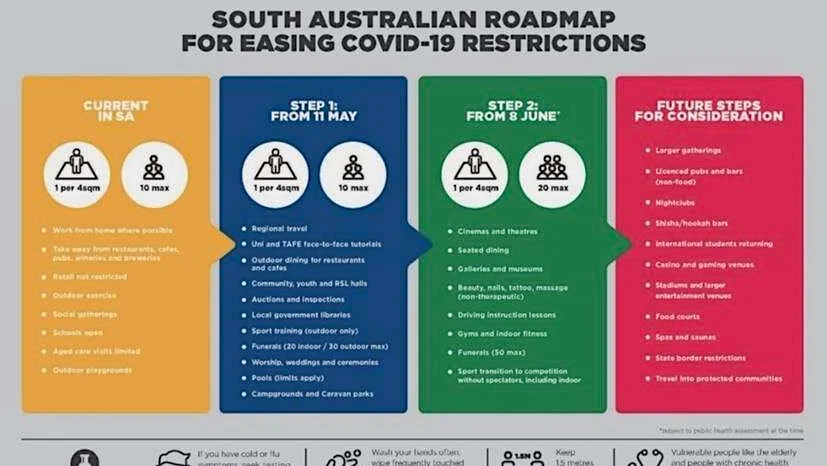
As 2021 dawned, hope arrived in the form of vaccines. South Australia embraced the vaccine rollout with urgency and optimism. Daily updates tracked progress, and clear targets motivated the community. By August, the state government announced a roadmap to easing restrictions, signaling the beginning of a cautious return to normalcy. The sense of relief was palpable, but so too was the determination to maintain vigilance.
Remarkable Outcomes: Saving Lives Against the Odds
The results of South Australia’s efforts were nothing short of extraordinary. Until the federal borders reopened after nearly two years, South Australia recorded just four COVID-19 deaths. While every loss was mourned, the state’s mortality rate was astonishingly low. Compared to the devastating tolls seen in Europe and the United States. The primary goal—to protect the most vulnerable, especially the elderly—was largely achieved. Even after borders reopened, only one additional death was recorded in the following months. A testament to the state’s ongoing commitment and the resilience of its healthcare system.
Behind the Scenes: The Unsung Heroes
The success of South Australia’s response was built on the tireless work of countless individuals. Healthcare professionals—doctors, nurses, and support staff—worked long hours under intense pressure, often at personal risk. Their dedication saved lives and inspired the community.

Equally vital was the role of the South Australia Police (SAPOL). While health authorities managed testing, vaccination, and hospital care, SAPOL took charge of border management, quarantine hotels, and contact tracing.
Their workload was immense, yet they handled it with professionalism and empathy. Many returning residents recall the personal, compassionate communication from SAPOL officers, who guided them through the complex entry process and offered practical advice during stressful times.
Challenges and Lessons: Not Everything Went Smoothly
Despite these hiccups, the state’s ability to adapt was evident. When issues arose such as the infamous “pizza box” incident, where a misleading statement from a COVID-positive worker briefly triggered a state-wide lockdown—authorities responded rapidly, correcting course and communicating transparently with the public.
Similarly, when cases were detected among medi-hotel staff or in the community, immediate action was taken. Testing sites were set up overnight, contact tracing ramped up, and restrictions adjusted as needed. The sense of urgency and abundance of caution was ever-present.
No response is perfect, and South Australia faced its share of challenges. The SA Health administration, responsible for processing health exemptions, struggled with overwhelming demand. Applicants often encountered delays, confusion, and inconsistent communication. At one point, the backlog for exemption requests stretched to eight weeks, causing frustration and uncertainty for those trying to return home. In contrast, SAPOL’s processes were generally smoother and more responsive, highlighting the importance of clear communication and adequate resourcing in times of crisis.
Community Spirit: The Power of Collective Action
One of the most striking aspects of South Australia’s pandemic year was the sense of community. The vast majority of residents supported the tough measures, understanding that short-term sacrifices would save lives and preserve the health system. From healthcare workers and police to everyday citizens lining up for tests or rolling up their sleeves for vaccines, the state pulled together with a shared sense of purpose.
Looking Ahead: Lessons for the Future
By the end of 2021, with borders reopening and restrictions easing, South Australia faced new challenges. Rising case numbers and inevitable increases in hospitalizations and deaths were anticipated. Yet, the state was better prepared, with high vaccination rates and a proven track record of effective response. The calculated risk of opening up was accepted as necessary; the alternative—perpetual isolation—was no longer viable.
Vaccines proved to be game-changers, dramatically reducing severe illness and fatalities. Many who contracted COVID-19 experienced only mild or no symptoms, and the time from positive to negative tests shortened. The decision to wait for widespread vaccination before reopening paid off, sparing South Australia the worst of the pandemic’s early waves.
Conclusion: A Year Defined by Resilience and Hope
As the world continues to grapple with COVID-19’s evolving challenges, South Australia’s experience in 2021 stands as a powerful example of what can be achieved through unity, decisiveness, and compassion. The state’s low mortality rate, rapid response to emerging threats, and unwavering commitment to public health saved countless lives and offered hope in a time of uncertainty.
The story of South Australia’s pandemic year is not just one of government policy or healthcare strategy—it is a story of people. It is about the nurses working double shifts, the police officers offering reassurance at the border, the scientists racing to deliver vaccines, and the everyday citizens who followed the rules, supported their neighbors, and never lost hope.
As we move forward, these lessons—of preparedness, adaptability, and community spirit—will remain vital. South Australia’s pandemic year was a test like no other, and the state emerged stronger, wiser, and ready for whatever challenges lie ahead.