
Travel scams are the short storm-clouds that occasionally drift across an otherwise perfect trip. More a nuisance, yet something that can be avoided.
After four decades of work-related travel to five continents and more than forty countries, you learn a lot. As the damage is usually small, let it slide, and continue to enjoy your travels. Here is some worth noting.
Accommodation surprises
Room with no windows, outdated furniture, not as advertised to bad service. Others include last‑minute cancellations, broken air‑conditioning or heaters. Or cancelling your booking and re-listing the room at a higher rate and leaving you stranded. Airbnb has its own bag of surprises – spy cameras, possessive owners, lost deposits, so called resort hideaway in the middle of a residential street.
Booking a hotel in the old days was tough unless you had a travel agent. Not anymore. Now it takes all of five minutes with online travel platforms like Booking.com, Expedia or Airbnb.
The real gold lies in the reviews that you find on accommodation platforms, where you can spot disturbing patterns.. A few minutes of research can avoid these. Check the lowest rated reviews of a potential hotel for repeat issues. If any, look for another.
Taxis- the eternal headache
The most common are airport taxi scams, found all over the World. So do your research well before you leave for your destination. There are many helpful online guidance and tips for specific airports including YouTube.
Usual issues are meters that “don’t work”, revised fares after agreeing to a price, detours and surprise surcharges. Over the years, Singapore and the UAE’s big hubs (Dubai and Abu Dhabi) consistently stand out for clean, well‑regulated airport taxis. These are the exceptions. Most countries have overcome them by introducing first class and affordable airport bus transfers to the city and back on good frequencies.
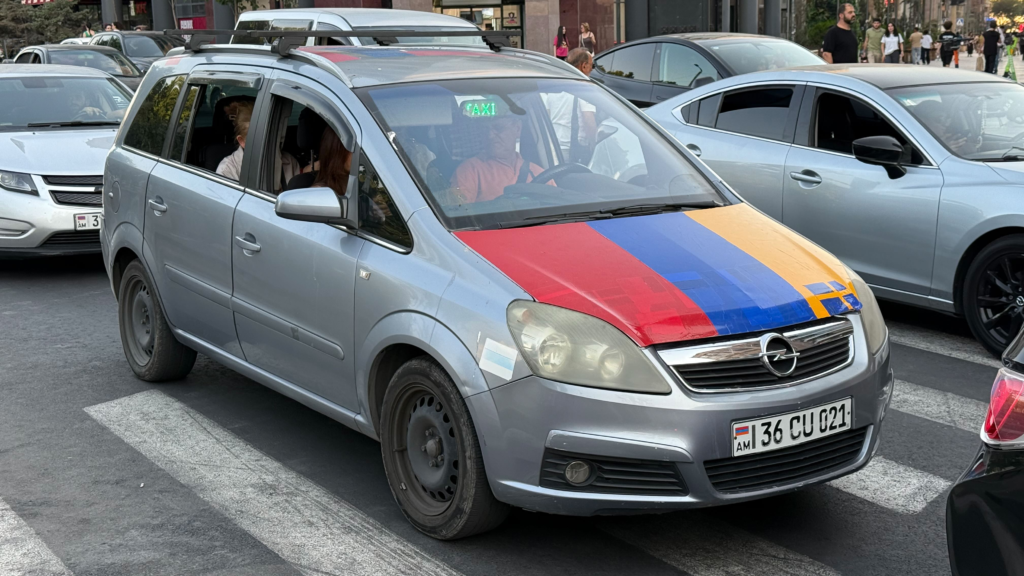
Hotel transfers are pricey and sometimes cost more than a scam taxi ride. Do go for the more affordable and reliable airport bus or metro to the city or prepaid taxi rides purchased at the arrival kiosk.
Ride‑hailing apps like Uber, Grab, Lyft and the likes are God-sent. I used these extensively in my travel posts to Central Asia and the Caucasus. Prices known, overcomes language barriers, no instructions to driver required, no cash needed and availability within 5 to 10 minutes most times.
Avoid approaches by strangers
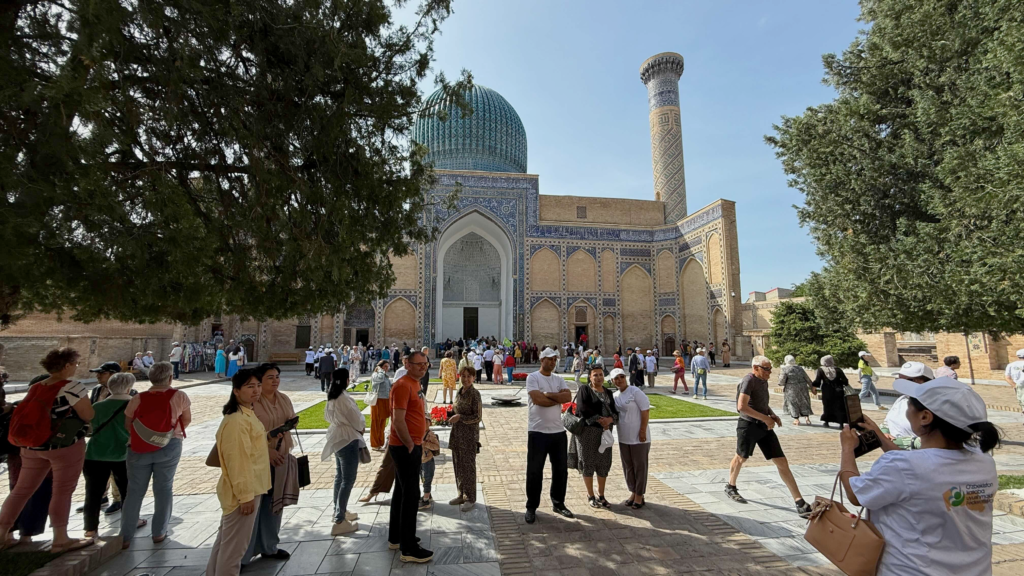
The first step to a successful scam is to catch and hold the attention of the tourist. Touts and those engaged in scams are well aware that people are usually polite, and if approached are likely to stop and listen. Best not to allow anyone to catch your gaze or your attention. Approaches are often made at tourist spots and drinking holes that are frequented by tourists.
Their usual routine is asking where you are from. Hoping to strike up a conversation. The intention is to guide you to select stores that overcharge you or sell you things you don’t need. The second well known scam is inviting you as their guest to a restaurant or a pub, then disappear before an inflated bill is presented. The pretext is that they are glad to meet someone from your country and want to be gracious host. Usually done in collusion with the establishment.
Pickpockets, watch and phone robbers
Pickpockets and robbers are selective, scanning for vulnerable people in crowded hotspots from Barcelona and Paris to London and Athens. Is there are a need to bring along an expensive handbag or watch or wear tempting jewelry?
Only carry things you can afford to lose. Some cash for the day, one or two credit cards and leave the rest in the hotel safe. Wallet in a front pocket, sling bag for the purse and camera worn to the front, and a lanyard for your phone. Or use the phone when your surrounding is safe.
Tourist trap challenges
These are dense clusters of souvenir shops, snack bars and kiosks around major tourist sights, where locals rarely go. The prices are not displayed and much higher. Touts are thick on the ground. Short‑changing or quietly swapping what you chose for something cheaper and pre‑packed out of your sight are common issues.
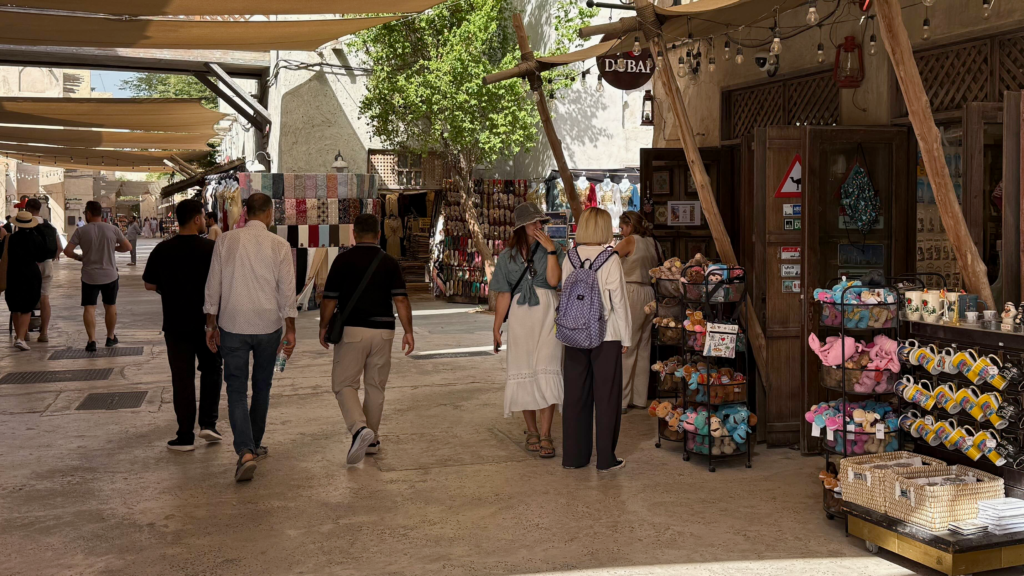
These places however do have very nice souvenirs, mementoes and items that are sought after by tourists. Check the prices with a few shops, prepare to haggle and keep an eye on the packing. Always count your change. You will find open‑air markets and bazaars patronized by locals as better value and more fun anyway.
Unplatable Restaurants
Not the food but the practices these restaurants carry out to fleece tourists. Most common are seafood restaurants where prices are stated as market or seasonal price, a normal practice for fresh seafood but misused.
It involves overcharging by weight, substitution or quality as it is not fresh but frozen. Venice is well known for it. In some cases the food is prepared at a nearby common kitchen and not in the restaurant.
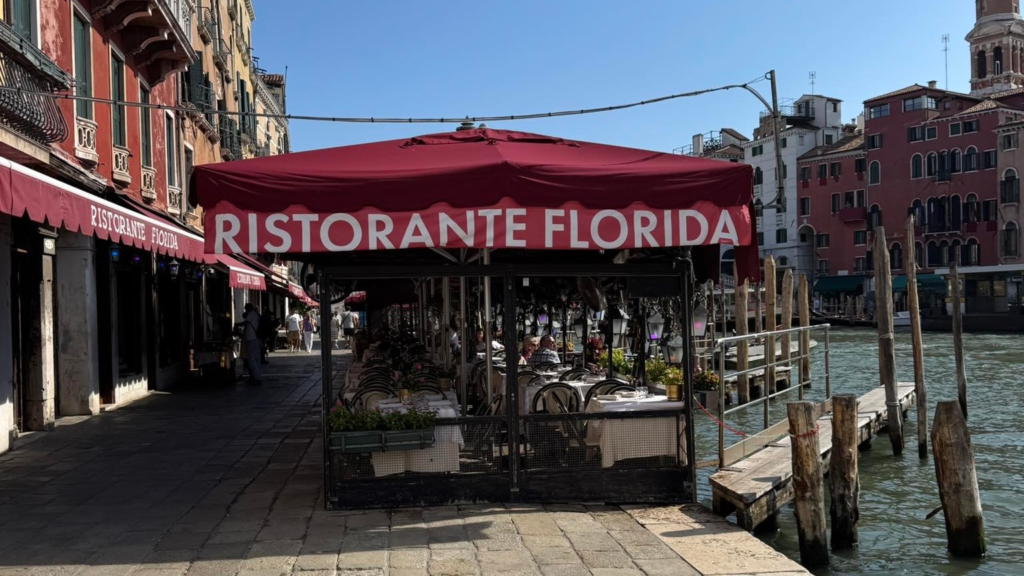
Then comes the bill for items not ordered but placed on your table such as bread, water, snacks. It also means larger and more expensive portions and not the portion ordered.
Best to ask for the menu and confirm the price. Online reviews are also helpful.
Here is a tip that works very well. Patronise restaurants and cafes where you see fair amount of local patrons. It means the food is good, the prices fair and they are in the business of food and not ripping off tourists.
Payment scams
These range from short changing, denying they received a bigger currency note or you are asked to tap your credit card more than once or twice on the point of sales terminal. On the basis that payment did not go thru. Remember the display and printout is in a foreign language. Sometimes asking for cash at the end. So, you might end up making 2 card payments plus a final one in cash. I had this in Tbilisi.
Always carry enough local currency as well as have enough small change for smaller purchases. Check the balance that is returned is correct. Always use cash in questionable locations.
Captive tours
Organised tours can be brilliant for covering lots of ground quickly but come with challenges. Common in parts of China, India and Thailand, where tour guides lean hard on passengers to spend in partner shops or restaurants or dragging their feet about returning to the hotel until enough have been spent. Then the demand for a high tip for the tour guide from each passenger.
Best to book thru a tour desk in your hotel lobby. The hotel has some hold as they do need to maintain their image. If you are booking tours in your home country look for those with good reputation.
Final take
The key advice is not to make yourself a target. Little things make a difference. Baggage pilfering at departing airports as they sit and wait to be loaded was common, and Sydney was bad. Until I picked a decent but not flashy or expensive luggage.
My travel watch is over 30 years old. My wallet in my front pocket. I make sure I have local currency for select occasions. And avoid people who attempt to approach me at tourist spots. I had a guy in Yerevan, calling out and trailing me for nearly 50 metres. The usual – always starts with “where are you from”?
Ride-hailing is the way to go, with the likes of Uber, Grab or Yandex to attractions, into the city or places I need to go. I patronise lovely restaurants and bars where I see more locals than tourists. I head to local bazaars to see the locals on their daily pursuit and understand their culture. And find some interesting things to buy and always a tasty local bite to be had.
The World is your oyster, get on that plane and see it while you have the chance. You will meet wonderful people, come across fascinating cultures and breathtaking landscapes.