
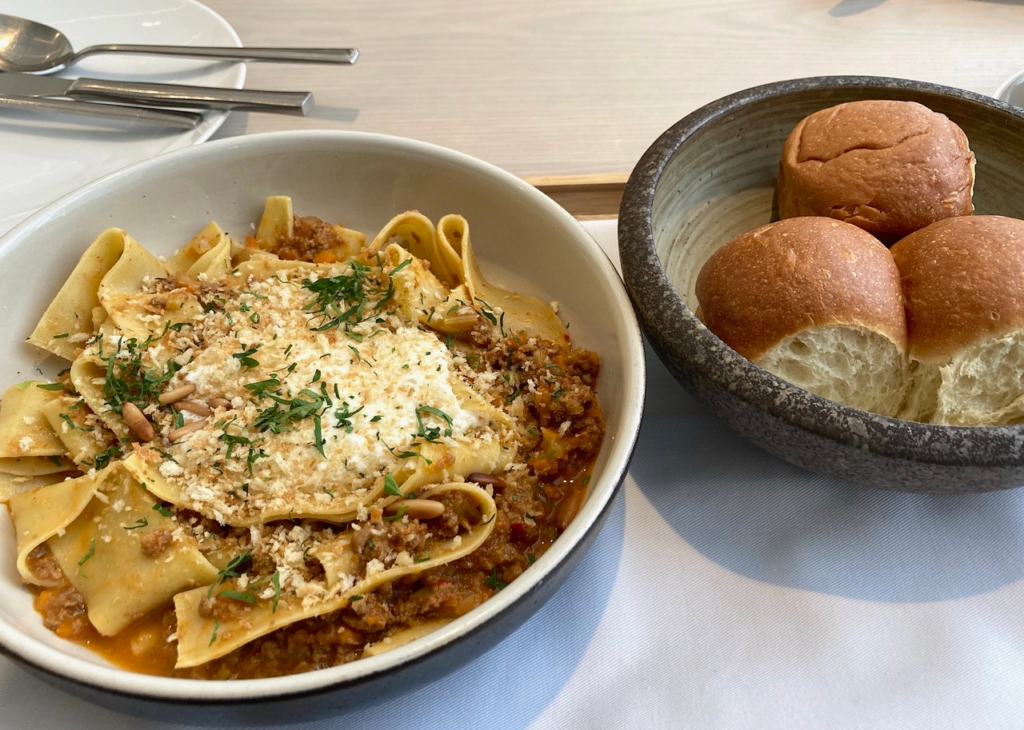
Why Italian Cuisine Captivates the World
The mystique of Italian cuisine is just that. Until you begin to unpack a few things. Not just about taste or quality. But how did it become the second likely cuisine in a non-Italian household across parts of the World?
Its popularity and the pull are not in doubt. Readily acknowledged by young children to adults. It stands as one of the most beloved foods globally. Appearing in restaurants from Adelaide to New York and everywhere in between. And in homes that have no links to Italy or Italians.
Mums will tell you that babies who begin to take solid food will take to Italian like duck to water. And it will continue as they grow, including among fussy eaters. I bet you can’t name another foreign cuisine that has the same hold?
Italian immigration and diaspora
Migration did play a part to an extent. Wherever Italians migrants land, they brought their food traditions, establishing restaurants and introducing local populations to pizza, pasta, and other beloved dishes. This diaspora created Italian food communities worldwide, making Italian restaurants common in many countries.
Both Australia and the United States have a large migrant Italian population that go back several generations. And their food influence is significant. It however does not fully explain the mystery. What about countries that did not see migration from Italy, but the cuisine is just as popular?
Back in Italy
I have been to Italy twice, years apart. Before I made my first visit, I was familiar with Italian cuisine and relished it. On my first visit, I was determined to try the home country version. As expected, it was much better. Tastier and the texture of pasta was different and more appealing. And this is where I learnt about “al dente cooking”. Something you seldom find in the New World.
During my second visit in 2025, I paid attention to what went into each dish and what locals were having as their meals. The al dente style of cooking remained. The portions were smaller and tastier, no different to my previous visit. I did notice everything that went into the dish were fresh, not processed.

To me the obvious answer is the Italian style of cooking. Most traditional Italian recipes call for only 4-8 ingredients. Focusing on enhancing natural flavors rather than masking them with elaborate preparations.
Have a look at your dish at a good Italian restaurant. Try to make out the ingredients and how they came into the dish. The simplicity is obvious and probably explains why it was more readily picked up by other cultures.
Cultural heritage and communal gathering
Italian cuisine relies heavily on staples like olive oil rather than heavy fats. Recipes are typically made from scratch, reducing processed ingredients and artificial additives. Fresh vegetables, fruits, fish, and lean proteins form the foundation of many dishes. Similar to other Mediterranean diet principles. Whether intended or not, promotes heart health and longevity.
Another interesting aspect of Italian food, it is more than sustenance—it embodies a lifestyle that treasures tradition, family, and togetherness. In Italy, meals are considered events rather than necessities. Often lasting hours and filled with conversation, laughter, and connection. You see that in movies.
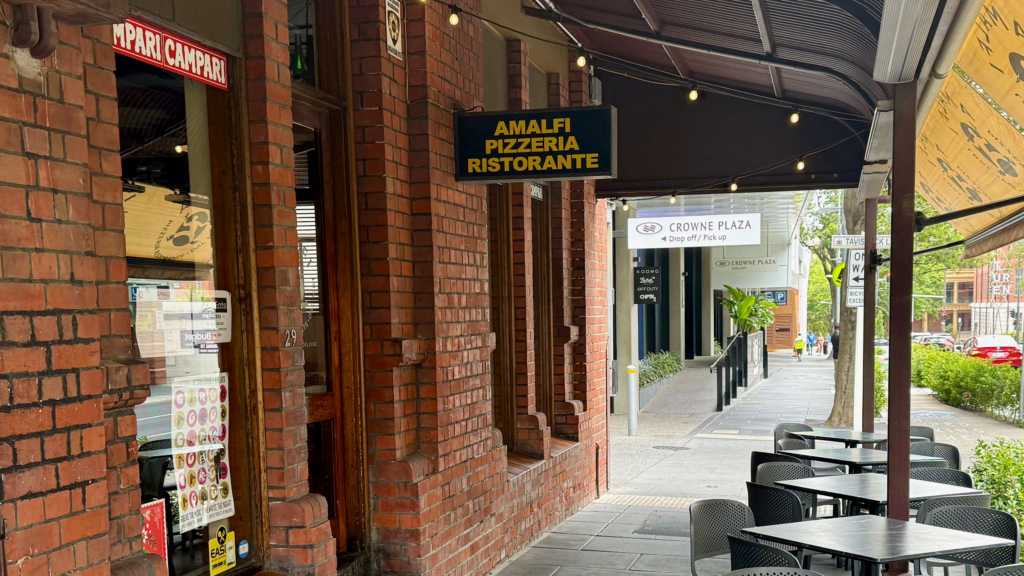
Explains why Italian restaurants excel at creating warm, welcoming atmospheres that encourage lingering over food and wine. An unmistakable and distinct vibe. Not just in Rome but in Adelaide as well.
This emotional connection and emphasis on shared experiences have helped Italian food transcend borders and cultures. The pride, the passion and care that Italian chefs bring to their craft is palpable. Every bite, creating dining experiences that warm the soul.
The iconic dishes that are now mainstream
The three that stand out are pizzas, pastas and lasagnas. Readily available in cafe and restaurants. And in supermarkets’ ready to heat-and-eat food aisles. Do not to think these 3 are the end all of Italian cuisine. They have excellent meat and seafood dishes.
Beyond pizza and pasta, Italian cuisine includes an impressive range of regional specialties. Northern Italy’s rich risottos and polentas to Southern Italy’s seafood-focused dishes and sun-drenched vegetables. This regional diversity ensures that Italian food never becomes monotonous, always offering new flavors and preparations to discover.
Pizza, arguably Italy’s most famous export, has been reinvented in recent years while retaining its universal appeal and comforting simplicity. Did you notice the pizza revival in Australia with more cafes offering wood-fired gourmet and artisanal versions. And they are fantastic. It’s back to tradition and heritage. Pizza’s versatility ensures its enduring popularity across all demographics and age groups.
Pasta’s countless shapes, preparations, and regional variations, pasta offers endless possibilities that cater to diverse tastes and preferences. Whether hand-rolling fresh tagliatelle or perfecting the art of al dente cooking. And it’s tagliatelle that my favourite pasta over the last 5 years.
Adaptability
One of Italian cuisine’s greatest strengths is its ability to accommodate various dietary preferences and restrictions. Traditional recipes easily adapt to suit vegetarians, vegans, carnivores, and flexitarians alike, making Italian food accessible to virtually everyone. That includes gluten-free pasta and plant-based options.
Here is a scenario that paints Italian cuisine’s versatility well. Your family decides to take an overseas vacation and find a suitable Airbnb. There is a small supermarket nearby. What kind of ingredients are readily available and how easily can you a cook a full satisfying meal for the family with little effort? Need I say more?
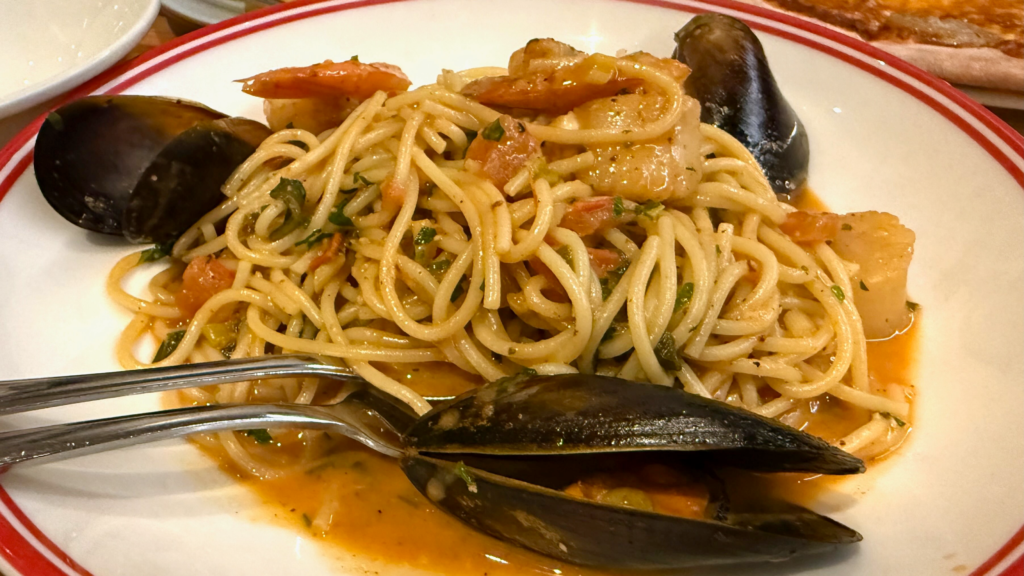
Here is something else to consider. Italian cuisine like the French, pairs beautifully with wine. Each dish having an ideal wine match that enhances flavors. A crisp white wine might complement seafood pasta perfectly. A robust red suits hearty lasagna, creating complete sensory experiences that satisfy multiple levels.
Timeless legacy
There is no suggestion that it is the best cuisine of any culture. It is whoever in the top tier, and the most popular outside its own country, because of what it is.
The global love affair with Italian food continues to grow. Testament to a cuisine that celebrates life’s essential pleasures. Whether you’re savoring homemade pasta in a family kitchen or enjoying wood-fired pizza with friends at a bustling cafe, Italian cuisine offers experiences that transcend mere eating to become cherished memories.