
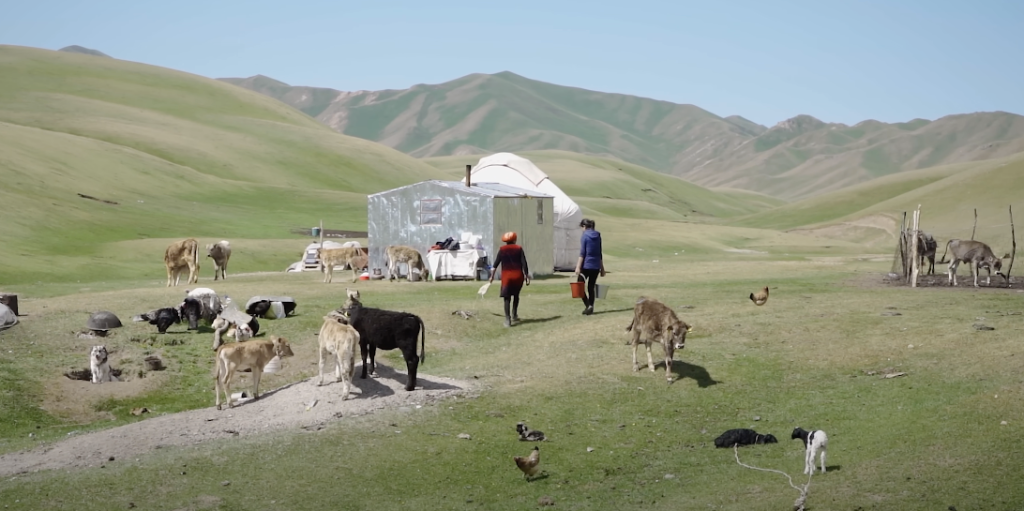
Central Asia is a story of its own, with a number of interesting factors that make it unusual from other regions of the World.
Firstly, it’s geography in terms of harshness of terrain and climate and the lack of access to the sea.
Secondly, the legendary Silk Road straddles it. Part of World history, where man’s resolve and endurance must have been severely tested.
Thirdly, its unusual political genesis. No defined sovereign borders or states existed in this region until 1991. Prior to that it was a number of minor khanates or fiefdoms taken over by the Russians during the 19th century. The 5 Central Asian Soviet republics were created between 1920 and 1926 as part of the Soviet Federation.
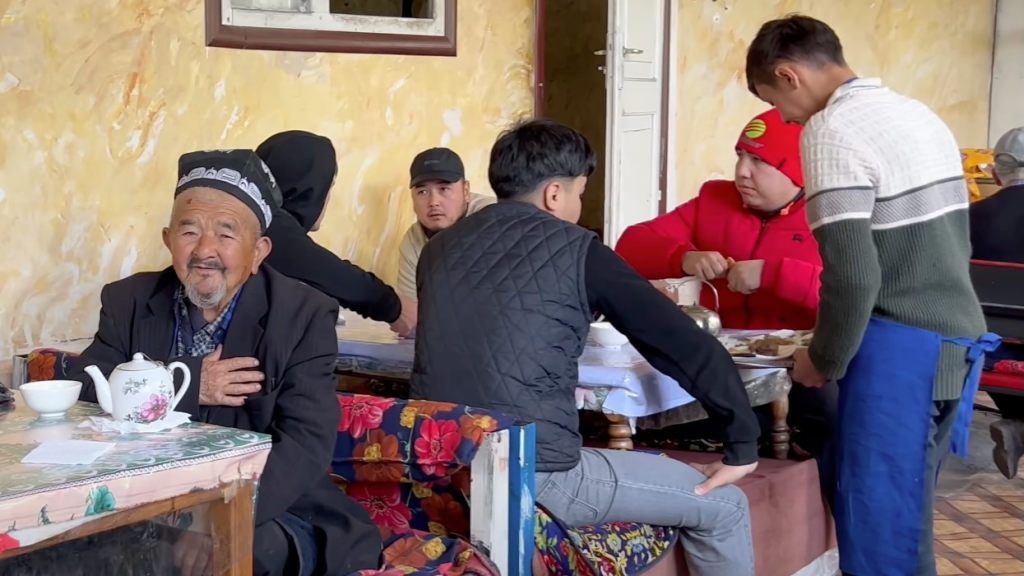
Fourthly the native inhabitants of Central Asia are of similar stock, and predominantly Muslims. Four out five independent states of Central Asia speak Turkic dialects while Tajikistan has a Persian related dialect.
A gap and an opportunity
Central Asia was then a land of nomads and traders. Land ownership hardly existed in their vocabulary. The vast steppes were for all with no permanent markers or borders. The nomads followed the seasons to accommodate their livestock, and the traders acted as agents and intermediaries. This allowed movement of livestock and trade to flow both ways. It was land to be taken.
The Russian land acquisition in Central Asia is unique. There was no regional adversary but a number of small khanates. More the work of the Russian Officer Corp expanding their respective areas of command. No man’s land in view of its harsh terrain and environment. Their expanding outposts became the de facto Russian border markers.
The region has no cultural, language, food, religion or any other commonalities to the Slavic Russians. There were two countries that greatly influenced Central Asia prior to the 20th century. Their influence ebbed away in the 19th and 20th Century. They are Turkey and Persia (Iran).
Central Asia makeup
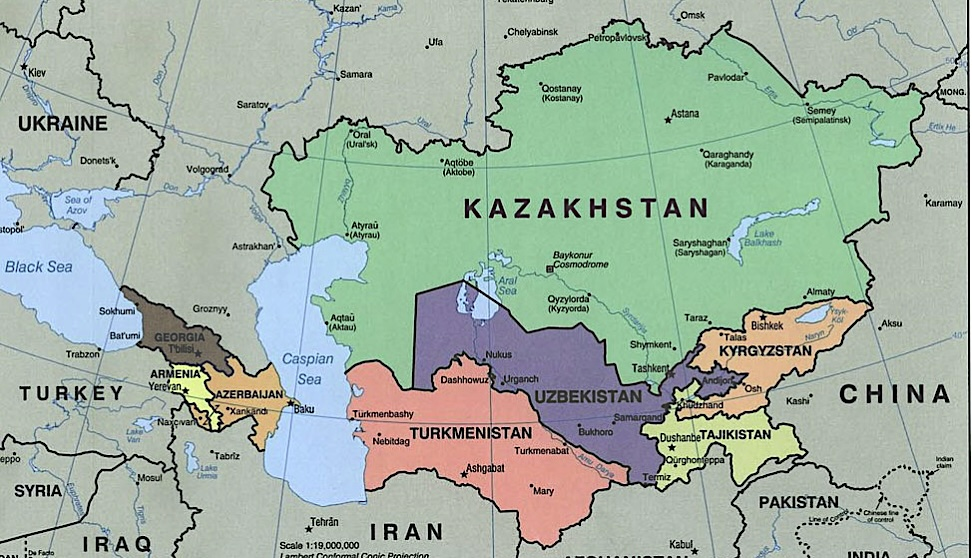
Central Asia is made up of 5 nations. Kazakhstan, Uzbekistan, Kyrgyzstan, Tajikistan and Turkmenistan. Kazakhstan is the largest, Tajikistan the smallest and Uzbekistan the most populous. All five are landlocked.
Credit to the Soviets who created the republics based on perceived ethnic and linguistic lines. Not perfect but effective in reducing sectarian conflicts. The sense of autonomy under the Republic label allowed the fostering of distinct and nationalistic identity. This gave rise to a sense of pride for the first time.
With the break-up of the Soviet in 1991, it allowed for an easy transition to independence and statehood. Unlike the former Yugoslavia.
7 decades of Soviet rule did help cement the borders for each of the 5 states. Few countries have enjoyed immediate and long lasting peace upon independence. Focus is to build their countries.
Geographic location
Central Asia is bordered to the north and west by Russia, to the south by Iran and Afghanistan, and to the east by China.
The region’s defining geography of sweeping grassy steppes, harsh deserts such as the Karakum and Kyzylkum, the snow-capped mountains of Tian Shan and Pamirs. As well as vital rivers like the Amu Darya and Syr Darya which provide critical water resources in an otherwise arid landscape.
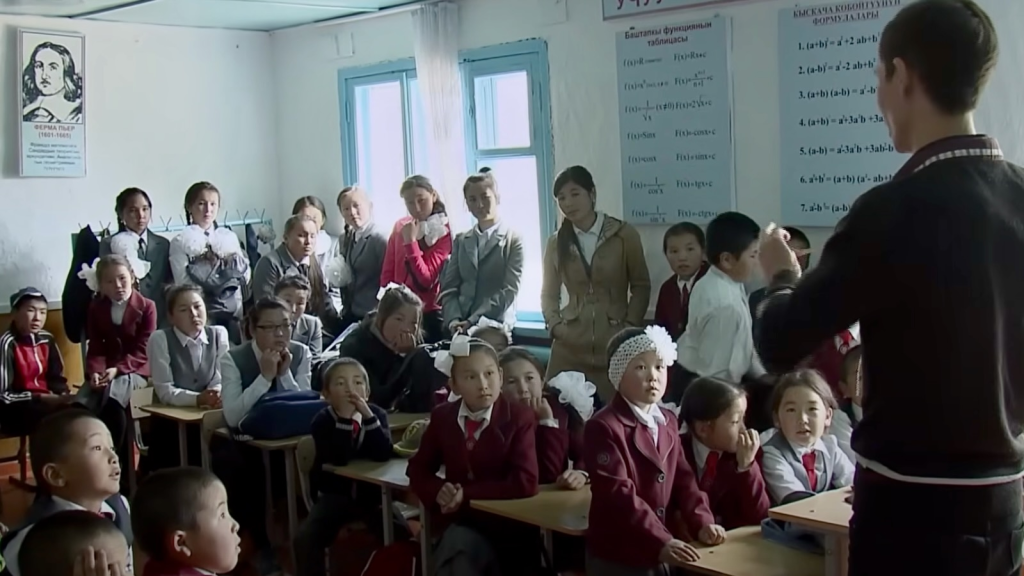
The challenging terrain and climate have profoundly influenced the region’s history, favoring nomadic pastoralism over settled agriculture in nearly all parts. Water scarcity led to population concentrations along riverbanks and oasis towns. Even then the population was sparse. The steppes however fostered the rise of powerful horse-riding nomadic peoples.
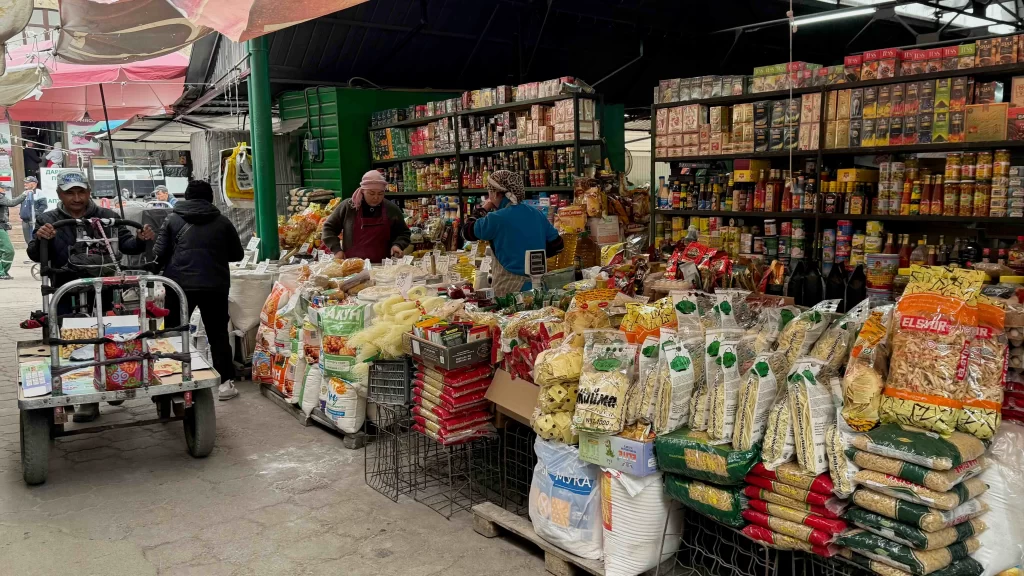
The vast steppes continued to serve as one of the great corridors of migration and movement of empires. This role defined all of its past.
The Turkic migration between the 6th and 11th centuries, which gradually transformed the population’s linguistic and ethnic composition. The Turkic migration began from their homelands in the Altai Mountains of Western Mongolia. And in the passage of time to Anatolia in present day Turkey. It was from the East to the West.
Conquerors passed thru Central Asia from both directions to seize lands and make their mark. Alexandra the Great and the Greek empire all the way to Northwest India in 323 BC. Genghis Khan and his Mongol empire went all the way to the Adriatic Sea, Europe in 1227 AD. Central Asia became collateral gain but not the prize.
Central Asia’s Golden Age
The Golden Age of Central Asia spanned roughly from the 8th to the 12th century. The region became a vibrant center of civilization, science, and culture. During this period, cities such as Bukhara, Samarkand, and Balkh flourished as hubs of intellectual achievement, trade, and religious diversity.
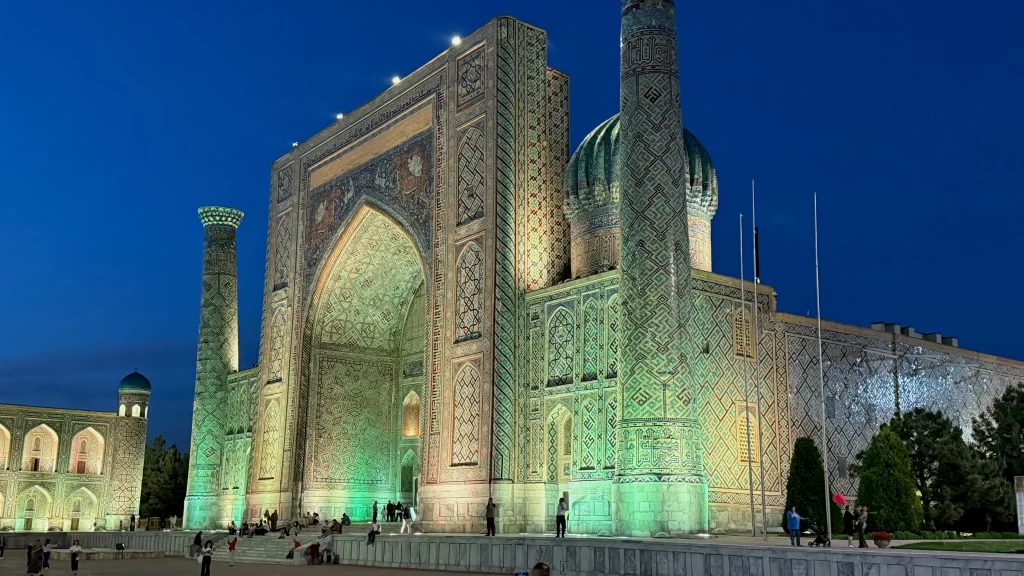
Central Asia’s strategic position at the heart of the Silk Road produced a truly cosmopolitan society. Bringing together merchants, scholars, and artisans from across Europe, the Middle East, China, and India.
Trade enabled the exchange of goods, technologies, and ideas. This encouraged the rapid spread of innovations in areas such as mathematics and astronomy. The cities were renowned for their advanced urban planning, with amenities such as running water, baths, and grand palaces. Evidence of their prosperity and sophistication.
Central Asia was also remarkable for its religious pluralism, hosting Zoroastrianism, Buddhism, Judaism, Christianity, Islam, and more. This diversity created fertile ground for intellectual discourse, comparison, and synthesis, fueling creativity in literature, philosophy, and the sciences.
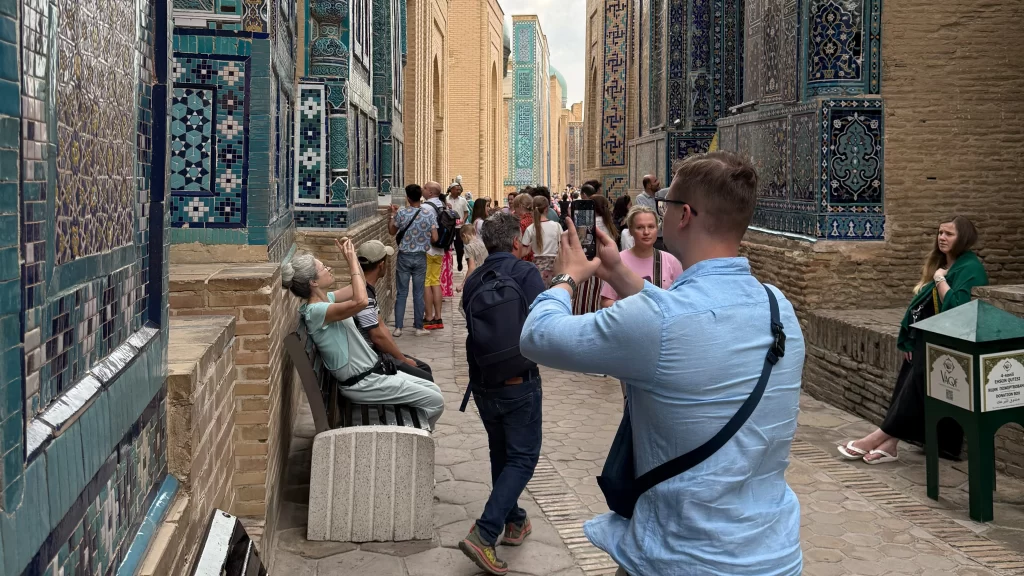
In particular, Persian-language poetry, philosophy, and religious scholarship thrived, allowing contributions to philosophy and the codification of Islamic traditions.
Timurid Empire
The Timurid Empire, founded by Timur (also known as Tamerlane) in 1370, was a culturally Persianate Turco-Mongol state. It dominated a vast region spanning modern Iran, Iraq, Afghanistan, Central Asia, the South Caucasus, parts of Pakistan, northern India, and Turkey during the late medieval period.
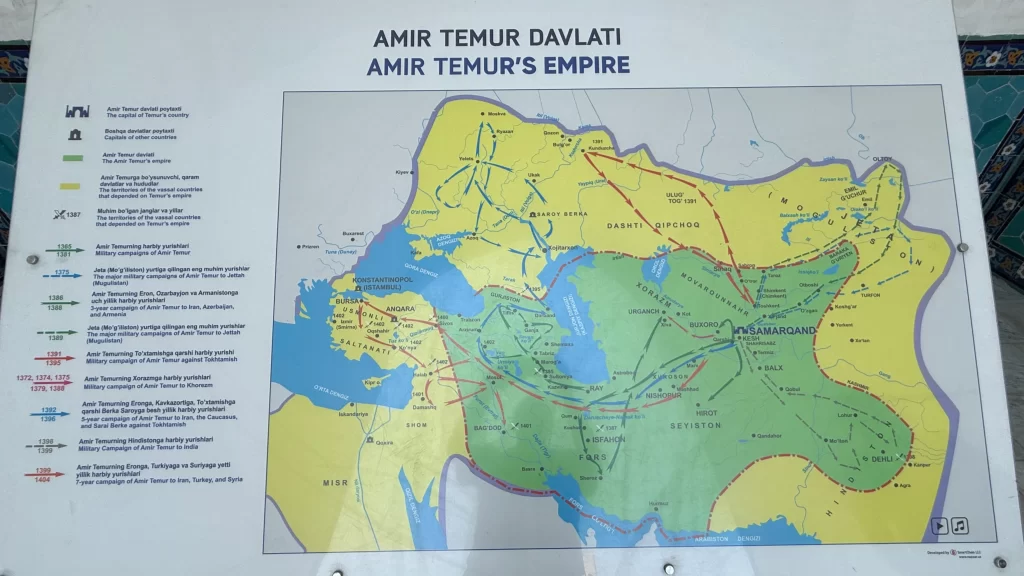
This empire lasted from 1370 to 1507, and it was the only time that Central Asia became the seat of power. It’s not a surprise that Central Asia’s golden period led to this.
The remarkable cities of Samarkand and Bukhara in Uzbekistan bears testimony to the Golden period and the achievements of the Timurid Empire. I have covered these in my post on Samarkand.
Present day Central Asia
Central Asia’s importance to the World began to wane after Arab and European traders took to the seas in the 16th century for trade across the World. The Silk Road was no longer needed, towns and cities along the Silk Road began to decline. 15 centuries of trade and the crossroads of an ancient time came to an end
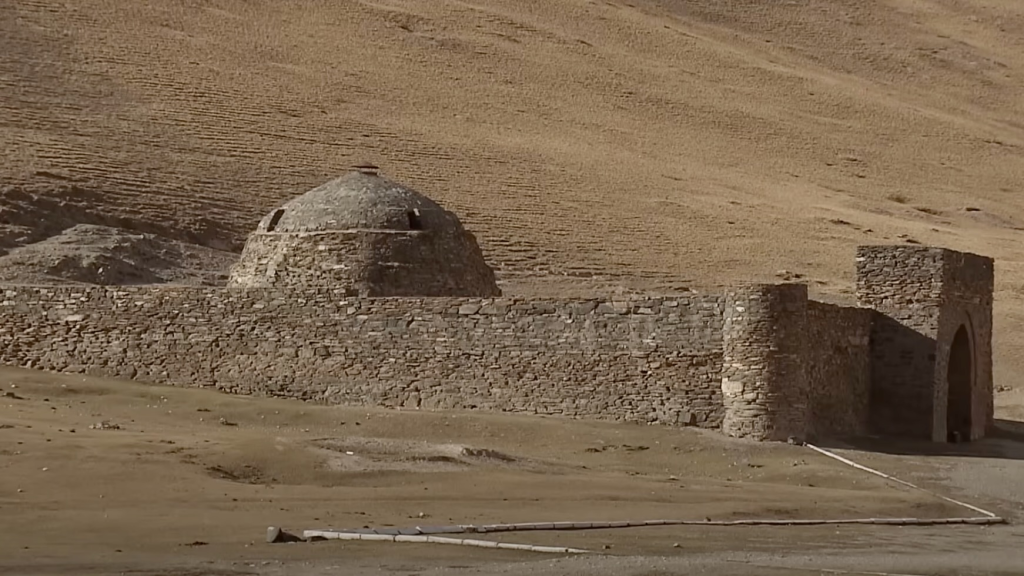
With the exception of Samarkand and Bukhara in Uzbekistan and to a small extent Turkistan in Kazakhstan, anyone travelling in present day Central Asia will not realize it’s past prior to the Russian occupation.
Tourism now is towards the region’s natural features such as the mountains, canyons, lakes and the steppes. One welcoming attraction of this land’s history is visiting and staying with nomads in their yurts.
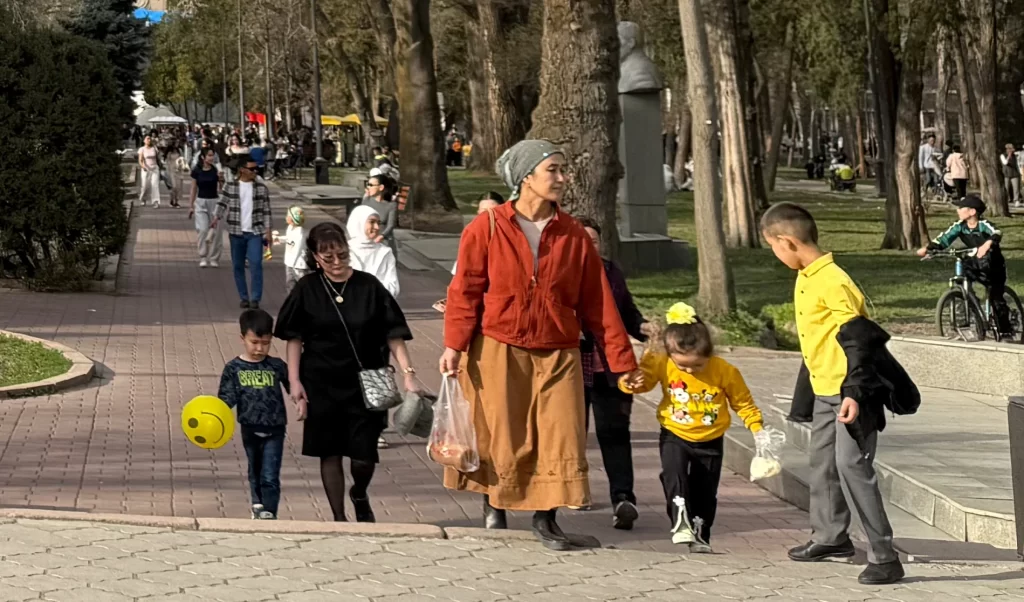
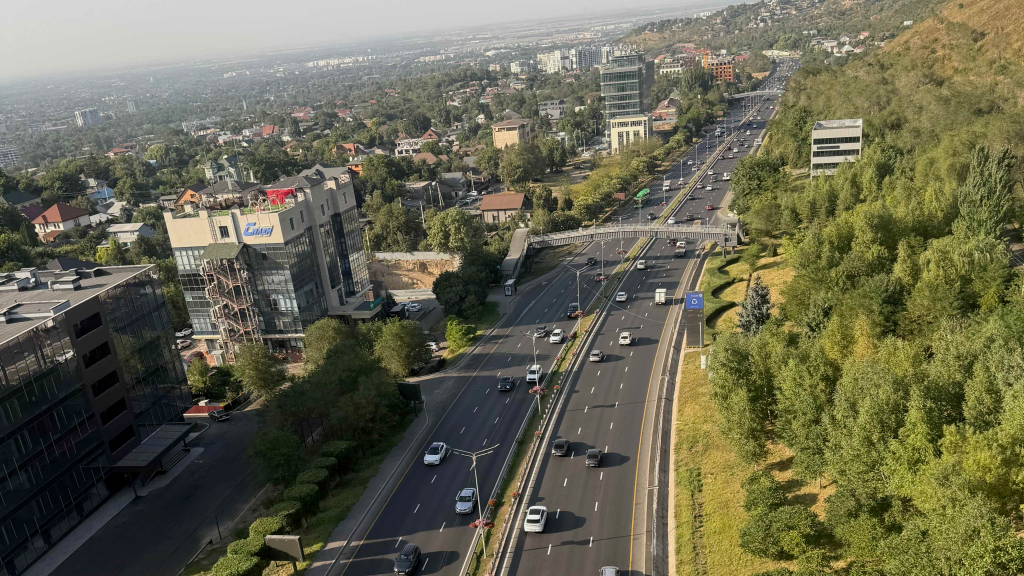
Visitors will see Soviet era legacy of the last century. Statues, monuments, buildings and parks, all with a distinct Soviet look. They will also see new developments post the 1991 independence. And a discernable move from their Soviet past with the exception of the Russian language and the Cyrillic alphabet.
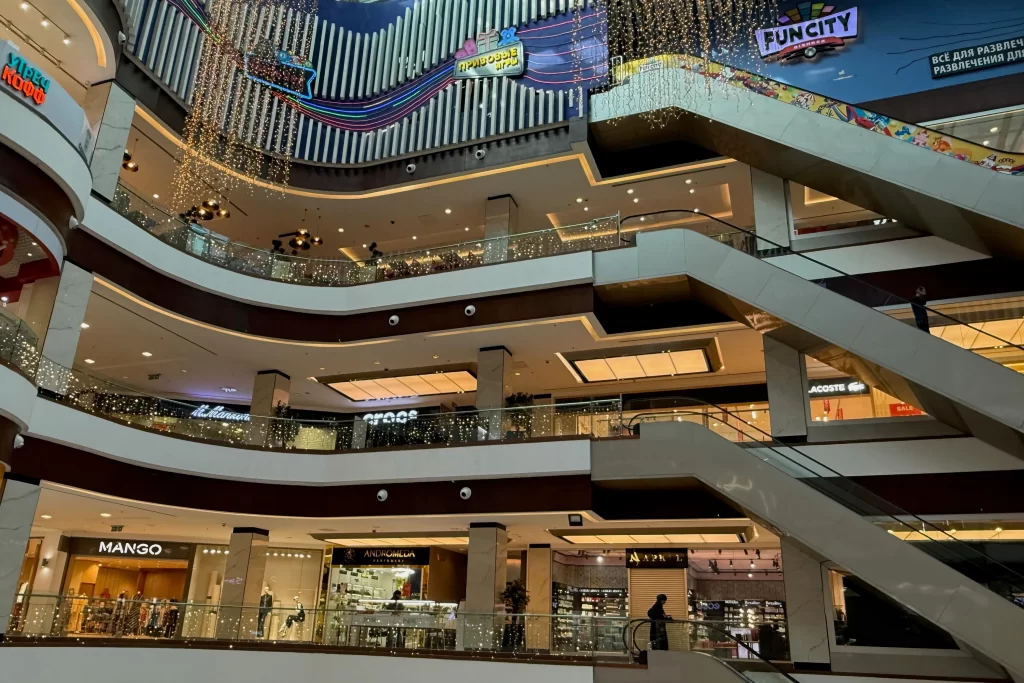
Oil, gas and mineral extractions now dominate the economies of these Central Asian countries. Late in coming but a true blessing for this region long handicapped by the harsh environment and the loss of the Silk Road.
Final Thoughts
Having visited Kyrgyzstan, Uzbekistan and Kazakhstan between April and July 2025, progress has been impressive. They have caught up and have gone past many emerging countries in Asia, Africa and South America.
Uzbekistan and Kazakhstan in their largest city have metro lines as an indication of progress. All 3 countries have excellent public bus coverage in their main city accepting digital payments.
Restaurants, cafes and malls are also good indicators of progress, quality and hygiene standards. Tourism is slow but moving in the right direction. Shymbulak Ski fields, short distance from Almaty is a World class facility and expected to draw more tourists each year. It’s easy access for international tourists and affordability works in its favour.
I do expect the perception of Central Asia as a land of harsh terrain and climate to change as their cities are clear evidence of something different. It certainly changed my perception significantly.