
In the midst of the Gulf missile war is a firsthand account of what life was like in the UAE in the initial phase. It covers the first 3 weeks prior to the first tacit ceasefire.
Not a military or political account but more on the daily lives of people, places and culture. The caveat is that the situation may change dramatically as time drags on.
I was on work assignment in the UAE when the war erupted. I was aware of US and Iran negotiations on the latter’s nuclear program. It began on February 6 in Oman with the last meeting on February 26 in Geneva. The assumption was there was a pause in the talks. No one expected what took place 2 days later.
It should be noted that this occurred during the time of Ramadan which began on 18th February and ended on 19th March. A holy month when all Muslims fast from dawn to dusk.
On February 28th, a Saturday, the US and Israel launched their attacks, and Iran quickly retaliated. The Iranians targeted the 9 countries in the region including UAE, Saudi Arabia, Qatar, Kuwait and Bahrain as well as Israel and the US bases. I don’t think the Gulf states or their people expected this.
The first day – Saturday, 28th February
UAE faced the first salvo of 165 ballistic and 2 cruise missiles with 541 drones. It was the same set for the next three weeks but the numbers came down by up to 80% by the end of the second week.
The majority intercepted with isolated spot fires, damage to properties and injuries from falling debris. I did not hear or see anything. Oblivious to the attacks until I heard the news much later. On later days, it led to deaths and more injuries with the expat workers on the ground such as taxi drivers, technicians and security guards who by their nature of outdoor work paid the sad price.
The phone alerts
In the early hours of the following morning a loud piercing sound on the mobile phone, followed by a message to head indoors and away from windows, doors and open spaces. These alerts occurred daily sometimes twice but usually at night. Within 15 minutes to 40 minutes, an all-clear message would come thru.
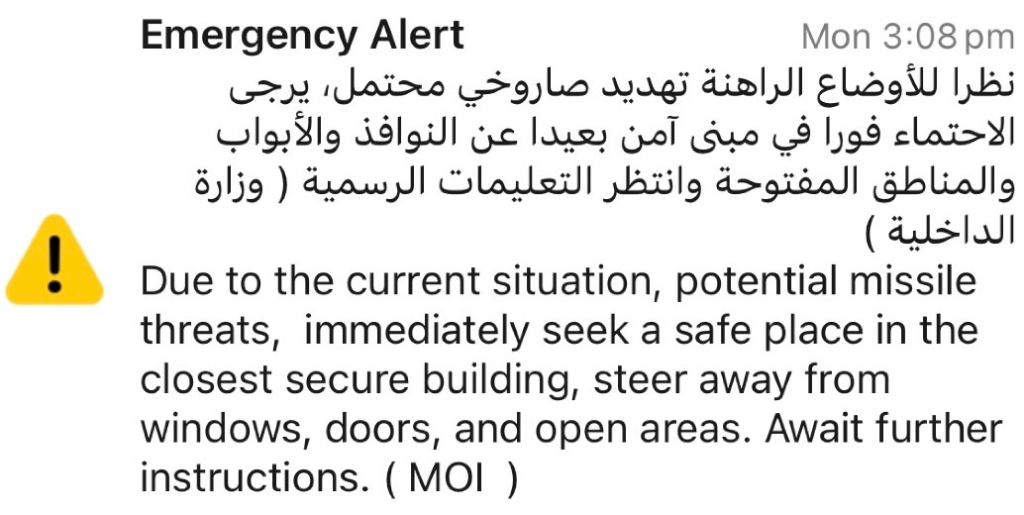
Subsequently we realized that they were activated based on location of the threat rather than the whole country. It did not matter if your sim card was foreign, the alerts worked on all phones that are detected by the cell towers, and they go past any phone settings such as mute and audio volume. The system is highly effective. The system was used in the past for severe high winds, fogs, floods and sandstorms which are rare.
The only change in alert occurred on 10th March when the loud piecing sound was toned down considerably at night to avoid frightening children and those asleep.
Business as usual
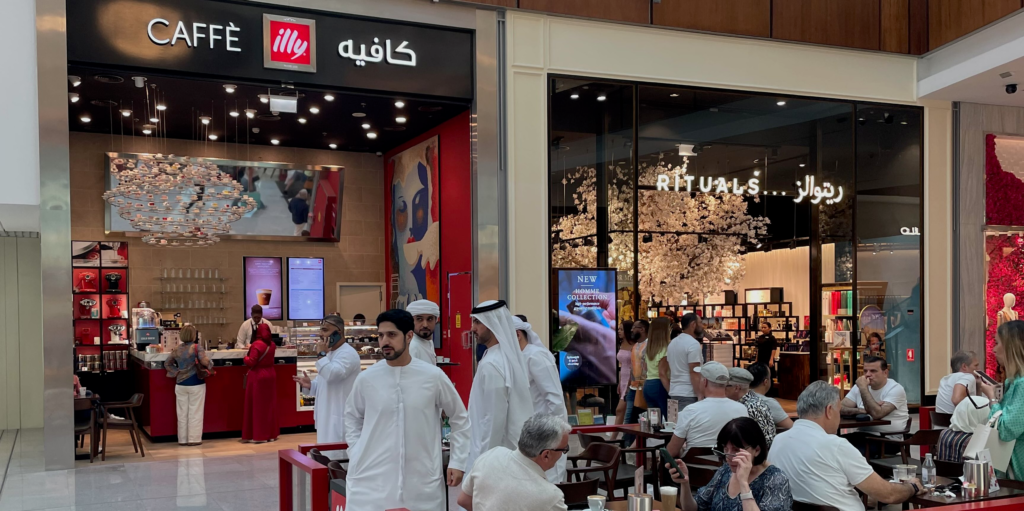
I was in Abu Dhabi when the war broke out. Besides the cancelled flights, the rest of life remained the same.
Rather surreal to see people on the streets, cars on the roads, offices and shops opened, malls with visitors. It was like nothing happened. Schools were the exceptions as remote classes took over. There however were conversations about the attacks and incidents here and there with some understandable concerns.
It seemed like any other day in the UAE. All Government offices, banks and petrol stations remained open. No impact on utilities. Gas burners lighted up, water flowed and electricity supply remained.
Nights however were noticeably and increasingly quieter. Despite the open shops and malls, footfalls slowed significantly with empty taxis cruising. People preferred to remain indoors. Not a surprise as much of the alerts occurred in the night. A period of caution. It was sad as Gulf cities come alive at night in view of sapping heat in the day.
Despite the flight cancellation including cargo flights, fresh produce including fruits were available. There were no signs of hoarding anywhere.
By the end of the 3 weeks, there were 9 deaths and 166 injured. Mainly from falling debris from interceptions.
The indispensable gulf aviation hubs and flights
The Middle East has 3 major aviation hubs and home to 3 major airlines. The impact was immediate. The UAE, Qatar, Kuwait and Bahrain closed their respective airspaces. Incoming flights diverted and out-going flights cancelled. Scheduled flights from the rest of World to these countries grounded.
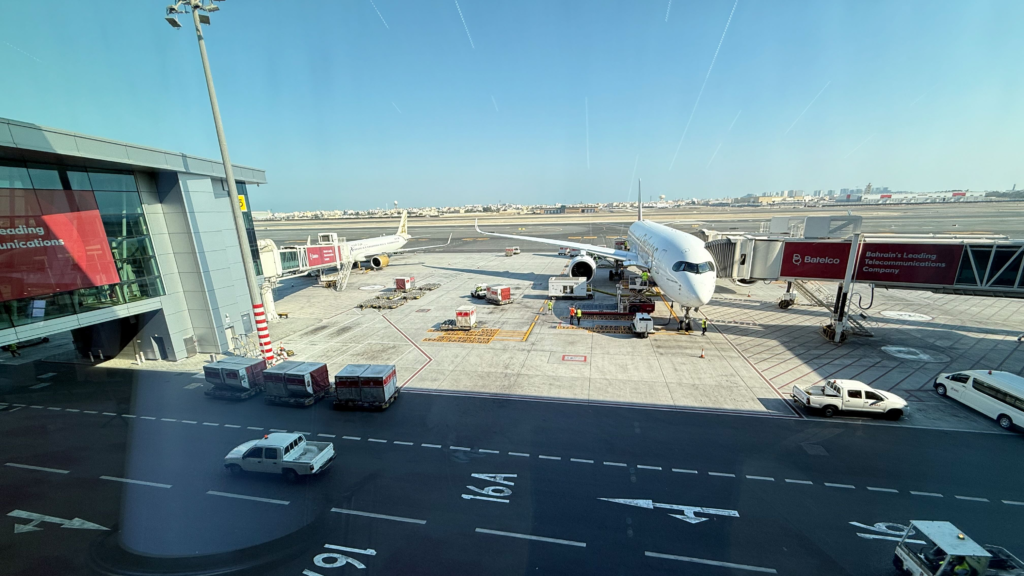
For the first time since the emergence of these 3 aviation hubs, the World began to realize that these were critical transit hubs for stop-overs and connection to other flights. Fate had made them geographically important, connecting East and West. Europe to Asia and Australasia
UAE and Qatar capitalised on its geographic value more than 25 years ago. Emirates out of Dubai, Etihad out of Abu Dhabi and Qatar Airways out of Qatar. Moving millions of passengers on thousands of flights each year. In addition, there were other international airlines and many budget airlines that used these hubs.
Stranded transit passengers and tourists
This became a serious concern for the authorities, and they acted swiftly and commendably. There were thousands starnded. The UAE government announced that all accommodation cost will be covered. This was followed by a directive that no hotel guest with cancelled flights were to be moved out. The hotels could make a claim to the authorities directly. It must have brought immediate relief to those stranded especially those with young families.
Work began on the reparation flights for stranded transit passengers and tourists. The Southern Air corridors over Oman airspace was identified and these flights commenced within 3 days. Airlines would notify select passengers to head to the airport and they would rush over.
Priority was also given to UAE nationals and expat residents stranded overseas, and they came back on the return reparation flights. It must have been one of the biggest evacuation exercises in modern times, low key but evident.
Qatar, Bahrain and Kuwait were not so lucky. They did not have access to the Southern air corridor to Oman. Their stranded passengers were ferried across by land to Saudi Arabia to waiting planes. The overland journey for some stretched many hours.
Even in the UAE, those who did want to wait for uncertain reparation flights or did not have a ticket headed to Oman. The journey was overland by buses, vans and cars over many hours to catch their flights from Muscat. Some paid fixers a princely sum. Out of nowhere travel companies set up flight booking desks at these remote border crossings. Which brought relief to those who had no flight bookings.
It should be noted, many gleaned helpful information from social media from those who already made the crossing. I saw one on Reddit that had options, guiding details and even warning of opportunistic pricing. There are indeed kind souls everywhere.
Dubai was different
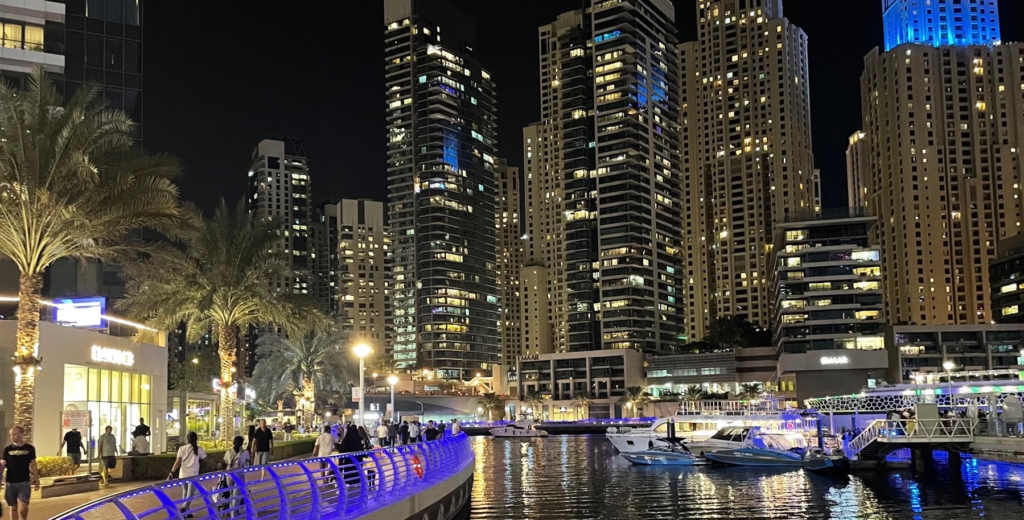
Two weeks into this war, I decided to head to Dubai to spend a weekend. I headed to the popular Dubai Marina, always busy with heavy traffic, vehicles and people. It is one remarkable part of the World that would have traffic jams running past midnight on weekends.
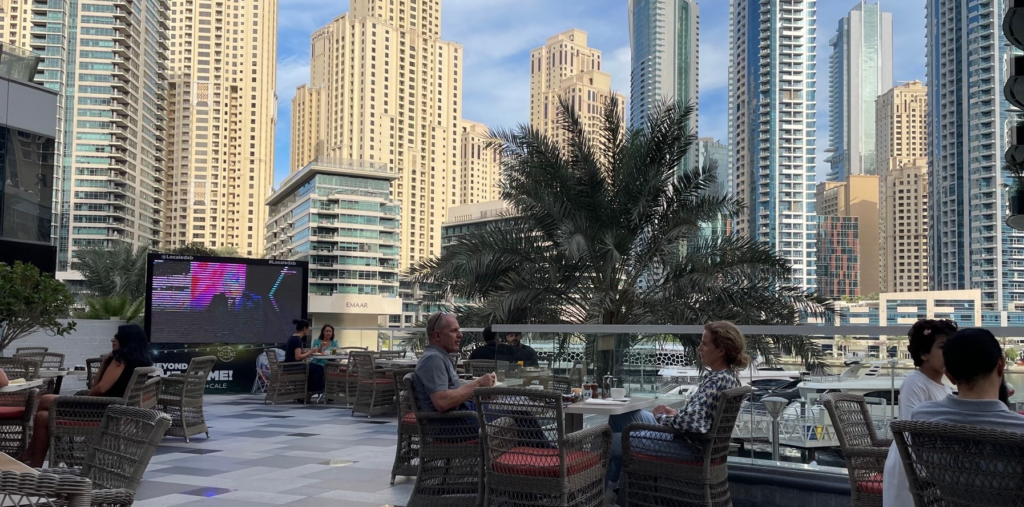
On entering Dubai, I noticed the light traffic but nothing to worry about. I reached my hotel shortly after 3pm. The hotel was a surprise. Usually at that time, the lobby would be busy, all 4 check-in desks manned, flight crew luggage stacked while the crews waited for ground transports. Only me and one manned desk this time, besides the porter at the front door.
It was the same for the next 2 days of my stay. The hotel’s much loved buffet breakfast with popular seatings on the balcony overlooking the marina was not to be. It was replaced with a set Arabic or continental breakfast. There was one serving staff helped by the restaurant front reception staff. There were only two tables occupied and one was mine.
Dubai’s position in the wider region
I then realised how big tourism is for Dubai. Dubai is also the mercantile centre of the region with regional and international executives flying in and out on commercial matters. It is also the shopping mecca for the Middle East and South Asia. It is 10 times bigger than the Abu Dhabi. By the end of second week much of the stranded travellers, tourists, shoppers and business executive had left or stopped coming in.
People in the marina promenade, mall and shops however were residents, both local Emiratis and expatriates. The expatriates live and work in the city and many with families. They are nationals from hundreds of countries who steadfastly remained and continued with their lives in the UAE. as it was home for the timer being.
The media and the outside reaction
Like all those still in the UAE, I received numerous messages from family, friends including former long-lost colleagues and acquaintances wondering if I was safe. They had seen the international media reports.
They were surprised to learn that shops and offices, banks and malls remained open and there was no food shortages or hoarding taking place. Still, I was advised to stock up on canned food, withdraw cash and take precautionary measures.
Over the top reporting by UK media from the lower end of journalism tethered to the lives of influencers were amusing. Social media from South Asia and the US saw fake images and sensational reports to bring in subscribers.
Media from the rest of the developed World handled it well bearing in mind the limited information from the Gulf states or even from the warring parties.
Three weeks in, I still did not see bare shelfs or a missing item from shops or the supermarket. Though I did see reports in the first week on purchase limits on some grocery essentials by select shops in Dubai to prevent panic buying.
The country’s resolve
The UAE resolve amplified by their investments in defence technology, civil defence, the level of preparedness and their ability to act swiftly is impressive. Clearly evident in this crisis.
In 2022, when the UAE’s first of four nuclear reactors came onstream, I wondered why? The country was sitting on one of the largest reserves of fossil fuel in the World. I know now why. Incidentally, their reactors are located at the furthest and most remote corner of their vast country for obvious reasons.
Australia is a net fuel exporter also blessed with an ample reserve of fossil fuel and one of the largest expanse of land much of it remote. Yet by the 25th of March, 520 petrol stations across the Australia had run out of fuel of one type or another. Impacted by a conflict thousands of miles away. And it does not have strategic oil reserves or nuclear power.