
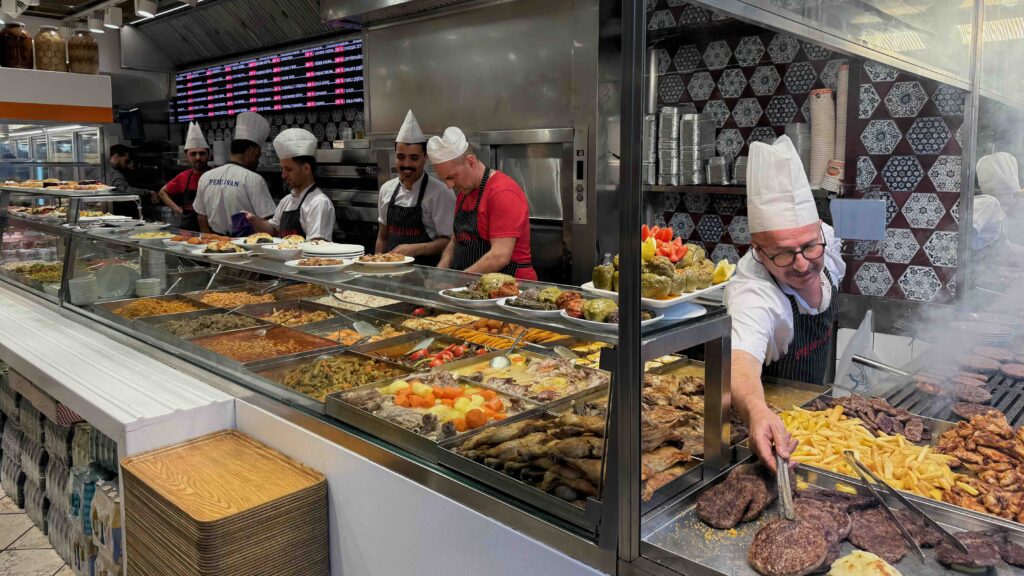
Istanbul’s street and comfort food is more than impressive. It is the first thing that caught my eye arriving in the city. I decided then and there to taste and understand its cuisine. And list it down for those who intend to visit this remarkable city.
Back home in Australia, Mediterranean, Middle Eastern and Asian cuisines are well established. Turkish however is not easily available with the exception of the Doner Kebab. So, the visit to Istanbul became my front door to a whole new culinary experience
The street food scene
Istanbul’s street food scene is a vivid expression of everyday life in the city. Blending flavors from Central Asia to the Middle East into quick, affordable meals. Something that locals and visitors share on sidewalks, ferries, and along its never-ending waterfront promenades. Vendors sell everything from sesame‑crusted breads to grilled seafood.
The only other place where appealing food was everywhere in such variety is in South East Asia.
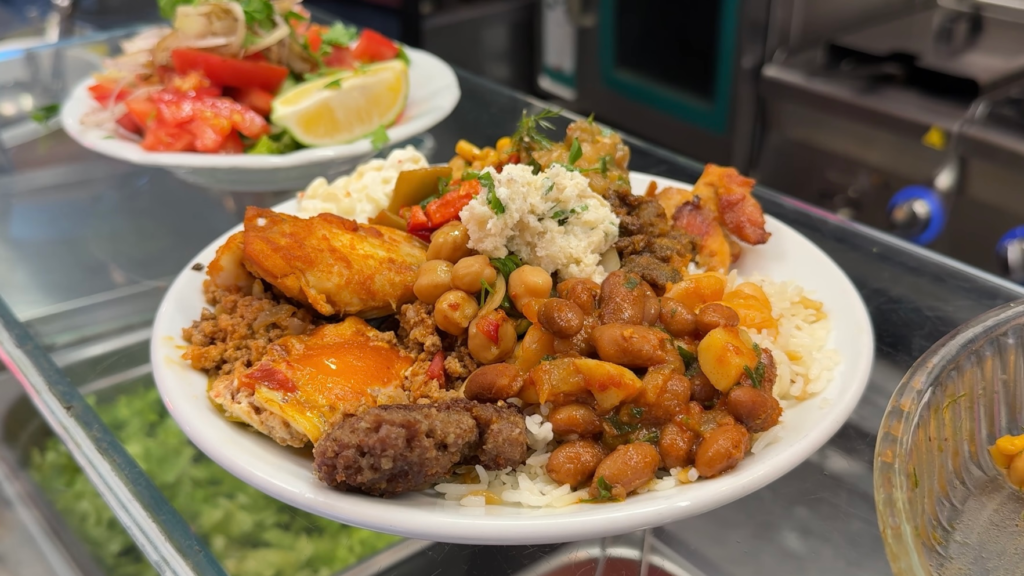
Food in Istanbul is front and centre, revealing how deeply it is woven into the city’s culture and rhythms. Certain snacks have become icons of Istanbul itself. Turkish food is on a colour spectrum from red to yellow.
The areas around the Galata Bridge where Golden Horn inlet (both shores) meets the main Bosporus around (western shore) is central to the street food odyssey. Choice cafes and restaurants are north of the Galata Bridge, all the way to Taksim.
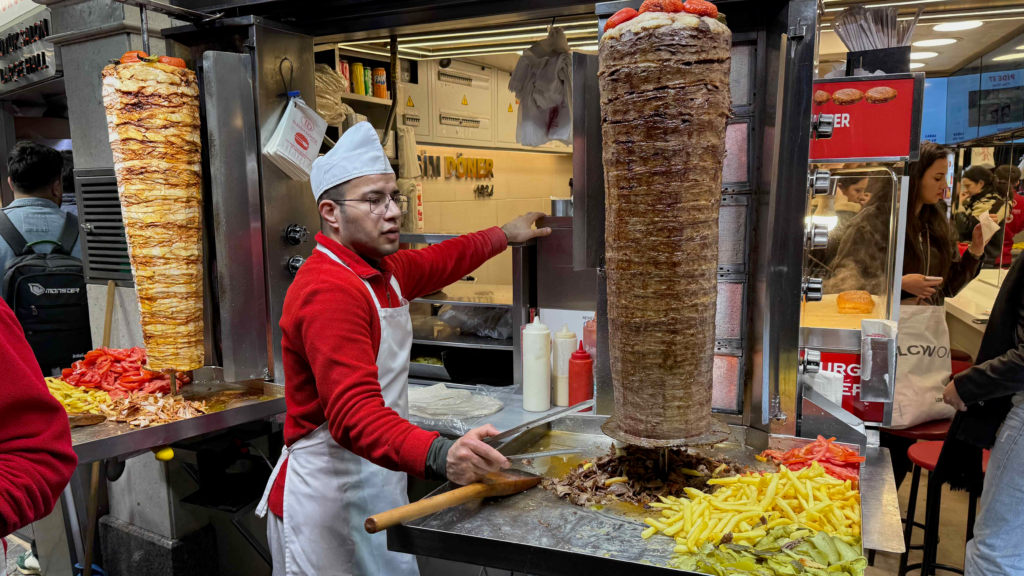
Bread, wraps, grilled meat and seafood are central with the omnipresent Turkish tea and coffee. The latter, an acquired taste. If you have travelled to Central Asia and the Middle East, you will spot versions of the bread types and kebabs, but many are uniquely Turkish or confined to the Bosphorus.
Some things to consider
Always aim to patronise vendors that are popular with locals with high sales. Locals know quality, prices and where to have them.
Try side-streets or two streets away from popular tourist spots for better options. This avoids inflated prices at tourist traps. High sales mean food is not left too long and they become a hygiene issue. Mussels in particular.
Bread, sandwiches, and wraps
One of the most emblematic street foods is simit, a ring‑shaped bread coated with sesame seeds. Turkey’s answer to the bagel. Locals typically enjoy it for breakfast, sometimes paired with white cheese and tea. Ubiquity make it both a practical staple for Istanbul residents.
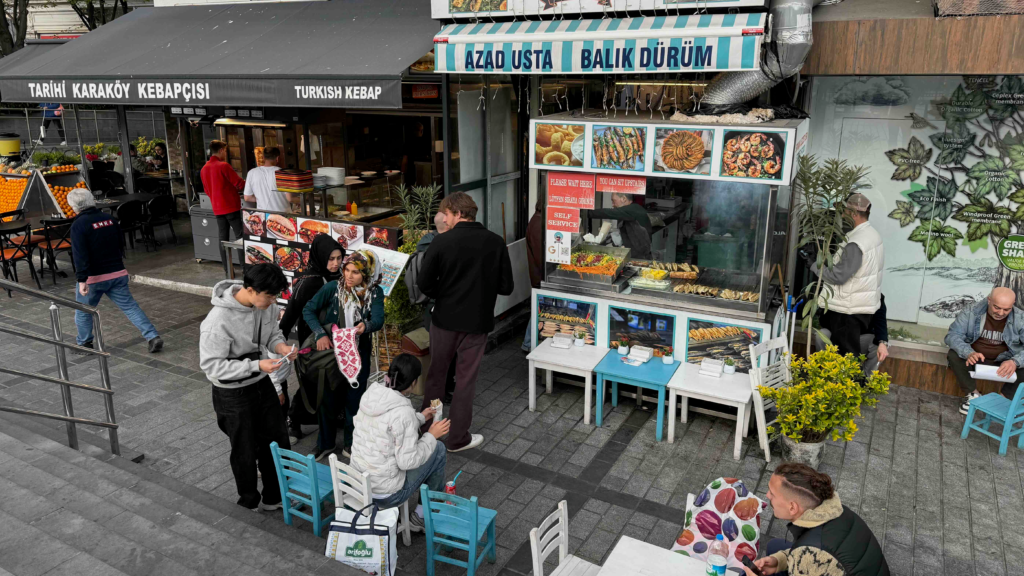
Equally iconic is balık ekmek, the grilled mackerel sandwich sold near the Galata Bridge in Eminönü. Freshly grilled on pier-side boats and in shops near the pier. Tuck into crusty bread with onions and greens. For many visitors, eating balık ekmek by the Golden Horn becomes a defining memory of Istanbul. It captures the connection between the city and the sea.
Another pillar of the street scene is the family of flatbreads and wraps. Lahmacun, often called “Turkish pizza,”. It is nothing like pizza and you will still like it. A thin round or oval bread topped with minced meat, onions, tomatoes, and herbs. Folded over with parsley and lemon before being eaten by hand.
In parallel, dürüm (wraps) are filled with sliced lamb, beef, or chicken, salad, and spices with the classic döner kebab best known. The other popular ones are Ardana kebab and Urfa Kebab
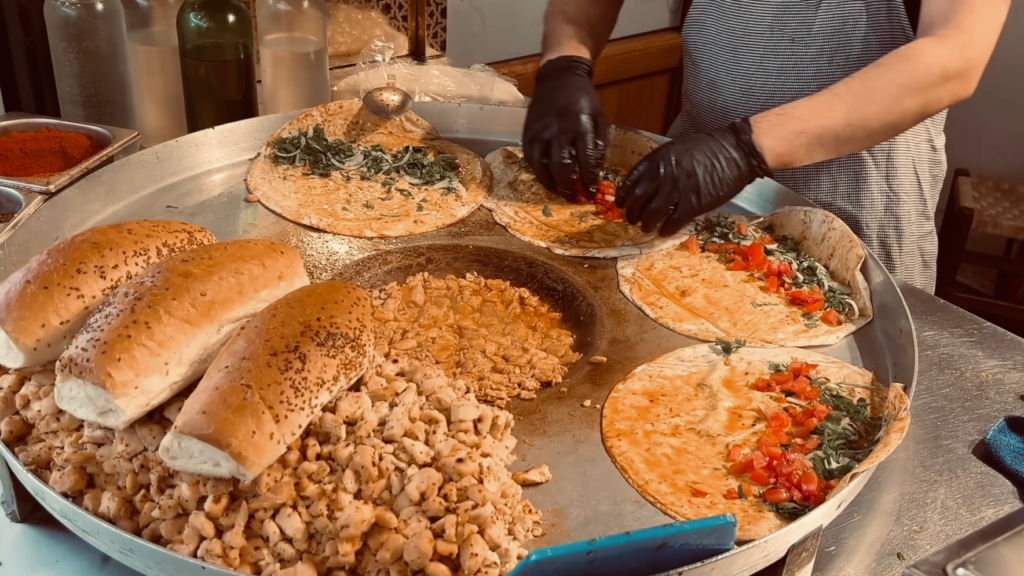
Then comes Tantuni, lavash bread, one side soaked in beef or lamb gravy first, before pan-fried meat fillings are added with parsley, making for a thin wrap.
Snacks for the adventurous and curious
Some of Istanbul’s most talked‑about street foods appeal to more adventurous palates. Kokoreç, made from seasoned and grilled lamb intestines chopped and stuffed into bread.
It is a beloved late‑night staple in districts such as Taksim, Kadıköy, and Beşiktaş. Its rich, spicy flavor and crunchy texture divide opinion among visitors. For locals it represents the bold, no‑waste ethos of traditional Turkish cooking.
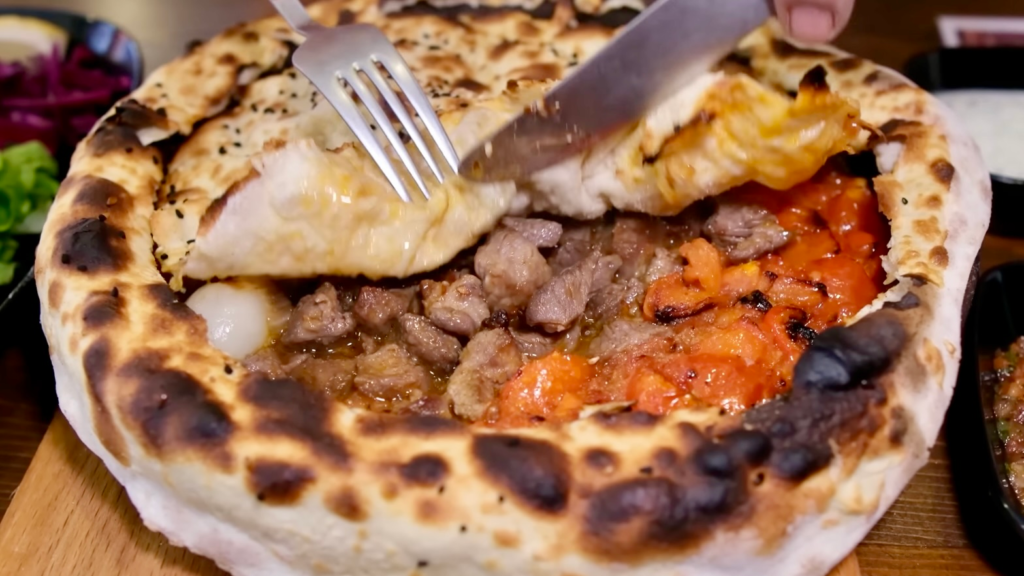
Seafood appears again in midye dolma. Mussels stuffed with aromatic rice, herbs, and spices, served on the half shell with a squeeze of lemon. Sold from trays and small counters across the city, midye dolma is both an affordable snack and a social ritual. Just make sure it is from a popular vendor to ensure freshness.
Other popular bites include kumpir, a baked potato split and filled with a variety of toppings. Islak burger, (called wet burger) a small burger soaked in garlicky tomato sauce and kept steaming in glass cabinets is another. Uniquely an Istanbul creation, favored as a quick, filling option after midnight.
Sweets and warm comfort
Sweets are big in this culture and there are whole shops dedicated to it. Baklava is the best known sweet. Full-fledged sweet shops are a phenomenon, not just in Turkey but the in the Middle East and South Asia.
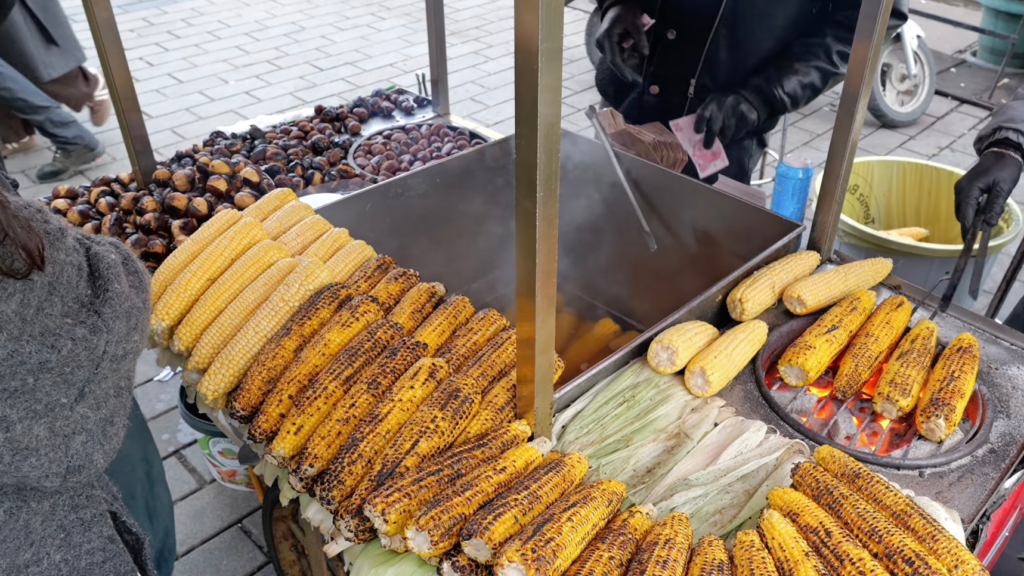
In cooler months, kestane, or roasted chestnuts carts are found along central streets such as İstiklal and the squares near major monuments. Considered one of the most traditional street foods in Istanbul together with the mussels. Alongside them, vendors often grill corn and sell simple pastries, creating a warm, smoky backdrop to evening walks.
Dining at cafes and restaurants
From street food, do not miss out Istanbul’s cafes or restaurants. Affordable and a memorable experience. Always impressed by the attention and service.
Highly recommended are specialty seafood establishments. The range is impressive from anchovy, bonito, mackerel, sea bass, sea bream, turbot to prawns. I cannot think of a single city in all my travels that has so many seafood eateries with a wide range of affordable seafood.
Rooftop dining with majestic views is a definite highlight of a trip to Istanbul. The scenery of the Bosphorus and the Golden Horn from these venues are unmatched, however there is a premium to be paid. Do not miss the opportunity but do your research and online reviews are indispensable.
For breakfast, Menemen is the go-to mains. Similar to the North African and Arabic breakfast staple, shakshuka. A flavorful, soft-scrambled egg dish made with tomatoes, green peppers and spices. Served with crusty bread for dipping and scooping up the sauce.
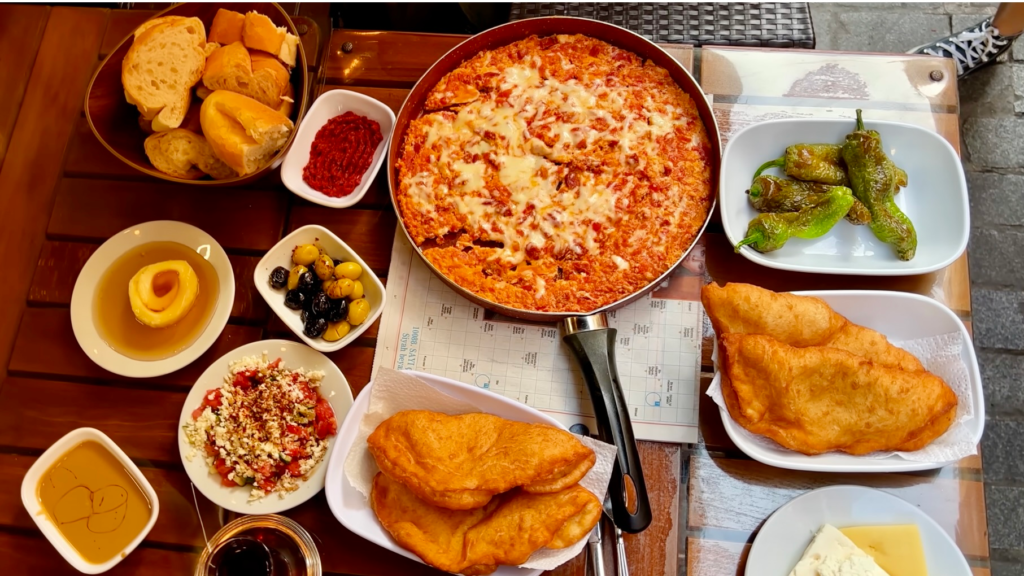
Lunch and snacks in cafes include kebabs, barbequed or grilled meat of various variations with salad. Borek, thin flaky dough with fillings, Kofte, fried meatballs and Pide, oval shaped baked dish with cheese or meat fillings topped with egg.
For dinner, start with the Meze, small, shared dishes including Haydari (thick yogurt with herbs), Ezme (spicy tomato dip), and Patlıcan Ezmesi (grilled eggplant). The mains would be your choice of kebabs and stuffed vegetables. Kebabs are grilled meat usually done with a skewer, then plated as a combination meal based on menu option that you selected.
Picking the right cafe for appearance and ambience to frame a memorable snap is important. The good news is there are many such cafes. So do not forget to snap away.