
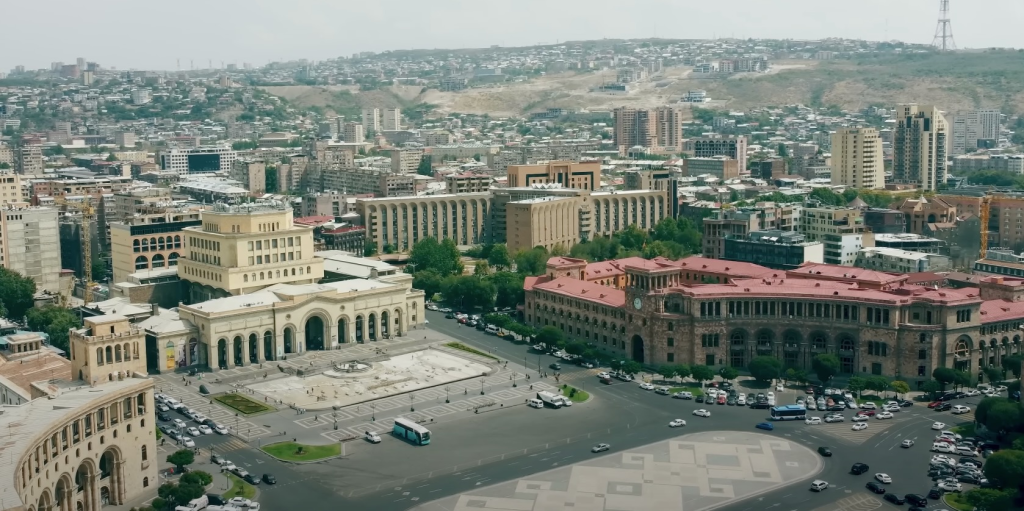
Yerevan, the capital of Armenia, is one of the world’s oldest continuously inhabited cities. Founded in 782 BC during the Urartian kingdom, it predates Rome by nearly three decades.
Over its 2,800-year-old history, Armenia and its people have endured much. Throughout its history until now, sectarian and border tensions remain high. The country and the city a crucible throughout. Yet you do not see or realise it when you visit the city except at Immigration.
My visit to Yerevan was next in my journey into South Caucasus. I had done Baku some weeks ago and keen to find out more about this region, its people and culture.
Geography
Armenia, often described as the “cradle of civilization,” occupies a unique position at the crossroads of Europe and Asia. Nestled in the South Caucasus region, it borders Turkey to the west, Georgia to the north, Azerbaijan to the east, and Iran to the south.
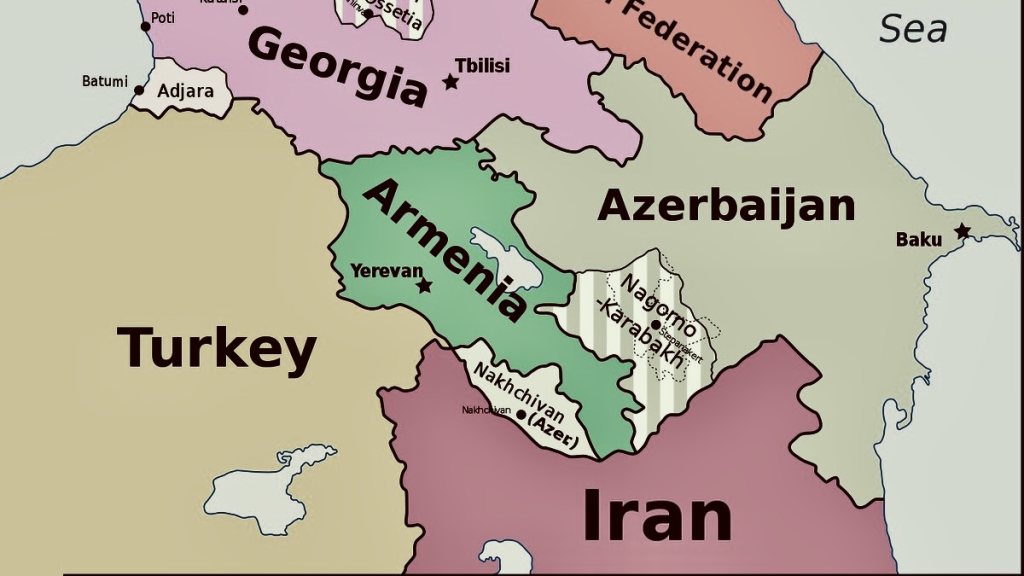
Together with Georgia and Azerbaijan, it makes up the region of South Caucasus. Landlocked, it is the 6th most mountainous country in the World. With the likes of Bhutan, Nepal and Kyrgyzstan.
Its geography has made Armenia a junction between continents, and natural meeting point for diverse cultures, religions, and empires. Leaving a lasting imprints on its history and identity, both good and bad.
Arriving at Yerevan
I landed at Zvartnots International Airport at about 12.10 pm. Fast immigration, queue control with automated number assignment and service minded staff. I was queried about my visit to neighbouring Azerbaijan, and I understood the concern, knowing of their historical and recent conflict. They spoke in clear English and despite the questions, there was a keenness to welcome visitors to come over.
Yandex into the city
I took the Yandex ride to the hotel, and the driver spoke with an American accent. He had been on the green card in the States but returned to Armenia to fulfil mandatory 2 year military service. He then met a local girl, married and now has 2 kids. He is happy, with no plans to head back to the States.
Ride was around 13 km and came to 10 AUD with tips. There was also Airport bus and transit van to the city on a regular frequency and in front of the arrival hall. The van ride was slightly over 1 AUD. The ride-hailing revolution is such a welcome phenomenon for those keen on travel to far and lesser-known places where language can be barrier.
A taxi ride from the airport showed the old World, no different to many emerging countries. As we approached the city outskirts, conditions of road and neighbourhoods improved significantly.
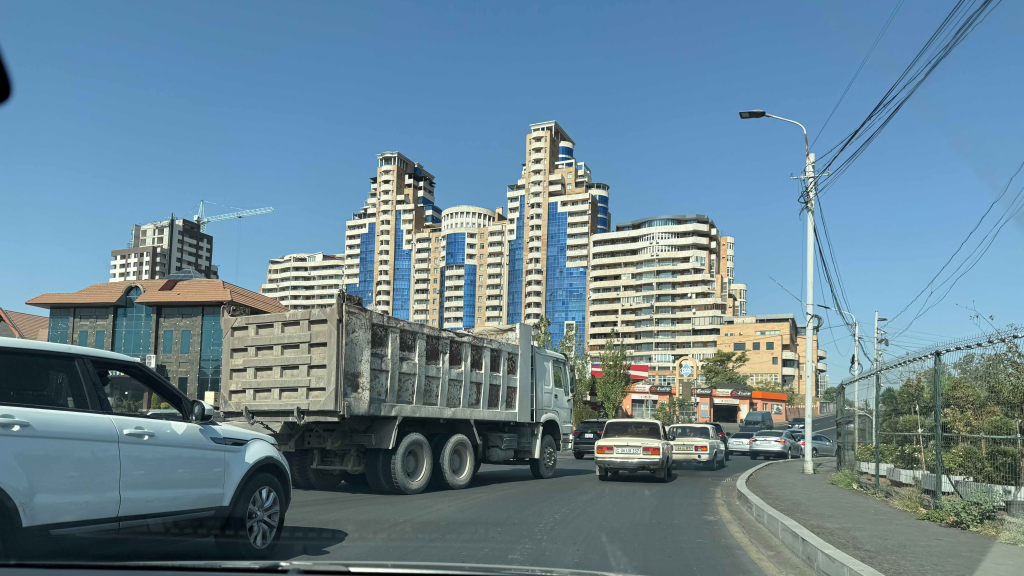
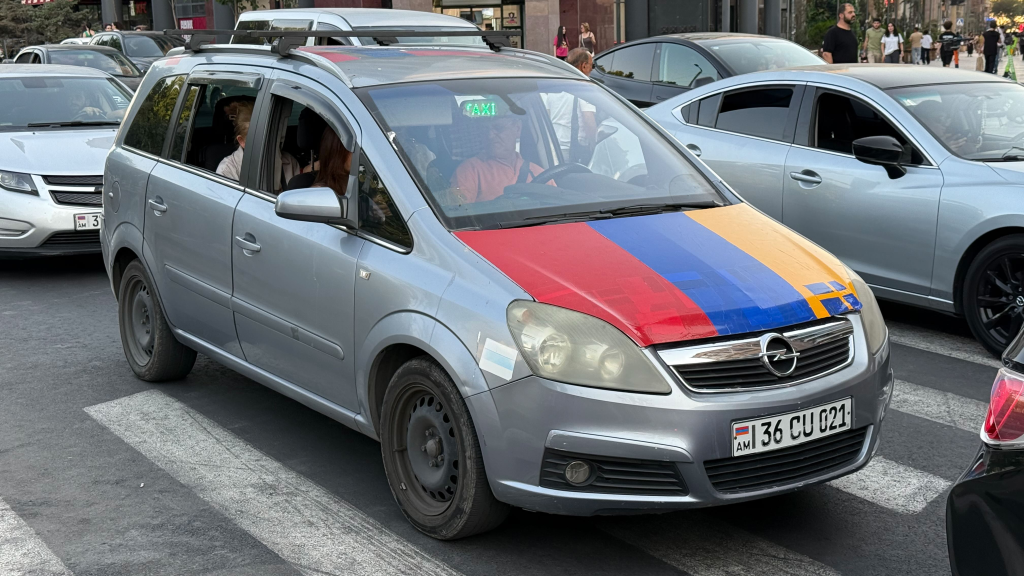
Traffic became heavy and slowed considerably. Plenty of Soviet-era low rise apartment blocks, sidewalks filled with people and parks. There were signs of upgrades and renovation of small retail shops and eateries.
City in 3 parts and the colour pink
The city is made up of 3 distinct areas. The city centre, the immediate surrounding neighbourhoods and the Kond. All three are very different.
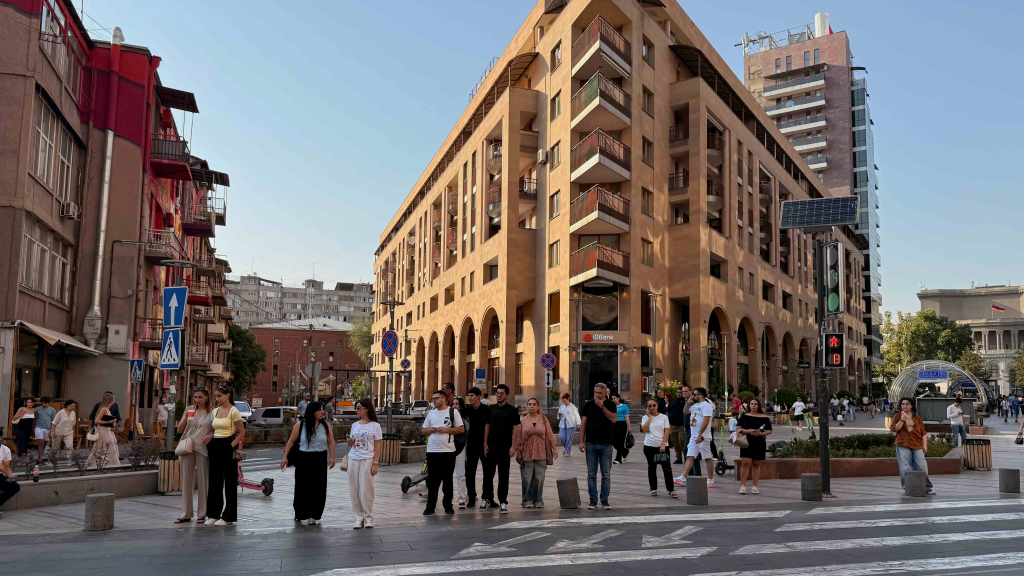
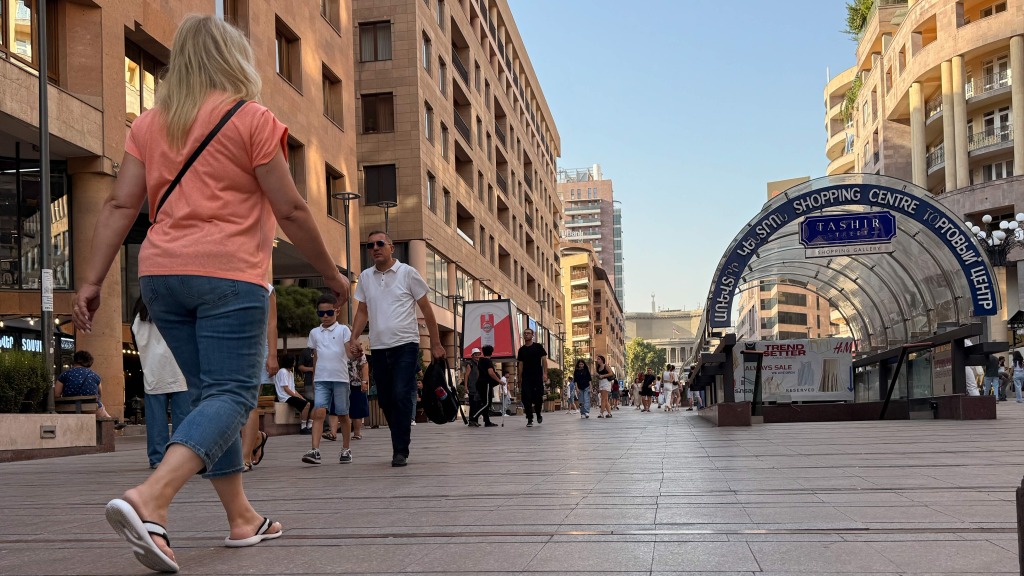
The centre planned in 1924 under the Russians, has a large circular layout with radiating avenues and rings. with a large open centre allowing people to come together and interact.
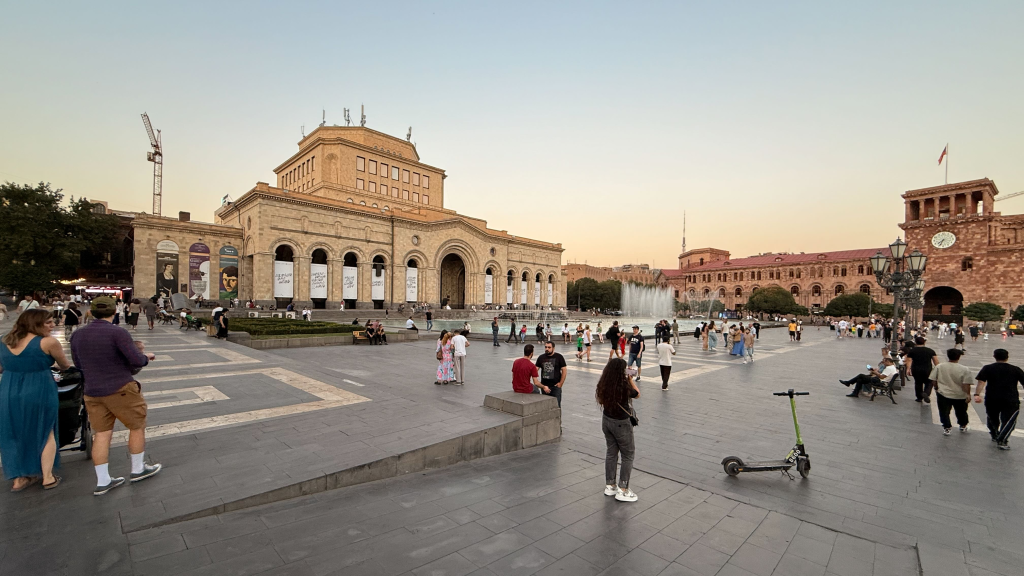
The overall layout intact, progressive upgrades led to contemporary, urban and an elegant centre. It continues to draw both locals and visitors. Republic Square and Northern Avenue stood out. The underground mall running the length of Northern Avenue made possible the wide boulevard above. It showed good planning that used the 1924 layout as a valuable blueprint for a modern city centre.
The surrounding neighbourhoods is the second area, and are older , with Soviet era low-rise buildings of the past, with one major difference. The pink hue of buildings dominates unlike other Soviets-era building in other countries in the region.
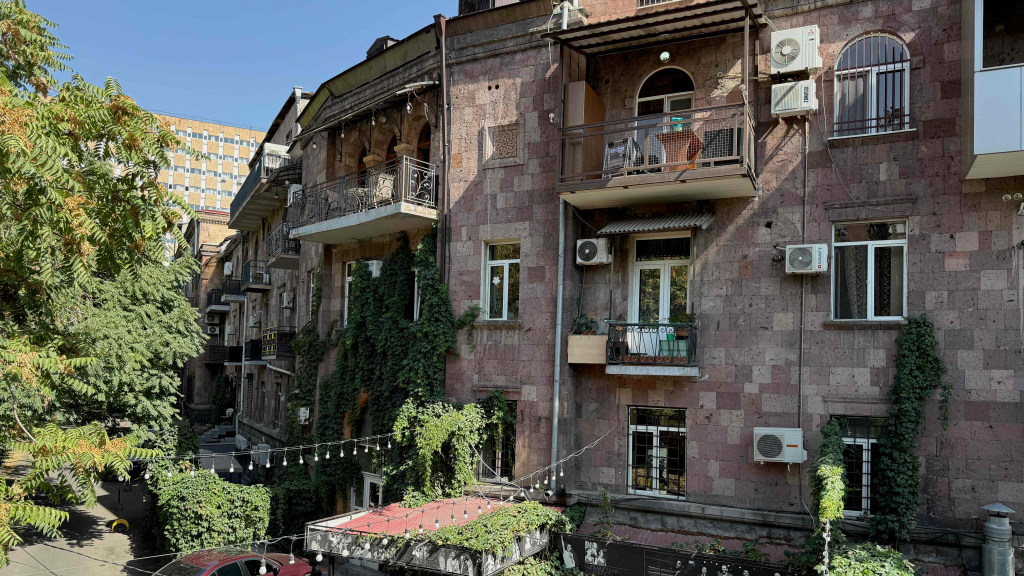
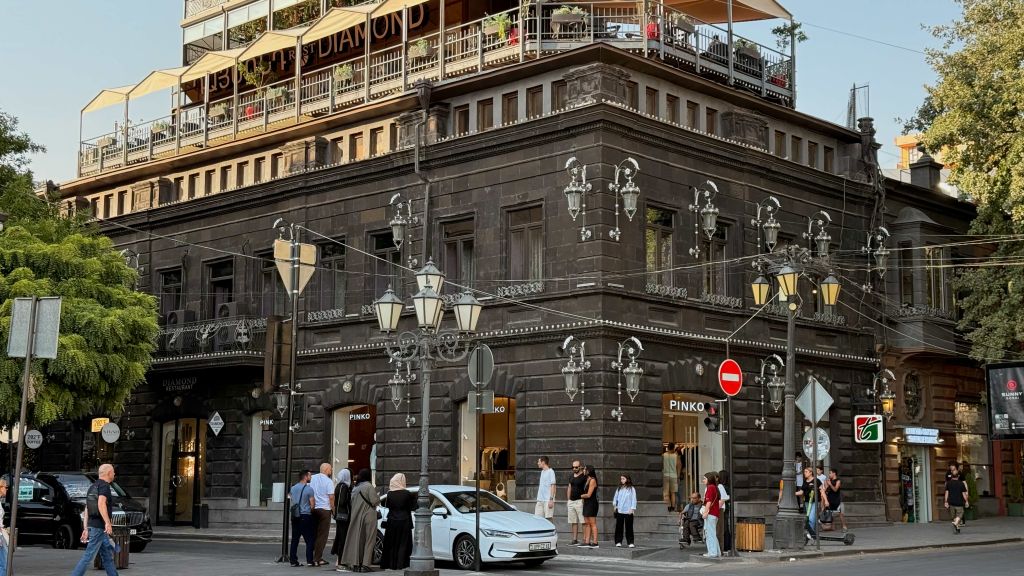
The pink-colored tufa stone used in many government buildings and apartment blocks dotted the city. This volcanic rock, unique in hue, bathes the city in a pinkish-orange glow especially at sunset. It is no surprise that Yerevan is often called the “Pink City.” There is also black-coloured tufa stone used in other buildings which too gave a nice finish.
There were plenty of shops and cafes, many were basements conversions in recent decades. Certainly, walkable and liveable. Everything I saw was affordable.
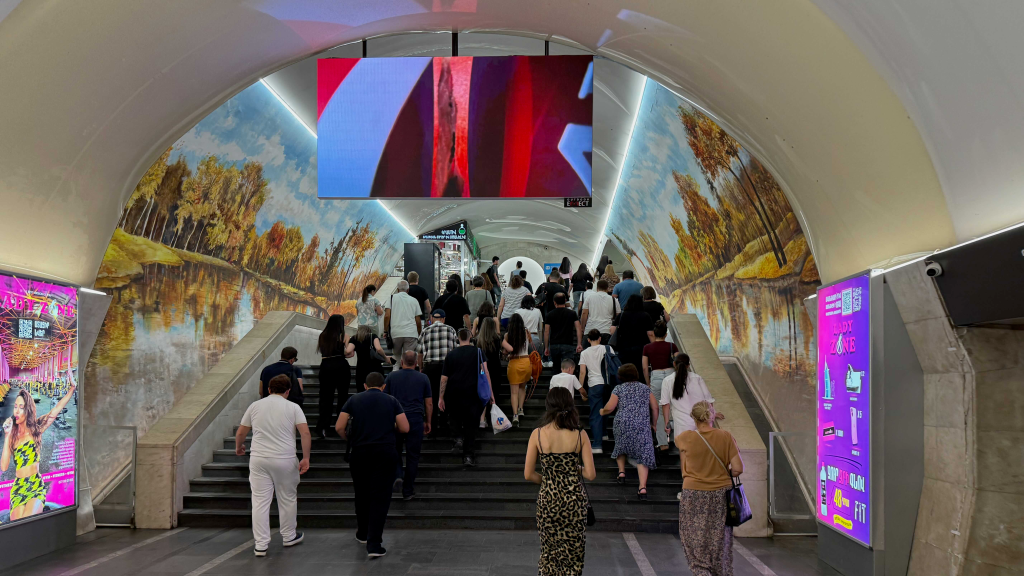
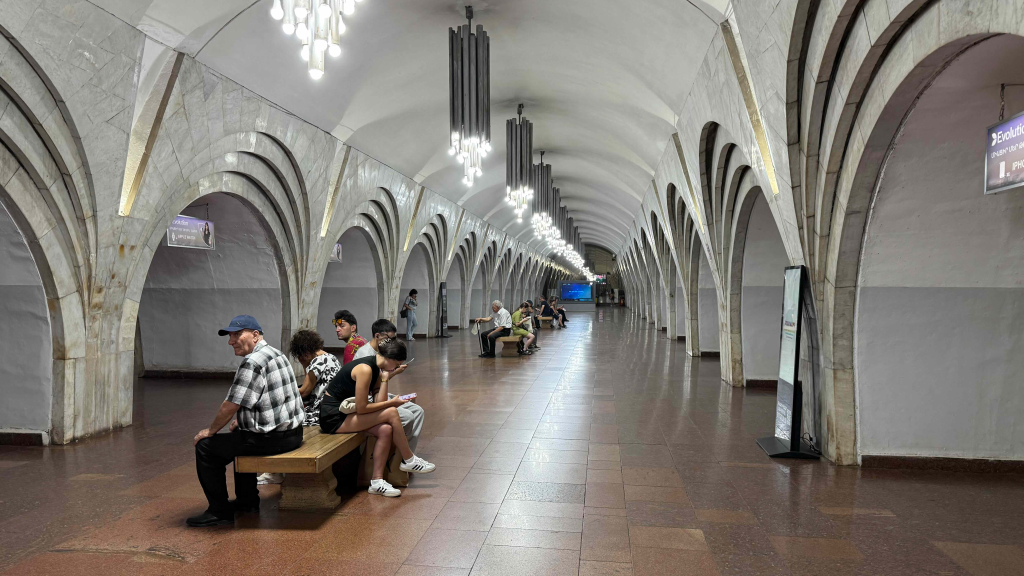
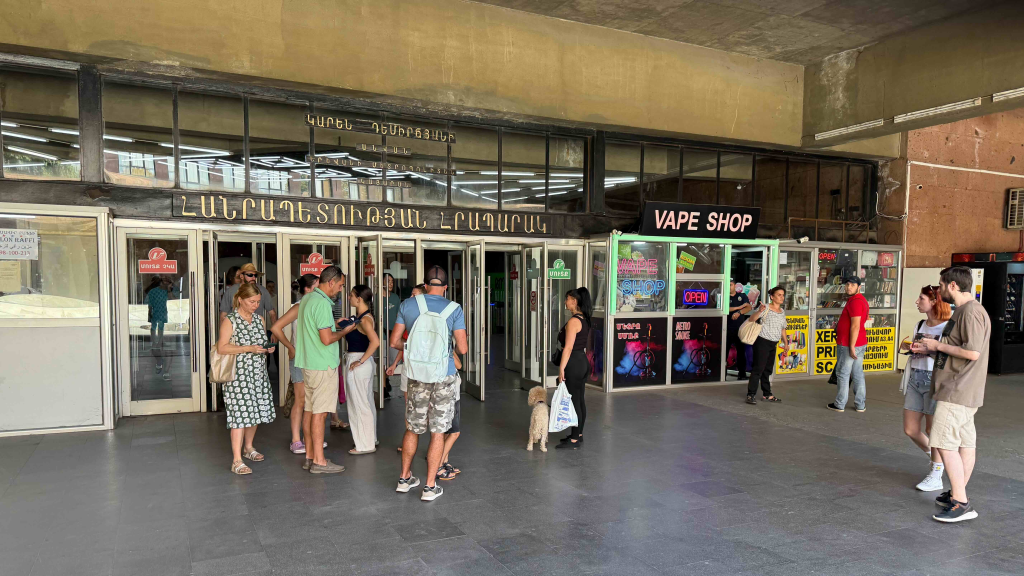
The city and the surrounding neighbourhoods are served by a metro and bus service. The metro however showed no sign of Soviet era art work unlike its neighbours or it was removed. It was just plain and decent. A ride was AUD 0.30. one way. The buses were a mix old and new. The newer ones were of Chinese make and mid-size.
The Kond – a world left behind
Kond is the 3rd area, confined by design, a distinct labyrinth of narrow, winding streets, often only 3–4 feet wide, with irregular houses, wooden doors, and asymmetrical brickwork. Zinc roofs kept in place with heavy stones. They are shacks and hovels.
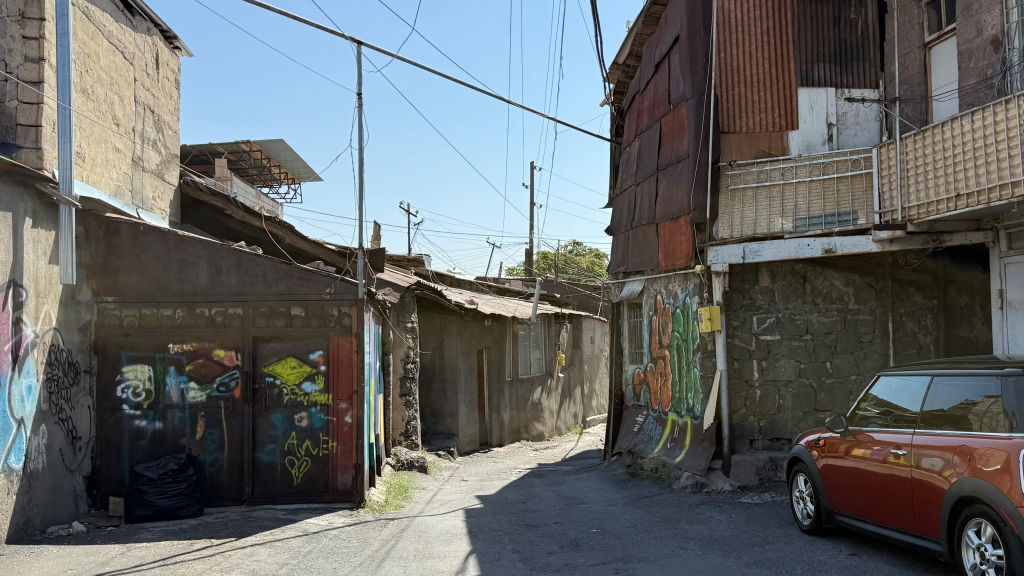
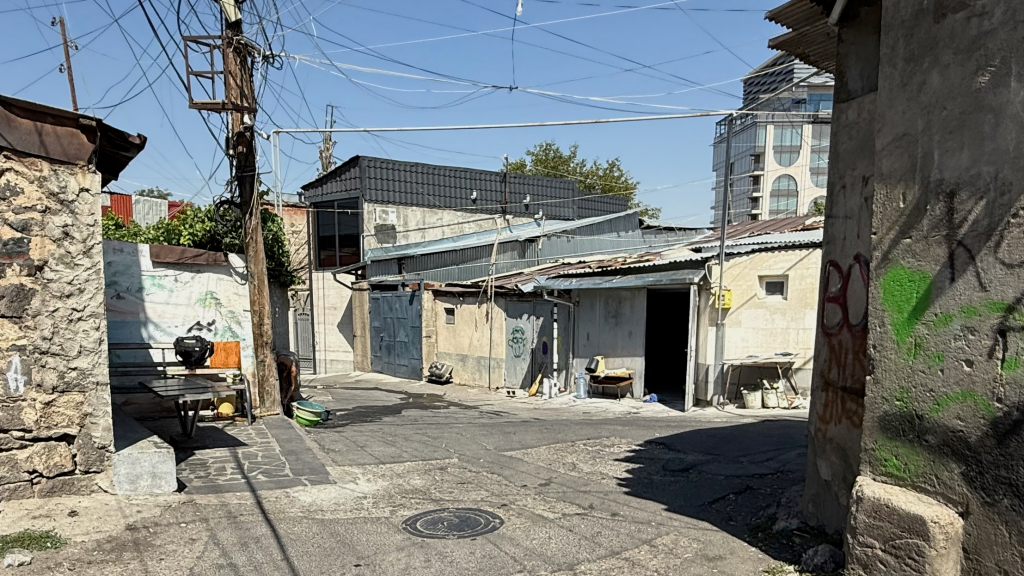
The Kond’s layout remains largely unchanged since the 17th century, making it a living museum of Yerevan’s past. Survivors of the Genocide and the people of Roma heritage made their homes here. And so did other groups of underclass over the decades who needed a roof over their heads.
The people
Armenians are an Indo-European ethnic group indigenous to the Armenian Highlands of West Asia. Dark straight hair and eyes, with fair to light olive skin, they have a distinct look.
The population has become highly homogeneous. Not organically but driven by historical sectarian events. One of the rare countries or the only one that came a complete circle as many countries becoming progressively diverse.
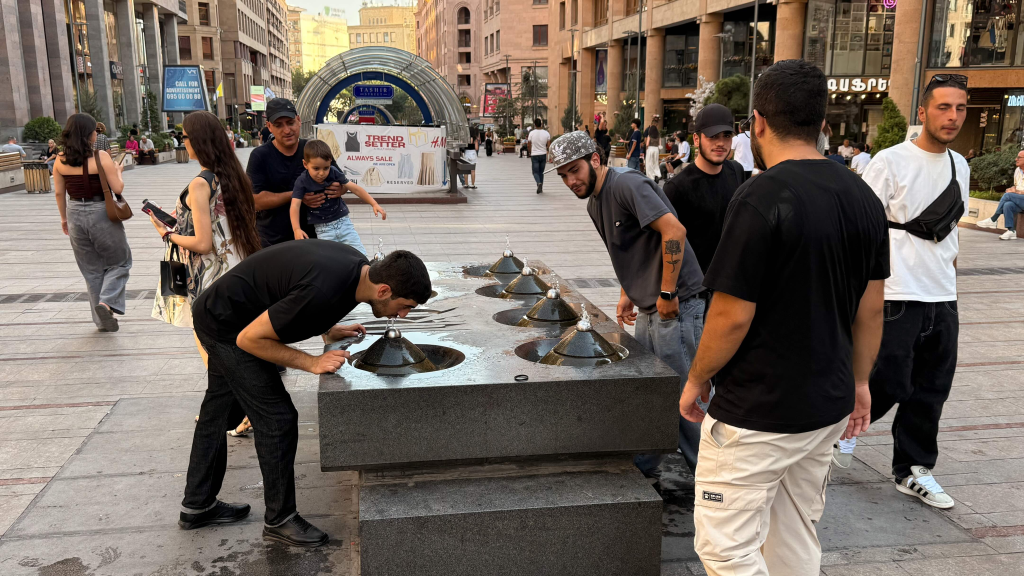
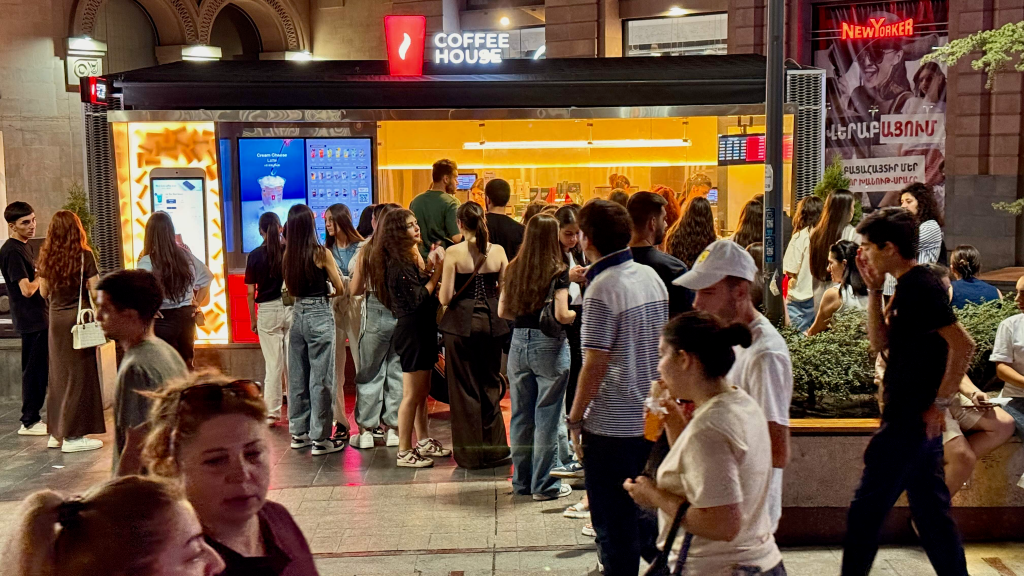
Armenians comprise about 98% of residents, with Yazidis as the largest minority. Followed by small communities of Russians, Assyrians, and others. Like homogenous Japan, Korea and China, everyone looked the same in terms of physical features. Unlike their neighbours.
Armenian identity
The Armenian language has its own branch of the Indo-European language family. Written in a unique alphabet created in 405 CE by Mesrop Mashtots, which remains a cornerstone of national identity.
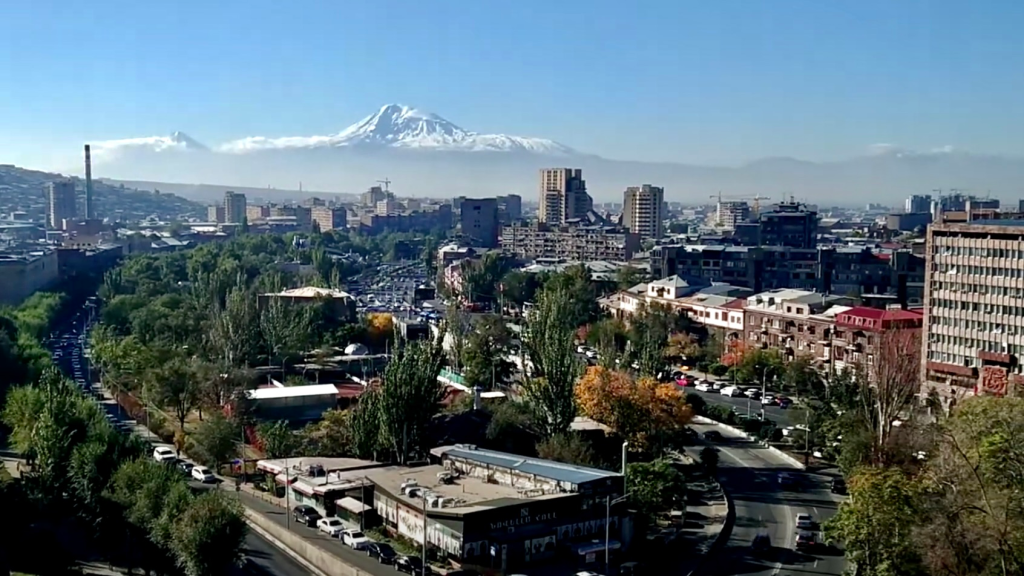
Armenia was the first country to adopt Christianity as a state religion and this was in the early 4th century. Most Armenians belong to the Armenian Apostolic Church. Then comes the snow capped Mt Ararat. It is no ordinary mountain for the Armenians. Though across the border in present-day Turkey, Mount Ararat remains a symbol of Armenian identity. It is the same mountain associated with Noah’s ark.
Ethnicity, language, religion, Mt Ararat and their difficult history help form the Armenian identity of today. Even among the diaspora.
Two tragic events of that difficult history are the forced deportation in 1604 to 1605 to Iran by the Shah of the Safavid empire. Their homes and cities plundered and destroyed as they left. Referred to as Great Surgun or Great Exile. All in the pursuit of a military tactic of creating a scorched earth buffer zone with their adversary, the Ottoman empire
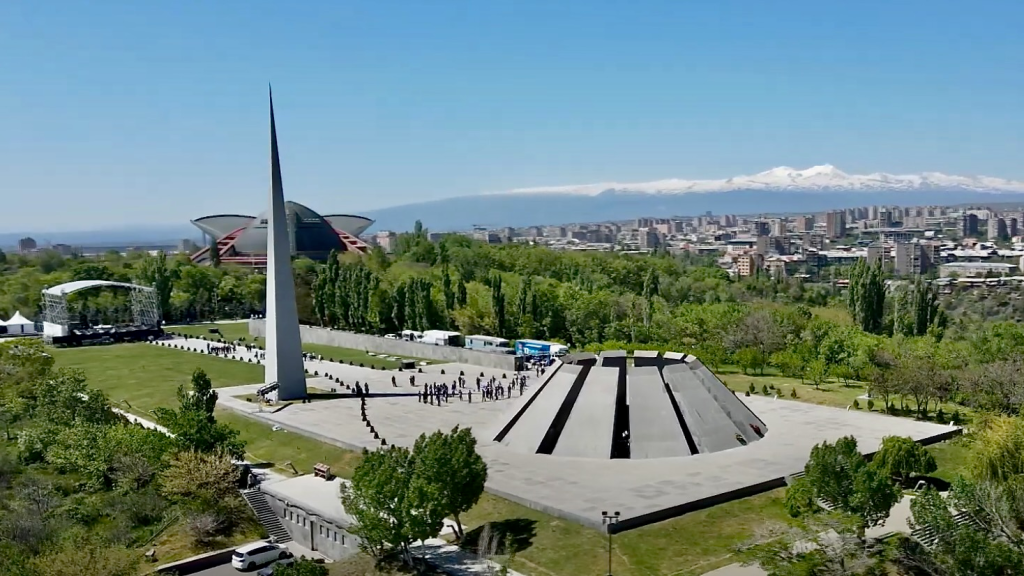
The second event is the Armenian Genocide by the Ottoman Turks between 1915 to 1916, resulting in the deaths of 600,000 to 1.5m Armenians. The Turks feared they were in league with their Christian counterparts in Russia at the start of World War 1. A tragedy.
Cafes
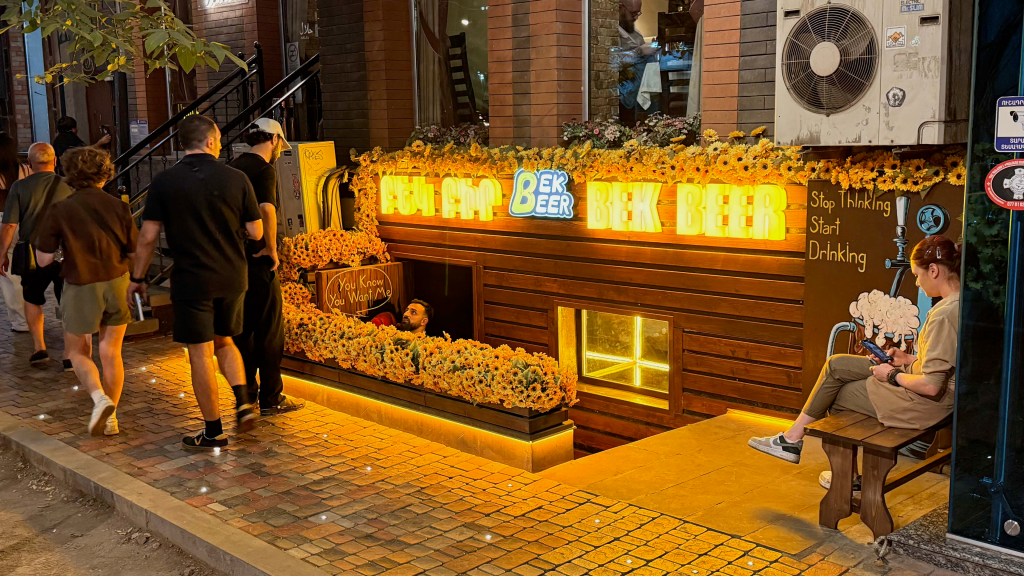
This to me is the most mysterious feature of the city centre. It’s cafes and restaurants. They were everywhere. Big and small, relatively new, tucked into courtyards or spread along sidewalks shaded with trees. No city I have seen comes close. And every one of them had patrons in it. Cuisine is international and trendy. Some served light snacks and bites.
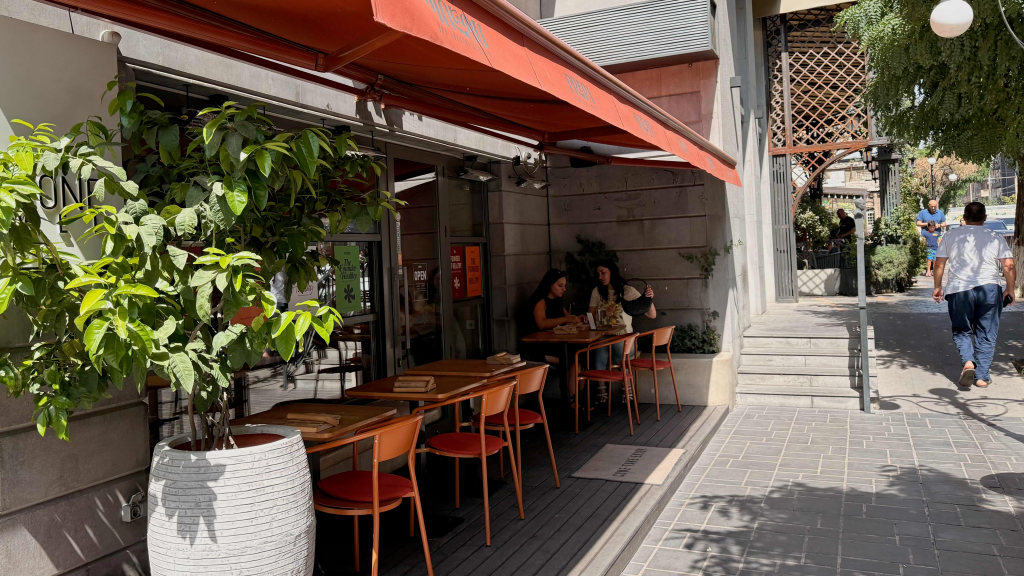
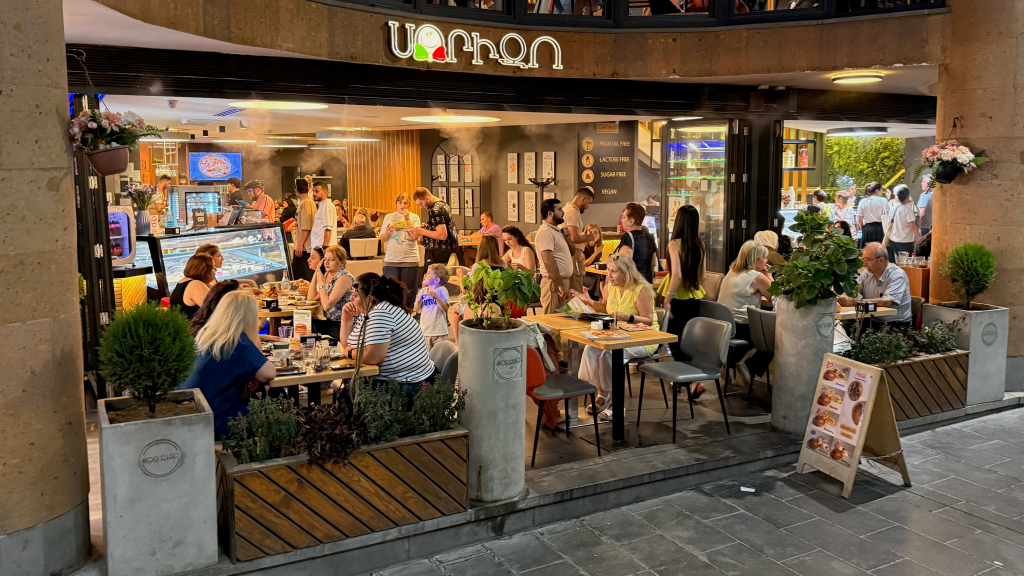
At night, they were well patronised and even packed. There were a number of streets lined with cafes, bars and restaurants. Pushkin Street stood out. It should be mentioned it was a Friday night when I made my rounds.
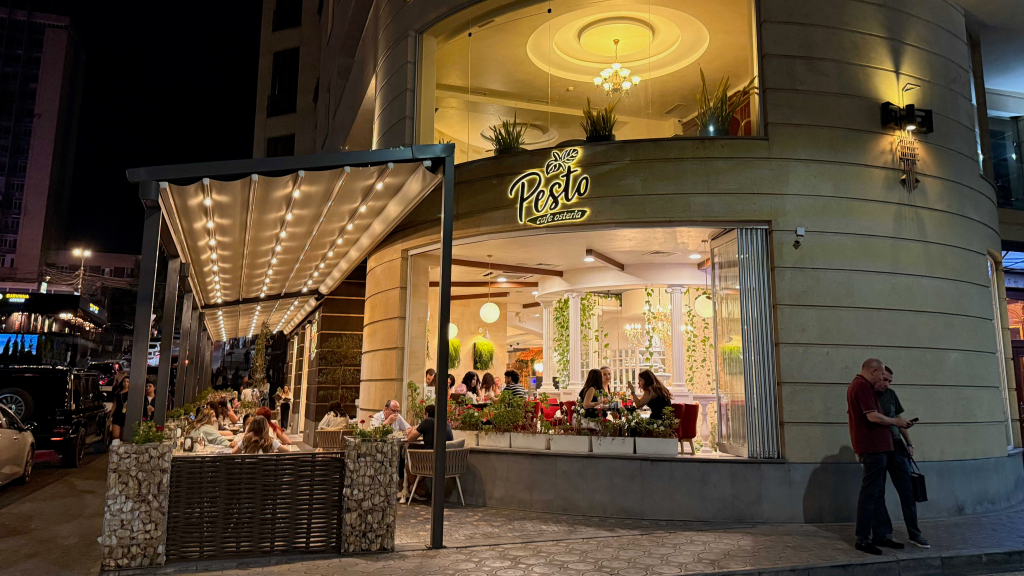
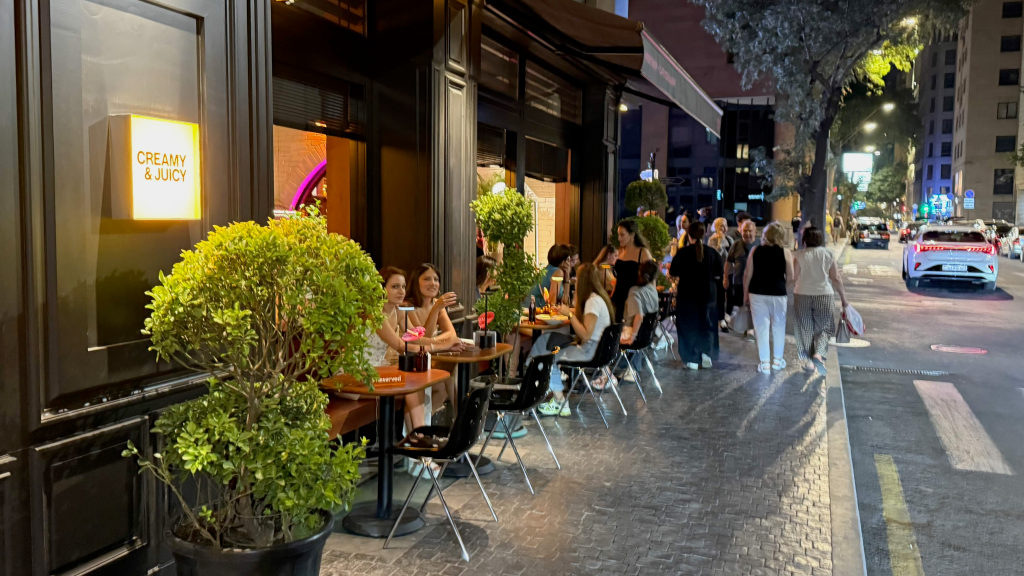
Well designed and fitted, mostly alfresco style but not uniform in look. There is always was some design difference that made each stand out. In many cases work done were clearly expensive.
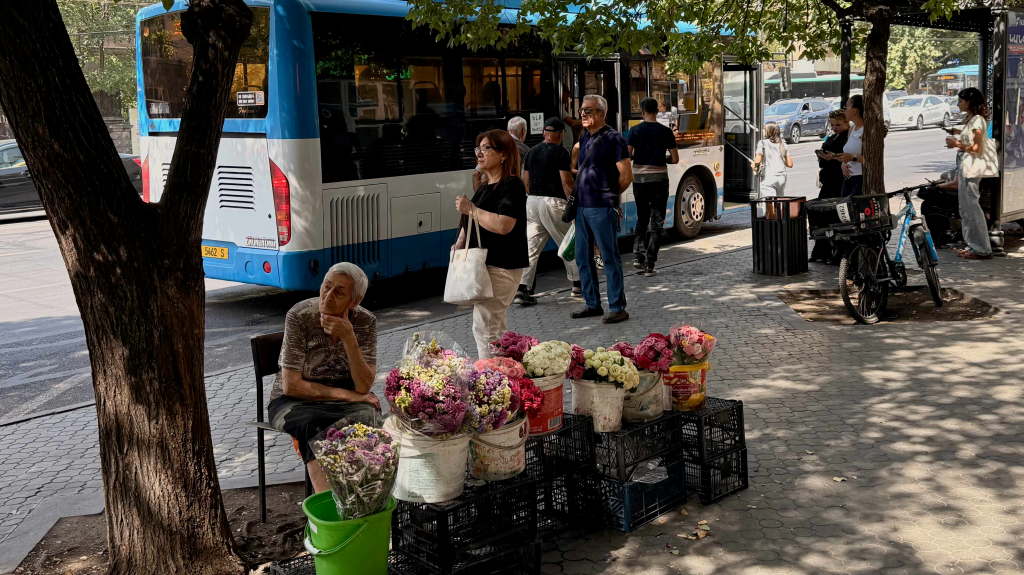
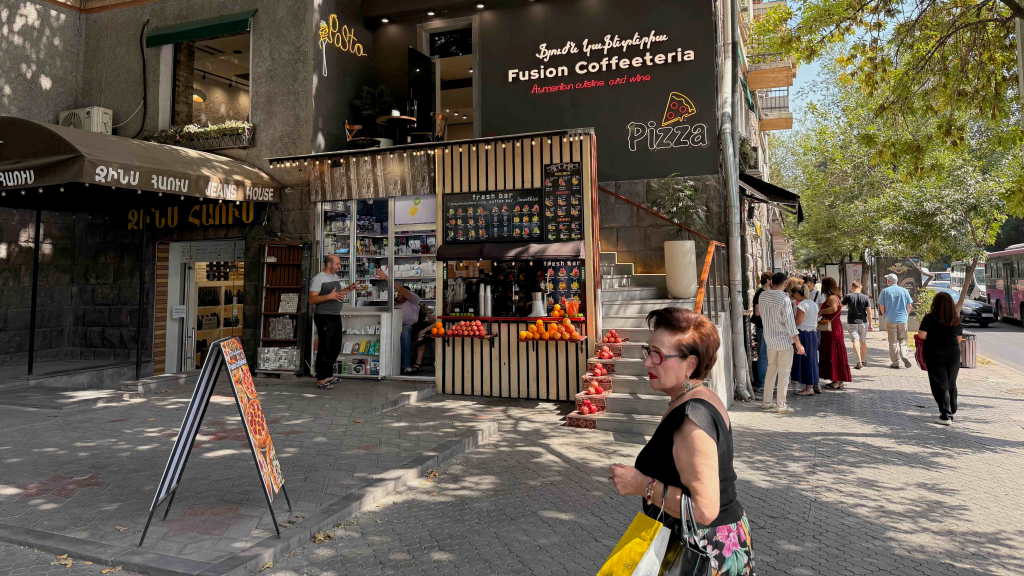
I however did not see street food vendors as well as the popular fast food chains in the city centre during my visit. I am sure there are some. Street flower vendors were however common as well as hole-in-the wall fruit juice vendors.
Places of interest
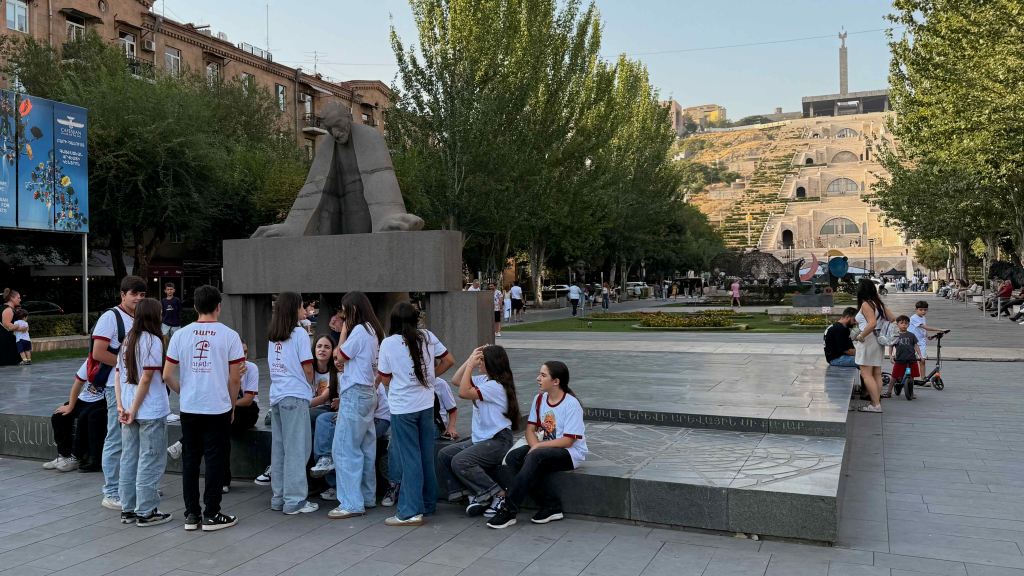
I leave this to the internet which has this well covered both in articles and videos. I would however mention that following for Yerevan. The Kond, the Genocide Complex, the Manuscript museum, the Cascades and the Blue Mosque. These to me are must-visits. And of course, of the City Centre.
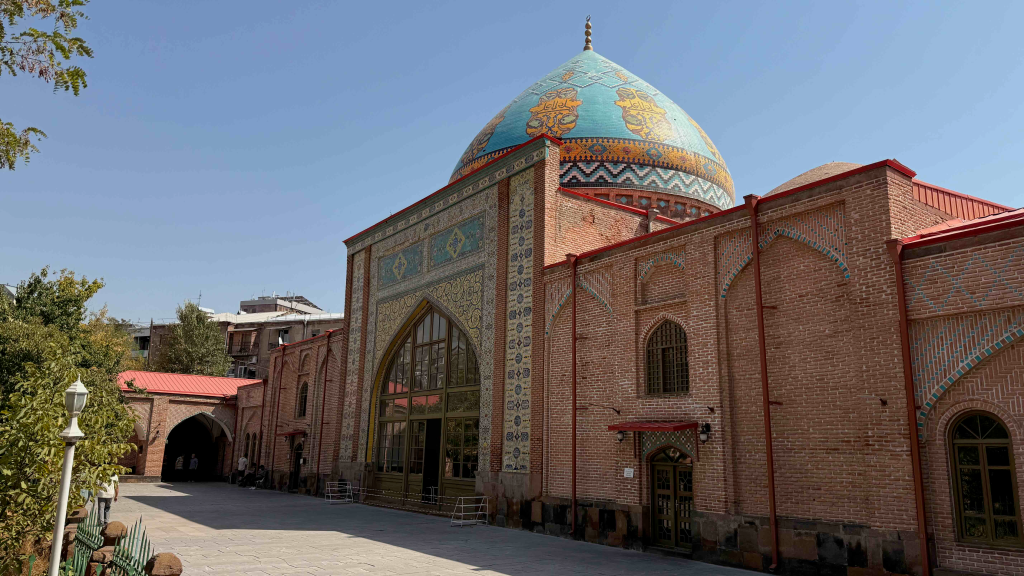
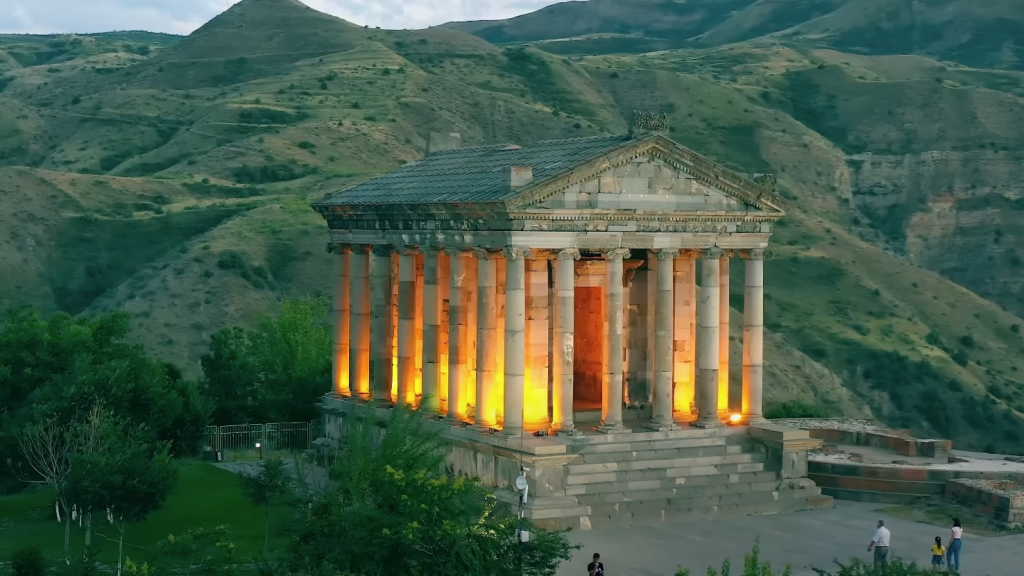
The temple of Garni which is about 30km away from the city is well worth the trip. The Genocide complex is exemplary in terms of design, curatorship and as a memorial cum museum.
Economy and quality of life
Armenia does not have the natural resources like many of its neighbours. No oil and gas nor large tracts of arable land. Agriculture carried the load with 31% of the economy despite the shortage of arable land. You can see its public infrastructure straining and many places outdated including its airport, roads, directional signboards and public buildings. Then you have the toll of defence spend over its neighbour.
They seem to have thrown what they got into the city centre, which stands in stark contrast to the rest of city.
Fashion and cars and the quality of life
Armenia has the widest range of car brands as well by age I have seen in all my travels. From Tesla to 50 year old rust bucket Mercedes. From Bentley SUV to Chinese BYD. No concentration by brand or by country of origin. It was the same with gas stations, from Shell, Gulf, Ran to many others. I wondered if this what Adam Smith meant in terms of a free economy.
Dress sense showed the presence of a reasonable sized middle-income band. On a Friday night, the best dressed matched any big, developed city from Tokyo to New York, both in trend, style and expense. As you went down the income band, fashion held together and you could see much effort had gone into it.
It actually is an encouraging sign in terms of some decent levels of wealth distribution. Unemployment however is very high at 13% and in the last quartile of World ranking. I did wonder if tax collection is an issue as the gap is still considerable or the presence of an illicit economy.
Diaspora and remittance
Remittance from the diaspora is significant to the economy and I am not surprised if this explains the investments in cafes and their patronage.
Unlike the rest of the South Caucasus, rudimentary English is spoken and understood by the younger generation. And English is taught in universities. In fact, like the Yandex driver, some have returned to their homeland. Whenever I heard a foreign accent, I noticed they looked Armenian. I suspect that out of 1.8 million visitors, some are ethnic Armenians from the diaspora, visiting kinfolk or finding their roots.
To complete the picture on visitors, the visitor breakdown is Russia, Georgia, Iran, China, the Philippines and India. The last two are from the large expatriate community in the Gulf, visiting tourists. Mainly due to the relaxed visa requirements and short distance from the Gulf with affordable budget airlines.
The final take
Yerevan on arrival took me by surprise especially by their progress, the city centre layout, ethnic homogeneity and the use of English. Their hold on their history, both good and bad is evident in their national identity.
It is the only country in that wider region that held on to its ancient faith, despite being overrun many times by conquerers of the Islamic and the Orthodox Christian faith. Resilient to the very end.