
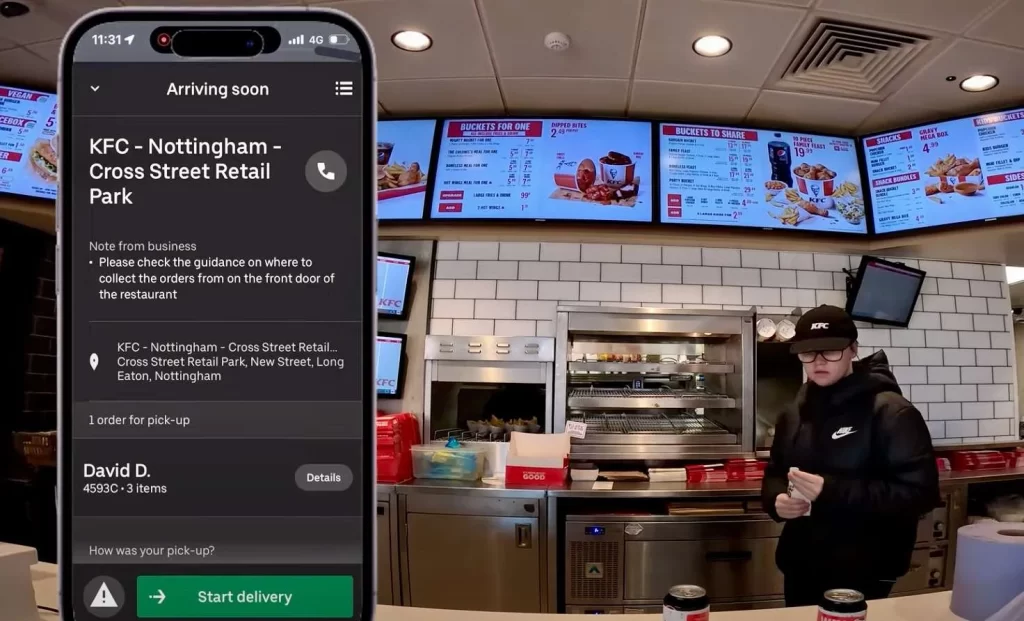
A 30-Month Look Back at a Revolution Still Unfolding
Nearly three years ago, I wrote my first post about the gig economy—a phenomenon that was already transforming how we work, eat, travel, and live. Since then, the pace of change has only accelerated.
What began as a niche way to earn extra cash has become a global force, reshaping entire industries and challenging our assumptions about what “work” means. Today, the gig economy is not just surviving—it’s thriving, evolving, and continuing to attract entrepreneurs, workers, and consumers alike.
Why the Gig Economy Remains Irresistible
- flexible work days and hours as well a sense of independence for an individual
- ability to optimise resources so there is coverage around the clock for the body corporate
- technology related innovations with use of smartphone to recruit, engage and provide the service that benefit the World.
Despite constant legal scrutiny and regulatory battles, the core appeal of the gig economy endures. Why? It comes down to flexibility, independence, and the power of technology. For workers, the ability to choose their own hours and control their schedules is a game-changer. Conventional employment rarely offers this level of autonomy. Even as governments and courts try to define what rights gig workers should have, millions still flock to these platforms for the freedom they provide.
Chronology of changes
- December 2020 – Technology driven food on demand ( the important role of App for the gig economy )
- January 2021 – The Gig economy and its continuing evolution
- February 2021 – Uber’s gig workers and the UK Supreme Court ( the fight to make the worker an employee )
- February 2021 –Gig economy and on-demand work ( continuing the fight in Australia )
- April 2021 – Waves and enablers of the gig economy
- May 2021 – Dark or ghost kitchens of the gig economy
- June 2021 – A remote working city, Adelaide ( how Adelaide is well placed in the gig world for remote working )
- August 2021 – Are gig economy executives a thing yet? ( will there be executives and managers as part of the gig workforce )
- September 2021 – Finding Australia’s dark kitchens
- December 2021 – Uber Eats vs DoorDash Sydney Challenge ( 2 apps and their performance in Sydney CBD )
- April 2022 – Women in the gig economy
- June 2022 – Dark Stores (its emergence and likely demise)
- August 2022 – Ultrafast Grocery ( the new punt for venture capitalist )
- October 2022 – The Zapp model ( gig and non-gig terms, an attempt with employees rather than workers )
- December 2022 – Deliveroo leaves Australia
- February 2023 – Platform workers ( crystallisation of terms “platform” and “platform workers” in the gig dictionary )
- April 2023 – California’s Proposition 22. ( the fight not to convert to employee classification )
For companies, the gig model offers unmatched efficiency. With a distributed workforce available around the clock, businesses can optimize resources and respond instantly to customer needs. For consumers, the convenience is undeniable—food, rides, and services are just a tap away, anytime, anywhere.
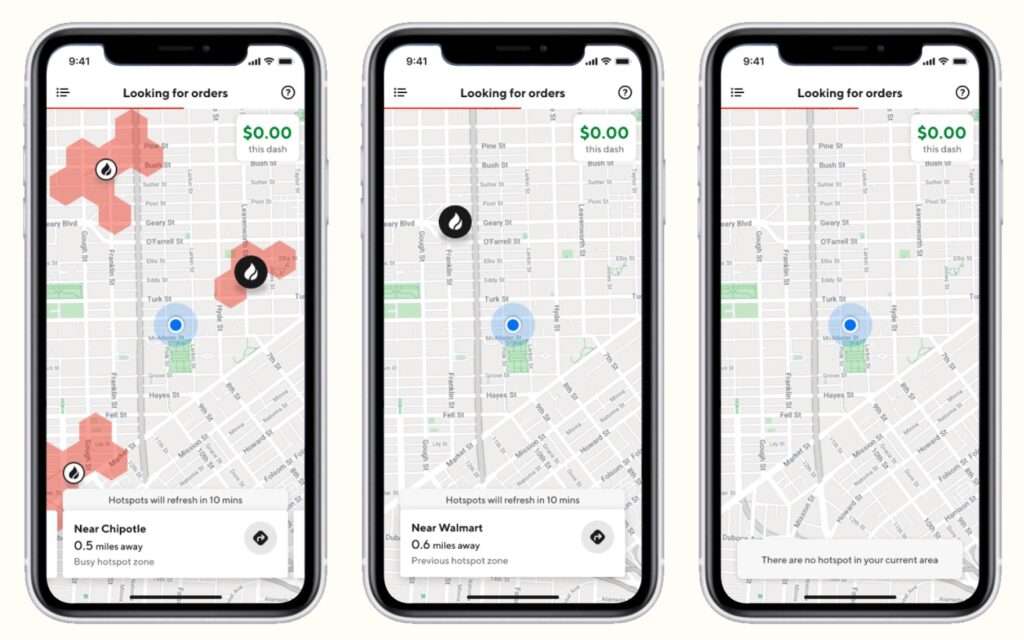
The Smartphone: The Unsung Hero of the Gig Revolution
If there’s one technology that deserves credit for fueling the gig economy, it’s the smartphone. Mobile apps have made it possible for anyone to become a worker or a customer in seconds. Uber and Lyft pioneered this model, but today, nearly every gig platform relies on intuitive, ever-evolving apps to connect people and services.
These apps aren’t just tools—they’re the battlegrounds where companies compete for users. Every few months, new features roll out: faster matching, better tracking, more seamless payments. The innovations that start in gig apps often ripple out to the wider economy, raising the bar for digital experiences everywhere.
A Day in the Life: How the Gig Economy Shapes Our World
Think about your daily routine. Chances are, the gig economy touches it in ways you barely notice. Maybe you order lunch to your office, hail a ride home from a night out, or book a last-minute dog walker. These once-unimaginable conveniences are now part of everyday life.
The impact is visible on our streets: delivery bikes weaving through traffic, ride-share cars pulling up at every corner, and a constant hum of activity as gig workers keep cities moving. The gig economy isn’t just a business model—it’s a living, breathing part of urban life.
Milestones That Mattered: The Gig Economy’s Evolution
- 2008: TaskRabbit launches, making it easy to outsource tasks and find flexible work. Airbnb is founded, revolutionizing travel and hospitality.
- 2009: Uber and Lyft emerge, kickstarting the ride-hailing revolution and setting the template for gig platforms worldwide.
- 2010s: Freelancer platforms like Upwork, Fiverr, and Freelancer.com explode in popularity, expanding gig work into creative and technical fields. Food delivery services such as DoorDash, Grubhub, and Deliveroo become household names.
- 2012: Gig work expands beyond transport and delivery, reaching fields like design, writing, marketing, and more.
- 2017: Legal battles over worker classification intensify, with courts and regulators grappling to define gig workers’ rights
- 2021: Governments begin implementing new protections for gig workers, setting standards for pay, benefits, and safety.
- 2020: The COVID-19 pandemic highlights the gig economy’s resilience, as millions turn to gig work during job losses and economic uncertainty.
- 2022: Major gig companies go public, and the industry consolidates as larger players acquire smaller platforms. In Australia, Deliveroo exits, leaving Uber Eats and DoorDash to dominate.
- 2023: California’s Proposition 22 is upheld, allowing companies to maintain flexible gig models under certain conditions—a landmark for the industry.
To appreciate how far the gig economy has come, let’s revisit some key milestones:
The Pulse of Innovation: App Wars and Market Shifts
The gig economy is a hotbed of innovation, with companies constantly tweaking their apps to attract both workers and customers. Whether it’s new payment options, real-time tracking, or personalized offers, these features shape the user experience and drive fierce competition.
This relentless pace of change isn’t just good for business—it benefits everyone. As gig platforms improve, they set new standards for convenience and efficiency that spill over into traditional industries. The result? A rising tide of digital innovation that lifts all boats.

The Social Side: How We Talk About the Gig Economy
The gig economy is never far from the headlines. IPO announcements, legal rulings, and app updates spark debates on social media and in online forums. People swap tips on the best deals, compare platforms, and share their experiences as workers and customers.
This constant conversation keeps the gig economy in the public eye and ensures that companies stay responsive to user needs. It’s a feedback loop that drives progress and keeps the sector dynamic.
Changing of Themes
- The central role of technology, especially apps, in enabling on-demand services
- The ongoing evolution of gig work, from food delivery to remote freelance roles
- The legal and regulatory battles over worker classification and rights
- The rise (and sometimes fall) of new business models, from dark kitchens to ultrafast grocery delivery
- The growing presence of women and diverse workers in the gig space
- The crystallization of terms like “platform” and “platform worker” as the industry matures.
Looking back at nearly three years of writing about the gig economy, a few themes stand out:
What’s Next? Trends to Watch
The gig economy shows no signs of slowing down. Here’s what’s on the horizon:
- Continued Innovation: Start-ups and established players will keep experimenting with new models, driven by venture capital and consumer demand.
- Market Consolidation: Expect more mergers, acquisitions, and exits as the strongest platforms dominate. In Australia, Deliveroo’s departure is a sign of things to come
- Consumer Choice: Ultimately, it’s customers who decide which models succeed. Their preferences for price, convenience, and service will shape the future landscape.
- Worker Protections: Governments will keep refining regulations to balance flexibility with fair pay and safety. New standards will emerge, but the desire for independence will remain strong among gig workers.
- Corporate Paradox: Interestingly, the people building the gig economy—engineers, entrepreneurs, and venture capitalists—are usually traditional employees themselves. They work in conventional corporate structures, even as they champion the flexibility of gig work.
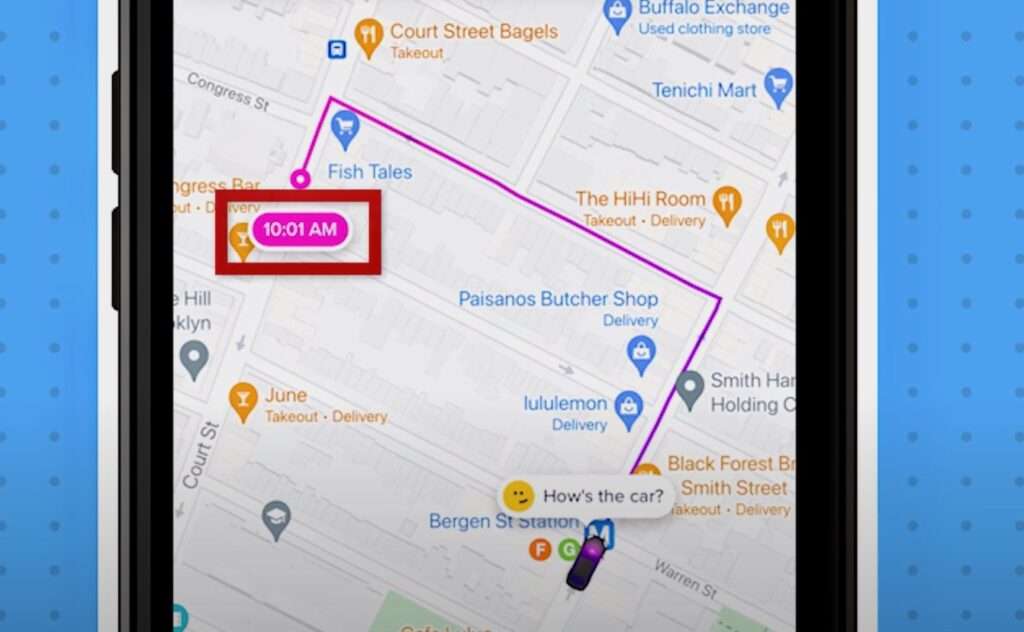
The Human Element: Stories Behind the Stats
Behind every app notification and delivery is a person making choices—about when to work, what jobs to take, and how to balance gig work with other commitments. For many, the gig economy offers a lifeline: a way to earn extra money, gain independence, or pursue passions outside the nine-to-five grind.
But it’s not without challenges. Unpredictable income, lack of benefits, and the pressure to stay constantly available are real concerns. As the industry matures, addressing these issues will be crucial to ensuring the gig economy remains a force for good.
Conclusion: The Gig Economy’s Enduring Allure
The gig economy has come a long way in just a few years, but its core promise remains the same: flexibility, independence, and the power to shape your own destiny. Whether you’re a worker, a consumer, or an entrepreneur, the gig economy offers opportunities—and challenges—that are reshaping the world of work.
As technology continues to advance and society adapts, the gig economy will keep evolving. Some models will fade, others will flourish, but the spirit of innovation and empowerment at its heart is here to stay. The next chapter is unwritten, but one thing is clear: the gig economy is not just a trend—it’s a revolution that’s still unfolding.