
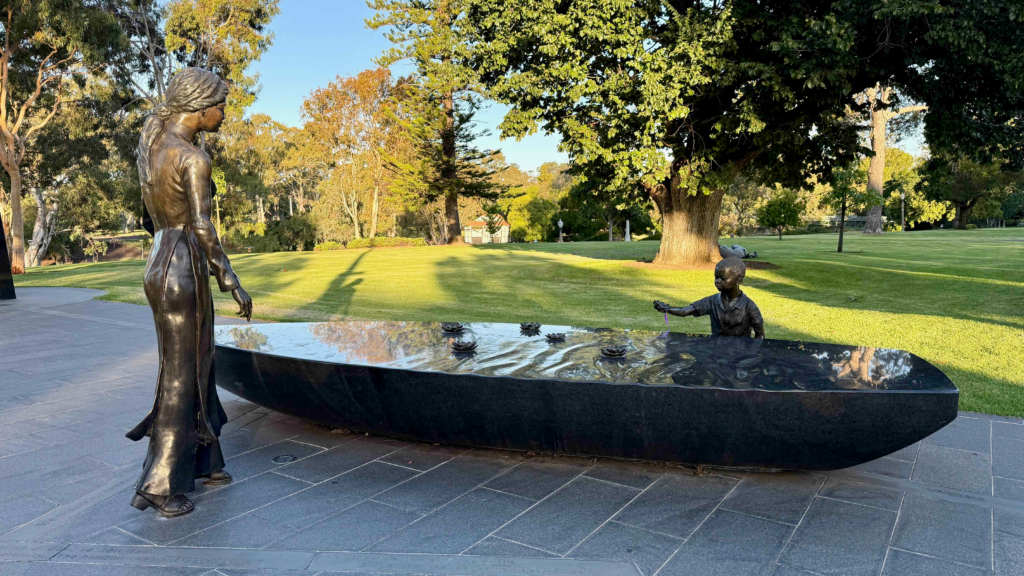
Vietnamese in Adelaide is more than an interesting story. It is now part of the State’s compelling narrative of a migrant community. Very different to any other migrant group that sought a better life. It’s about grit, survival and the unknown. There is no other way to describe their perilous journey to the shores of Australia.
In some ways similar to early migrants to South Australia of the 1800s who were fleeing religious persecution in Europe. In the 1990s to the 2000s, there were others, mainly economic migrants that came by boat, but it was more organised commercial trafficking by criminal syndicates.
My first encounter with Australian Vietnamese was nearly 25 years ago. Within weeks of our family migrating to Australia we visited Adelaide Central Market. They had vegetable stalls. Shortly after I found out that they were into marketing gardening in a big way in Virginia, 30 kms from Adelaide. 90% of Virginia’s market gardens are Vietnamese owned. Virginia plains became food bowl of South Australia.
For years thereon, we bought vegetables from them, and learnt to eat pho at the adjoining food court. Happy to note that the pho stall moved to the next suburb to mine years later. It’s my go-to on a cold winter’s day.
Over the next one year I realised that the Vietnamese had integrated into Australian society. Many holding jobs and positions across the economy. They had become, doctors, lawyer, accountants, pharmacist and tradespeople. By nature, they were a quiet lot compared to the other migrant groups but noticeably hardworking.
The first wave
There were two waves, both the result of the long running Vietnam War. A war where 60,000 Australian troops served from 1962 to Jan 1973. The fall of Saigon in 1975 was the turning point. Up till 1974, Vietnamese presence in the country were spouses of Australians ex-service men, students and adopted orphans.
The first wave were those that were airlifted or fled from Vietnam as Saigon fell. These included children and babies from Operation Babylift in April 1975. One of the or the biggest sacrifice a mother can make is to hand over her baby to ensure a better life for the child. Truly a poignant chapter of that war.
The second wave
The second wave was that of the “boat people” which began a year later in 1976. This had become a phenomenon due to its scale and the distance. Thousands left Vietnam by boat. until 1995, thousands perished on the journey. Boats that were not fit for the open sea and always overloaded.
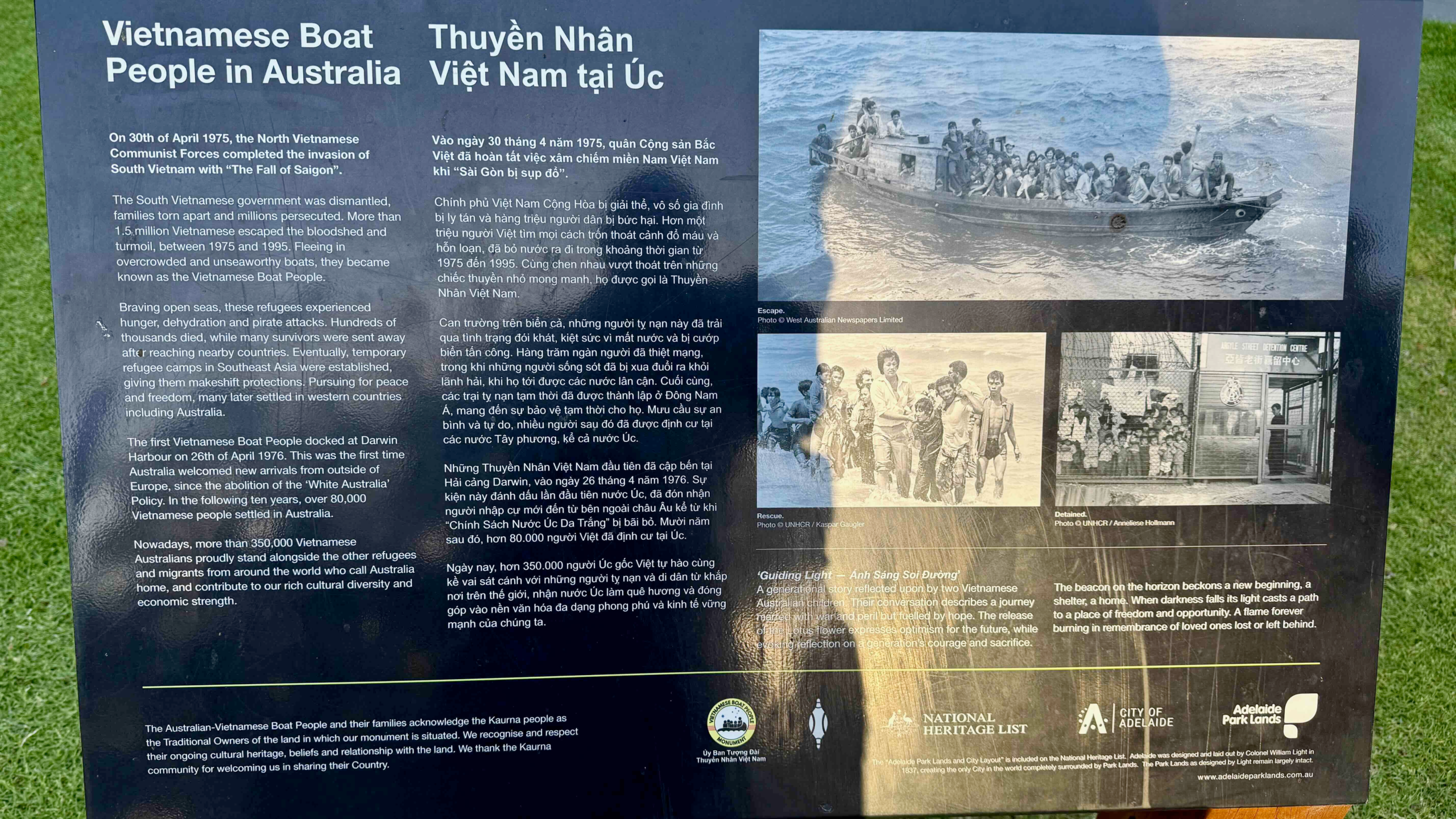
This lot was different as many were ethnic Chinese but lived in Vietnam for generations. They identified themselves as Vietnamese. Persecution followed and they began to be sidelined and they took to the seas in barely seaworthy boats. And many perished in the high seas or fell victims to pirates. Yet the outflow continued for years out of sheer desperation.
There were 2 flows of boat people from the second wave. The first flow were boat people who made it to countries in South East Asia and Hong Kong. They were subsequently re-settled in Australia and other Western countries.
The second flow was the direct arrival of the boat people to Australia. This flow was a much smaller due to distance. Approximately 2,000 people in 56 boats landed in Australia from 1976 to 1988.
The first Vietnamese boat to reach Australia docked in Darwin harbour on 26 April 1976, 50 years ago. The boat was skippered by a 20 year old with no background in sailing with 4 other young men aged 16 to 25. A journey of 3,500 kms.
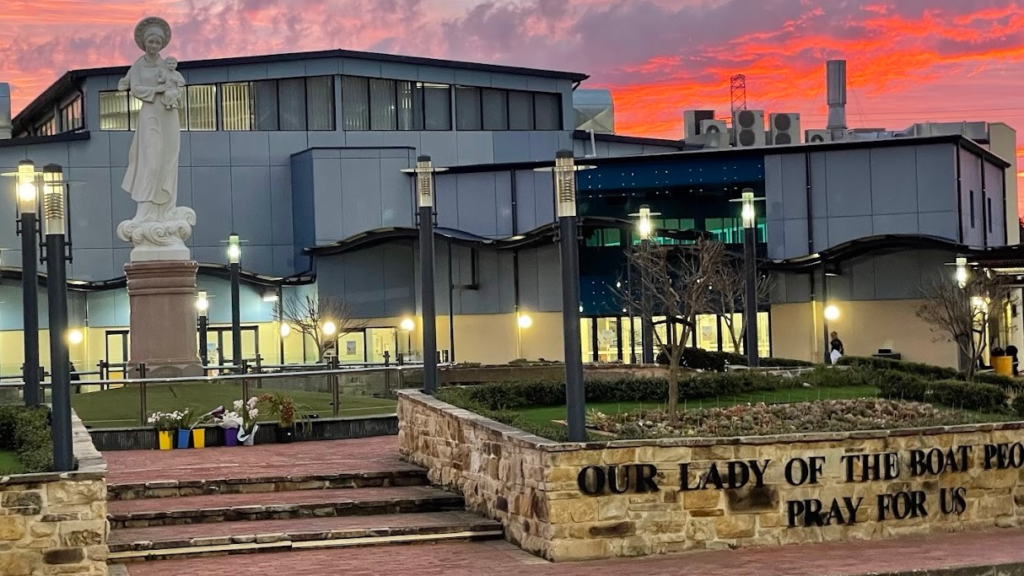
Over the next few years thru UN coordinated resettlement programs, Australia like many nations took in their share of refugees. Mainly from various refugee camps from South East Asia. Hong Kong and Guam. All in all approximately 80,000 came to Australia and many were Catholics.
From Pennington to Government House
One particular boat arrival in 1977 is of note. The 35th Governor-General of South Australia, Hieu Van Le is the first Asian to hold the office. He served from 2014 to 2021. He arrived in Darwin by boat with his wife Lan Le in November 1977. The couple were re-settled in Pennington Migrant Hostel, Adelaide. Do read about his and his wife’s remarkable journey in South Australia and to the official residence, Government House.
Not just in South Australia, he was also the first Asian to hold a vice-regal office in Australia’s history. His story mirrors that of his community: starting with nothing but determination, working incredibly hard, and ultimately dedicating his life to the service of his new home. Today, his legacy is not just in the history books but in the multicultural success story that South Australia represents to the world.
The community comes together
Pennington Migrant Hostel then was the main accommodation site for new arrivals. Previously it hosted migrants from Eastern Europe. The surrounding suburbs of Mansfield Park, Ferryden Park Winfield, Athol Park and Woodville eventually became homes to many of them and where the main community now reside. Pennington allowed them to gain employment in the surrounding factories. They worked as labourers, plant and machine operators as well as tradespeople.
Some moved up to Virginia where they went into market gardening and pig farming. Those with prior tertiary qualifications from Vietnam enrolled in institutions and even in Universities, usually as part-time students while earning an income to support their families.
They seldom made the media in the negative sense with the exception of Police raids on illegal cockfights in Virginia, a cultural trait well known in South East Asia. Cabramatta in Sydney however had a bad reputation for drugs and crime among the Vietnamese in the early years.
Vietnamese restaurants in South Australia
I thought this was odd, unexplained and worth a mention. Unlike many Asian migrant groups who had a tendency to start a food business on arriving in Australia, the Vietnamese despite their numbers kept away from it. The only restaurants served their community. I found it odd. You could easily find Chinese, Thai, Malaysian, Singaporean, Indonesian and even Japanese in Adelaide CBD. That was until the first decade of the new century.
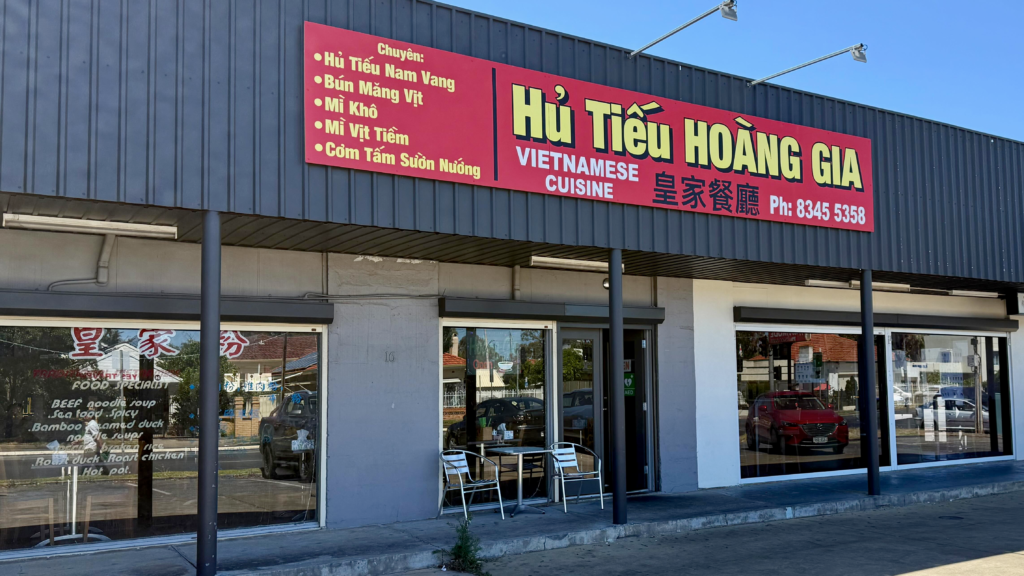
25 years ago, there was one Pho stall in the food court in Chinatown but the bulk were at Adelaide North along Hanson Road, Athol Park, Mansfield Park and Woodville.
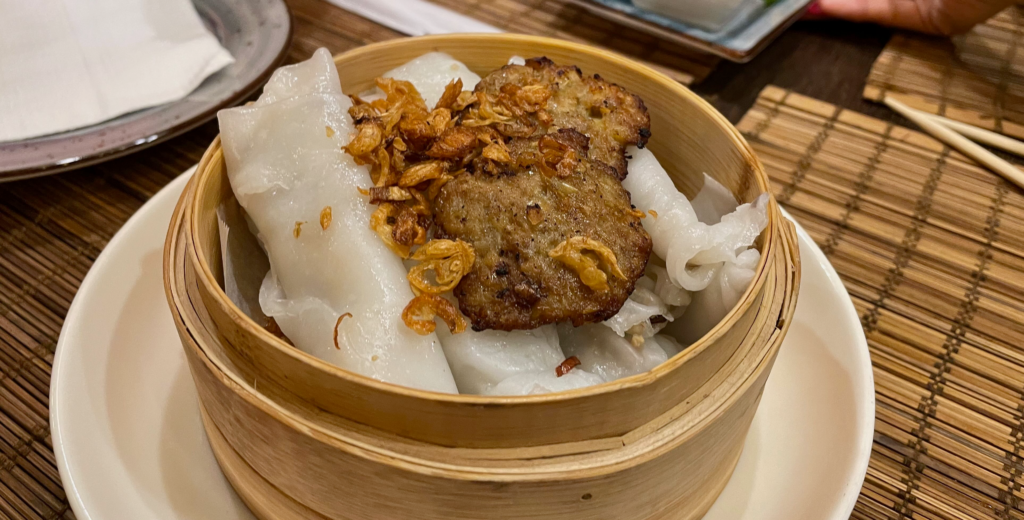
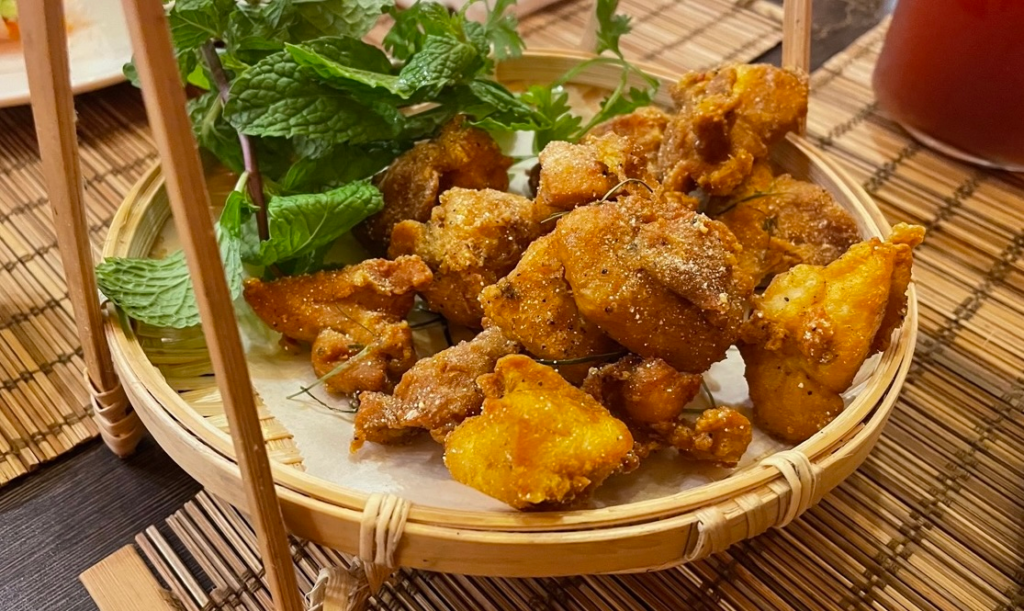
Hanson Road in those days had many, some even next to each other. Though they catered for the community in the main they welcomed all. I do remember our early years with our young family heading all the way to Hanson Road for our Vietnamese food fix. We would have a spread of dishes and not Pho alone.
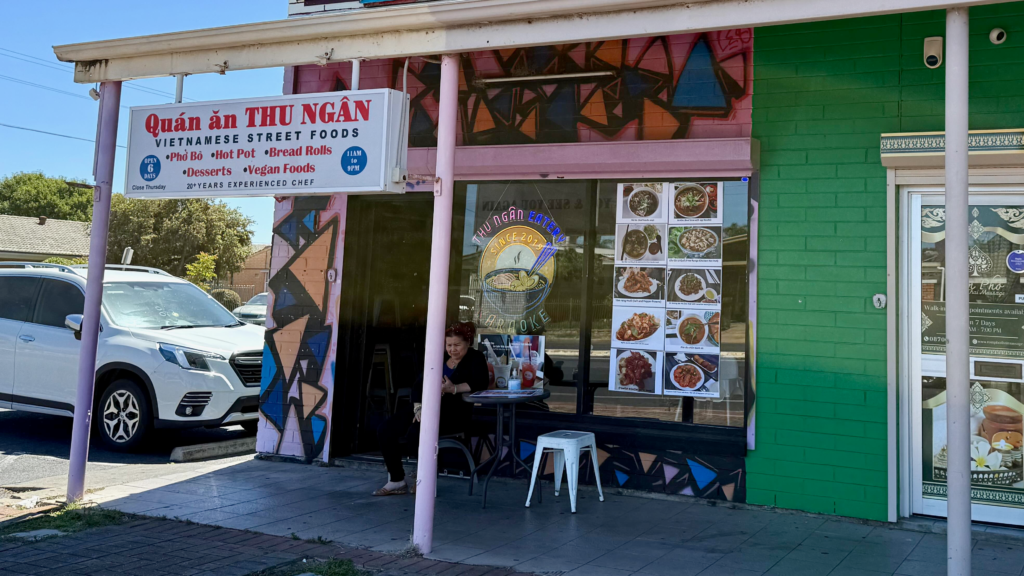
Now all that has changed with Vietnamese restaurants and cafes all over Adelaide including the CBD in recent years. Pho had already found its place long ago. Bahn Mi was next, growing in popularity and finding space among the pies and pasties. Till today I wonder why they did not take to F&B like the others much earlier.
Vietnamese in South Australia today
The story of the Vietnamese in Adelaide is more than just an interesting chapter in our history books; it is a living testament to the power of resilience. From the terrifying boat journeys of the 70s and 80s to the bustling greenhouses of Virginia and the polished dining rooms of the East End, it is a narrative of triumph over adversity.
As we sit down to a bowl of Pho on a cold Adelaide winter’s day or grab a Bánh Mì on the run, we are participating in a story that began 50 years ago with nothing but hope. The Vietnamese community didn’t just find a new home in Adelaide; they helped build a better one for all of us.