

The Kingdom of Bahrain: A Distinctive Jewel in the Middle East
Nestled in the heart of the Persian Gulf, the Kingdom of Bahrain stands apart from its neighbor. In ways both subtle and striking. Though small in size and population, Bahrain’s unique blend of history, modernity, and hospitality makes it a fascinating destination. For travelers seeking an authentic Middle Eastern experience with a cosmopolitan twist.
A Childhood Curiosity Realized
Bahrain has long held a quiet allure for many, myself included. As a child, I often encountered Bahrain in the news.Its name surfacing more frequently than many of its Gulf neighbors. Alongside Beirut, the Lebanese capital, Bahrain was often portrayed as a beacon of progress and internationalism in the region.
This early impression lingered, fueling a desire to visit it. Finally realized when a friend relocated to Manama, Bahrain’s capital. My stay was brief—just three days and two nights. It still offered a window into a nation that punches well above its weight.

Small But Ambitious
Bahrain is one of Asia’s tiniest nations, surpassed only by the Maldives and Singapore in terms of landmass. Despite its size, it has managed to carve out a distinct identity and achieve impressive economic milestones. While its economy is dwarfed by regional giants like Saudi Arabia—Bahrain’s GDP is just 4% of Saudi Arabia’s as of 2022—it boasts a higher per capita income, reflecting a level of prosperity that belies its modest scale.
In the past, Bahrain was the preferred Gulf base for multinational corporations. Thanks to its forward-thinking economic policies and openness to the world. Over time, cities like Dubai, Abu Dhabi, and Doha have risen to eclipse Bahrain’s prominence. The Kingdom despite being resilient and innovative, just does not have the petrodollars like their neighbours.
Economic Evolution and Tourism Ambitions
Historically dependent on oil and gas, Bahrain has diversified its economy with remarkable speed. Oil and gas now account for just 16% of GDP, down from 44% in 2000. The fastest-growing sectors are accommodation and food services, finance and insurance, communications, and retail. Each reflecting Bahrain’s drive to reinvent itself for the 21st century.
Tourism is central to this vision. The government has earmarked $427 million for waterfront development. Including 16 new hotels, 3,000 additional rooms, new beaches, restaurants, and attractions. A new $221 million exhibition center is set to become the largest in the Middle East. Signaling Bahrain’s ambition to reclaim its status as a regional hub for business and leisure.
The country’s impressive waterfront is standout. Visible almost immediately upon leaving the airport, underscores its potential as a destination for travelers seeking both relaxation and adventure..
Preparing for the Journey
Before traveling, I did my usual research: visa requirements, airport transfers, accommodation, and must-see attractions. One detail stood out—the capital city, Manama, is less commonly referenced than the country itself. This is unusual; in most countries, the capital is a focal point of identity. Singapore, similar in size, is another exception.
Another quirk emerged in discussions about taxis. Despite regulations mandating meters and the availability of online payment, many taxis reportedly prefer cash and sometimes avoid using meters or add on surcharges. This peculiarity, frequently mentioned in online forums, prompted me to plan on using Uber (or rather, Careem, the local equivalent) for most of my rides.
Arrival: A Warm Welcome
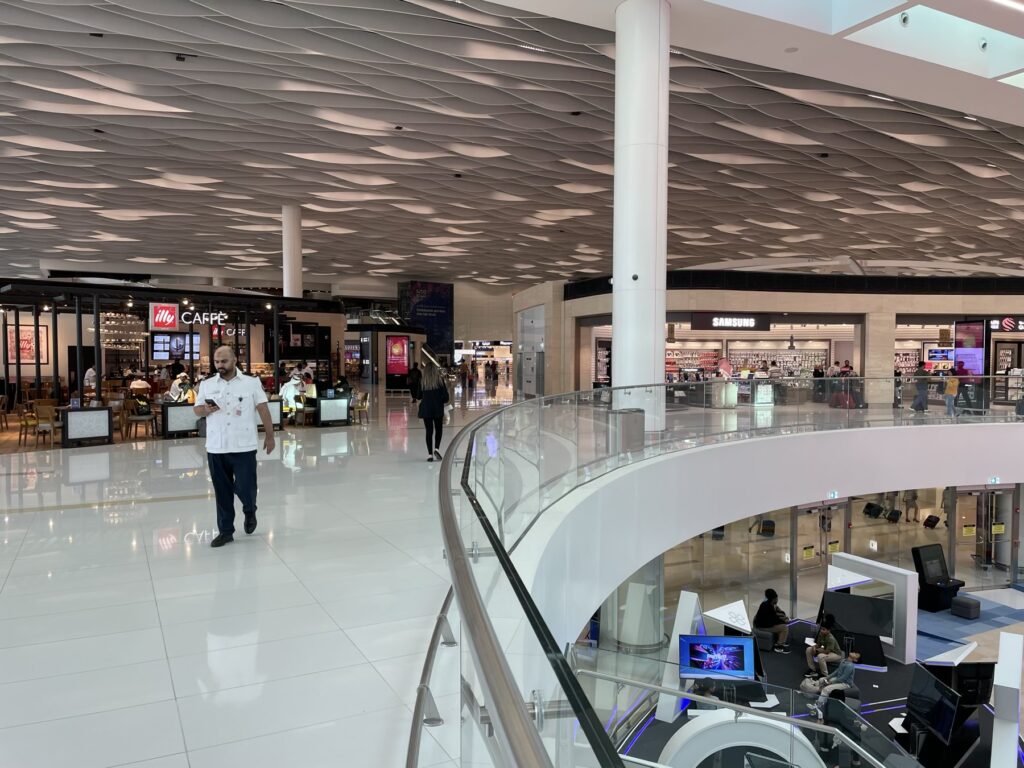
Flying in with Gulf Air, Bahrain’s national airline, I was reminded of the country’s pioneering aviation history. Bahrain hosted the Gulf’s first international airport, once serving as a crucial transit point between East and West.
While it has since lost that edge to regional rivals, the new airport terminal is a testament to Bahrain’s aspirations.
Spacious, modern, and world-class in every respect. It rivals the best airports in the world, yet remains underused due to limited international flight coverage.
Immigration was a revelation. The process was swift, efficient, and conducted entirely in fluent, neutral-accented English. The officer was polite and professional, making the visa-on-arrival process the smoothest I’ve experienced in decades of global travel. This level of service and linguistic competence would become a recurring theme throughout my stay.
The Taxi Experience: A Lesson in Local Economics
My first taxi ride from the airport was both pleasant and instructive. The driver, like most I encountered, was Arab, courteous, and spoke excellent English. He pointed out landmarks and offered dining recommendations, setting a friendly tone. When it came time to pay, he initially asked for cash, then accepted a card, confirming the online advice I’d read.
Subsequent rides, all booked via Careem, were equally smooth. Interestingly, every vehicle was a taxi, not a private hire car, and each driver was professional and helpful. The preference for cash, I learned, is partly due to the high value of the Bahraini dinar. Second only to the Kuwaiti dinar globally.
With one dinar equaling about $4 AUD or $3.66 USD, first-time visitors sometimes tip far more than intended. Making cash payments especially appealing to drivers.
First Impressions: Night Lights and Quiet Streets
Arriving at night, I was struck by the illuminated skyline and the seamless blend of Gulf waters and causeways. The city’s modern architecture and waterfront vistas create a memorable first impression.
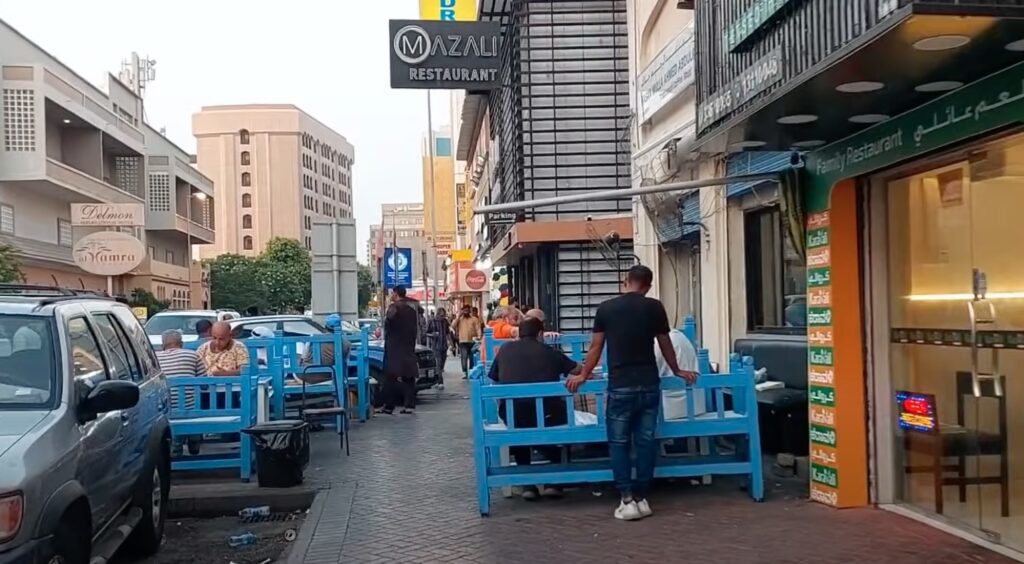
Yet, walking around proved challenging. Outside the compact city center, pedestrian-friendly areas are scarce, and the summer heat is relentless. Unlike Abu Dhabi, Dubai, or Muscat, where urban parks and bustling streets invite exploration, much of Bahrain’s urban landscape consists of empty plots awaiting development. Even the famed Haji Cafe, a cultural landmark, was deserted on the weekend. This lack of street life was surprising for a capital city, though the central business district was livelier and more diverse.
Manama: A Blend of Old and New
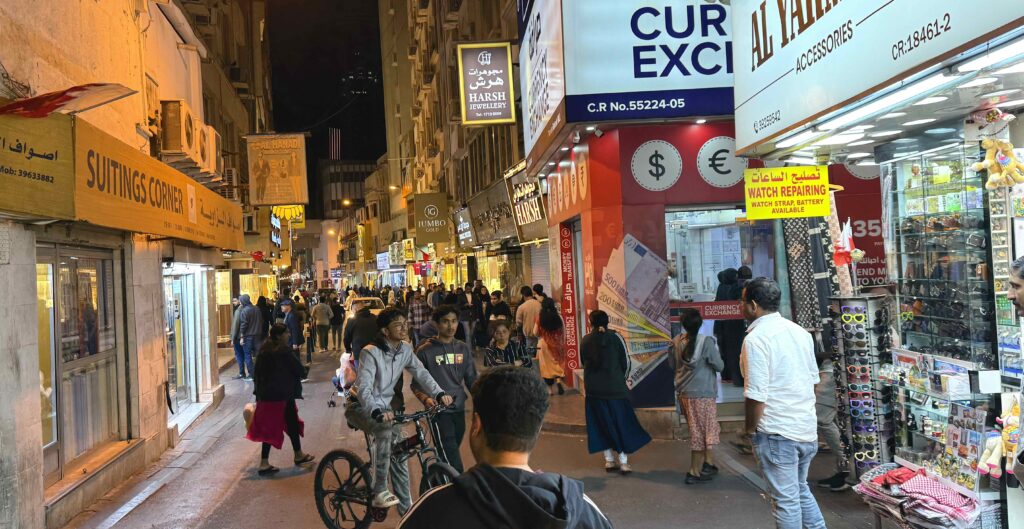
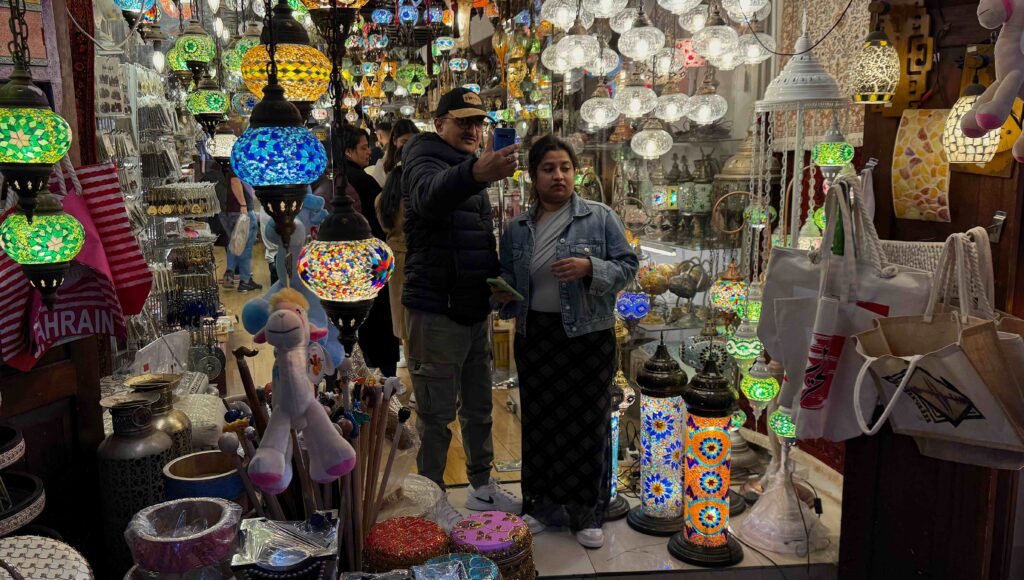
Manama’s city center is a study in contrasts. The roads are excellent, and the area buzzes with activity, reflecting Bahrain’s cultural diversity. The main souq is expansive but lacks the traditional ambiance of markets in Doha or Muscat, instead resembling the bustling commercial districts of many developing countries. Shops cater primarily to families and locals, offering a wide range of goods.
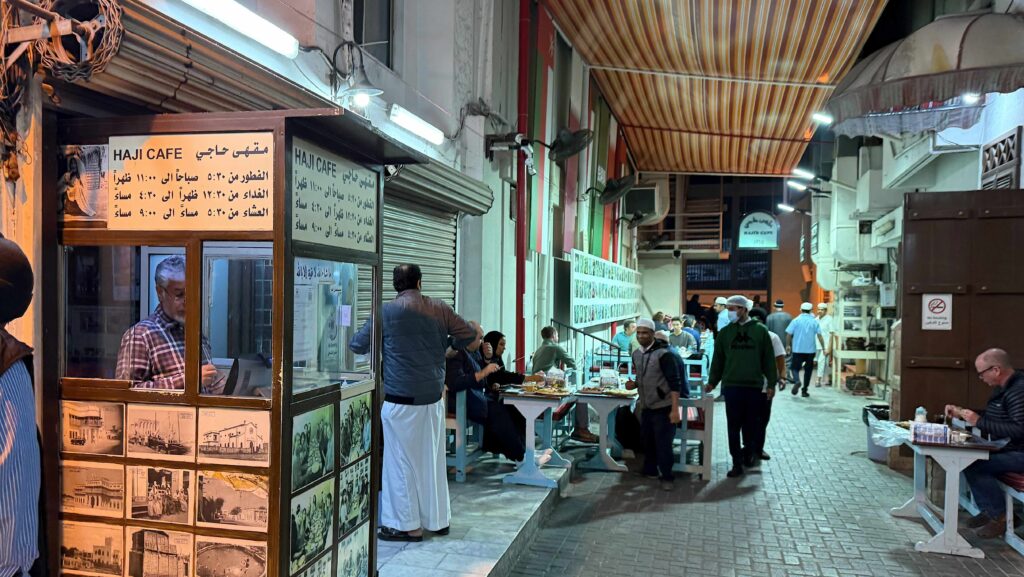
Despite the limited time, I resolved to return and delve deeper into Bahrain’s street culture and historical sites. The country’s blend of modernity and tradition, coupled with its welcoming atmosphere, deserves more than a fleeting visit.
People and Service: Bahrain’s True Treasure
If there’s a single defining feature of Bahrain, it’s the professionalism and warmth of its people. Whether interacting with officials, hotel staff, or taxi drivers, I was consistently impressed by their command of English, polite demeanor, and willingness to help. This friendliness extends to both locals and expatriates, creating an environment where visitors feel genuinely welcome.
Reflections and Takeaways
Bahrain may no longer be the undisputed leader of the Gulf, but its spirit of innovation and hospitality remains undimmed. The country’s efforts to diversify its economy, invest in tourism, and modernize its infrastructure are evident at every turn. While it faces challenges—competition from larger neighbors, a harsh climate, and the need for further urban development—it continues to offer a unique and rewarding experience for those willing to look beyond the headlines.
For travelers seeking a Middle Eastern destination that combines rich history, modern amenities, and genuine warmth, Bahrain is a hidden gem waiting to be discovered. Its compact size makes it easy to explore, while its ambitions ensure there’s always something new on the horizon. Whether you’re drawn by its waterfront developments, vibrant city life, or simply the chance to experience a different side of the Gulf, Bahrain stands ready to surprise and delight.