
Rediscovering Café Culture: A Journey from Humble Beginnings to Global Phenomenon
What comes to mind when you think of a café?
Perhaps the aroma of freshly brewed coffee, the clatter of cups, and the gentle hum of conversation. Yet, the concept of the café has evolved dramatically over centuries, shaped by cultures, trends, and shifting tastes.
Today’s vibrant café culture is a far cry from its origins, and understanding this evolution offers a fascinating glimpse into how we eat, relax, and connect.
The Origins: Where Did Café Culture Begin?
The word “café” is French in origin, meaning “coffee house.” But the term’s boundaries are fluid. Cafés can be eateries, coffee shops, or diners, and sometimes even bistros or delis are lumped in, though each has its own nuances.
At its core, a café is an informal dining spot serving non-alcoholic beverages—think coffee and tea—alongside baked goods, savory snacks, and, crucially, cooked meals. This distinguishes cafés from places offering only ready-to-eat foods.
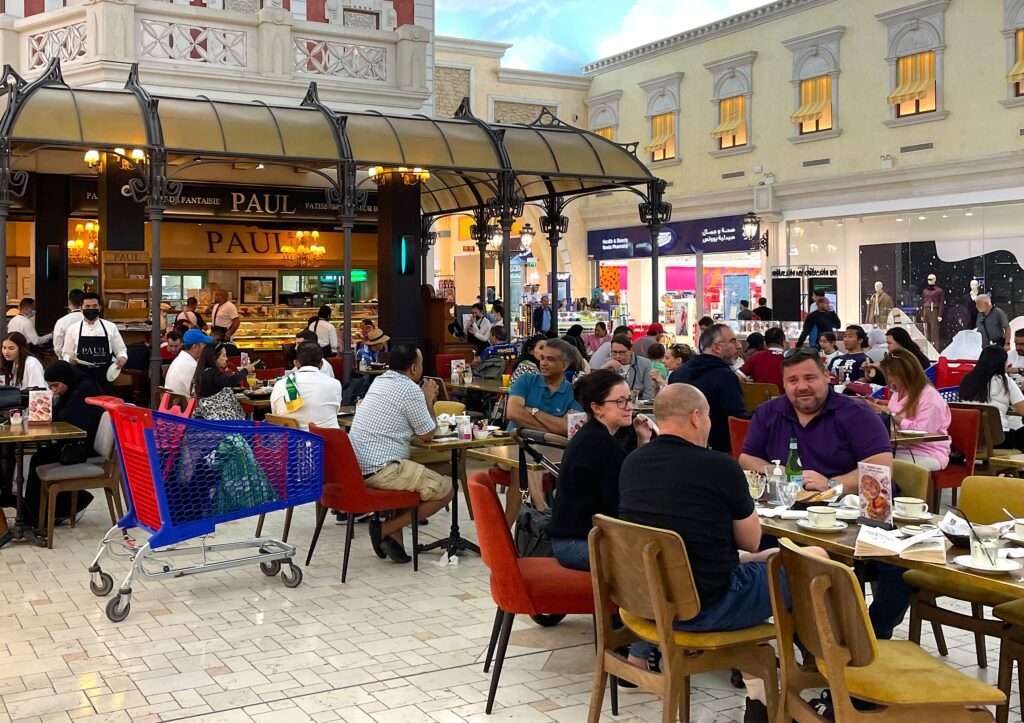
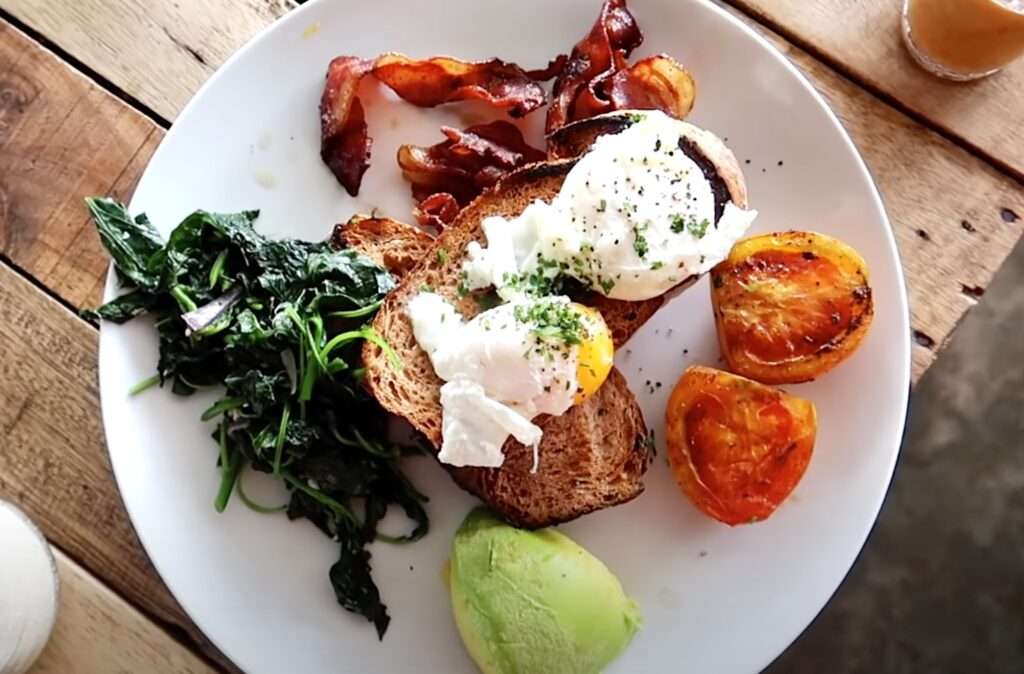
Cafés have always thrived in city centers, offering quick, satisfying meals for workers and locals. Breakfast and lunch are their busiest times, with dishes like poached eggs providing a lighter, healthier alternative to the classic Full English breakfast.
European Roots: The French, Italians, and Americans
Continental Europe, especially France and Italy, shaped the café culture we recognize today. French cafés and their iconic bistros—quaint restaurants serving three-course meals—laid the groundwork for what would become fine dining. However, bistros, with their full-course offerings, are a step above the casual café.
Delis, or delicatessens, have European roots too, but they focus on ready-to-eat snacks rather than cooked meals, setting them apart from true cafés.
Across the Atlantic, American diners function as cafés, albeit with a distinctive look and feel. Their uniform design and focus on short-order cooked meals make them instantly recognizable, though pastries and savory snacks are less prominent.
The British Exception: Pubs Over Cafés
Britain, surprisingly, lacked a strong café tradition for much of its history. Instead, pubs dominated the social and culinary landscape, with alcohol at the heart of the experience.
While some pubs served basic cooked meals—think Sunday roasts—cafés and coffee houses were rare. However, the tide is turning: many pubs are transforming into gastropubs, offering quality food and a more café-like atmosphere.
Beyond the West: Global Interpretations of the Café
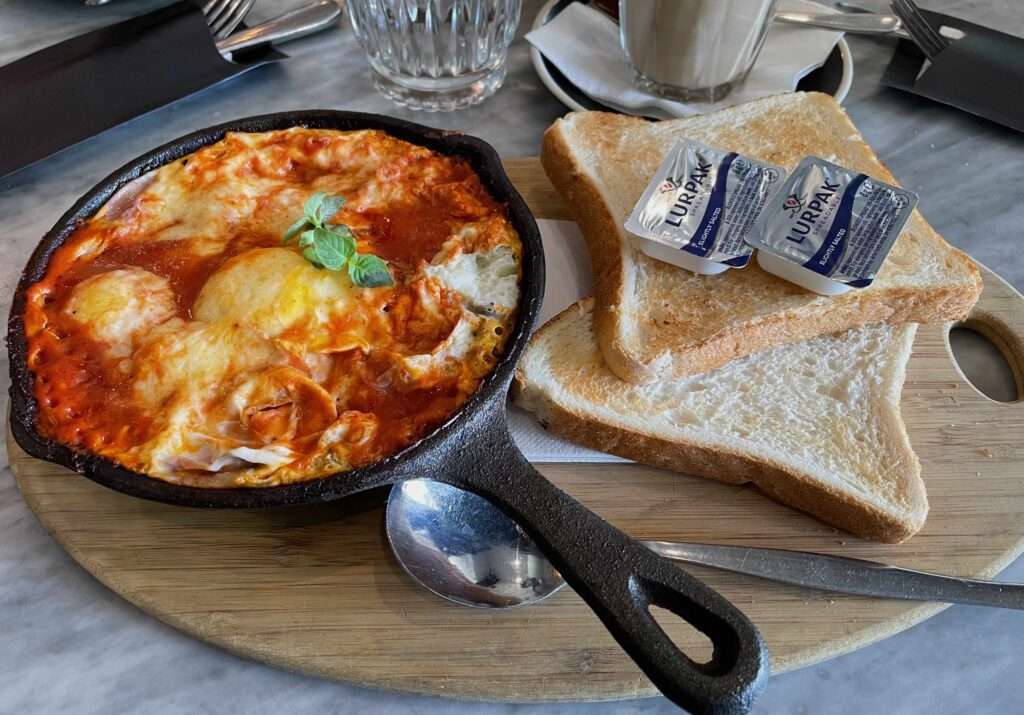
In much of the developing world, the café concept took on unique forms. Instead of “cafés,” these venues were often called coffee shops or their local equivalents. While they served cooked meals, the fare was deeply rooted in local traditions—think filter coffee or tea with condensed milk, and hot, freshly prepared breakfasts, lunches, and dinners.
These establishments were functional, catering to quick meals during the day and serving as gathering places in the evenings, often with beverages and the occasional bottle of beer. The influence of colonial powers sometimes left remnants of Western-style cafés, but local flavors always dominated.

The Hotel Café: A Catalyst for Change
International hotel chains played a pivotal role in globalizing café culture, especially in countries without a strong tradition of cafés. Every major hotel had a café, distinct from its formal restaurants. These hotel cafés offered breakfast, light lunches, and dinners in a simple but stylish setting, catering to travelers and locals alike.
This model inspired local entrepreneurs, particularly in non-Western countries, to open their own cafés near transport hubs and busy street corners. These new cafés boasted modern décor and menus, attracting middle-income patrons seeking something more upscale than traditional street food, but less formal (and expensive) than restaurants.

The Rise of the Coffee Chain: Starbucks and Beyond
No discussion of modern café culture is complete without mentioning the global coffee chains: Starbucks, Costa, Caffè Nero, Lavazza, Tim Hortons, and others. While these chains are often labeled as cafés, they differ in a crucial way: their focus is on coffee and snacks, not cooked meals prepared on-site. The business model centers on high-margin coffee sales, with food offerings limited to pastries and microwave-heated items.
Despite this, coffee chains have exploded in popularity worldwide, becoming fixtures in cities from Sydney to Seattle. They’ve carved out a unique niche in food culture, even if they don’t fit the traditional café mold.
The Modern Café: A Global Phenomenon
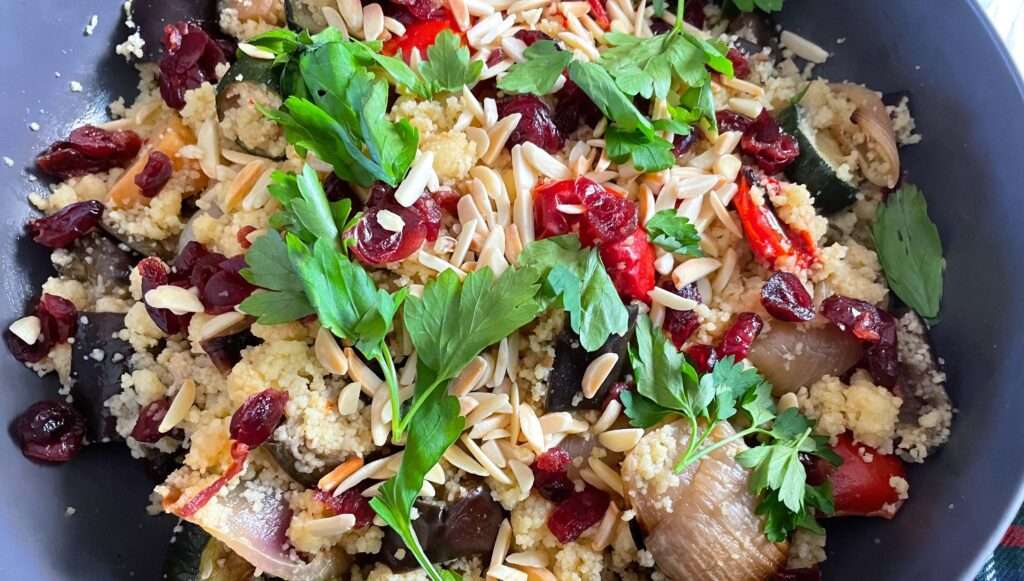
Walk into any major city today, and you’ll instantly recognize the hallmarks of a modern café: open layouts, communal tables, cozy nooks, and a counter brimming with pastries and specialty drinks. But beneath the surface, café culture is evolving rapidly in response to changing tastes and demographics[1].
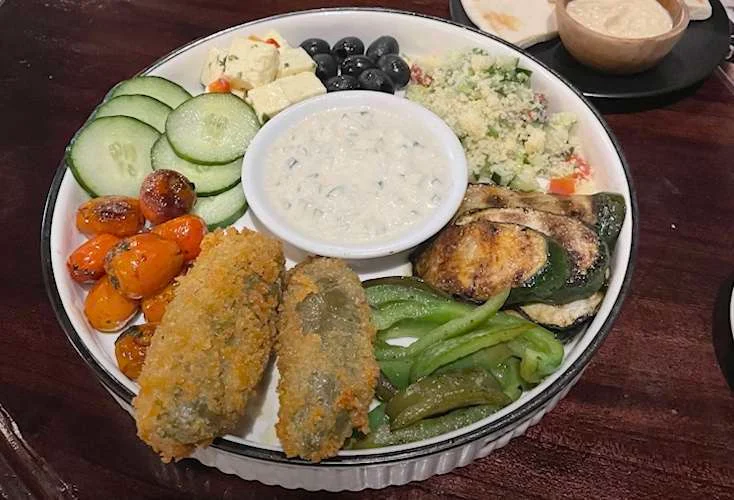
Four Key Trends Define Today’s Café Scene:
- Popularity and Crowds: Cafés are busier than ever, especially in urban centers.
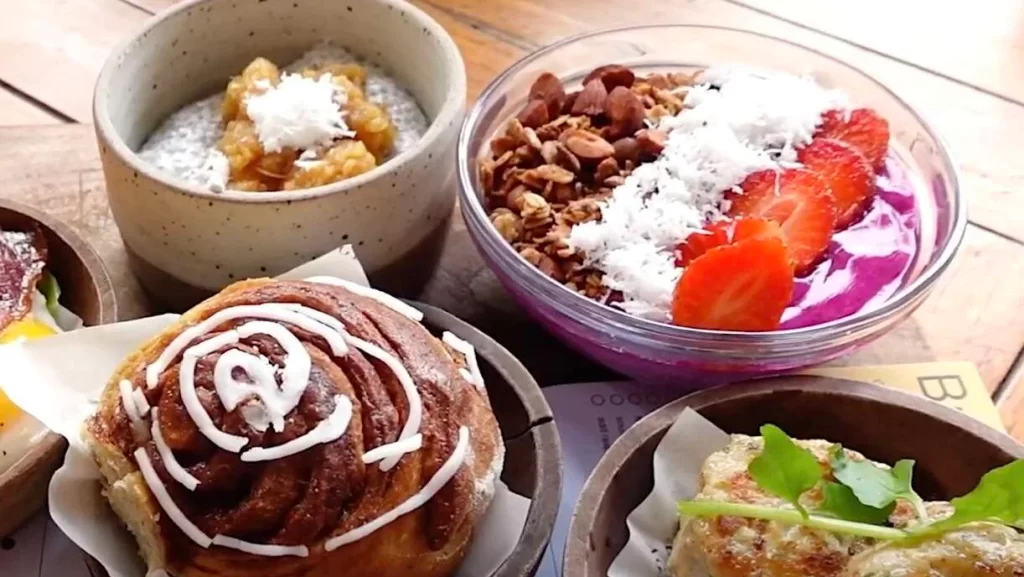
- Demographic Focus: Many cafés now cater specifically to Gen Z and millennials, offering organic, vegan, and health-focused options—think smoothie bowls, matcha lattes, and almond milk[1].
- Quality and Price: There’s a noticeable shift toward higher-quality beverages and snacks, with prices reflecting the demand for premium ingredients and innovative dishes.
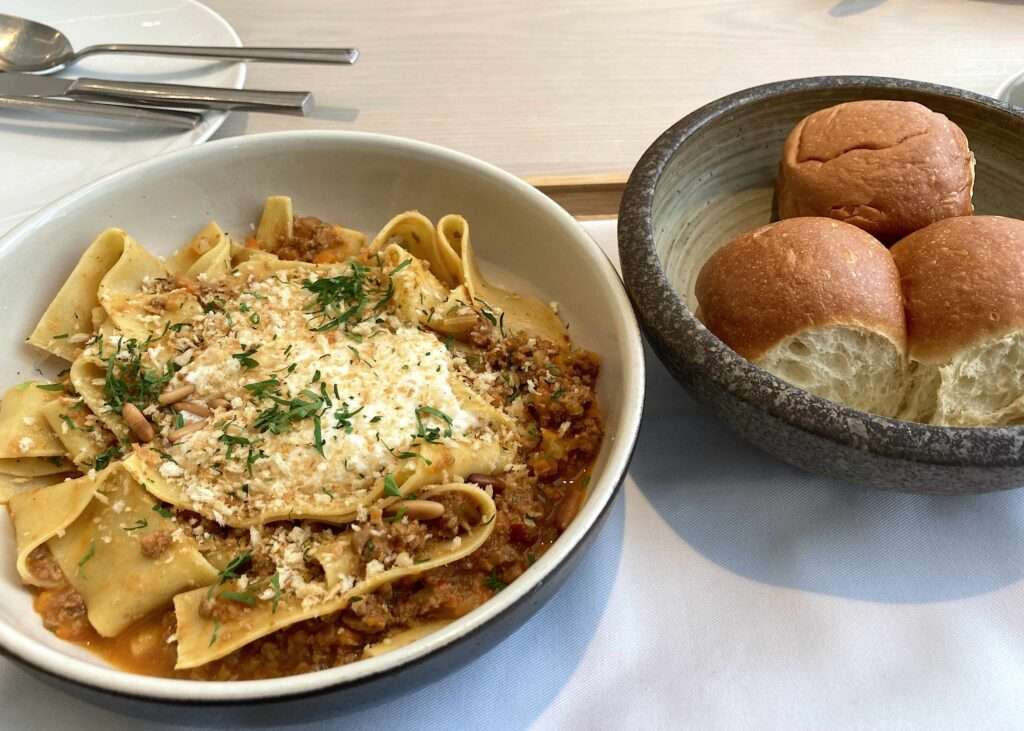
- Portion Control and Curation: Gone are the days of oversized spaghetti Bolognese or the Full English breakfast. Today’s menus feature curated, moderate-sized portions—like pappardelle with braised lamb or chicken katsu—designed for the health-conscious diner[1].

The Hipster Café Revolution: Canggu, Bali
For a vivid example of the new café wave, look no further than Canggu, Bali. Once a quiet coastal village, Canggu has transformed into a hotspot for young tourists and digital nomads, boasting one of the highest concentrations of hipster cafés anywhere in the world.
What makes Canggu unique is its clientele: almost entirely tourists and expatriates from the developed world. The café scene here is avant-garde, with menus featuring Western-inspired dishes, vegan options, and Instagram-worthy smoothie bowls. The atmosphere is laid-back yet stylish, catering to Gen Z’s preferences for health, sustainability, and social connection.
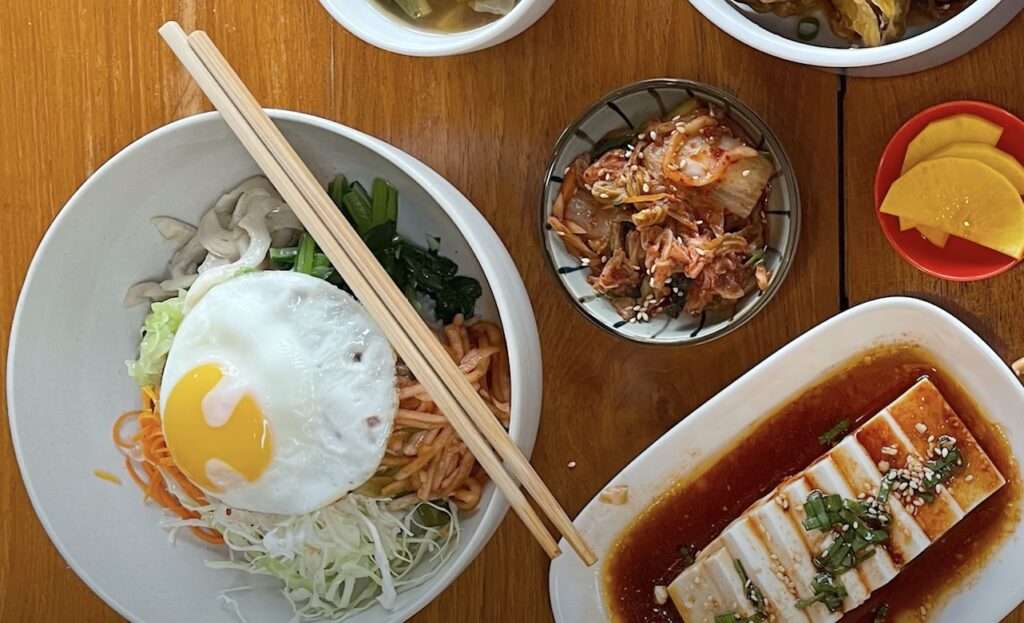
Cafés in Canggu aren’t limited to standalone venues. Co-working spaces and gyms have embraced the trend, offering café-style fare to their patrons. This integration reflects the modern lifestyle, where work, wellness, and socializing blend seamlessly.
The Future of Cafés: Where Are We Headed?
Cafés have come a long way from their humble beginnings as simple coffee houses. Today, they are dynamic spaces that reflect the values and tastes of their communities. The informal, welcoming atmosphere remains, but the food, drink, and design have evolved to meet the expectations of a new generation.
No matter where you are—Bogotá, Chengdu, Sydney, or beyond—you can spot a café by its familiar setup and inviting vibe. Cafés continue to serve the masses, offering a respite from the hustle and bustle of daily life. Yet, a new branch is emerging: one that targets Gen Z, vegans, and those passionate about health and sustainability. Prices may be higher, but demand shows no sign of slowing down.
Why Café Culture Matters
Cafés are more than just places to eat and drink. They are social hubs, creative spaces, and cultural landmarks. They adapt, innovate, and reflect the changing world around them.
Whether you’re savoring a poached egg breakfast in Paris, grabbing a quick lunch in a New York diner, or sipping a dragonfruit smoothie in Bali, you’re participating in a global tradition that continues to reinvent itself.
So next time you step into a café, take a moment to appreciate its rich history—and the exciting future that lies