
Satay: Southeast Asia’s Irresistible Skewered Sensation
Tantalising satay is a must try. And it has to be done in Malaysia, Singapore or Indonesia done by the natives of their land. There is nothing like it elsewhere even if you are familiar with the term “satay”.
Few dishes capture the imagination—and appetite—of food lovers quite like satay. It would be excellent start to Southeast Asia’s gastronomic journey if you are new to the region. Firstly, it is native, secondly it does not fall under acquired taste like many foreign foods tasted for the first time. Not at all spicy or bitter, and the first reaction will be how did so much flavour get into a small piece of barbequed morsel of meat.
This iconic Southeast Asian street food is more than just skewered meat. It’s a multisensory experience, a culinary ritual, and a celebration of the region’s rich tapestry of flavors. For foodies in search of authenticity, adventure, and unforgettable taste, satay is an essential stop on the gastronomic map.
A Feast for the Senses
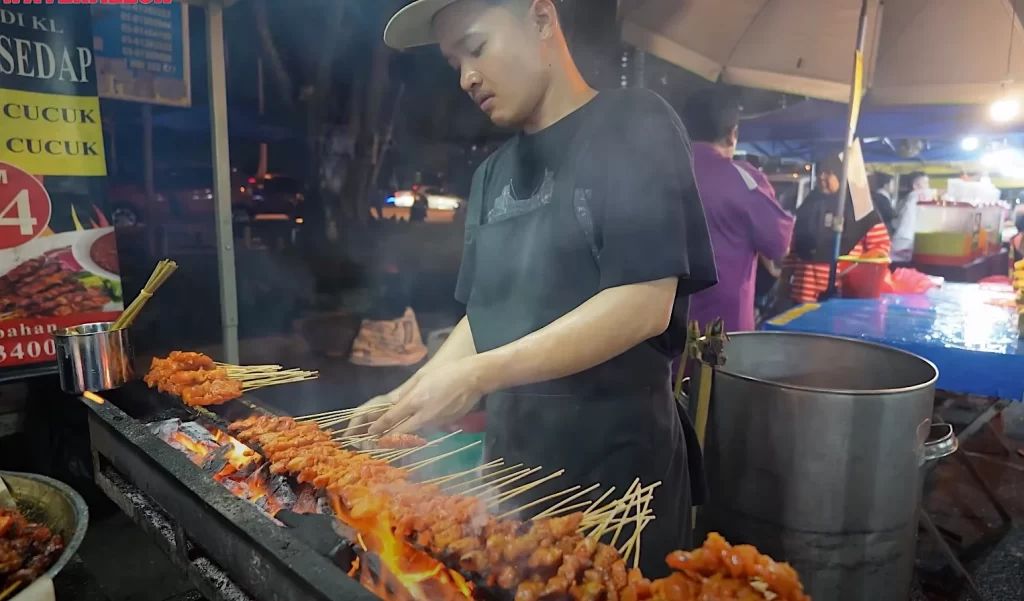
Imagine a bustling night market in Kuala Lumpur, Jakarta, or Singapore. The air thick with the intoxicating aroma of spices, the sizzle of meat over glowing charcoal. The rhythmic fanning of flames by vendors perfecting their craft.
The satay is the star of this show. A dish whose simplicity belies the depth of its flavors and the complexity of its heritage.
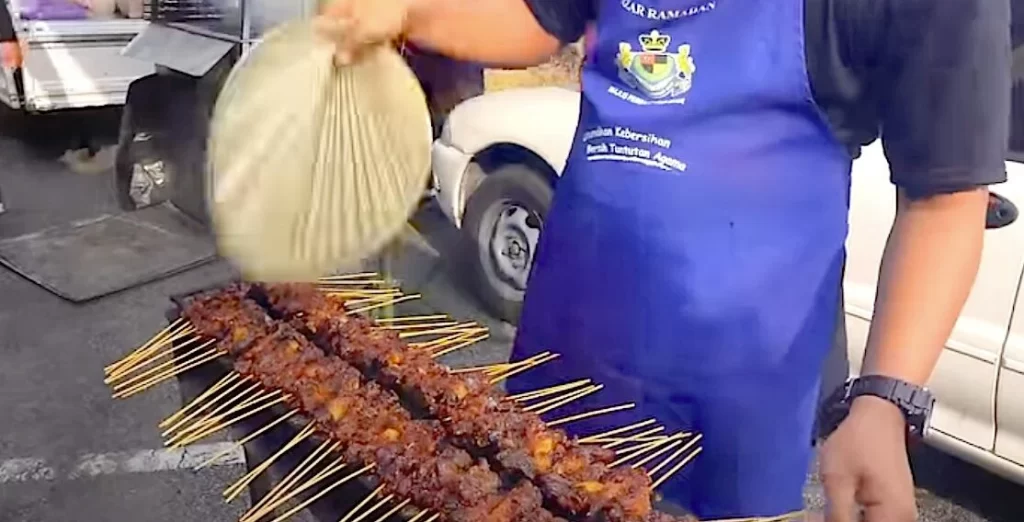
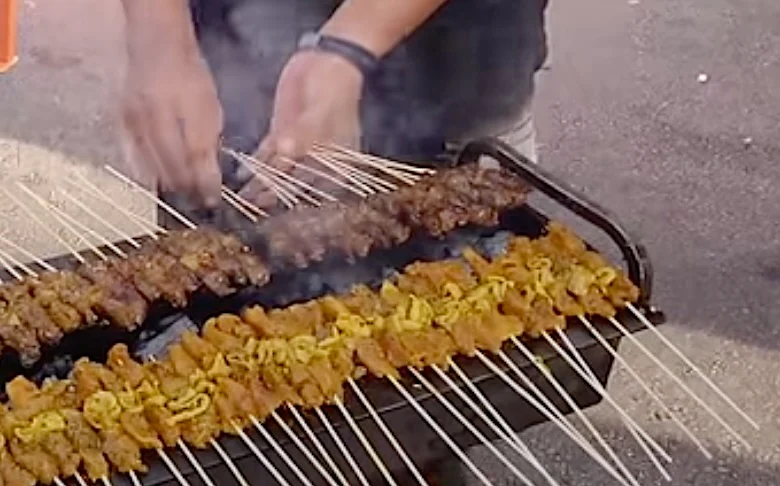
At its core, satay consists of bite-sized morsels of marinated meat. Beef, mutton or chicken. Threaded onto slender bamboo skewers and grilled over open flames.
Remember it has to be bite-sized morsels skewered on a single bamboo stick, not a single chunky pieces seen outside South East Asia.
The result is a smoky, caramelized exterior that gives way to juicy, aromatic meat within. But satay is much more than just grilled meat. I t’s a symphony of taste, texture, and tradition that has captivated millions across Malaysia, Indonesia, Singapore, and beyond.
The Origins: A Journey Through History and Spice
Satay’s story begins centuries ago, with roots tracing back to Java, Indonesia. While some believe early Arab traders introduced the concept, akin to their beloved kebabs. Satay has evolved into a distinctly Southeast Asian creation, shaped by local ingredients and culinary ingenuity.
The arrival of peanuts, courtesy of Portuguese and Spanish traders in the 16th century, gave birth to satay’s now-essential peanut sauce. A tangy, nutty dip that completes the dish. There is no satay without this distinct source.
From its Javanese origins, satay crossed the Straits of Malacca, embedding itself in the food cultures of Malaysia and Singapore. Today, each country boasts its own subtle variations. But the essence remains unchanged. Carefully marinated meat, smoky from the grill, paired with that rich and spicy peanut sauce.
Street Food Royalty: Satay’s Place in Southeast Asian Culture
Eating satay is also an event. In Southeast Asia, it occupies a unique spot between snack and main course. Often enjoyed communally during evening outings to night markets or as a festive treat at celebrations and gatherings.
The sight of friends and families huddled around a satay stall, skewers in hand, is a quintessential image of local life.
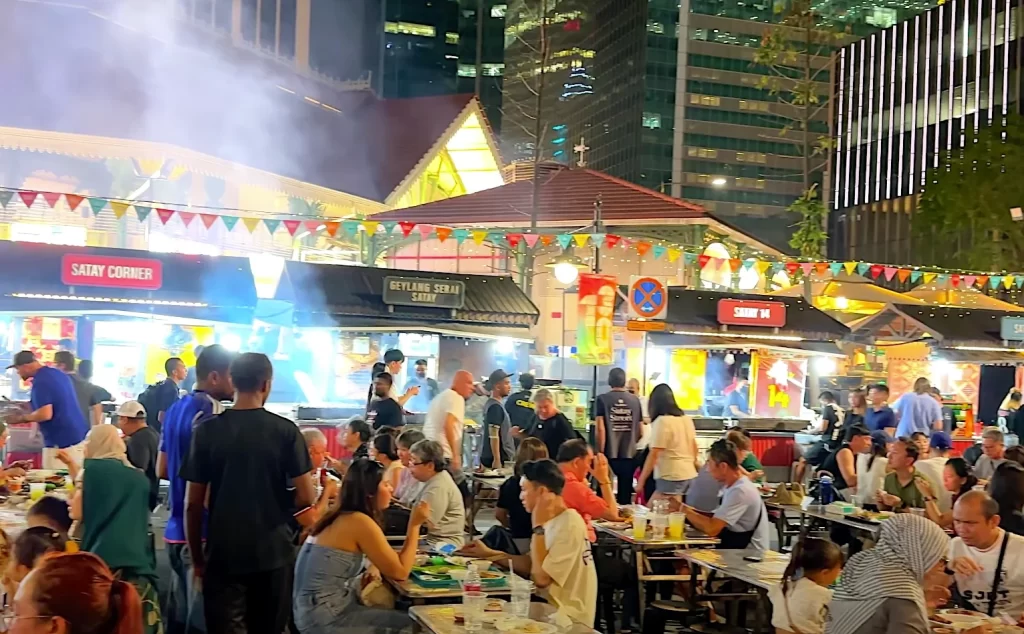
Perhaps nowhere is this communal spirit more alive than in Singapore’s famed Lau Pa Sat. As dusk falls, Boon Tat Street transforms into “Satay Street.” This is in the very heart of Singapore’s CBD.
With rows of stalls firing up their grills and filling the air with the irresistible scent of charred meat and spices. Removable tables and chairs spill onto the street, creating a vibrant, open-air feast that draws locals and travelers alike.
For those with a layover at Changi Airport, a quick trip to Lau Pa Sat promises a culinary adventure well worth the detour. So jot this down. Worth the dash by taxi and back.
The Anatomy of Satay: What Makes It So Addictive?
A proper satay experience is a careful balance of elements, each playing a crucial role:
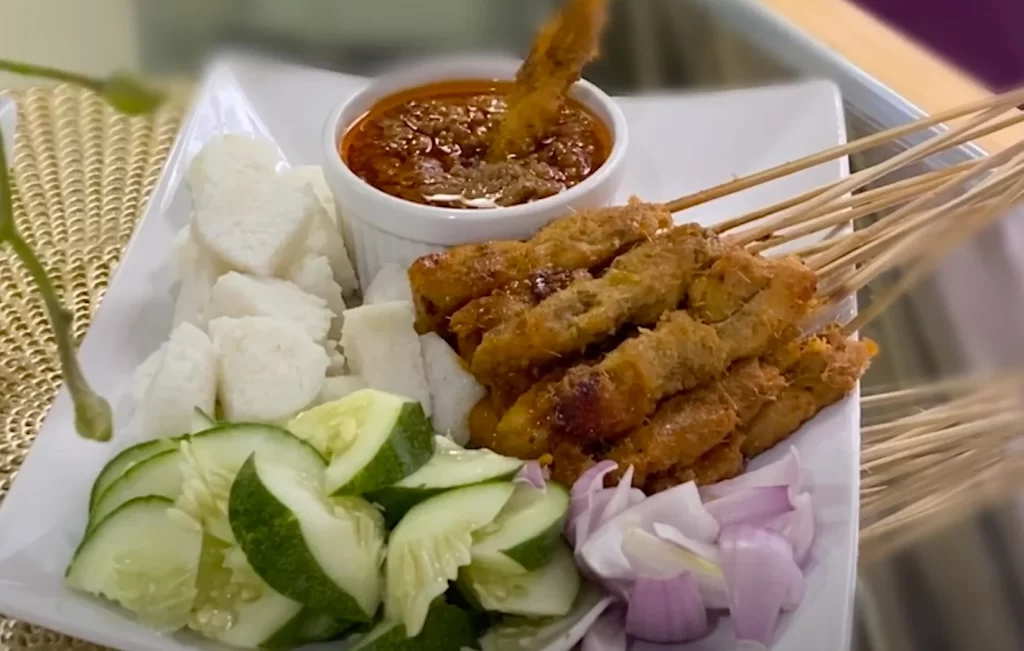
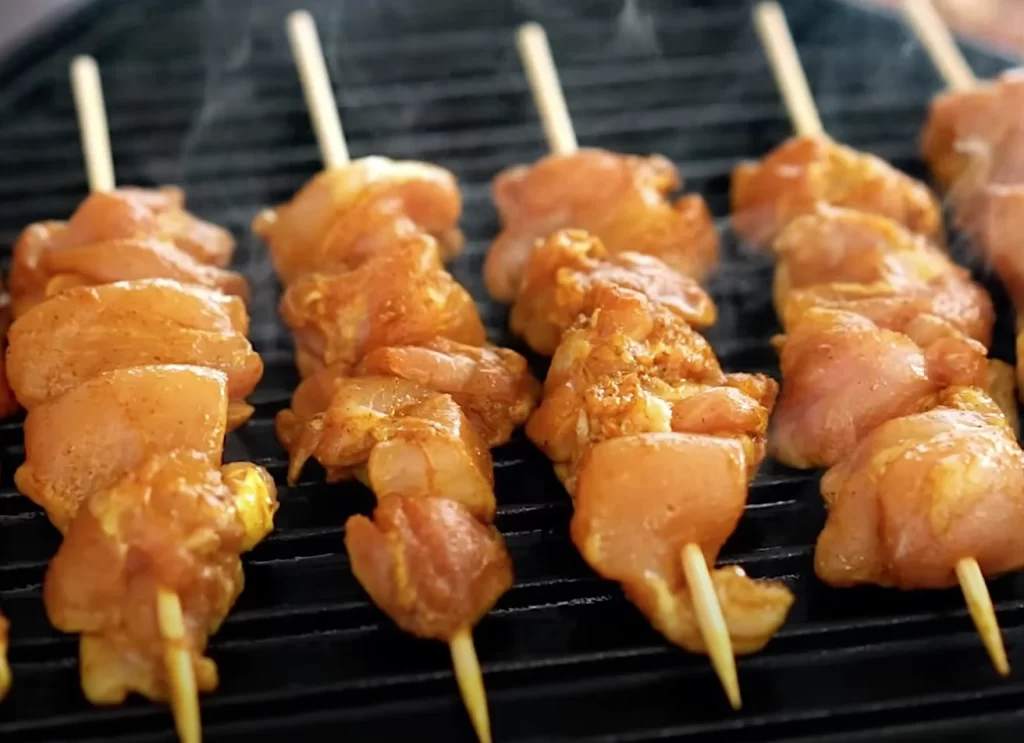
- The Meat: Traditionally, satay features chicken, beef, or mutton, though pork is also popular among non-Muslim communities. The meat is diced or thinly sliced. Then marinated for up to 24 hours. With a blend of turmeric, garlic, ginger, lemongrass, shallots, coriander, cumin, fennel, sugar, and sometimes soy sauce. This marinade infuses the meat with layers of flavor and ensures it stays tender and juicy on the grill.
- The Skewer: Bamboo skewers are the vessel for the meat, allowing for even cooking and easy eating. The skewers, previously soaked in water to withstand the flames, are often packed tightly, maximizing the charred surface area and enhancing the smoky flavor.
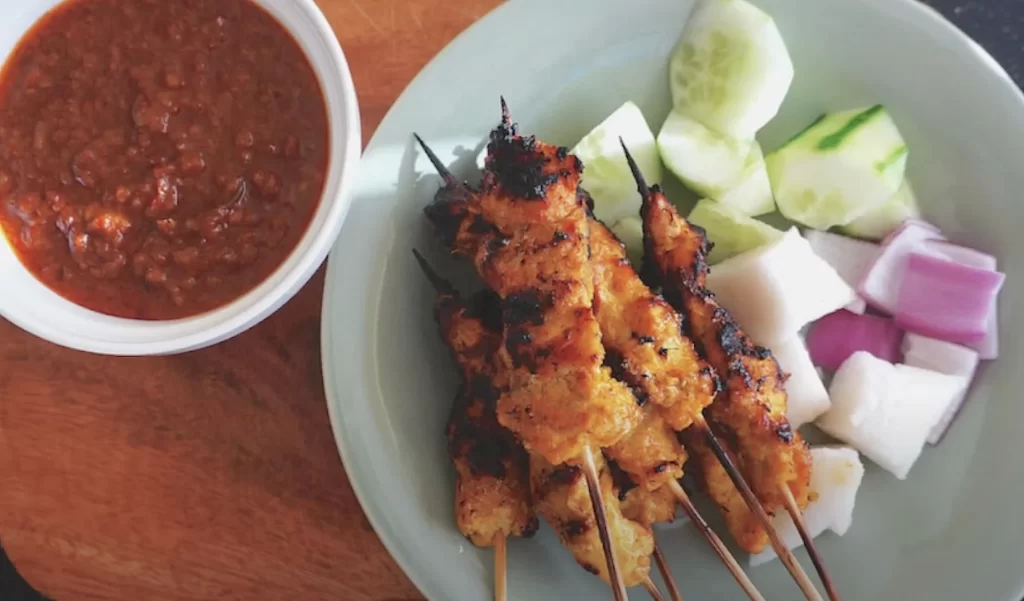
- The Peanut Sauce. No satay is complete without its signature sauce. A chunky, aromatic blend of roasted peanuts, onions, garlic, lemongrass, galangal, tamarind, palm sugar, and a touch of chili. Simmered slowly, the sauce develops a rich, tangy complexity that perfectly complements the grilled meat[1].
- The Sides: Satay is traditionally served with ketupat (compressed rice cakes wrapped in woven coconut leaves). With sliced cucumber, and raw onions. Each element adds texture and contrast. The ketupat soaks up the sauce, the cucumber provides a refreshing crunch, and the onions deliver a sharp, palate-cleansing bite.
How to Eat Satay Like a Local
There’s an art to eating satay. Start by dipping a skewer into the peanut sauce, ensuring each piece of meat is generously coated. Take a bite—savor the interplay of smoky, spicy, sweet, and nutty flavors.
Next, use the empty skewer to pick up a cube of ketupat, dip it in the sauce, and enjoy. Alternate with bites of cucumber and onion for a full spectrum of tastes and textures. There’s no set order—follow your cravings and let your palate guide you.
Satay’s Global Journey: Adaptations and Imitations
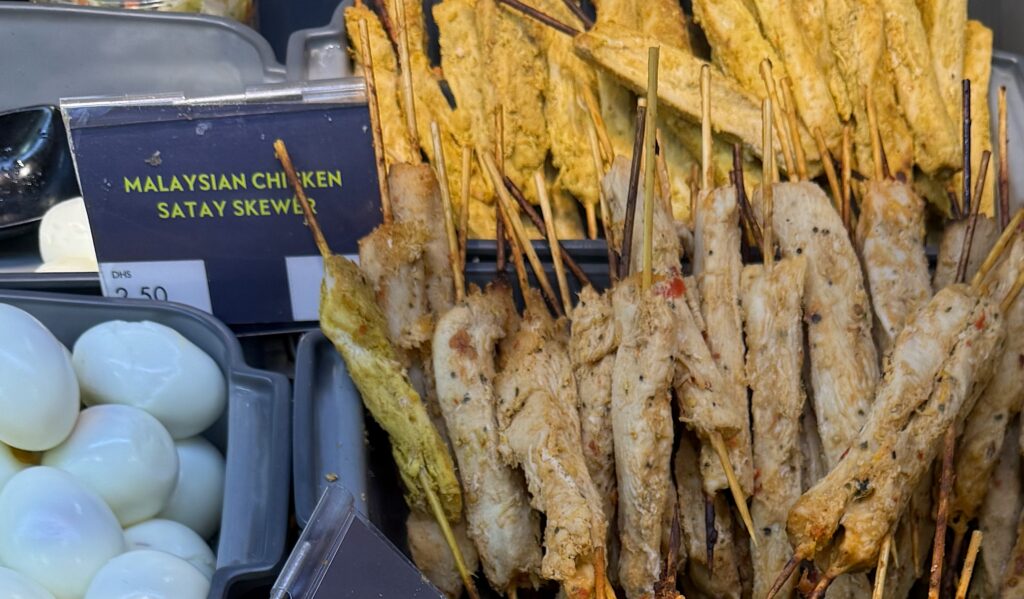
As Southeast Asians have migrated around the world, they’ve brought satay with them. Introducing it to Australia, Europe, and the United States. However, outside its homeland, satay often undergoes significant changes. In Western supermarkets and cafes, “satay” may refer to long single thick strips of marinated chicken, grilled and served with a sweet or soy-based sauce. These versions, while tasty, rarely capture the authentic flavor and texture of traditional satay.
Key differences include the size and cut of the meat (often too thick), the lack of proper marinade, insufficient fat content (which is essential for juiciness and flavor), and, most notably, the absence of a rich, chunky peanut sauce.
Some places substitute sweet chili or omit the sauce. Entirely missing the point of what makes satay so special. The grilling method also matters: authentic satay is cooked over high, open flames with frequent basting, resulting in a signature sheen and smoky flavor that’s hard to replicate on a skillet or gas grill.
The Foodie’s Guide to Finding Real Satay
For those outside Southeast Asia craving the real deal, seek out restaurants or food stalls run by Malaysian or Indonesian families. Their commitment to tradition often ensures a more authentic satay experience, complete with proper marinade and robust peanut sauce. Don’t hesitate to ask if they have special satay nights or off-menu offerings—many keep this delicacy as a treat for regulars or special occasions.
Why Satay Belongs on Every Foodie’s Bucket List
Satay is more than just a dish; it’s a journey through the heart of Southeast Asian culture, history, and hospitality. It’s a testament to the power of spice, the magic of charcoal grilling, and the joy of communal eating. Whether you’re wandering through a night market in Penang, feasting at Satay Street in Singapore, or recreating the experience at home, satay promises a sensory adventure that lingers long after the last skewer is gone.
So, the next time you find yourself in Southeast Asia—or at a local spot serving up this legendary street food—don’t just eat it. Savour it. Relish the flavors, embrace the ritual, and become part of a tradition that has delighted food lovers for generations.
Tips for Home Cooks:
If you’re inspired to make satay at home, prepare a generous batch of peanut sauce. Not only is it essential for satay, but it also pairs beautifully with Indonesian gado-gado, tofu, spring rolls, and more. The secret to great satay lies in the marinade, the grilling technique, and, above all, the sauce—so don’t cut corners!
Final Bite
For foodies, it is not just a meal—it’s an experience, a memory, and a passport to the vibrant street food culture of Southeast Asia. Seek it out, share it with friends, and let it transport you to the bustling markets and festive streets where satay reigns supreme.