
Celebrating South Australia’s Cornish Pasty: A Culinary Icon with a Rich Heritage
A Taste of Tradition
South Australia’s Cornish pasty is much more than a humble snack—it is an enduring symbol of the state’s heritage, a culinary treasure with a story as hearty as its filling.
The pasty’s journey from the tin mines of Cornwall to the sunburnt landscapes of South Australia is a tale of migration, resilience, and the power of food to carry culture across oceans and generations
First Impressions: Falling for the Pasty
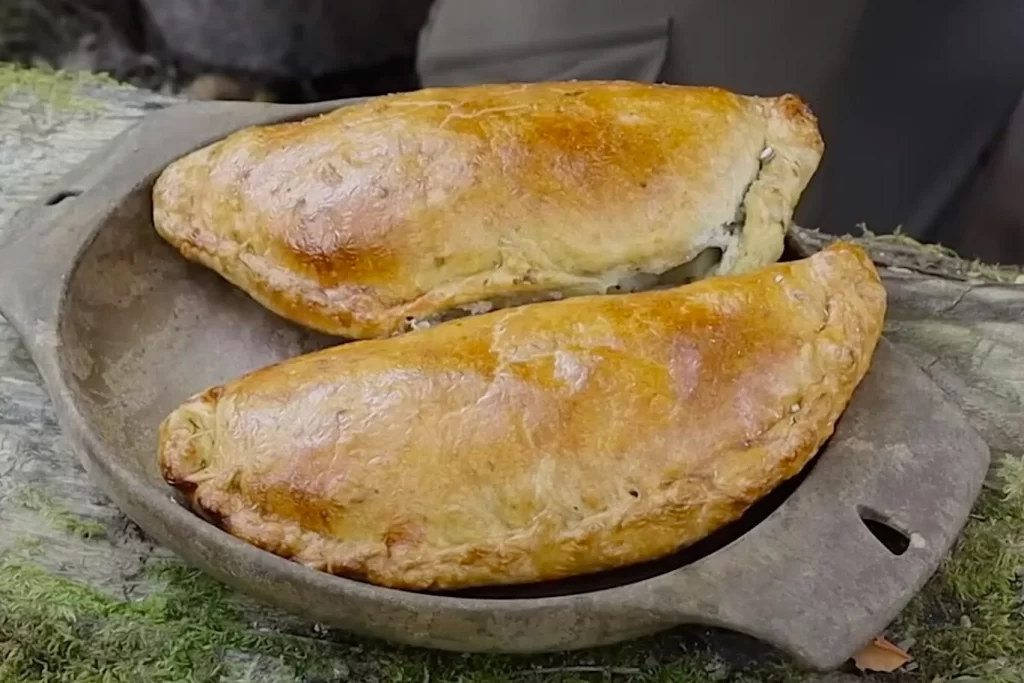
When I first arrived in Australia, the Cornish pasty was a revelation. I’d grown up with pies, but there was something about the pasty—its wholesome blend of meat and vegetables, the golden, flaky pastry, the satisfying crunch—that instantly won me over.
What began as a light snack soon became a fascination. I was compelled to dig deeper, and what I discovered was a dish with a legacy as rich as its flavor.

A Migrant’s Meal: The Pasty’s Arrival in South Australia
The story of the Cornish pasty in South Australia begins in 1836, when the first Cornish migrants landed on the state’s shores.
Drawn by the promise of work in the newly opened copper mines, these skilled miners brought with them not just their expertise, but also the recipes and traditions of their homeland.
Among the most beloved of these was the Cornish pasty—a meal ingeniously designed for the demands of a miner’s life.
A Meal with a Purpose
Unlike any other dish I’ve encountered, the pasty was purpose-built for the working day. Miners didn’t have the luxury of surfacing for lunch; their meal breaks happened deep underground, where time and cleanliness were precious commodities.
The pasty was the perfect answer: a complete meal, easy to carry, nourishing, and cleverly constructed. Mothers and wives would rise before dawn to prepare them, filling circles of dough with cubed beef, potatoes, onions, and swede or turnip. The dough was folded over, crimped into a crescent, and baked until golden.
The distinctive thick, crimped edge wasn’t just for show—it was a practical handle. Miners, their hands blackened by dust and soot, would grip the crimped side and discard it after eating, avoiding contamination. Today, the crimp is less pronounced, but the tradition lingers in every bite
From Full Meal to Favorite Snack
Over time, the pasty has evolved. Once a robust meal for hungry miners, it is now a beloved snack or light lunch, enjoyed by South Australians of all ages.
Carrots have joined the classic filling, and the size has shrunk, but the essential character remains unchanged: a balanced blend of meat and vegetables, wrapped in golden pastry, with just the right mix of textures and flavors
A State Secret—Almost
Curiously, the Cornish pasty’s fame is largely confined to South Australia like the Kransky sausage. While you can find pasties elsewhere in Australia, their deep association with the state is little known beyond its borders.
Even celebrity chefs have sometimes overlooked this connection, though local food champions like Adam Liaw who grew up in Adelaide have helped set the record straight, celebrating the pasty as a South Australian icon
What Makes the Pasty Special?
What sets the pasty apart is its perfect balance. Unlike many snacks that simply pile salad onto cooked meat, or drown meat in heavy sauce, the pasty achieves harmony: tender meat, soft vegetables, and a crisp, flaky crust, all in one neat, portable package.
It’s a meal that satisfies without overwhelming, a comfort food that feels both nourishing and indulgent.
A Global Journey
The Cornish pasty’s appeal isn’t limited to South Australia. In it is original home UK and in London in particular, you’ll find dedicated pasty stalls at major train stations, serving commuters and travelers alike.
Yet, even there, something is different—the flavor, the gravy, the texture. There’s nothing quite like the pasty you’ll find in South Australia, lovingly made to a recipe handed down through generations.
Family Traditions and Personal Preferences
In my own family, the pasty is a source of gentle debate. While I adore it, especially during the day, my family tends to favor meat pies. Perhaps it’s the heartiness of the pasty that makes it less appealing as a late-night snack, but for me, nothing beats its comforting warmth and satisfying bite at lunchtime.
The Copper Triangle: Heartland of Cornish Heritage
To truly appreciate the pasty’s place in South Australian culture, you must visit the Copper Triangle—the towns of Moonta, Wallaroo, and Kadina on the Yorke Peninsula. Known as “Little Cornwall.”
This region was the heart of the state’s copper mining boom, once rivaling Adelaide itself in wealth and importance. The Moonta Mining Company, established in 1861, was among the richest in Australia, and the area thrived on the labor and ingenuity of Cornish migrants.
Though the mines have long since closed, their legacy endures. The towns are now cherished for their history, charming architecture, and vibrant community spirit. Stone fences, built in the Cornish style, still line the roads, and the annual Kernewek Lowender Cornish Festival brings locals and visitors together to celebrate their shared heritage.
A Living Heritage
The Cornish pasty is more than a dish—it’s a living link to the past. In the kitchens of Moonta, Wallaroo, and Kadina, families continue to make pasties the way their ancestors did, preserving a tradition that connects them to their roots and to each other.
The Moonta Mining Museum keeps the history alive, while the festival fills the streets with music, laughter, and the irresistible aroma of baking pastry.

Why the Pasty Endures
What makes the Cornish pasty such an enduring icon? Perhaps it’s the way it brings together the best of both worlds: the practical ingenuity of the miners who first carried it underground, and the warmth and care of the families who made it for them.
It’s a dish that tells a story—of migration and adaptation, of hard work and home comforts, of a community that found a way to thrive in a new land without forgetting where it came from.
Bringing the Pasty Home
If you’ve never tried a Cornish pasty, you owe it to yourself to seek one out. Visit a bakery in Adelaide, or better yet, make the trip to the Copper Triangle and experience the pasty in its spiritual home. Taste the history, savor the flavors, and join a tradition that has nourished generations.
The Pasty’s Place in Modern South Australia
Today, the Cornish pasty stands as a proud symbol of South Australia’s multicultural heritage. It’s a reminder that food is more than sustenance—it’s a way of sharing stories, building community, and celebrating the ties that bind us together.
From the bustling streets of Adelaide to the quiet towns of the Yorke Peninsula, the pasty continues to bring people together, one delicious bite at a time.
Looking to the Future
As South Australia continues to grow and change, the Cornish pasty remains a beloved constant. New generations are discovering its charms, experimenting with new fillings and flavors, and keeping the tradition alive.
Whether enjoyed hot from the oven or packed for a picnic, the pasty is a taste of history, a celebration of community, and a testament to the enduring spirit of South Australia.
Conclusion: More Than Just a Snack
In the end, the Cornish pasty is far more than just a snack—it’s a culinary icon, a piece of living history, and a delicious reminder of the journeys that shape us.
So next time you bite into a golden, flaky pasty, take a moment to celebrate the story it tells, and the community it continues to nourish.
Let’s raise a pasty to South Australia—a state that knows how to honor its heritage, and how to turn a simple meal into a celebration!