
From Obsolescence to Lifestyle Choice
Night trains, once thought to be relics of a bygone era, are quietly making a remarkable comeback in the developed world. This resurgence, while gradual and often overlooked, is transforming overnight rail travel from a fading necessity into a lifestyle choice embraced by a new generation of travelers.
The story of night trains is not just about transportation—it’s about nostalgia, sustainability, and a renewed appreciation for the journey itself. It would not make the list of epic train journeys like the Venice Simplon-Orient-Express or the Ghan, but it falls in one’s bucket list of train journeys to be had.
A Slow but Steady Return
For decades, night trains seemed destined for obsolescence. The late 20th century saw a dramatic decline in overnight rail services across Europe, North America, and other developed regions.
Improved highways, affordable cars, and the rapid expansion of budget airlines lured travelers away from the rails. High-speed trains, like Japan’s Shinkansen and France’s TGV, further eroded the market for sleeper services by offering fast, comfortable alternatives for long-distance journeys.
Yet, beneath the surface, demand for night trains never completely disappeared. In fact, recent years have witnessed a subtle but undeniable revival. This resurgence is not the result of a grand vision by rail executives or entrepreneurs, but rather a response to shifting consumer preferences and broader societal trends. Travelers are rediscovering the unique benefits of sleeping cars—saving daylight hours, reducing accommodation costs, and enjoying a level of comfort and romance unmatched by other modes of transport.
Nightjet: A Contrarian Success Story
Among the most compelling examples of this renaissance is Nightjet, the overnight train brand operated by Austrian Federal Railways (ÖBB). In 2014-2015, as other European rail operators were scaling back or shuttering their sleeper services, ÖBB saw an opportunity.
While Germany’s Deutsche Bahn was closing much of its night train network due to declining demand, ÖBB took a bold, contrarian step: it acquired Deutsche Bahn’s sleeper rolling stock and launched Nightjet in December 2016.
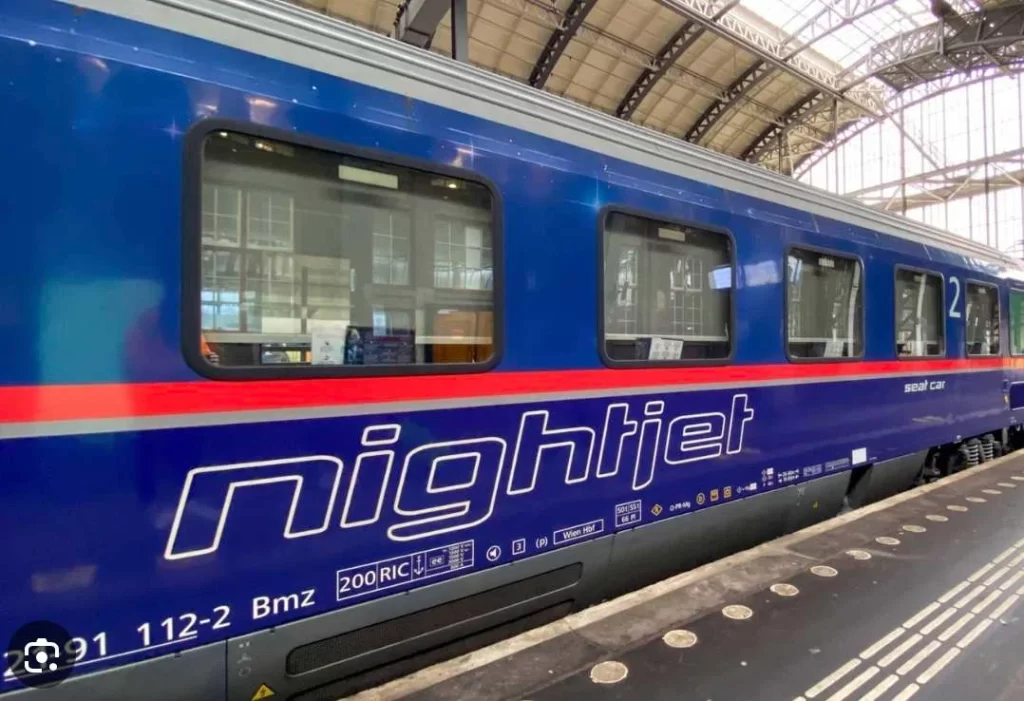
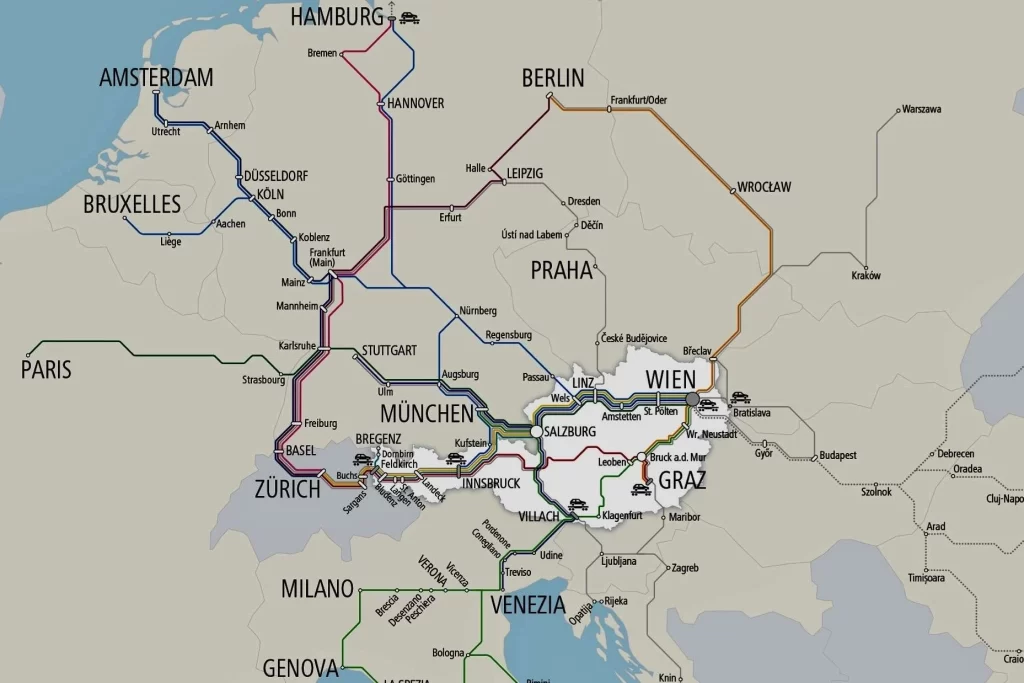
The results were immediate. Within just two months, Nightjet saw demand begin to climb. Today, Nightjet operates 19 routes across 29 destinations in 12 European countries, with more rolling stock on order and upgraded amenities in the pipeline. Austria’s central location in Europe—much like Dubai or Doha’s role in global air travel—has made Vienna a natural nexus for overnight rail journeys, connecting major cities across the continent.
Why Did Night Trains Decline?
To understand the resurgence, it’s important to consider why night trains faded in the first place. Three main factors contributed to their decline in the developed world:
Improved roads and cars. The expansion of highways and the affordability of cars made road travel more convenient and flexible. Regional bus networks further eroded the rail market, offering direct, cost-effective connections without the need for transfers.
Cheaper air travel. The rise of low-cost airlines, coupled with increased competition and higher disposable incomes, made flying accessible to the masses. Airfares plummeted, and the convenience of quick flights became irresistible for many travellers.
High-speed rail. The introduction of fast trains, especially in Japan and France, changed the landscape. High-speed services offered reclining seats that could go fully horizontal, making overnight journeys feasible without traditional sleeper cars. As a result, many countries drastically reduced or eliminated their night train networks.
Not Just for Luxury Seekers
It’s important to distinguish between regular night trains and luxury rail experiences. While the legendary Orient Express, the Eastern & Oriental Express, and Australia’s Ghan offer opulent journeys where the train itself is the destination, most night trains cater to everyday travelers. These services provide a practical, affordable way to cover long distances overnight, with a range of seating and sleeping options to suit different budgets.
The Allure of Night Trains
So, what makes night trains appealing in today’s world? Several factors contribute to their renewed popularity.
Saving time and money. Traveling overnight allows passengers to maximize their daytime hours at their destination and save on hotel costs. For many, the ability to sleep comfortably while moving toward their next stop is a major draw.
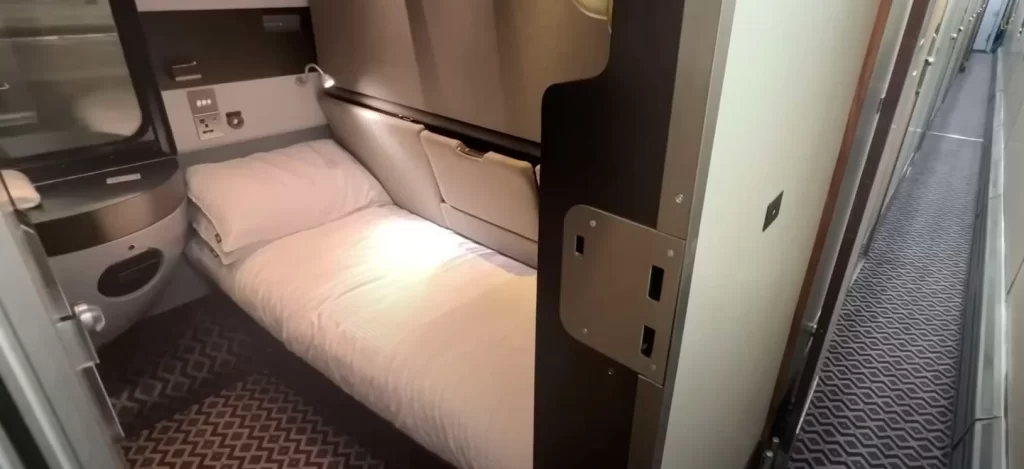
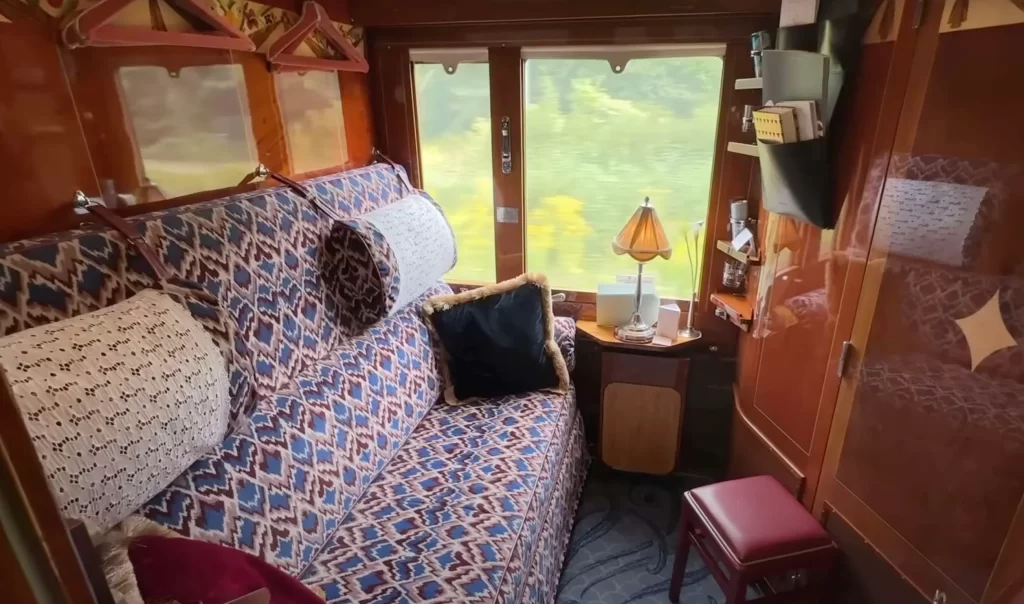
Comfort and space. Sleeper compartments offer privacy and space that surpass even business class on most airlines. Configurations range from single and double cabins with lockable doors to more communal bunk arrangements separated by curtains.
Cultural experience. Night trains reflect the culture of the countries they traverse, from the design of the sleeper cars to the meals and services provided. For some, the journey itself is a memorable, once-in-a-lifetime adventure.
Convenience. Train stations are typically located in city centers, eliminating the need for lengthy transfers to and from remote airports. The hassle of pre-boarding, security checks, and long waits is minimized, making the overall travel experience smoother and less stressful.
A New Generation of Travellers
Perhaps the most significant driver of the night train revival is the changing attitude of younger travelers. Millennials and Gen Z are more environmentally conscious, seeking sustainable alternatives to flying. Trains produce significantly less carbon dioxide per passenger than planes, making them a greener choice for long-distance travel. The romance and nostalgia associated with train journeys also resonate with those looking for unique, Instagram-worthy experiences.
Retirees, too, are embracing night trains. With more time on their hands and less need to rush, older travelers appreciate the relaxed pace and comfort of overnight rail journeys[1].
Innovation and Modernisation
Operators like Nightjet have played a crucial role in making night trains attractive again. By investing in new rolling stock, upgrading amenities, and identifying routes where overnight travel makes sense, they have tapped into a willing market. Features such as private cabins with en-suite bathrooms, Wi-Fi, and improved dining options have elevated the experience, blurring the line between necessity and luxury.
The Climate Imperative
As concerns about climate change intensify, the environmental benefits of train travel are becoming a major selling point. Trains can carry more passengers per trip than planes, resulting in lower per capita emissions. For eco-conscious travelers, this is a compelling reason to choose the rails over the skies.
China: A Different Trajectory
While night trains declined in much of the developed world, China’s experience has been different. The sheer size of the country and its vast population ensured a steady demand for overnight rail travel, even as high-speed networks expanded. China’s trains offer a range of sleeper options, from basic “hard sleepers” to more comfortable “soft sleepers,” reflecting a pragmatic, socialist approach to affordability and accessibility.
Interestingly, China’s fastest trains (the G and D series) offer business class seats that recline fully flat, providing an alternative to traditional sleeper cars. However, the standard of sleeper services in China still lags behind those in Europe, highlighting an area for potential improvement.
Night Trains as a Lifestyle Choice
The resurgence of night trains is about more than just transportation—it’s about embracing a different way of traveling. For some, it’s a practical solution; for others, it’s an adventure, a nostalgic nod to the golden age of rail. As operators continue to innovate and travelers seek more meaningful, sustainable experiences, the future of night trains looks brighter than it has in decades.
For those inspired to try a sleeper journey, resources like “The Man in Seat 61,” run by UK rail expert Mark Smith, offer invaluable advice and inspiration for exploring the world by train.
In a world obsessed with speed and efficiency, night trains invite us to slow down, savor the journey, and rediscover the magic of travel by rail. Whether you’re a seasoned rail enthusiast or a curious newcomer, the night train renaissance offers a ticket to a more connected, comfortable, and sustainable future.