
Coffee Culture: A Tradition That Brews Community and Identity in the Middle East
Arab coffee culture is more than just consuming a beverage. It is a living tradition, a passion, and a social ritual that weaves together the fabric of daily life.
Nowhere is this more evident than in the bustling malls of Abu Dhabi. Where the sheer density of coffee outlets tells a story that goes far beyond caffeine cravings.
A Tale of Four Starbucks (and More) in Galleria Mall
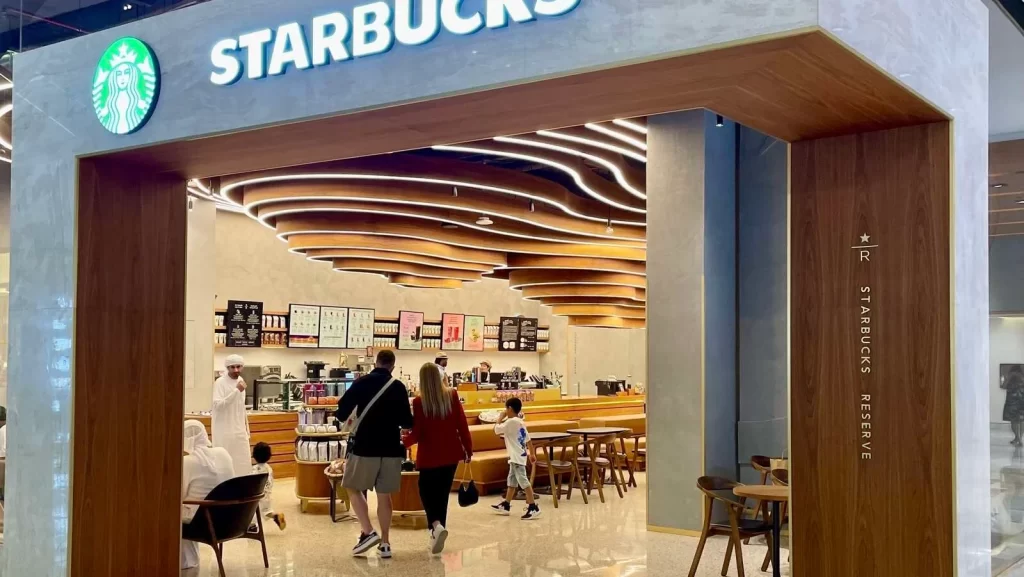
Step into Abu Dhabi’s Galleria Mall, and you’ll quickly notice something remarkable. Not one, not two, but four Starbucks outlets, all within a five-minute stroll of each other. Spread across different floors of the same complex. Imagine one Mall with 4 Starbucks outlet and the Mall is not very big.
These aren’t the only coffee shops vying for attention. Caffè Nero, along with several other local and international brands, are equally present. Ensuring that a cup of coffee is never more than a few steps away.
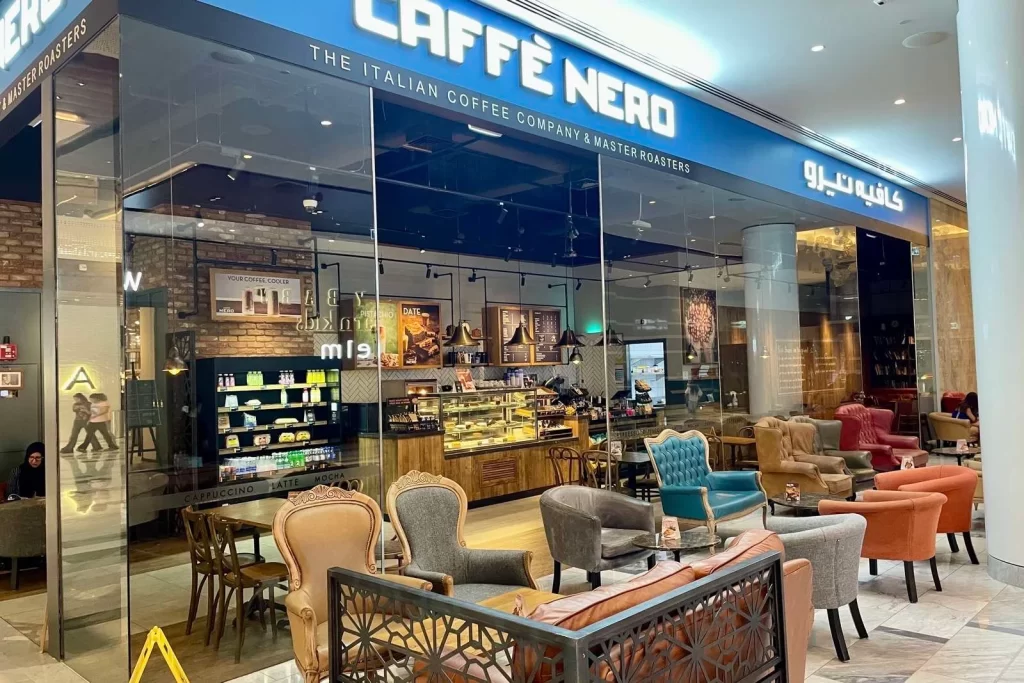
The Galleria Mall itself is a symbol of modern luxury, split across two interconnected buildings. The older section, opened in 2013, boasts two five-star hotels, imposing office towers, and a collection of high-end boutiques and restaurants.
The newer wing, completed in 2019, caters to a broader audience with a mix of luxury and mid-tier retail, as well as popular fast-food chains. Yet, regardless of the setting, coffee shops remain central fixtures, reflecting the region’s deep-rooted coffee culture.
Coffee as a Social Anchor
For visitors, the abundance of coffee outlets might seem like a standard feature of urban life. But look closer, and you’ll notice subtle yet profound differences in how coffee is enjoyed here compared to the West.
In the Middle East, coffee shops are not just pit stops for a quick caffeine fix. They are social hubs where people gather, converse, and linger.
Locals, often dressed in their traditional kandurah or abaya, rarely sit alone. Instead, coffee is a communal affair—orders are placed only when the entire group has arrived. And the atmosphere is unhurried and dignified.
Conversations flow as smoothly as the coffee itself, with a sense of formality and ritual. A scene that sets these gatherings apart from what we see elsewhere.
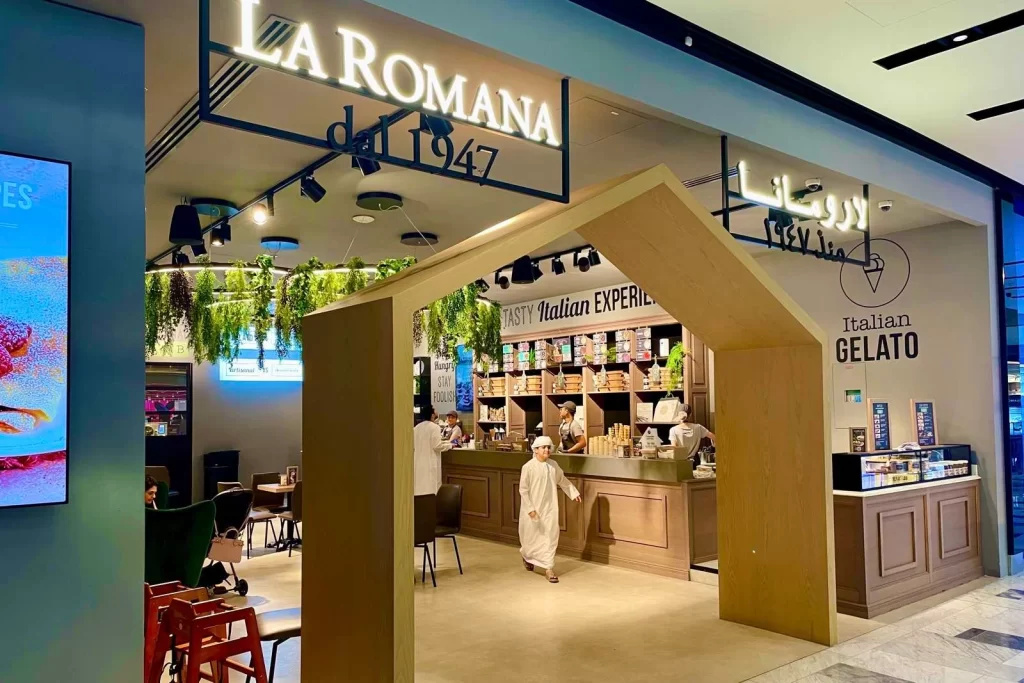
One striking observation: locals in traditional attire almost never opt for takeaway. The act of drinking coffee is meant to be savored, not rushed. High-end coffee houses, often unbranded and elegantly decorated, cater specifically to this clientele, offering a serene environment where tradition and modernity blend seamlessly.
Contrasts with Australian Coffee Culture

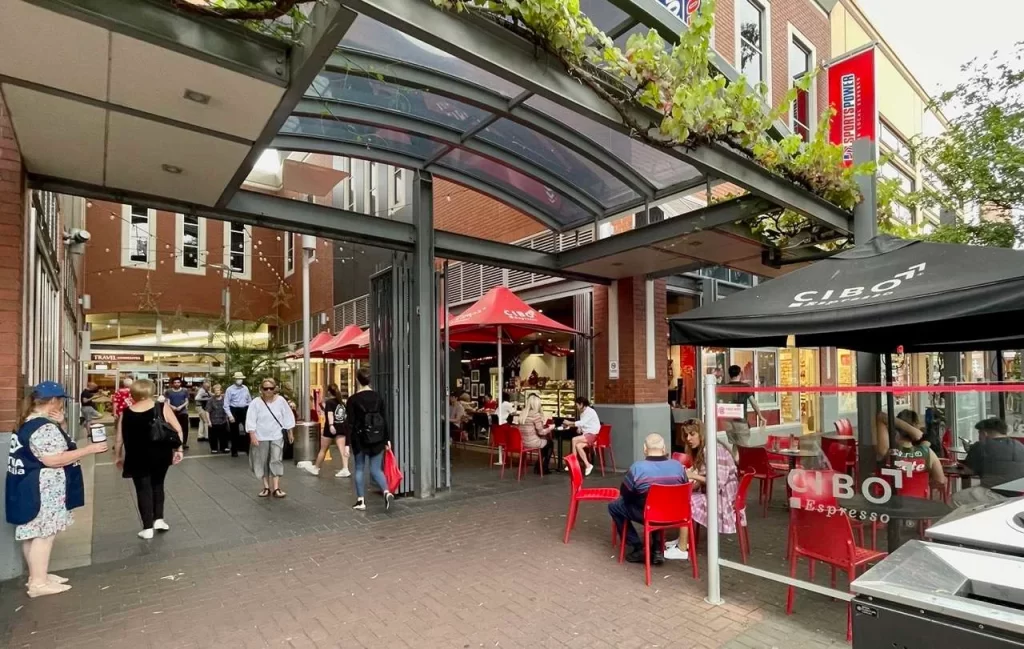
Having experienced coffee culture in both the Middle East and Australia, the differences are both stark and fascinating. In Australia, coffee shops are informal spaces—places to relax alone, catch up on emails, or scroll through social media.
The pace is brisk, especially during the morning rush, with a significant portion of customers ordering takeaway. While international chains are present, Australia is renowned for its vibrant independent café scene, which extends far beyond city centers into suburban neighborhoods.
Baristas in Australia are celebrated artisans, often performing their craft in full view of customers. The preparation of coffee is a spectacle, and competitions for the best barista or most innovative brew are common.
This Australian culture owes much to early Greek and Italian migrants, who elevated coffee from a simple drink to an art form, especially in cities like Melbourne.
The rise of commercial espresso machines and the emergence of specialty and artisanal coffee have further enriched the scene, making Australia a global coffee destination in its own right.
The Roots of Arabic Coffee Culture
Yet, for all the innovation seen elsewhere, the origins of coffee culture trace back to the Arab world. The dallah, the traditional Arabic coffee pot, is so iconic that it appears on the UAE’s one-dirham coin. The ritual of preparing and serving coffee—known as qahwa—is deeply embedded in the region’s heritage and was recognized by UNESCO as part of the Intangible Cultural Heritage of Humanity in 2015.
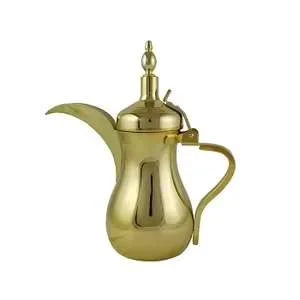
Traditional Arabic coffee is more than a drink; it is a symbol of hospitality and generosity. The preparation is meticulous: the dallah is held in the left hand, the cup in the right, and each serving is only a quarter full.
The oldest guest is served first, and etiquette dictates that each guest may receive up to three refills—never more. The server often tastes the first cup to ensure its quality before offering it to guests. These customs underscore the importance of respect, community, and ceremony in Arab society.
Coffeehouses: Where Tradition Meets Modernity
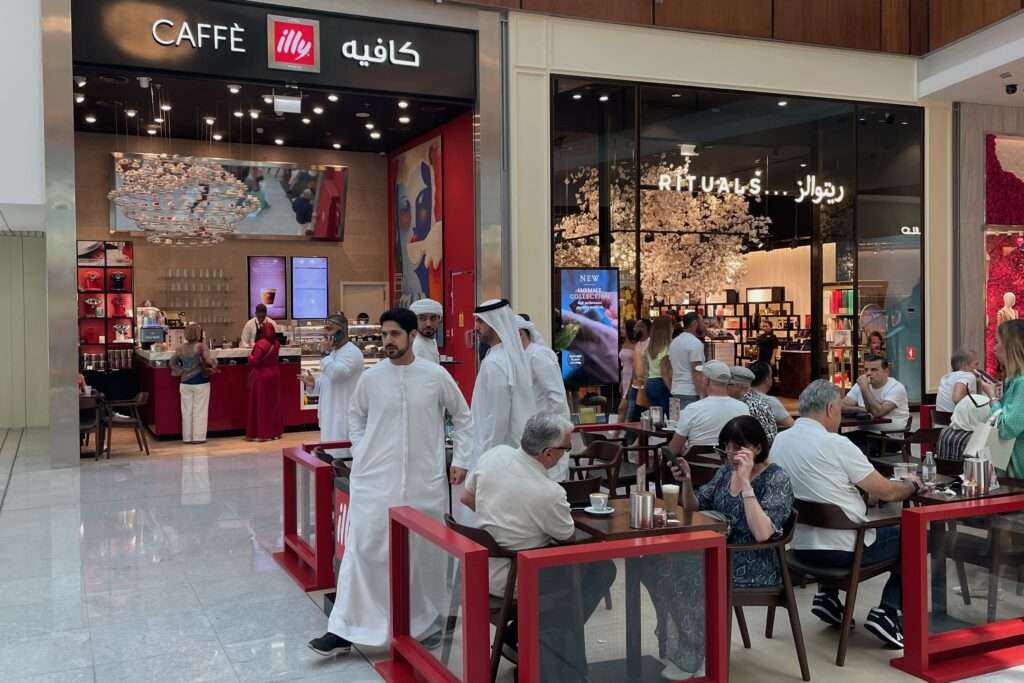
Modern coffeehouses in the Middle East are a testament to the region’s ability to blend tradition with contemporary tastes. While global chains like Starbucks are ubiquitous, local coffeehouses preserve the essence of Arabic hospitality. These venues are distinguished by their opulent decor, attentive service, and clientele—primarily locals in traditional dress, engaged in animated discussions or quiet reflection.
Unlike the bustling, sometimes chaotic atmosphere of Western cafés, these establishments exude a sense of calm and exclusivity. They are places where time seems to slow down, and the simple act of sharing coffee becomes a meaningful ritual. For newcomers, the unspoken rules and customs may take time to decipher, but for those who immerse themselves, the experience is both enriching and unforgettable.
Coffee’s Dual Identity: Tea and Coffee in the Middle East
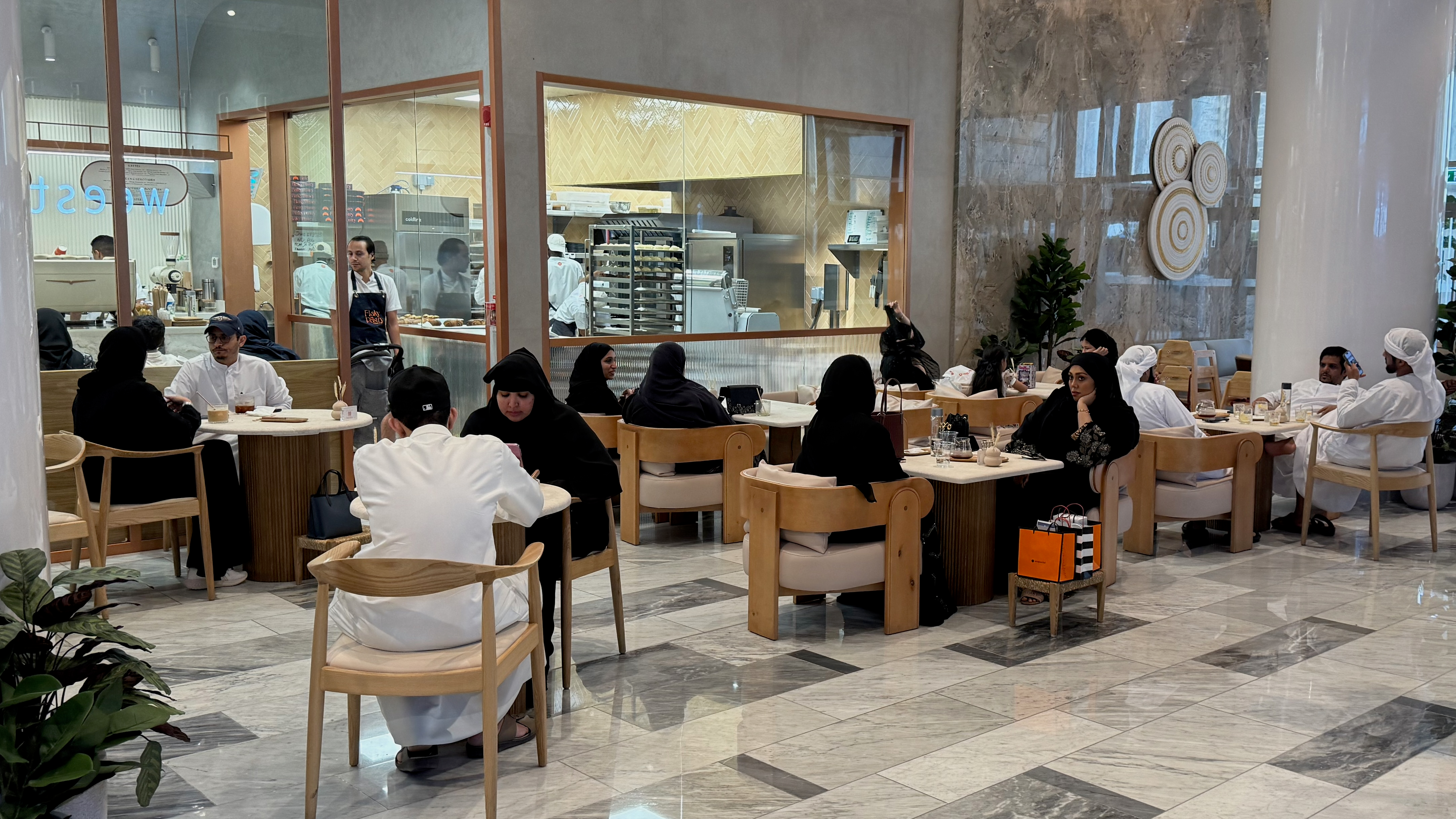
While coffee reigns supreme in the Arab world, tea also has a significant presence, particularly among expatriate communities from the Indian subcontinent. However, coffee remains the beverage of choice for social gatherings among Arabs, especially in affluent areas where high-end coffeehouses are the norm. The dallah motif, seen in art and architecture, serves as a constant reminder of coffee’s central role in the region’s cultural identity.
A Tradition That Welcomes the World
For first-time visitors, the nuances of Middle Eastern coffee culture may not be immediately apparent. It takes time and observation to appreciate the differences—the slower pace, the emphasis on community, the reverence for tradition. But once understood, these customs reveal a society that values connection, hospitality, and the simple pleasures of life.
Coffee in the Middle East is not just a drink; it is a bridge between past and present, a celebration of heritage, and a daily reminder of the importance of gathering together. Whether in a gleaming mall in Abu Dhabi or a quiet corner of a traditional coffeehouse, the ritual endures—brewing not just coffee, but community and belonging.