
E-scooters in cities across Australia and other countries is not something I would have expected 5 years ago.. It is nothing like bikes despite serving similar needs. Bikes started becoming popular approximately 20 years ago, for fitness and transport. One of societies’ best reemergence of the past , from health, cleaner air and reduction in motorised congestion.
E-scooters in the new World of micromobility is now a thing. Especially the e-scooter rental or shared schemes that are now flourishing around the city centres of the World.
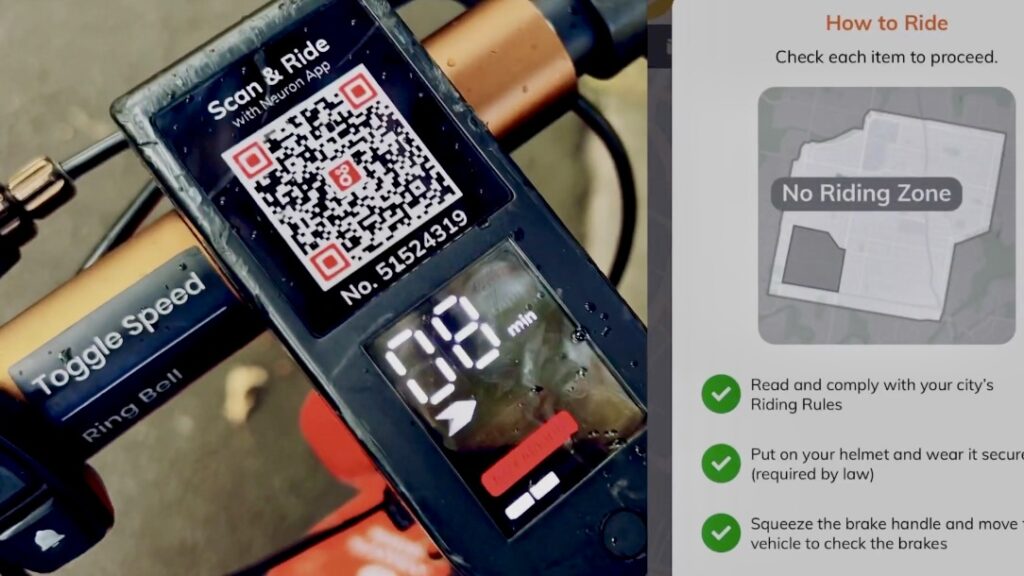
And like everything in the Gig economy, it too hinges on a smartphone app. If you already have the app, it takes about a minute to get going. Maybe 4 minutes to download the app for the first time and have your payment card verified.
It not all good though. In 2023, Paris banned e-scooter rental schemes followed by Melbourne and Madrid. In all these instances increasing accidents and safety concerns became reasons for the decision. High density cities do have a valid concern.
E-scooter in the micromobility landscape
E-scooters have their own following and acceptance. It is faster, covers more ground and appeals to the younger and middle-aged generation. It also has a sense of thrill and excitement relative to bikes. For tourists, more so. On my trips abroad, I covered more ground, explored more things which I would not have done before.
Having lived in London for many years and seen Boris Bikes grow in popularity. I was initially surprised as the Tube access was all over London. Yet the bikes became popular with tourists and locals. The bikes had one advantage, it was above ground, on the road and helps with sightseeing.
Early history in Australia
Modern shared e-scooter schemes emerged globally around 2017–2018. When companies like Lime and Bird began rolling out dockless fleets in North America and Europe.
The first major rental e-scooter deployment in Australia was a Lime trial in Brisbane in late 2018. It focused on the CBD and popular inner suburbs. It made sense to do the trial in Brisbane as there were short gaps in the transport network. No surprise with a similar situation, Adelaide followed soon after with its own trial. Initially with Lime and later with operators like Ride and Beam.
E-scooters have rapidly become part of Australia’s urban transport landscape. In inner-city areas and tourist hubs. But their growth has been shaped by cautious and multiple trials, evolving laws, and mixed public opinion.
Expansion across cities and states
Once Brisbane and Adelaide demonstrated that scooter-share could attract riders, other jurisdictions followed quickly. They began to roll out controlled trials of their own. By the early 2020s, every Australian state and territory had either an active trial or a framework in development for rental e-scooters, usually limited to defined zones.
Meanwhile, operators like Neuron Mobility emerged as major players in the Australian rental market, layering in technology such as helmet locks, data-sharing tools and geofencing to control where and how scooters can be ridden. By the mid‑2020s, rental e‑scooters had become a familiar sight in many CBDs, waterfront precincts and university corridors, even as individual councils debated their long‑term place on local streets.
Laws, safety and regulation
One reason Australia’s e‑scooter rental story is so trial‑heavy is the country’s fragmented regulatory environment. Road rules are set at state and territory level, and various state governments have taken different approaches to legalising both private and shared scooters.
Northern Territory and some South Australian cities before law changes, initially allowed only rental scooters in tightly controlled trial areas, banning private devices in public spaces. Western Australia has capped legal scooters at low power outputs and restricted their use to specific low‑speed roads and paths, with age and safety requirements enforced.
Safety concerns have driven many of the rules that shape rental schemes, including:
- Night-time lockouts or reduced speed caps to cut down on alcohol-related crashes.
- Geofenced slow zones and no‑ride areas in busy pedestrian streets and waterfront promenades.
- Strict helmet rules, often supported by integrated helmet locks on rental scooters.
Some cities have even moved to scale back or ban rental fleets in response to clutter, trip hazards and pedestrian safety complaints. It showed how contested this mode of transport can be. This mix of enthusiasm and caution is a defining feature of the Australian e‑scooter rental story.
Usage patterns and who rides
In cities like Adelaide, estimates suggest there are around 1,750 rental e‑scooters in operation in 2025. Roughly five trips per scooter per day translating to millions of rides annually. That’s a lot and no longer a novelty.
Typical rental trips are short, often 1–3 kilometres, making them ideal for quick hops across the CBD. I am however not sure of the “last mile” argument as there are now restrictions on e-scooters on trains. Core users include.
- Daily commuters looking to replace short car or rideshare journeys.
- Tourists exploring riverfronts, beaches and cultural districts.
- Students moving between campuses, accommodation and retail strips.
Operators and governments have reported benefits such as reduced car use, lower emissions and better public transport integration. Although these gains are weighed against increased hospital emergency department presentations and accessibility concerns for pedestrians.
Future trends and opportunities
Looking ahead, e‑scooter rentals in Australia sit at an interesting crossroads of technology, policy and culture. On one hand, the market is growing. Expanding fleets, smarter hardware and new safety features like advanced braking, visible lighting and more precise geofencing.
On the other, public tolerance for cluttered footpaths and risky riding is limited. Prompting debates about caps on fleet sizes, dedicated parking bays and stricter enforcement of rules.
For Australian cities, the challenge is to integrate rental e‑scooters as part of a broader sustainable transport network. No longer a passing fad or novelty. That means clearer, more consistent rules across state borders and investment in safe micromobility infrastructure. Also calls for data sharing between operators and councils to fine‑tune speed limits, manage fleet size, parking zones and service areas.