
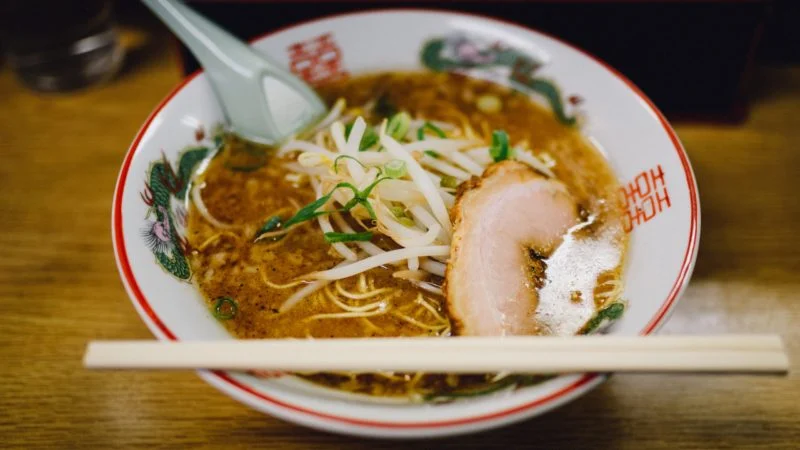
Chopsticks: The Unsung Heroes of East Asian Dining (and Why You Might Be Using Them Wrong)
Let’s face it: chopsticks are cool. Two simple sticks, a world of flavor, and a dash of dexterity—what’s not to love? For anyone who’s ever marveled at the effortless grace with which East Asians wield these utensils, there’s a certain magic in their simplicity.
But behind that magic lies a world of cultural nuance, practical know-how, and more than a few hilarious dining mishaps. Ready to dive in? Grab your (virtual) chopsticks and let’s dig in!
Why Chopsticks? Because Sometimes, Less Really Is More
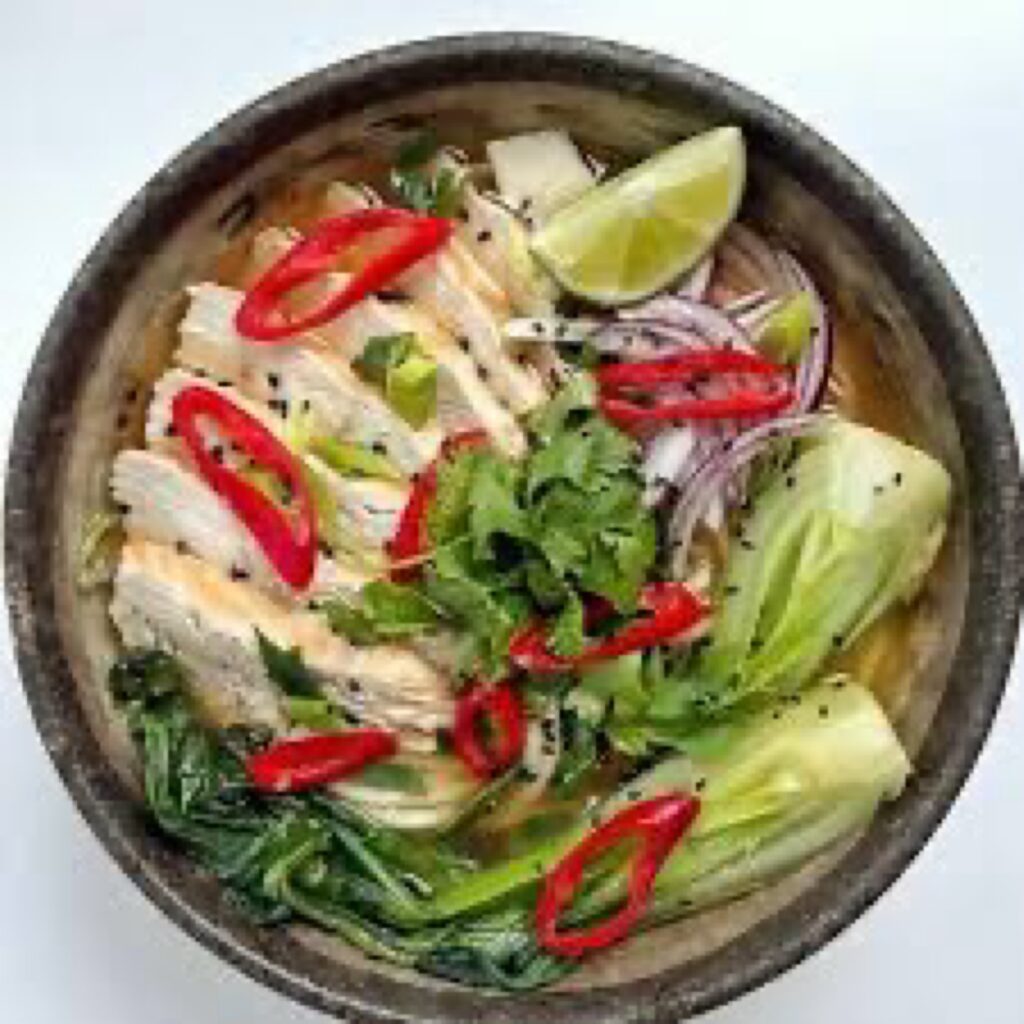
Imagine the scene: you’re seated at a bustling noodle shop in Singapore, the air thick with the aroma of sizzling garlic and soy.
In front of you sits a bowl of steaming noodles, a pair of chopsticks perched invitingly on the rim. You pick them up, and suddenly, you get it—why complicate things with knives and forks when two sticks will do the trick?
Now for the meat of this article, pun intended.
Chopsticks are the ultimate minimalist tool. They’re perfect for noodles, dumplings, and bite-sized morsels. Once you’ve mastered the art of picking up a slippery noodle or a delicate piece of tofu, you’ll wonder how you ever lived without them. And let’s be honest: there’s something undeniably satisfying about the gentle click of bamboo as you pluck your next bite.
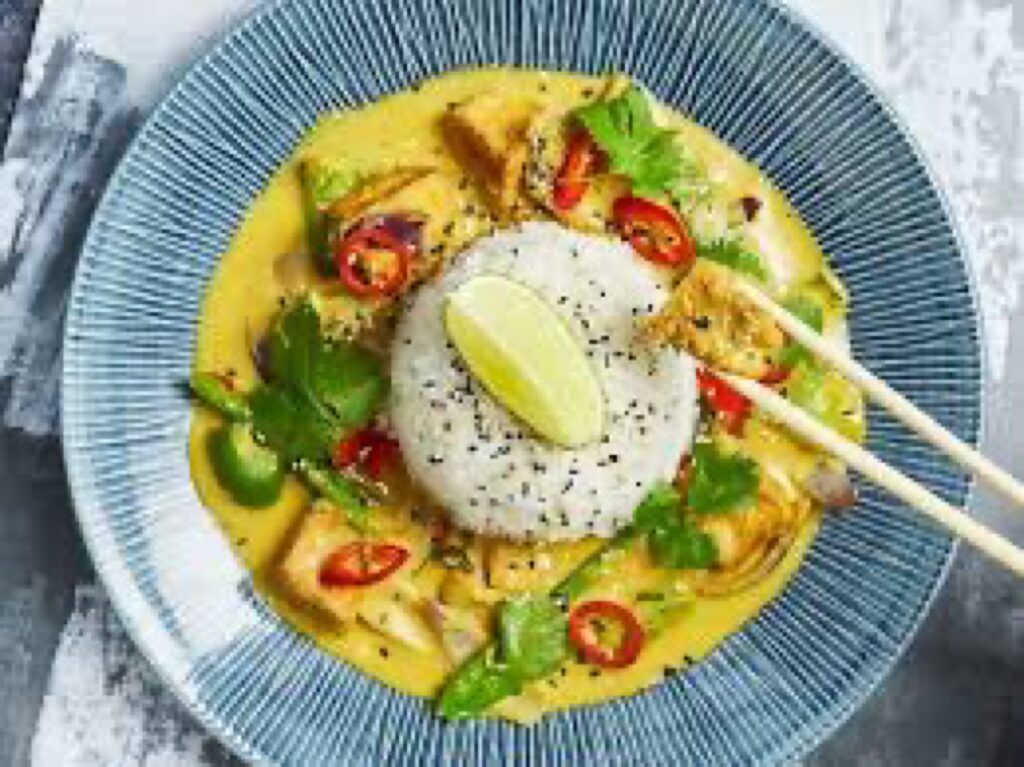
But here’s the thing—chopsticks aren’t just about style. They’re a window into the culinary philosophy of East Asia.
Meals are prepared with chopsticks in mind, meaning everything is already cut, diced, or portioned into manageable sizes before it hits your plate. No need for a steak knife or a carving fork; the hard work’s been done for you, right in the kitchen.
The Limits of Chopsticks: When Two Sticks Just Won’t Cut It
Of course, even the most devoted chopstick aficionado will admit: there are times when they just don’t cut it (literally).
Try tackling a plate of spaghetti with chopsticks, and you’ll soon discover the limits of your finger strength. And don’t even think about using them for a full English breakfast—bacon, sausages, and fried eggs are best left to the fork and knife crowd.
Western cuisine, with its hearty slabs of meat and uncut vegetables, simply isn’t designed for chopsticks. That’s why, in most non-East Asian restaurants, you won’t see them at all. But when it comes to East Asian food, especially dishes that are already bite-sized, chopsticks reign supreme.
How (and When) to Use Chopsticks: The Unwritten Rules
So, you’ve watched a few YouTube tutorials and you’re feeling confident. You can pick up a peanut, twirl a noodle, and maybe even impress your friends. But here’s a secret: knowing how to use chopsticks is only half the battle. The real question is when to use them.
During my travels across Southeast Asia—think Indonesia, Thailand, Malaysia, and Singapore—I saw chopsticks everywhere. With large Chinese communities and a love for Chinese cuisine, it’s no surprise. But not every dish is chopstick-friendly, and not every meal calls for them.
Let’s break down the basics:
- Noodles: Chopsticks are your best friend, whether served in a bowl or on a plate.
- Rice in Bowls: Go for chopsticks, often paired with a Chinese soup spoon.
- Rice on Plates: Reach for a fork and spoon. Trust me, you’ll thank me later.
- Meat and Veggies: If they’re bite-sized, chopsticks work. If not, use a fork and spoon.
A Cautionary Tale: The Great Rice Struggle
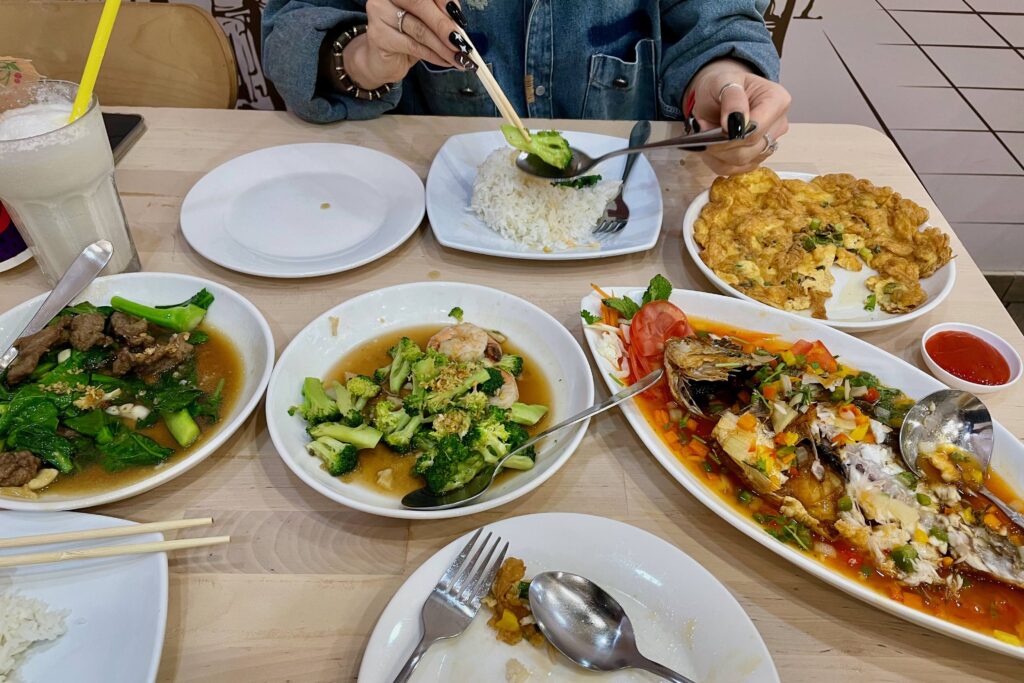
Let me tell you about a couple I met during my travels. Seasoned expatriates, they were eager to show off their cultural chops (pun intended) at a local Chinese restaurant. We ordered a classic spread: veggies, meat, and rice. Out came the chopsticks, and off they went—until the rice hit the table.
Here’s the thing: the restaurant served rice on flat plates, not in bowls. My friends gamely tried to scoop up the grains with chopsticks, but it was a losing battle. Meanwhile, the locals around us were happily using forks and spoons. Lesson learned: when in doubt, look around and see what the locals are doing!
The Unspoken Rules of Chopstick Etiquette
It turns out, there are a few handy rules to follow:
- Rule 1: Noodles are fair game for chopsticks, even on flat plates.
- Rule 2: Rice on flat plates? Use a fork and spoon, especially if you need to separate pieces of meat or veggies.
- Rule 3: Rice in bowls can be eaten with chopsticks, often with the help of a Chinese soup spoon.
These rules aren’t set in stone, but they’ll save you a lot of trouble (and potential embarrassment) at the dinner table.
The Dynamic Duo: Chopsticks and the Chinese Soup Spoon
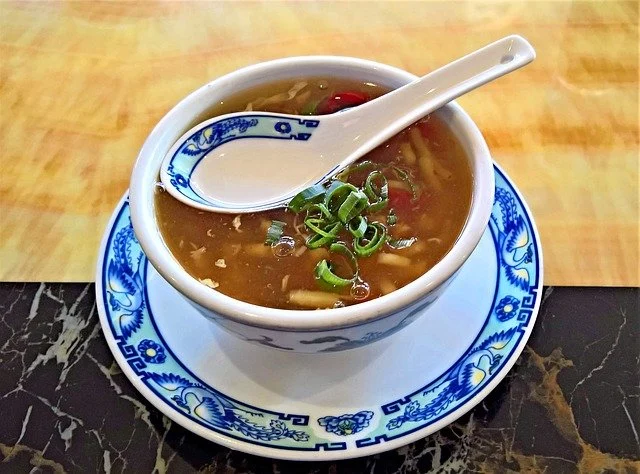
Here’s a fun fact: chopsticks rarely work alone. Enter the Chinese soup spoon—a marvel of design, perfectly shaped for scooping up rice, soup, and just about anything else. Unlike Western spoons, it’s deeper and made of ceramic, which even keeps your food a bit cooler.
The classic move? Use your chopsticks to push a bit of rice onto the spoon, add a piece of meat or veg, and then enjoy the perfect bite. It’s a little dance of coordination, but once you get the hang of it, you’ll never look back.
And it’s not just the Chinese who’ve mastered this combo. Japanese and Korean cuisines also feature their own versions of the soup spoon, each with its own unique twist.
Chopsticks Abroad: Navigating the Global Table
Walk into a Chinese restaurant in London or New York, and you’ll often be given a choice: flat plates with forks and spoons, or bowls with chopsticks. Dishes are still prepared with chopsticks in mind—no need to cut or slice—but the option is there for diners who aren’t quite ready to take the plunge.
There’s one exception: whole fish. Whether steamed or fried, it arrives at the table intact. Here, a waiter or a skilled diner will use a fork and spoon to portion it out. It’s an art in itself, and best left to the experts.
If you’re feeling adventurous, don’t hesitate to ask for bowls and chopsticks. Most restaurants are happy to accommodate, and you might just discover a new favorite way to eat.
The Great Soup Spoon Experiment
Curious about the versatility of the Chinese soup spoon, I once tried it with Western soups—mulligatawny and tomato, to be precise.
The result? Surprisingly effective! Its shape holds more liquid, and the ceramic keeps things cool. But culturally, it just feels out of place with Western dishes. Sometimes, tradition wins out.
Don’t Sweat the Small Stuff: Enjoy the Food
If all these rules and nuances sound overwhelming, don’t worry. The most important thing is to enjoy your meal. Start with what feels comfortable, and you’ll pick up the finer points over time. Travel is all about learning, after all—about people, places, and, yes, even utensils.
Quick Recap: Chopstick Wisdom for the Modern Diner
- Not every Chinese or East Asian dish is meant for chopsticks.
- Rice on flat plates? Fork and spoon. Rice in bowls? Chopsticks (plus a soup spoon).
- Noodles are always fair game for chopsticks.
- Don’t be afraid to ask for the utensils you’re most comfortable with.
- Watch the locals—they’re the best guide to what works.
Final Thoughts: More Than Just Sticks
Chopsticks are more than just eating utensils—they’re a symbol of culture, tradition, and the joy of sharing a meal.
Whether you’re a seasoned pro or a curious beginner, there’s always something new to learn. So next time you’re faced with a pair of chopsticks, embrace the challenge, savor the flavors, and remember: it’s all part of the adventure.
Bon appétit, or as they say in Mandarin, 慢慢吃 (màn màn chī)—take your time and enjoy!