

In November 2021, I found myself confined to a hotel room in Sydney, serving a mandatory 14-day quarantine after an international flight. With time on my hands and a rumbling stomach, I decided to turn my isolation into an experiment: a head-to-head comparison of Uber Eats and DoorDash, the two giants of food delivery apps.
My goal wasn’t to judge the food or the restaurants themselves, but to scrutinize the apps—their design, usability, and the overall experience of ordering a meal from my temporary home in Sydney’s bustling CBD.
Setting the Stage: Sydney’s CBD as the Test Ground
Sydney is Australia’s largest city, and the Central Business District is its beating heart. With a dense concentration of restaurants and food outlets, it’s the perfect setting for a thorough app showdown. Both Uber Eats and DoorDash are well-established here, ensuring a fair and competitive test.
First Impressions: Downloading and Setting Up
Both apps boast impressive user ratings in the Apple Store—4.7 out of 5 stars. Uber Eats, however, has a much larger user base, with over 795,000 reviews compared to DoorDash’s 199,000. Interestingly, Uber Eats’ app is about 50% larger in file size, suggesting more features or perhaps a richer user experience.
Downloading and setting up both apps was quick and painless. Uber Eats felt marginally more polished during the initial setup, but both apps were ready for action within minutes. Their home screens were strikingly similar, almost mirror images of each other. The main difference? DoorDash’s “Pick-Up” button sits at the bottom of the screen, while Uber Eats places its delivery and dine-in options at the top. It’s clear that fierce competition has driven both companies to refine their interfaces to near perfection.
Placing an Order: Where the Real Differences Emerge
The true test came when it was time to place an order. To ensure fairness, I ordered from the same restaurant through both apps. Both performed well—my food arrived without issue each time. However, subtle differences in the user experience began to surface.
DoorDash’s app had a couple of minor hiccups: it froze once, requiring a restart, and on another occasion, a page became unresponsive. There was also a repeatable bug: if I backtracked from the cart and then returned, the cart briefly appeared empty before displaying the correct contents. These were small issues, but worth noting.
Uber Eats, on the other hand, felt more intuitive. Every button was exactly where I expected it to be. For instance, Uber Eats labels your preferred restaurants as “Favourites,” a familiar term, while DoorDash calls them “Saved Stores.” After a few orders, I found myself instinctively searching for “Favourites,” highlighting the subtle power of intuitive language.
Maps and Visuals: Clarity vs. Clutter
Both apps use Google Maps to show restaurant locations and delivery routes. Uber Eats offers a simplified, grey-and-white map, stripping away unnecessary details and making the route easy to follow. DoorDash, by contrast, uses the standard Google Map, which can feel cluttered. To make matters worse, DoorDash overlays promotional banners on the map, sometimes obscuring important information.
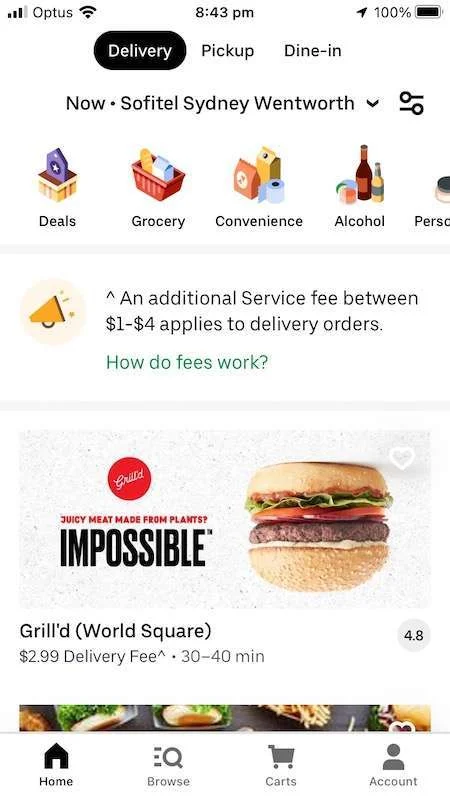
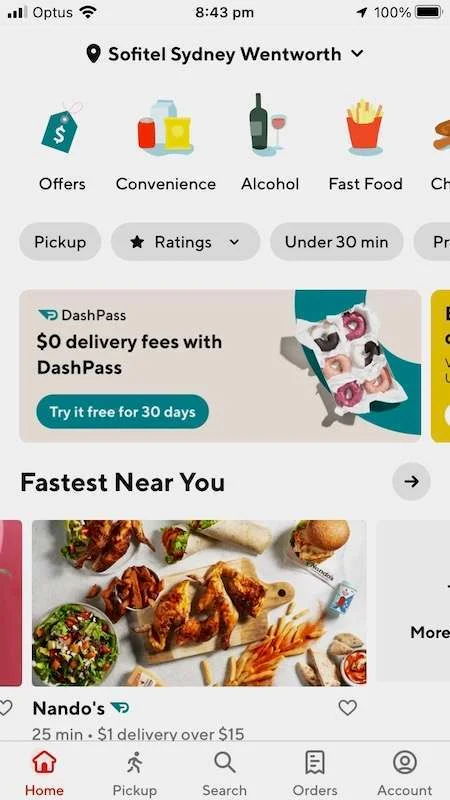
When it comes to food photos, Uber Eats again has the edge. The images are brighter, more appealing, and better organized. All the key information—dish names, prices, and ratings—is presented clearly in one place. DoorDash’s layout is similar, but Uber Eats’ attention to visual detail makes browsing more enjoyable.
Categories, Filters, and Restaurant Listings
Both apps offer a wide range of categories and filters, from cuisine type to delivery time. However, Uber Eats consistently lists more options. For example, there were over 390 Asian restaurants available on Uber Eats, compared to 299 on DoorDash. This advantage held true across other categories as well.
Uber Eats also displays more restaurants per page—four compared to DoorDash’s two and a half. This means you can browse more options with less scrolling, a small but significant convenience. Both apps indicate which restaurants are closed or unavailable, but DoorDash lumps “no longer available” options under “closed,” which can be confusing if you plan to order later.
Tracking Your Order: Progress and Presentation
Both apps provide real-time updates on your order’s progress. Uber Eats uses a green progress bar at the top of the screen, which is visually appealing and gives a sense of momentum—green, after all, is the universal color for “go.” DoorDash’s progress indicator is black and less dynamic, making the experience feel a bit more static.
Customer Support: Handling Hiccups
During my experiment, I received a wrong delivery from DoorDash. The app’s recovery process was impressively smooth. With a quick tap on the help button, I selected the relevant issue, wrote a brief description, and was connected to a support agent named Jema within a minute. She arranged a reorder immediately, and the entire process took less than two minutes. I ended up with the correct meal and a positive impression of DoorDash’s customer service.
While I didn’t encounter any issues with Uber Eats, I tested their help feature up to the point of initiating a chat. The interface was similar, suggesting that both companies prioritize quick and effective problem resolution.
The Verdict: A Close Race, but Uber Eats Leads
Both Uber Eats and DoorDash delivered on their core promise: fast, reliable food delivery with minimal hassle. Setting up the apps, browsing menus, and placing orders were all straightforward processes. However, Uber Eats consistently provided a slightly superior user experience.
Uber Eats’ interface is more intuitive, its visuals are cleaner and more appealing, and it offers a broader selection of restaurants. The app feels more refined, likely a result of its head start in the market and larger user base. Even small touches—like the green progress bar and the use of familiar language—add up to a smoother, more enjoyable experience.
Reflections: The Power of the Modern Food Delivery App
What struck me most during this experiment was not just the quality of the apps, but the sheer range of options and the high level of service available at my fingertips. Few industries—banking, healthcare, or even most online retailers (Amazon being a notable exception)—offer such convenience and choice within a single app. The humble smartphone has truly become a gateway to the city’s culinary landscape.
In the end, while both Uber Eats and DoorDash are excellent choices for food delivery in Sydney, Uber Eats holds a slight but meaningful edge. Whether you’re stuck in quarantine or simply craving a meal at home, these apps make it easier than ever to satisfy your hunger—no matter where you are.