
How Travel Trends Are Redefining the Way We Explore
Travel is more than just moving from point A to point B. Tt’s a dynamic reflection of our changing lifestyles, technological advances, and shifting values. Over the past few decades, travel trends have undergone a profound transformation, moving away from the rigid, agency-led holidays of the past to a more personalized, technology-driven, and environmentally conscious era.
Let’s journey through the key trends that have shaped—and continue to shape—the way we experience the world.
The Demise of the Traditional Travel Agency
In the not-so-distant past, planning a trip often meant visiting a travel agency, poring over glossy brochures, and trusting someone else to organize your flights, hotels, and sightseeing tours.
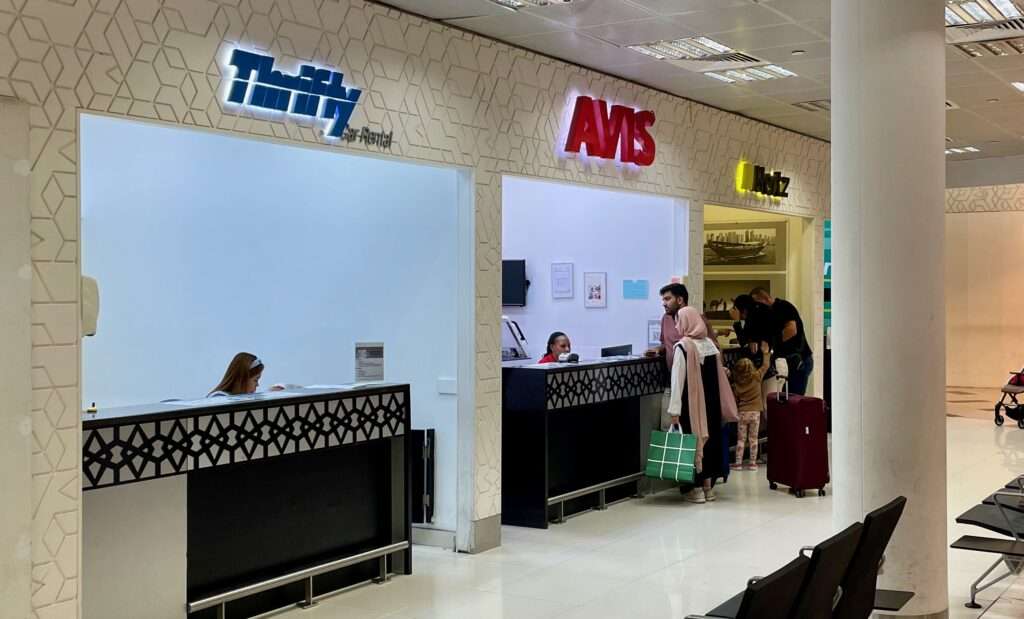
But the 1990s marked a pivotal shift. The rise of the “free and easy” travel movement, first embraced by younger generations, signaled a new era where travelers took control of their own journeys. This do-it-yourself approach meant booking flights, accommodations, and car rentals independently, often through different providers and websites
Airlines were quick to adapt, launching user-friendly online booking systems. Soon after, travel comparison portals like Skyscanner, Expedia, Booking.com, and Kayak revolutionized the industry.
These platforms empowered travelers to compare prices, manage bookings, and receive instant confirmations—all from the convenience of their smartphones. The result? Travelers became more spontaneous, often securing only their flights and the first night’s accommodation, leaving the rest of their itinerary open to serendipity.

The “free and easy” approach redefined what it meant to travel. Some travelers meticulously planned every detail, while others embraced complete flexibility, making decisions on the fly. This shift wasn’t just about convenience; it was about reclaiming agency over the travel experience.
Personal stories illustrate the appeal of this trend. For example, a family road trip across Australia—from Adelaide to Sydney, then down the scenic coast to Melbourne and back—became a cherished memory precisely because it was unplanned. With a bit of research, the family identified potential stopover towns and motels, but made no advance bookings. The freedom to adapt, explore, and discover at their own pace made the journey unforgettable
The “Free and Easy” Philosophy: A New Kind of Adventure
A similar adventure unfolded in the UK, where a family traversed England and Scotland by rental car. The only hiccup? Arriving in the Lake District during peak summer, they found accommodations fully booked and had to detour to a nearby town. Yet, even this challenge became part of the story—a testament to the unpredictability and excitement of “free and easy” travel
Rail’s Remarkable Renaissance
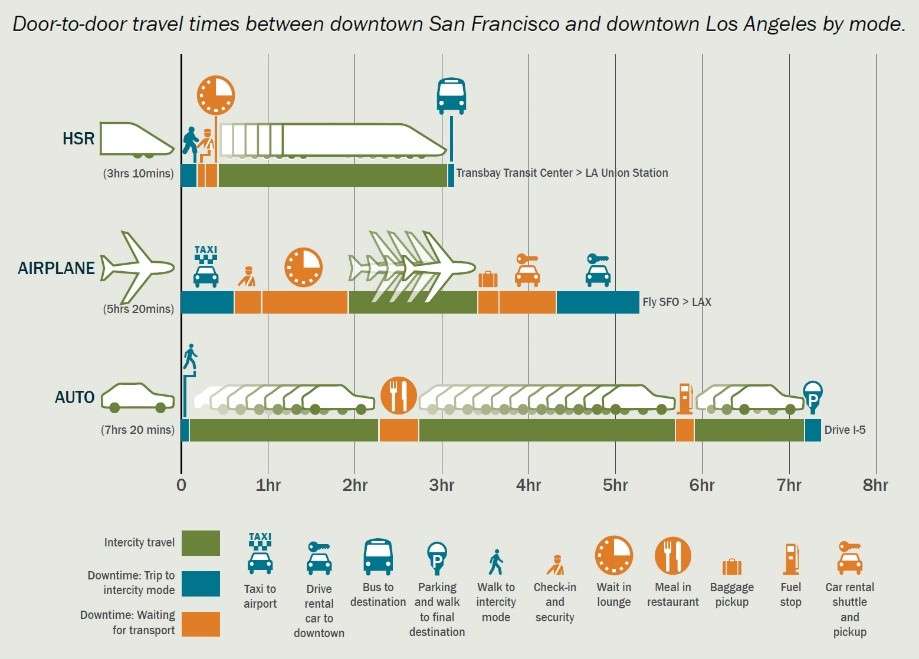
While the early 2000s saw air travel and car ownership soar, another mode of transport was quietly staging a comeback: rail. Today, trains, subways, and light rail systems are at the heart of urban mobility, offering speed, comfort, and environmental benefits.
Urban Rail: The Beating Heart of Modern Cities
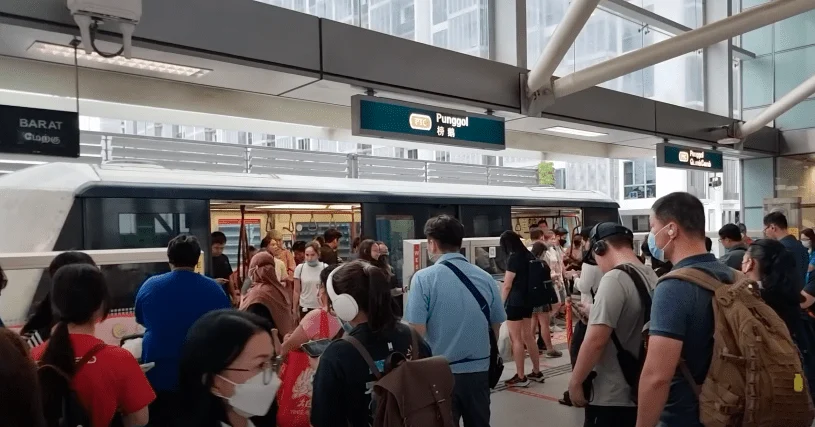
Major cities worldwide have invested heavily in metro and rapid transit systems. London’s iconic Tube, Paris’s Métro, Singapore’s ever-expanding Mass Rapid Transit (MRT), and Dubai’s sleek metro lines have redefined how locals and tourists navigate urban landscapes. These systems are often directly connected to airports, making city access seamless and reducing reliance on unpredictable taxis or private transfers.
The High-Speed Revolution: China Leads the Way
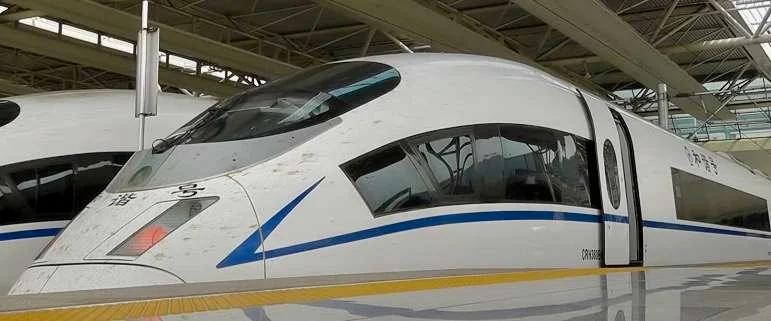
Perhaps nowhere is the rail renaissance more dramatic than in China. The country’s investment in high-speed rail technology is staggering, with sleek, futuristic trains connecting major cities at speeds that rival—and sometimes surpass—air travel. The journey from Beijing to Shanghai, once a grueling 37-hour ordeal, now takes just four hours at an average speed of 350 km/h. Newer trains are pushing the envelope further, with speeds approaching 450 km/h and even 500 km/h on the horizon
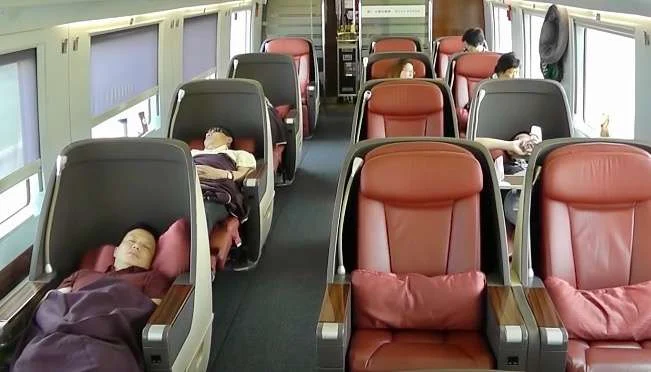
China’s innovation isn’t limited to speed. The introduction of sleeper trains, traveling at a slightly slower pace, allows passengers to cover vast distances overnight, saving on hotel costs and maximizing sightseeing time. However, not all is perfect: many of China’s new train stations are located far from city centers, making the “last mile” of travel—a short journey from the station to the final destination—less convenient than in cities where stations remain central landmarks
Europe’s Green Shift: Back to the Rails
Europe, too, is embracing rail for its environmental benefits. France, for instance, has recently banned short-haul flights for routes that can be covered by train in under two and a half hours—a bold move to reduce carbon emissions and promote sustainable travel[1]. The French TGV and Japanese Shinkansen continue to push the boundaries of speed and efficiency, with Japan still holding the world rail speed record at 603 km/h with a prototype tested in 2015.
The Last Mile: The Final Piece of the Puzzle
One of the persistent challenges in travel is the “last mile”—the gap between major transport hubs and a traveler’s final destination. In cities like London, this is often solved by a combination of walking, cycling, or a quick taxi ride. Bike racks at train stations and integrated public transport networks make the transition smooth[1].
In contrast, China’s decision to build many new stations on the outskirts of cities has created a logistical hurdle. Travelers are forced to rely on additional transport—sometimes over considerable distances—to reach city centers. While this approach avoided the costly and disruptive process of demolishing inner-city neighborhoods, it has made the last leg of the journey less convenient compared to cities where train stations remain central.
Budget Airlines: Democratizing the Skies
While trains are enjoying a renaissance, the rise of budget airlines has also transformed travel. Low-cost carriers have made air travel accessible to millions who might otherwise have been priced out of the market. This democratization of the skies has brought new destinations within reach and injected fresh energy into the tourism industry.
Ride-Hailing and the Digital Revolution
The advent of ride-hailing apps like Uber has further empowered travelers. With transparent pricing, reliable service, and real-time tracking, these platforms have alleviated many of the anxieties associated with traditional taxis—such as unpredictable fares, unfamiliar routes, and variable service quality[1]. For weary travelers, especially in unfamiliar cities, the ability to summon a ride with a few taps on a smartphone is a game-changer.
Looking Ahead: The Future of Travel Trends
Travel is in a constant state of flux, shaped by technology, economics, and evolving social values. As borders become more permeable and global connectivity increases, several trends are likely to define the next chapter:
- Integration of Transport Modes: Cities are investing in seamless connections between trains, metros, trams, and buses, making it easier than ever to move from airport to city center and beyond.
- Sustainability: Environmental concerns are driving a shift toward greener modes of transport, with rail and electric vehicles leading the charge.
- Personalization: Technology enables travelers to customize every aspect of their journey, from itinerary planning to real-time adjustments on the road.
- Resurgence of Classic Modes: Trams, once considered relics of the past, are finding new life in cities like Adelaide, where extensions and inner-city loops are revitalizing urban mobility.
Conclusion: The Joy of the Journey
Travel trends are more than fleeting fads; they are windows into our collective priorities and aspirations. The move from agency-led tours to “free and easy” adventures reflects a desire for autonomy and discovery. The revival of rail and the rise of budget airlines speak to our need for speed, efficiency, and sustainability. And the integration of digital tools—from booking platforms to ride-hailing apps—puts unprecedented power in the hands of travelers.
As technology continues to advance and our world becomes ever more interconnected, one thing is certain: the way we travel will keep evolving. The journey itself, with all its unpredictability and potential for discovery, remains the most fascinating trend of all.