
The Rise and Allure of TikTok: A New Era of Social Media
TikTok, the short-form video app that has taken the world by storm, is more than just a platform for viral dances and catchy music clips. Its meteoric rise has not only disrupted the social media landscape but also reshaped how people, brands, and even governments engage online.
Will it set the new benchmark like what Whatsapp did for the messaging genre?
To understand TikTok’s appeal, it’s essential to trace its origins, examine its unique features, and explore the controversies and cultural shifts it has sparked along the way.
A Humble Beginning: From Video Selfies to Global Phenomenon
At first glance, TikTok might seem like just another app for sharing video selfies. Its interface is intuitive: open the app, record a quick video, and share it with the world.
Unlike YouTube, which often requires more effort—editing, uploading from a computer, and navigating a complex platform—TikTok makes content creation effortless. Even young children, many not yet in their teens, can create and share videos directly from their phones, bypassing the need for a PC or advanced editing skills.
But TikTok’s simplicity is only part of the story. The app’s roots can be traced back to ByteDance, a Chinese tech company that experimented with short-form, humorous video content as early as 2012.
In 2016, ByteDance launched Douyin for the Chinese market, quickly followed by TikTok for international audiences later that year. However, TikTok’s global breakthrough hinged on the existence of another app: Musical.ly.
Musical.ly: The Lip-Sync Revolution
Musical.ly, developed by Alex Zhu and Luyu Yang in Shanghai, debuted in 2014, targeting both Chinese and American users. Its focus was simple but powerful: short, lip-sync music videos. The concept resonated especially with American teens, and by July 2015, Musical.ly topped the iOS App Store charts, spreading to 30 countries and even attracting corporate collaborations, such as Coca-Cola’s “Share a Coke” campaign in 2016.
In 2017, ByteDance acquired Musical.ly, effectively merging it with TikTok. This move was more than a simple acquisition—it was a reverse takeover, with TikTok absorbing Musical.ly’s massive user base and viral content style. While early content was sometimes cringeworthy, the foundation was set for something much bigger.
Explosive Growth: From Teens to the World
TikTok’s growth trajectory has been nothing short of extraordinary. By 2019, it had surpassed Snapchat and Twitter to become the fourth-largest social media app, trailing only Facebook, YouTube, and Instagram. By 2021, TikTok boasted the most downloads of any app globally.
Initially, TikTok’s audience skewed young, with most users under 30. The platform’s early days were dominated by lip-syncing and dance videos, but as its popularity soared, the content diversified. Quick sound bites, life hacks, comedic sketches, and glimpses into everyday life began to flourish. Older users joined the fray, using TikTok to share skills, opinions, and personal stories. The platform’s reach expanded across demographics and continents, with Indonesia emerging as TikTok’s second-largest market after the United States.
The Power of Virality and Algorithmic Magic
One of TikTok’s defining features is its ability to make content go viral seemingly overnight. Unlike other platforms that require users to specify their interests, TikTok’s powerful recommendation algorithm learns from the moment a user logs in. The app curates a personalized feed based on viewing habits, engagement, and even the geographic location at first login.
This algorithmic prowess has set TikTok apart from competitors, enabling spontaneous virality and fostering a dynamic, ever-evolving content ecosystem. Its algorithm became central to US concern.
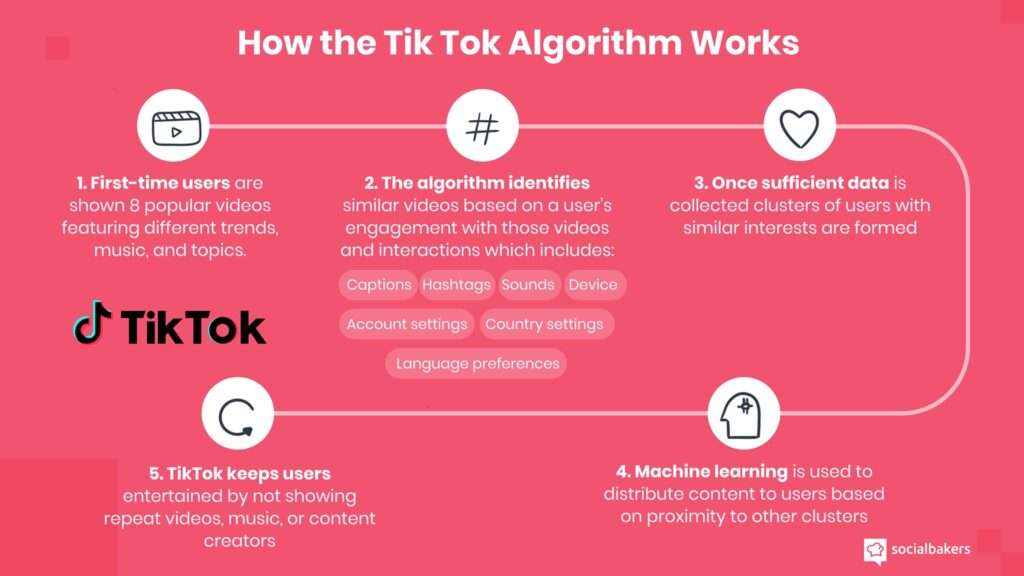
TikTok’s algorithm is so influential that it has become a subject of fascination—and concern. The platform’s ability to surface niche content to massive audiences has democratized fame, allowing ordinary users to amass millions of followers and become influencers in their own right. At the same time, the unpredictable nature of virality means that there is no guaranteed formula for success, keeping creators on their toes and audiences perpetually engaged.
A Broader Canvas: Expanding Content and Community
As TikTok matured, its content landscape broadened. Politics, culinary arts, travel, sports, culture, and even the paranormal found a home on the platform. The app’s viral potential made it an attractive space for advocacy, education, and community-building. TikTok’s sense of community is often cited as a key differentiator, with users reporting a stronger sense of belonging compared to other social media platforms.
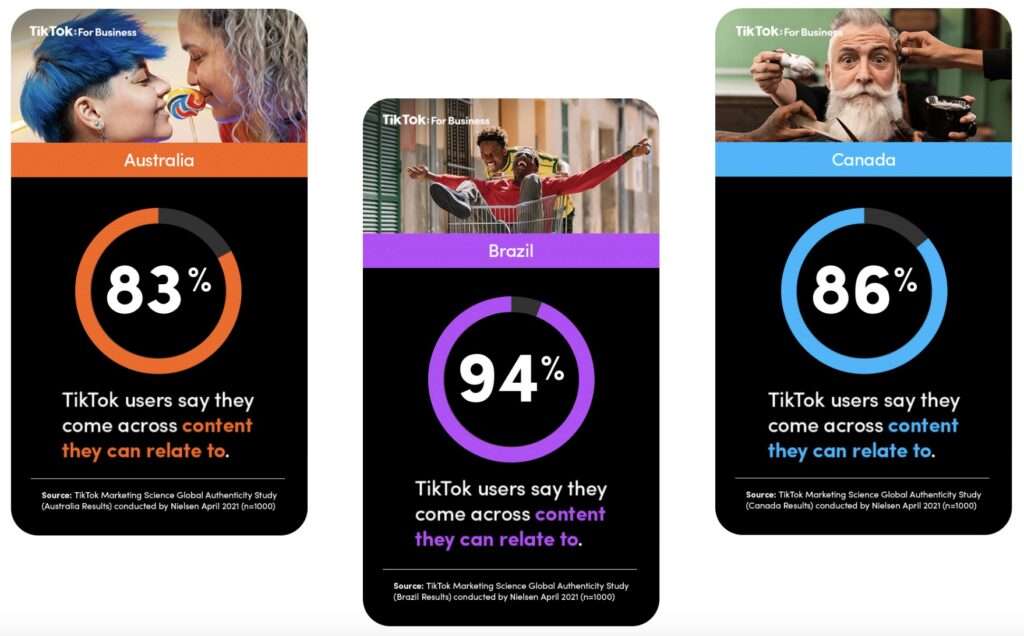
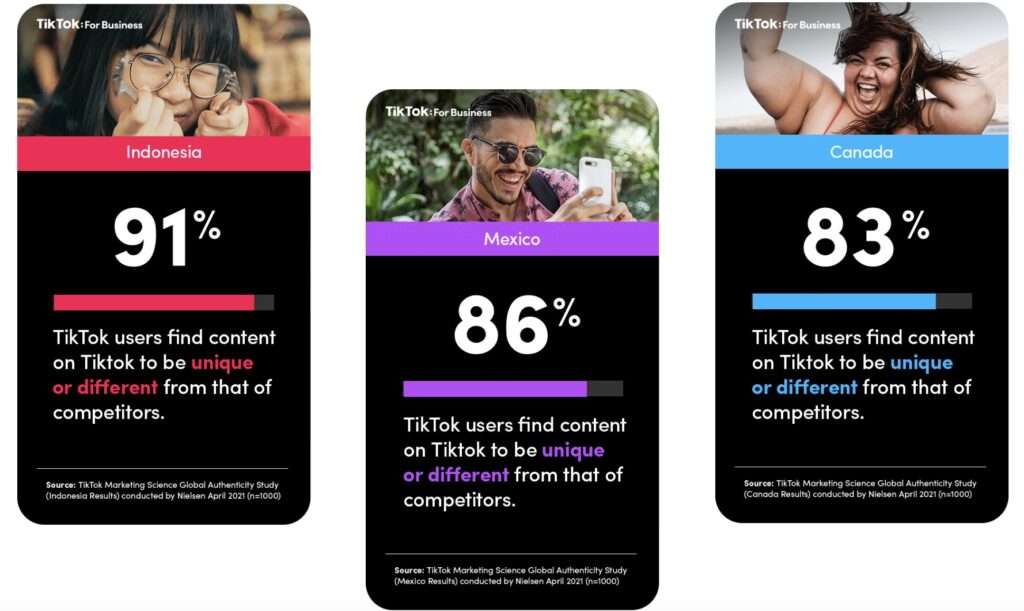
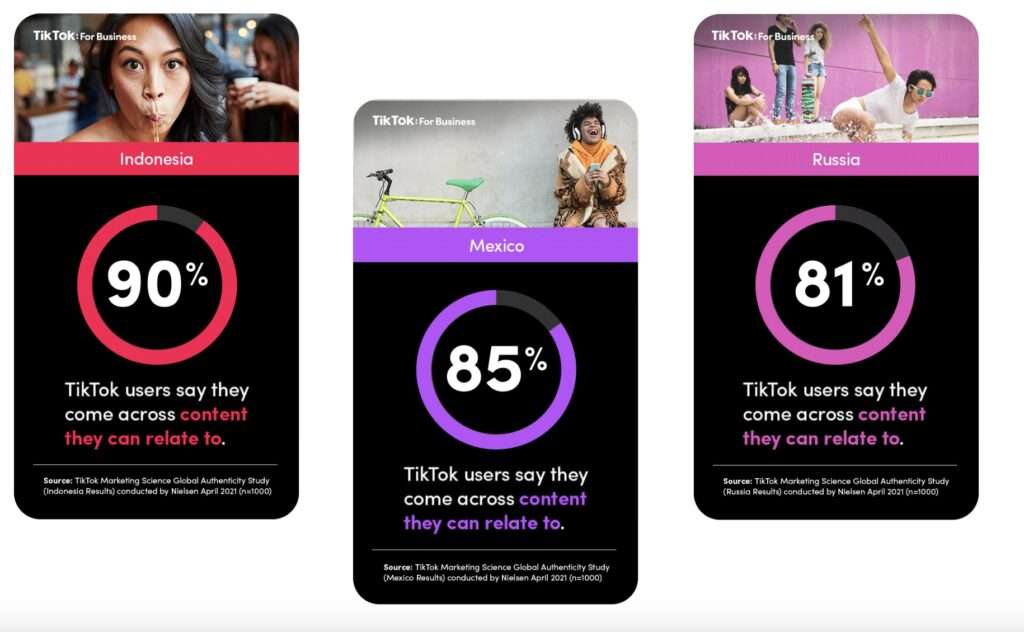
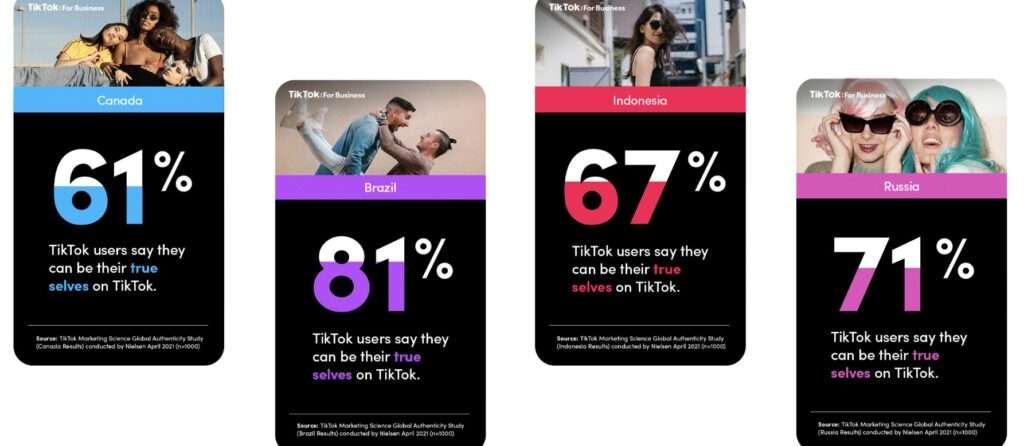
This community spirit is reinforced by TikTok’s unique approach to influencer culture. While paid endorsements and influencer marketing are ubiquitous across social media, TikTok users often perceive the platform as more authentic and trustworthy. According to a 2021 Nielsen study commissioned by TikTok, users describe the app as unique, genuine, and more trustworthy than its rivals. This perception is partly due to TikTok’s emphasis on creativity and originality, as well as its ability to surface relatable, everyday content.
Controversies and Challenges: The Politics of Algorithms
TikTok’s rapid ascent has not been without controversy. Its Chinese origins and the potential for government influence have raised concerns among policymakers, particularly in the United States. Fears about data privacy, propaganda, and the platform’s impact on young, impressionable users have led to calls for regulation and even outright bans. The specter of Facebook’s Cambridge Analytica scandal looms large, fueling debates about the ethical responsibilities of social media companies[1].
Domestically, parents, educators, and social workers have expressed alarm over the amount of time children spend on TikTok and the nature of some of its content. In response, TikTok has taken steps to address these concerns, such as placing servers in Texas, hiring American executives, and proactively shaping its public image. Despite these efforts, skepticism remains, and recent Senate hearings in early 2024 underscored the ongoing challenges TikTok faces in balancing growth with safety and accountability.
Marketing Mastery: Building a Global Brand
TikTok’s marketing strategy has been as innovative as its product. Rather than focusing solely on revenue, the company has prioritized brand awareness and expanding its appeal to creators and viewers alike. A striking example of this approach was the appointment of TikTok CEO Shou Zi Chew as co-chair of the prestigious Met Gala in February 2024—a first for a social media executive. This move, orchestrated alongside fashion icon Anna Wintour, signaled TikTok’s ambition to transcend its digital origins and cement its place in global culture.
The company’s marketing savvy extends to high-profile partnerships and sponsorships, setting it apart from competitors who have been more cautious in their approach. TikTok’s willingness to take bold risks has paid off, helping it capture the imagination of both users and industry observers.
A Platform Like No Other: The TikTok Experience
For users, TikTok offers an experience that is both entertaining and empowering. The app’s design encourages experimentation and creativity, lowering the barriers to entry for aspiring creators. Whether it’s a teenager sharing a dance routine, a chef demonstrating a new recipe, or an activist raising awareness about a social issue, TikTok provides a stage for voices that might otherwise go unheard.
The platform’s appeal is not limited to its content. Users often cite TikTok’s sense of community and the authenticity of its creators as reasons for their loyalty. Unlike other platforms where influencer endorsements can feel hollow or contrived, TikTok’s content is perceived as more genuine and relatable. This authenticity has helped TikTok weather scandals that have rocked other social media giants, such as the collapse of cryptocurrency exchange FTX and the fallout from celebrity endorsements of dubious products.
Global Reach, Local Flavor
One of TikTok’s most intriguing aspects is its ability to resonate across diverse cultures and markets. While the app’s popularity in the United States is well-documented, its success in countries like Indonesia highlights its adaptability and global appeal. Each market has developed its own TikTok culture, with content reflecting local trends, humor, and sensibilities. This localization strategy has allowed TikTok to thrive where other platforms have struggled, making it a truly global phenomenon.
Looking Ahead: The Future of TikTok
As TikTok continues to evolve, its influence shows no signs of waning. The platform’s blend of creativity, community, and algorithmic innovation has set a new standard for social media.
Yet, challenges remain—from regulatory scrutiny to the ever-present risk of cultural backlash. How TikTok navigates these challenges will determine its place in the digital landscape for years to come.
For now, TikTok stands as a testament to the power of simplicity, creativity, and connection in the digital age. Whether you’re a casual viewer, an aspiring creator, or a brand seeking to engage new audiences, TikTok offers a glimpse into the future of social interaction—one short, captivating video at a time.