
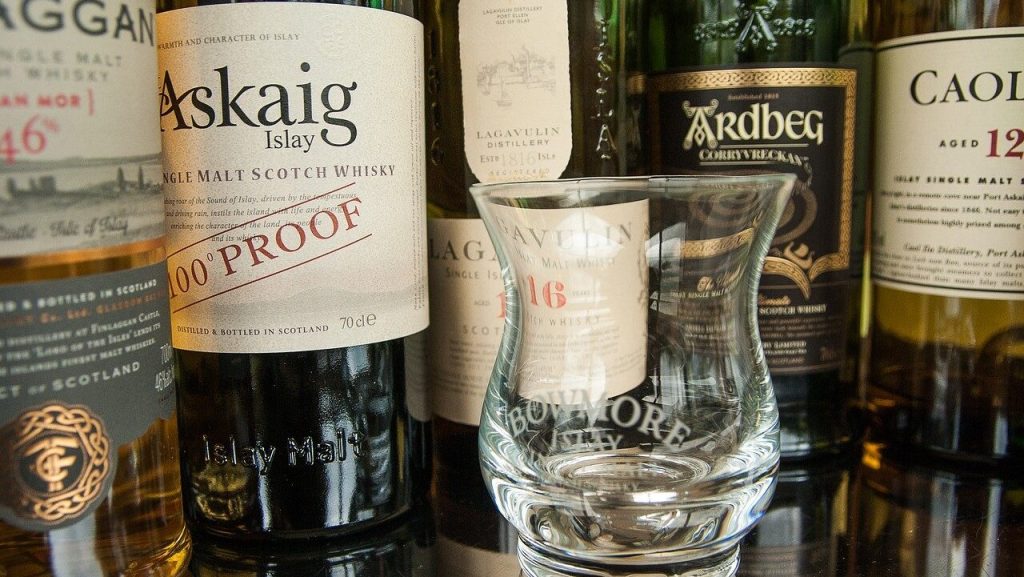
A Journey of Discovery
Introduction: The Familiar Comfort of Beer
For many, the world of alcoholic beverages begins with the humble beer. There’s an undeniable satisfaction in reaching for a chilled glass after a long day, especially during the sweltering heat of summer or alongside a spicy curry. Beer quenches your thirst, soothes your mind, and offers a sense of camaraderie when shared with friends. It’s the drink of choice for winding down, whether alone or in good company.
At the age of 18, beer often marks the start of one’s journey into alcohol. Young adults test their limits, matching their abilities with friends, and typically gravitate toward popular local brands. Experimentation follows—different beers, perhaps a cocktail or two, and even forays into other spirits.
Yet, beer remains the world’s most popular alcoholic beverage, beloved for its reliability and ease. Interestingly, beer consumption skews male, possibly due to its historic association with masculinity and the imposing size of the glass.
But why begin with beer when the true subject is the mystique of single malt Scotch whisky? The contrast is essential: while beer is communal and accessible, single malt whisky is a more solitary, contemplative pursuit.
The Whisky Awakening
The journey into single malt whisky often starts later in life, driven by personal curiosity rather than peer influence. Unlike the social experimentation of beer, whisky invites a quieter, more introspective exploration. There’s research involved—reading, tasting, and conversing with fellow enthusiasts. It’s a drink that demands reverence and is typically enjoyed at home, savored in solitude or with a select few who appreciate its nuances.
Whisky’s appeal is shaped by a tapestry of influences: its storied history, the intricate production processes, the aura of prestige, and the image it projects. Distilleries invest heavily in bottle design and packaging to reinforce this mystique, understanding that whisky is as much about perception as taste.
Understanding the Types: Blended vs. Single Malt
Scotch whisky is governed by strict regulations, with five official classifications. However, for most enthusiasts, the distinction boils down to two main types: blended whisky and single malt.
Blended whisky dominates the market, accounting for more than 80% of sales. Its popularity stems from affordability and a smoother, more approachable flavor profile. Blended whiskies often combine spirits from multiple distilleries and may include grains other than malted barley. The blending process is designed to create a consistent, mellow taste, free of sharp edges or overpowering aromas, appealing to a broad audience. Major conglomerates, focused on volume and profit, continue to prioritize blends.

Single malt whisky, on the other hand, is crafted from malted barley at a single distillery. Each single malt expresses a unique character, shaped by factors such as the source of water, the malting process, and the type of peat used in drying the barley. These whiskies are celebrated for their complexity and depth, offering a distinct experience with every bottle.
An Acquired Taste: The Loyalty of the Single Malt Drinker
Single malt whisky is an acquired taste. After a period of experimentation and research, most enthusiasts settle on a preferred brand—one that resonates with their palate and becomes a personal treasure. This whisky is reserved for special occasions or shared only with fellow connoisseurs.
A memorable lesson for many is that not everyone appreciates single malt’s subtleties. Offering a prized bottle to a group of casual drinkers can result in disappointment, as it may be consumed quickly without appreciation. Whisky preference is deeply personal; some lifelong blended whisky drinkers remain loyal to their choice even after sampling single malts.
Heritage and Legislation: Protecting a National Treasure
The production of Scotch whisky is steeped in tradition and protected by rigorous UK laws. These regulations safeguard everything from naming conventions and geographical origins to production methods and labeling. Such measures are vital, given that whisky contributes approximately AUD 7 billion in exports annually to Scotland’s economy and attracts tourists from around the world to its historic distilleries.
The Influence of Regions: Speyside, Islay, and Beyond
Scotland’s whisky-producing regions impart distinctive characteristics to their spirits. Speyside and Islay are particularly renowned among the five regions. . Islay whiskies are famous for their peaty, smoky flavors, instantly recognizable to aficionados. Meanwhile, Speyside is celebrated for its rich, elegant single malts. . While most popular single malts hail from these two regions, there are notable exceptions—such as Talisker from the Highlands—each offering unique gems for the adventurous palate.
Some of the most widely appreciated single malts include Lagavulin (Islay), Macallan (Speyside), Ardbeg (Islay), Laphroaig (Islay), Glenfiddich (Speyside), and Talisker (Highlands). Their global availability has helped them garner devoted followings, though many lesser-known treasures await discovery by those willing to seek them out.
Whisky Tasting: A Social Ritual
What began as a spontaneous gesture—sharing a bottle of expensive single malt at a gathering—has evolved into a cherished tradition among friends. Whisky tasting sessions now feature regularly, with each person contributing a different bottle for the group to sample and discuss. These gatherings have broadened horizons, introducing Japanese single malts alongside Scotch and even attracting female participants, reflecting the growing diversity of whisky appreciation.
The Rise of Japanese Single Malt Whisky
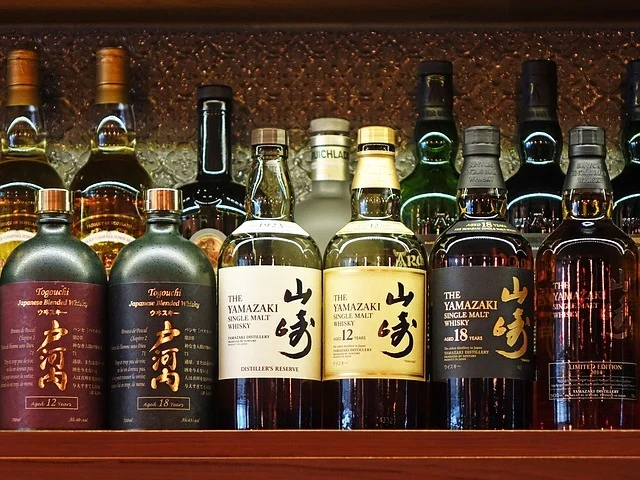
Today, the allure of single malt whisky extends beyond Scotland. Japanese single malts have earned international acclaim for their craftsmanship and complexity, often holding their own against traditional Scotch. Their presence on liquor store shelves, and the attention they command from discerning shoppers, is a testament to their rising prestige.
A Personal Discovery: The Power of Recommendation
Sometimes, the path to a favorite whisky is serendipitous. One enthusiast recounts receiving an indirect recommendation from a retired airline executive, who described the painstaking process his company undertook to select the world’s best single malts for first-class passengers. Intrigued, the enthusiast purchased the top-ranked bottle—not as a whisky drinker, but out of curiosity. The experience was transformative as the expert panel had chosen well. A lifelong preference was born.
Rituals and Preferences: The Perfect Pour
Despite sampling other single malts, many drinkers remain loyal to their first love, especially if it hails from Islay and boasts the region’s signature peaty, smoky character. For some, this earthy flavor resonates deeply, even aligning with personal values such as environmentalism.
The ideal setting for enjoying single malt is one of solitude. Perhaps curled up with a good book by the fireplace on a cold winter night. In Adelaide, where winter nights can be crisp, the ambiance is perfect for such moments of quiet reflection.
The Right Glass and the Art of Savoring
Glassware matters. After trying various options, a short tumbler with a heavy bottom emerges as the favorite, echoing the wisdom of generations of whisky drinkers. The ritual is simple: pour the whisky, add a splash of water and a few ice cubes, and settle in for a late-night session. The only sounds are the occasional rustle of possums or the wind outside. rustle of possums or the wind outside.

Each sip is deliberate, allowing the aroma to reach the nose before the liquid touches the tongue. The earthy notes ground the drinker, connecting them to their surroundings and the moment. This slow, mindful approach enhances the experience, making each glass a special occasion.
Conclusion: The Enduring Lure of Single Malt
Single malt Scotch whisky is more than a drink—it’s a journey. From the first tentative taste to the discovery of a personal favorite, it rewards curiosity, patience, and discernment. Whether enjoyed in solitude or shared with fellow enthusiasts, single malt offers a depth of flavor and a sense of tradition that few other spirits can match.
Its allure lies not just in taste, but in the stories, rituals, and heritage that surround it. For those who heed its call, single malt whisky becomes a lifelong companion—a testament to the pleasures of discovery and the enduring appeal of craftsmanship. That, truly, is the lure of single malt whisky[1].