
Discover the Irresistible Rice Trinity: A Foodie’s Global Adventure
If you’re a true food lover, you know there are some dishes so iconic, so aromatic, and so rich in history that they transcend borders and cultures.
Today, let’s embark on a delicious journey across continents to explore what I call the “Rice Trinity”—three legendary rice-and-meat masterpieces: Spanish Paella, Arabian Kabsa, and Indian Biryani.
Each dish is a celebration of flavor, tradition, and culinary artistry, and together, they form a trio that every foodie should experience at least once in their lifetime.
Why the “Rice Trinity”?
You might wonder, why group these three dishes together? Is it just about rice and meat? Not quite! While each dish hails from a different corner of the world—Spain, the Arabian Peninsula, and India—they share three irresistible traits.
There is indeed a common thread in terms of origin.
- Aromatic intensity: Each dish is a sensory explosion, with aromas and flavors that linger in your memory.
- Rice as a star: The rice isn’t just a sidekick. It’s lovingly prepared and infused with spices, making it as important as the meat.
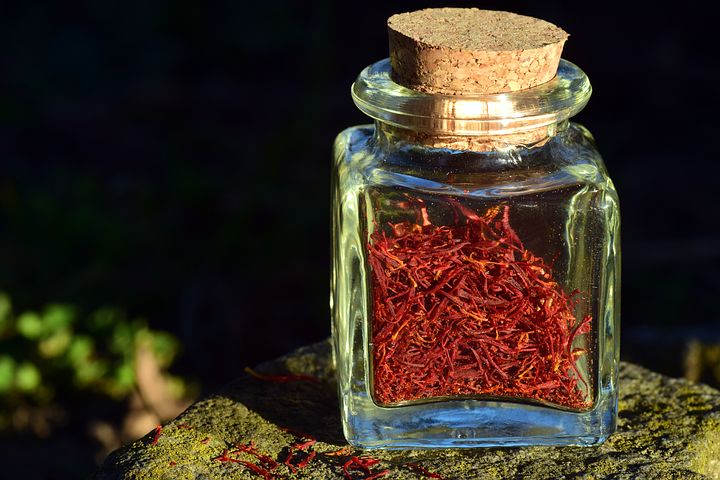
- A golden touch: The secret ingredient? Saffron—the world’s most precious spice—gives each dish its signature golden hue and subtle, luxurious flavor[1].
But there’s more: all three dishes have deep roots in history, shaped by centuries of trade, conquest, and cultural exchange. And while the number three might be a coincidence, the magic certainly isn’t!
The Dishes: Where Culture Meets Cuisine
1. Spanish Paella: Valencia’s Golden Treasure
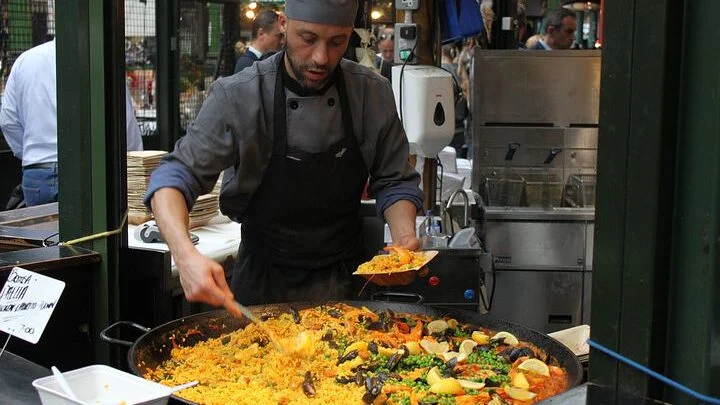
Let’s start in the sun-drenched fields of Valencia, Spain, where paella was born. Paella isn’t just a dish—it’s a symbol of Spanish pride, fiercely protected by Valencians who consider it their culinary heritage.
What makes it special?
- Rice: Short-grain Bomba or Valencia rice, which soaks up flavors without turning mushy.
- Saffron: Threads of saffron infuse the rice with a golden color and delicate aroma.
- Proteins: Traditionally, paella features a mix of chicken, rabbit, and sometimes seafood, all cooked together in a wide, shallow pan.
- Vegetables & Spices: Tomatoes, green beans, paprika, and rosemary add complexity.
The experience: Paella is a communal affair, often enjoyed at festivals or family gatherings. The crispy bottom layer of rice, known as socarrat, is the ultimate prize for any paella lover.
“In Valencia, paella isn’t just food—it’s a celebration, a ritual, and a point of pride.”
2. Arabian Kabsa: The Heartbeat of the Middle East
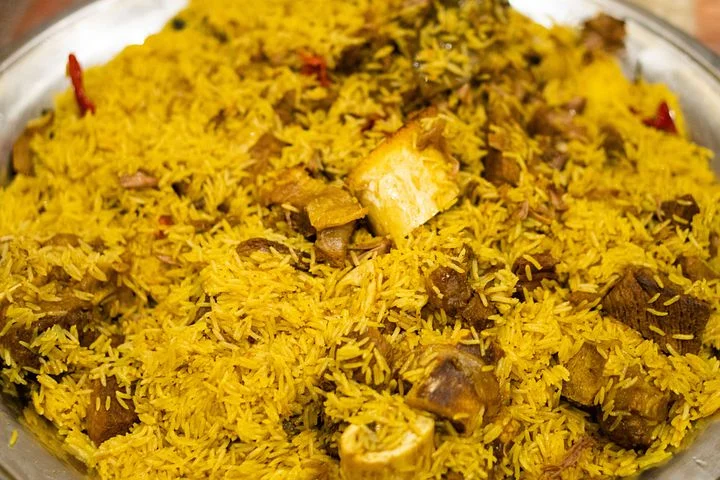
Next, we journey to the Arabian Peninsula, where Kabsa reigns supreme. This dish is a staple at celebrations, weddings, and feasts. Beloved in Yemen and Saudi Arabia.
What makes it special?
- Rice: Long-grain Basmati rice, prized for its fragrance and fluffy texture.
- Saffron: Once again, saffron takes center stage, giving Kabsa its signature color and aroma.
- Proteins: Slow-cooked with rice. Which allows the meat flavours to infuse the rice.
- Spices: A heady mix of cardamom, cloves, cinnamon, black lime, and bay leaves creates a symphony of flavors.
The experience: Kabsa is traditionally served on a large platter for sharing. It’s a dish that brings people together—no side dishes needed.
“Kabsa is more than a meal; it’s a feast for the senses and a celebration of hospitality.”
3. Indian Biryani: The Jewel of Hyderabad
Finally, we arrive in India, where Biryani is the undisputed king of rice dishes. While there are countless regional variations, the Hyderabadi Biryani is often hailed as the gold standard.
What makes it special?
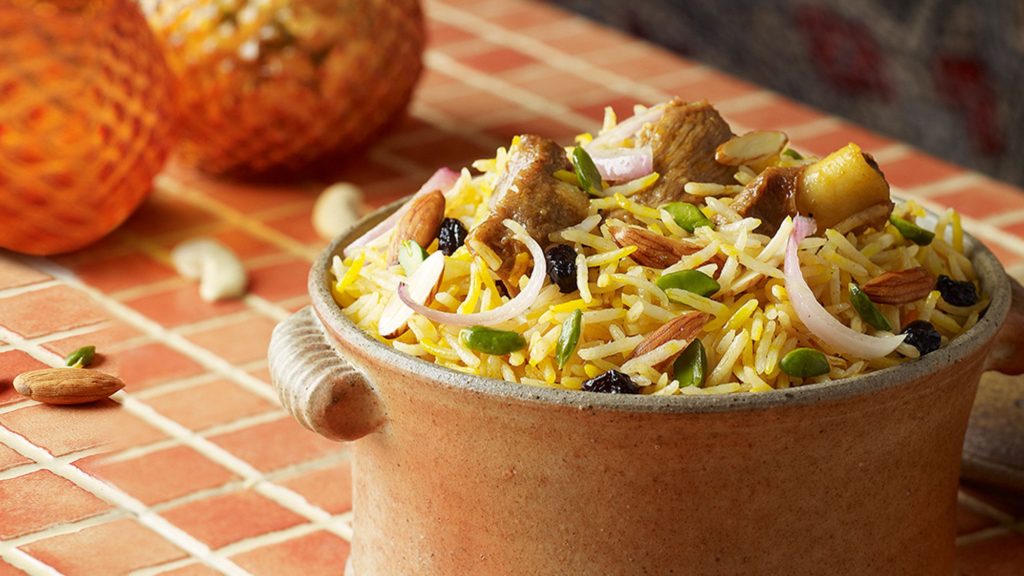
- Rice: Aromatic Basmati rice, layered and cooked with marinated meat.
- Saffron: Saffron-infused milk is drizzled over the rice. This creates beautiful golden streaks and a rich fragrance.
- Proteins: Chicken, mutton, or beef, marinated in yogurt and spices, then cooked together with the rice in a sealed pot (dumcooking).
- Spices: A complex blend of cumin, coriander, cloves, cardamom, and more, balanced with fried onions, mint, and coriander leaves.
The experience: Biryani is reserved for special occasions. Weddings, festivals, and family gatherings. The process is laborious, but the result is pure magic: every grain of rice is infused with flavor, and the meat is melt-in-your-mouth tender.
“A true biryani is a labor of love, where patience and tradition create an unforgettable feast.”
The Common Threads: More Than Just Food
Rice: The Soul of the Dish
In each dish, rice is elevated to an art form. Whether it’s the plump grains of Bomba in paella, the fragrant Basmati in kabsa and biryani, or the careful layering and seasoning, the rice is never an afterthought. It absorbs the essence of the spices, meat, and saffron, becoming a flavorful canvas for the entire dish.
Saffron: The Golden Connection
Saffron is the common thread that weaves these dishes together. This precious spice, harvested from the delicate crocus flower, is mostly produced in Iran—a country geographically central to Spain, Arabia, and India. Its presence in all three dishes is a testament to centuries of trade and cultural exchange.
History and Heritage
Each dish tells a story of migration, conquest, and adaptation:
- Paella’s roots trace back to the Moors, who brought rice and saffron to Spain.
- Biryani’s origins are linked to the Mughal invaders, who introduced Persian cooking techniques to India.
- Kabsa sits at the crossroads of the Arabian Peninsula, influenced by Persian, Ottoman, and Indian cuisines.
Even today, these dishes are often prepared by specialists—cooks who dedicate themselves to perfecting just one dish, passing down their secrets through generations.
The Ritual: More Than a Meal
What sets the Rice Trinity apart from other rice dishes? It’s not just the flavors—it’s the ritual and reverence. These aren’t everyday meals; they’re reserved for celebrations, festivals, and special occasions. They’re cooked with care, patience, and a sense of ceremony.
And while you might find “biryani” or “paella” on many restaurant menus, beware of shortcuts! The real deal takes time: marinating the meat, layering the rice, infusing with saffron, and slow-cooking everything together. The reward? An explosion of flavor that’s worth every minute.
A Foodie’s Guide: How to Find the Real Thing
If you’re on a quest to experience the authentic Rice Trinity, here are some tips:
- Do your research: Look for restaurants or cooks with a reputation for authenticity.
- Watch the preparation: Real biryani, for example, is cooked with the meat and rice together, not separately.
- Trust your senses: The aroma should be intoxicating, and the presentation should reflect care and tradition.
- Ask locals: Whether in Valencia, Hyderabad, or Riyadh, locals know where to find the best.
And if you’re lucky enough to find a place that serves the real deal, savor every bite. These dishes are more than food—they’re edible history.
A Personal Journey: Falling in Love with the Trinity
My own love affair with the Rice Trinity began with biryani—years of savoring its layers of flavor before I even knew about its Spanish and Arabian cousins. Paella came next, discovered at London’s Borough Market, where the scent of saffron and seafood drew me in. Kabsa was the final piece, tasted in the heart of the Middle East, where I was welcomed to a feast that felt like a royal banquet.
Each time, I was struck by the intensity of flavor, the depth of aroma, and the sense of occasion. I’ve introduced friends to these dishes, and every time, their reactions are the same: “This is extraordinary!”
Foodie Fun Facts: Did You Know?
- Saffron is worth more than gold by weight, and it takes about 75,000 flowers to produce a single pound!
- Socarrat, the crispy rice at the bottom of paella, is so prized that some diners fight over it.
- Biryani’s “dum” cooking method involves sealing the pot with dough, trapping steam and infusing every grain with flavor.
- Kabsa’s spice blend varies by region, but black lime is a signature ingredient in Yemeni versions.
The Takeaway: Join the Rice Trinity Adventure
If you love food that tells a story, that brings people together, and that leaves a lasting impression, the Rice Trinity is your culinary passport.
Each dish is a masterpiece, shaped by history and perfected by generations of cooks. So next time you’re planning a special meal—or just want to treat yourself—seek out paella, kabsa, or biryani.
And remember: The best things in life (and food) are worth the wait. Happy feasting, fellow foodies!
“To discover one of these is already a boon, but to discover the irresistible rice trinity is a stroke of luck. Good luck on this journey of discovering the irresistible rice trinity!”