

The Evolution of Coffee: From Beverage to Lifestyle in Adelaide and Beyond
Coffee has always been more than just a drink—it’s a ritual, a comfort, and, increasingly, a symbol of lifestyle. Over the past thirty years, I’ve watched coffee transform. From a simple morning pick-me-up into an integral part of daily living, especially in places like Adelaide, Australia.
This journey mirrors global trends, from the Starbucks phenomenon to the rise of boutique roasters and the home barista movement. Here’s a look at how coffee culture has evolved, what makes Adelaide’s scene unique, and where the future may lead.
The Early Days: The Starbucks Wave
The global coffee revolution began in earnest with Starbucks, which started spreading its green-and-white logo across continents in the 1990s. Starbucks didn’t just sell coffee; it sold an experience. A “third place” between home and work where people could meet, relax, or even conduct business. The chain’s influence was undeniable, making coffee shops a centerpiece of urban life. Turning coffee into a lifestyle item rather than just a beverage.
But Starbucks’ journey in Australia was far from smooth. Despite its global dominance, the chain struggled to win over Australian coffee drinkers. The reason? Australia already had a deeply rooted coffee culture, thanks in large part to Italian immigrants who brought with them a passion for quality coffee, espresso, and the art of roasting beans. Australians knew what good coffee tasted like, and Starbucks’ sweeter, milk-heavy drinks didn’t quite fit the local palate.
Adelaide’s Coffee Renaissance
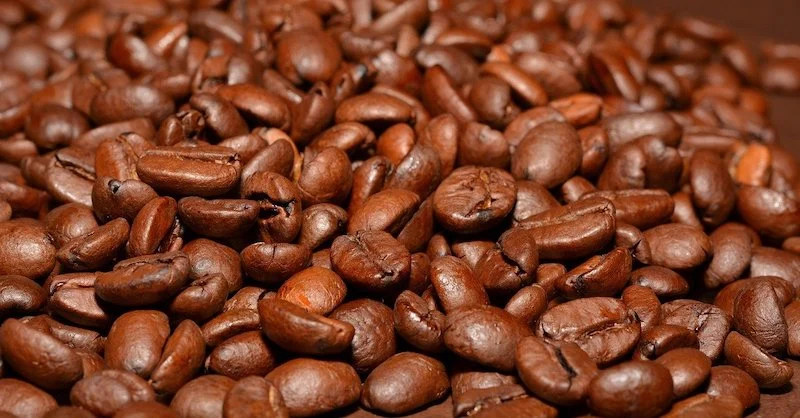
Adelaide’s coffee culture, while influenced by global trends, has developed its own distinct flavor. Over the last fifteen years, the city has seen a surge in independent roasters and specialty cafés. Coffee lovers here aren’t just looking for a caffeine fix—they’re seeking out specific blends, experimenting with brewing methods, and even roasting their own beans at home.
Visiting a café in Adelaide today is a far cry from simply grabbing a quick cup. People choose their coffee based on the origin of the beans, the roasting profile, and the expertise of the barista.
After a meal at a trendy restaurant, it’s common to head to a specialty coffee shop for a carefully crafted cup. At home, hosting friends often ends with a coffee ritual. Discussing the merits of different beans, brewing fresh cups, and sharing the experience.
The Home Barista Boom
One of the most exciting developments in recent years is the rise of the home barista. No longer satisfied with store-bought grounds, coffee enthusiasts are sourcing beans from specialty suppliers, often online. Some opt for green, unroasted beans and invest in home roasting equipment, delving deep into the nuances of acidity, aroma, and body. The process is both a science and an art, with aficionados comparing notes on forums and sharing reviews.
The range of home coffee machines has exploded, from simple French presses to high-end espresso makers. The result? Freshly brewed, aromatic coffee tailored to personal taste, enjoyed in the comfort of one’s own kitchen. For many, the ritual of selecting, roasting, and brewing coffee is as enjoyable as drinking it.
Coffee Chains and the Quest for Cool
Despite the dominance of independent cafés, chain coffee shops still play a role in the culture. Starbucks, for all its struggles in Australia, remains a popular spot for tourists and those seeking a familiar environment. The brand’s massive “Trenta” cup is as much a fashion statement as a beverage, signaling a certain lifestyle.
Other chains have followed suit, popping up in high-traffic areas like office buildings, transport hubs, and hospitals. In some towns, the presence (or absence) of a coffee chain is seen as a barometer of economic vitality. But for true coffee lovers, the focus remains on quality and authenticity.
The Italian Influence: Why Starbucks Stumbled
Australia’s coffee culture owes much to Italian immigrants, who brought with them a deep appreciation for espresso and the craft of coffee making. In cities like Melbourne, Italian cafés became community hubs, serving as models for what coffee could be. The “flat white,” now a staple in Australian cafés, emerged as a local favorite, offering a balanced, less milky alternative to Starbucks’ offerings.
This heritage gave Australians a discerning palate and an expectation of quality that international chains struggled to meet. Starbucks’ failure to adapt to local tastes led to the closure of many outlets, with the remaining stores catering more to tourists than locals.
Coffee’s Global Journey: The UK and Beyond
The Italian influence isn’t limited to Australia. In the UK, Italian cafés helped rejuvenate a coffee scene that had long played second fiddle to tea. Today, coffee is nearly as popular as tea in offices, malls, and university campuses across Britain. Specialty coffee shops and chains alike have flourished, offering a wide range of beans and brewing methods to a growing customer base.
The Rise of Coffee Capsules
While purists may scoff, coffee capsules and pods have carved out their own niche. Brands like Nespresso have made it easy for anyone to enjoy a variety of high-quality coffees at home, with minimal fuss. The convenience and consistency of capsules appeal to busy professionals and families alike, and the sheer range of flavors makes it easy to sample coffees from around the world.
Capsules represent a “degustation” approach to coffee—trying a little of everything, without the commitment of buying large quantities. For many, the capsule machine has become a centerpiece of family gatherings, with everyone choosing their favorite blend and comparing tasting notes.
Specialty Coffee Bars and the Craft Movement
Perhaps the most exciting trend is the rise of specialty coffee bars, often run by passionate young entrepreneurs. These cafés focus on quality, sourcing beans from top growers and experimenting with roasting techniques to bring out unique flavors. Baristas have become artisans in their own right, with specialized training and a deep knowledge of coffee’s complexities.
In Adelaide, specialty coffee shops have moved from hidden backstreets to prime locations, attracting both dedicated coffee fans and casual drinkers. Commercial property owners now seek out quality coffee outlets to enhance the appeal of their buildings, recognizing the draw of a great café.
Coffee as a Social Connector
Coffee’s evolution isn’t just about taste—it’s about connection. Whether gathering with friends at a local café, bonding with family over a weekend breakfast, or chatting with fellow enthusiasts online, coffee brings people together. The rituals around coffee—choosing beans, discussing brewing methods, savoring the aroma—create shared experiences and lasting memories.
The Future: What’s Next for Coffee Culture?
Looking ahead, the coffee scene in Adelaide and beyond shows no signs of slowing down. The explosion of specialty shops in cities like London, even in the heart of tea-drinking Britain, suggests that the craft coffee movement is here to stay. In Australia, the combination of heritage, innovation, and community ensures that coffee will remain central to daily life.
As for me, I’ve become a part of this evolving culture—sampling beans from around the world, experimenting with brewing methods, and sharing the experience with family and friends. Whether you’re a seasoned coffee aficionado or just starting your journey, there’s never been a better time to explore the rich, diverse world of coffee.
So, next time you brew a cup—whether from a capsule, a French press, or a specialty café—take a moment to savor not just the flavor, but the culture and community that come with it. Enjoy your chosen brew, and welcome to the ever-evolving world of coffee.