
Japan’s Food Culture: A Living Brand of Artistry, Ritual, and Flavor.
Japan’s food culture is more than just a collection of recipes or a way to satisfy hunger—it’s a living brand, a unique identity meticulously crafted over centuries.
From the moment ingredients are sourced to the final, artful arrangement on your plate, every detail is governed by tradition, precision, and a deep respect for nature’s rhythms. While Italian pasta and pizza have become global staples, Japanese cuisine stands apart, not just for its flavors, but for the philosophy and ritual woven into every bite.
Why Japanese Food Culture Is Unique
Most people approach food with two main considerations: taste and price. When cuisines like Japanese or Thai become popular abroad, diners often focus on these aspects, perhaps with a dash of novelty for something different.
But to truly understand Japanese food culture, you must look beyond flavor and cost. In Japan, food is not just fuel—it’s a performance, a ritual, and a reflection of the seasons and the land.
The Open Kitchen: Transparency and Trust
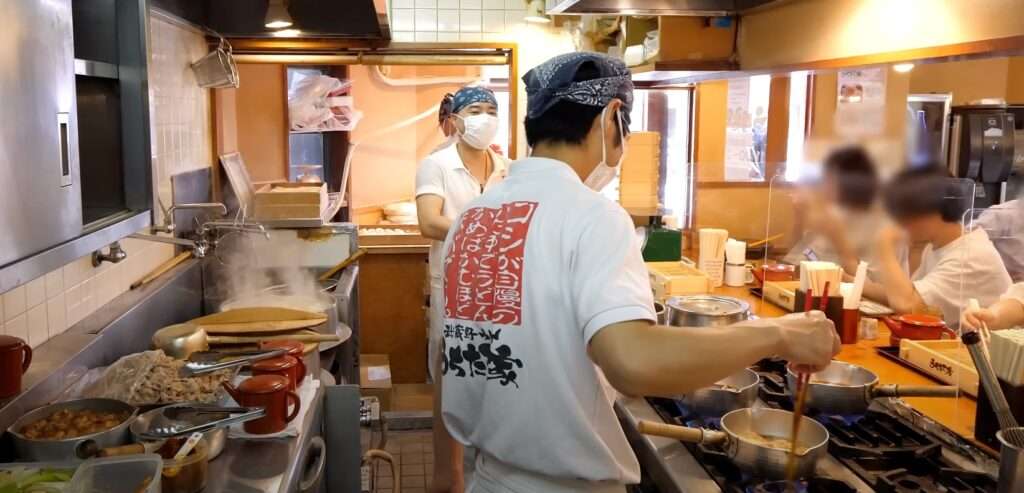
One of the most striking features of Japanese eateries is the open kitchen. Unlike many Western restaurants, where food preparation happens out of sight, Japanese kitchens are often in full view of diners.
Watching chefs at work is part of the experience. This transparency isn’t just for show; it’s rooted in tradition and a desire to build trust with customers. Every movement, from slicing fish to arranging garnishes, becomes a display of skill and pride.
The Ritual of Preparation
Curiosity about these customs led me to research and observe Japanese food preparation more closely. What I discovered was a world where every step—from sourcing ingredients to plating the final dish—is a carefully choreographed ritual.
This applies across all types of establishments, from humble noodle shops to high-end sushi bars. While there are exceptions, the overarching theme is one of meticulous attention to detail and respect for tradition.
Sourcing and Seasonality: Nature’s Calendar
In Japan, the concept of seasonality is sacred. Chefs select ingredients at their peak, and many dishes are only served when the necessary produce is in season—even if those ingredients could be imported from elsewhere.
This practice ensures maximum freshness and flavor, but it also connects diners to the natural world. For example, a prized bluefin tuna caught in North America may be flown directly to Tokyo to guarantee it arrives at its freshest, a testament to the value placed on quality.
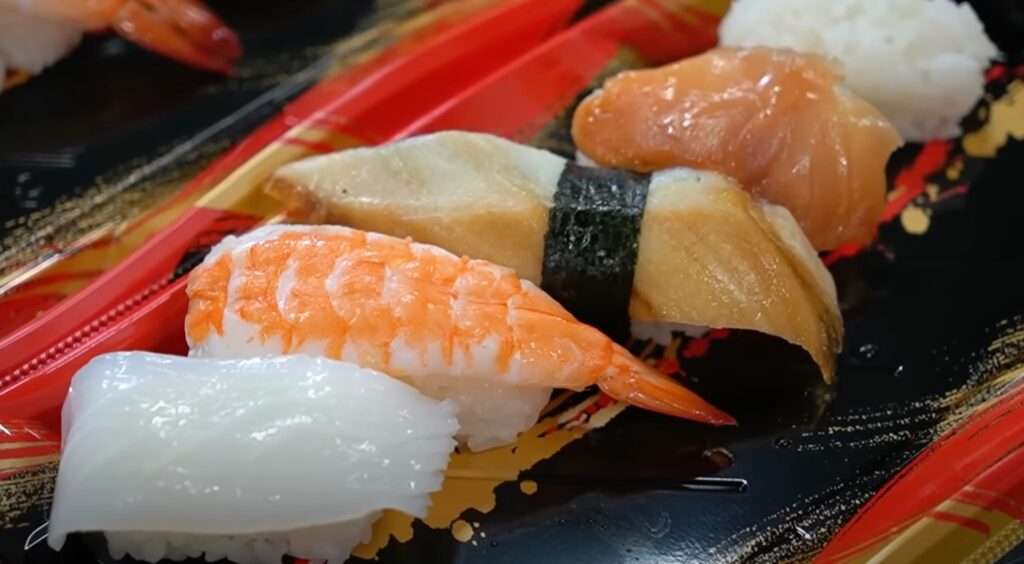
Menus change with the seasons, and even staple dishes like udon noodles are adapted for summer and winter, with different broths, toppings, and serving styles. This constant evolution keeps the dining experience fresh and exciting, while honoring the cycles of nature.
The Art of the Kitchen: Tools and Techniques
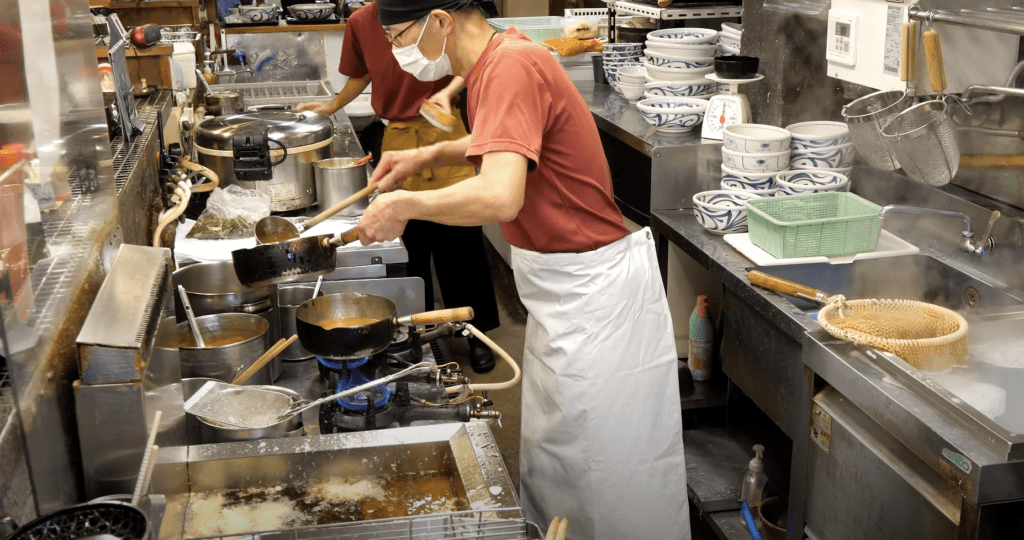
Step into any Japanese kitchen, and you’ll be struck by the array of specialized equipment packed into surprisingly small spaces. From dough mixers and noodle machines to ice-makers and precision burners, every appliance has a purpose.
Kitchen timers beep regularly, ensuring that every step is timed to perfection. Scales are used to measure ingredients with scientific accuracy. This fastidiousness extends to the use of knives—each with a specific function—and the precise, almost meditative way chefs slice fish for sashimi or shape rice for sushi.
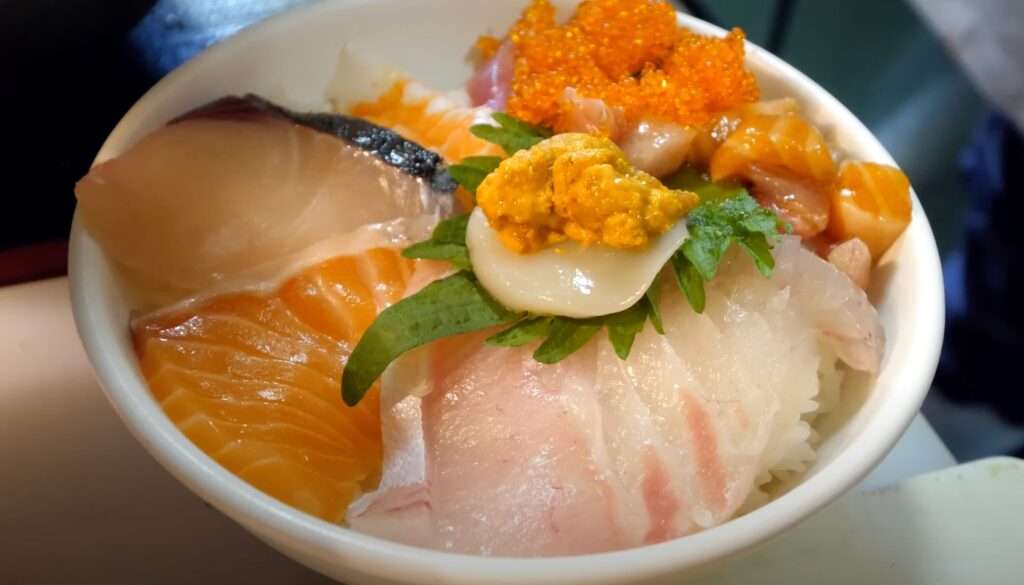
Watching a sushi chef at work is like witnessing a master calligrapher. The stance, the grip, the measured movements—these are skills honed over years of practice and passed down through generations. The result is not just food, but edible art.
Presentation: Where Food Becomes Art
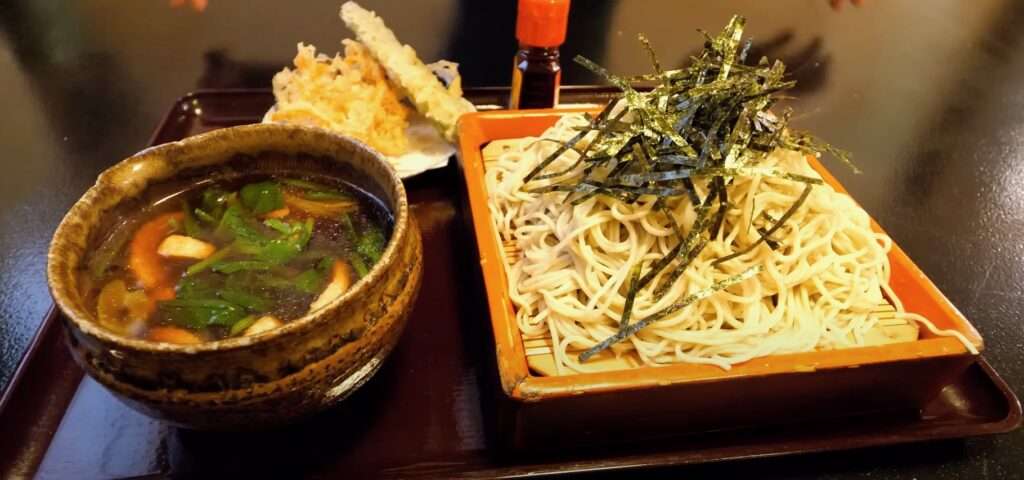
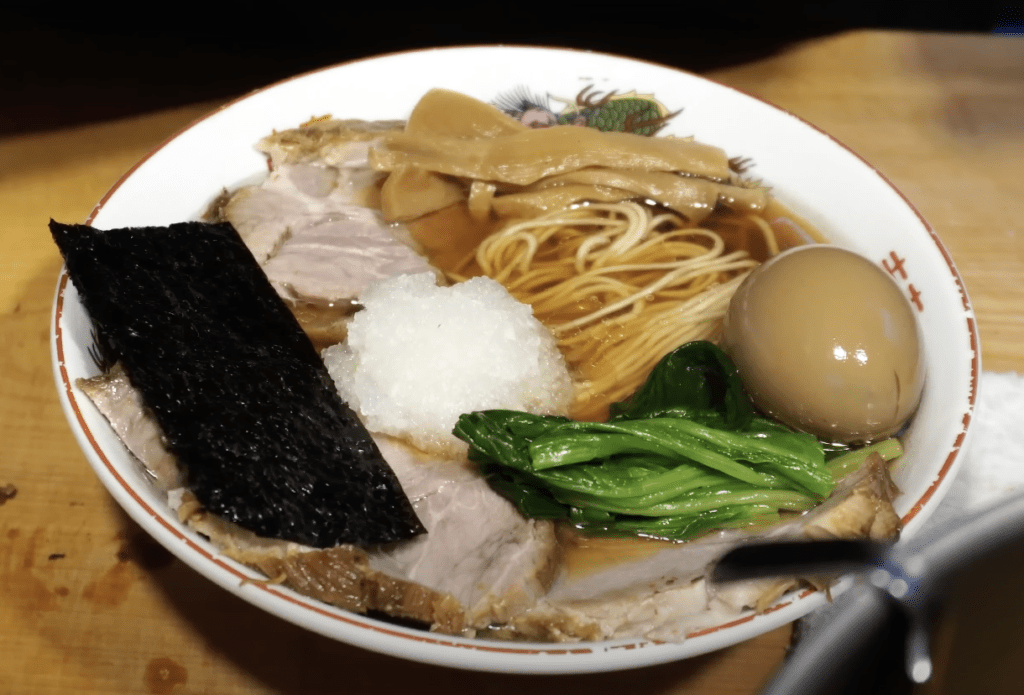
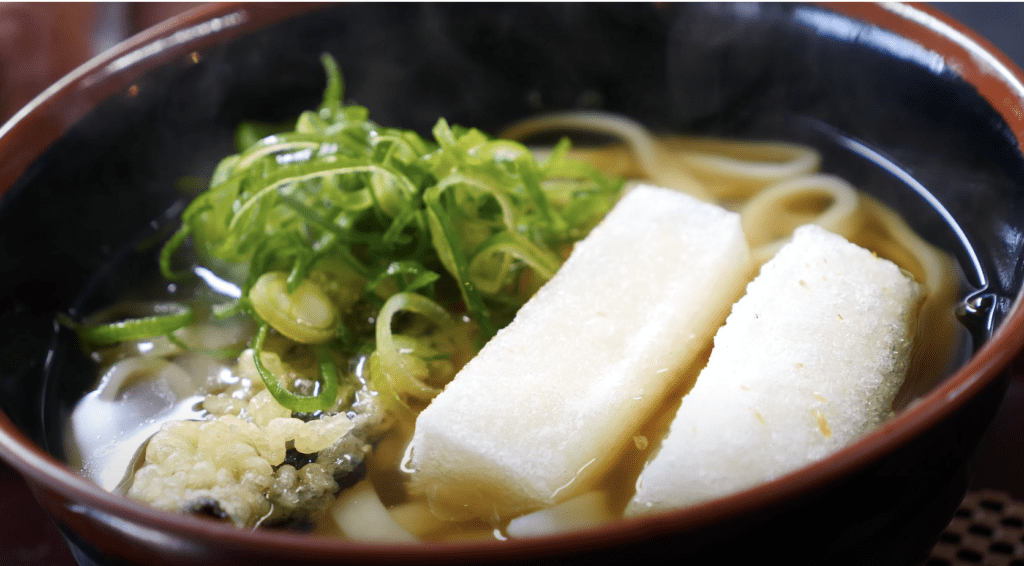
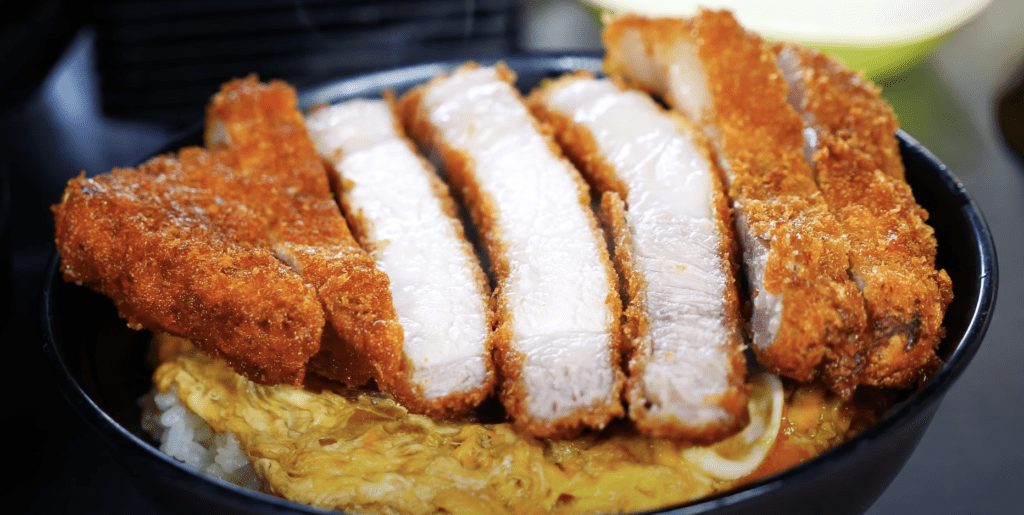
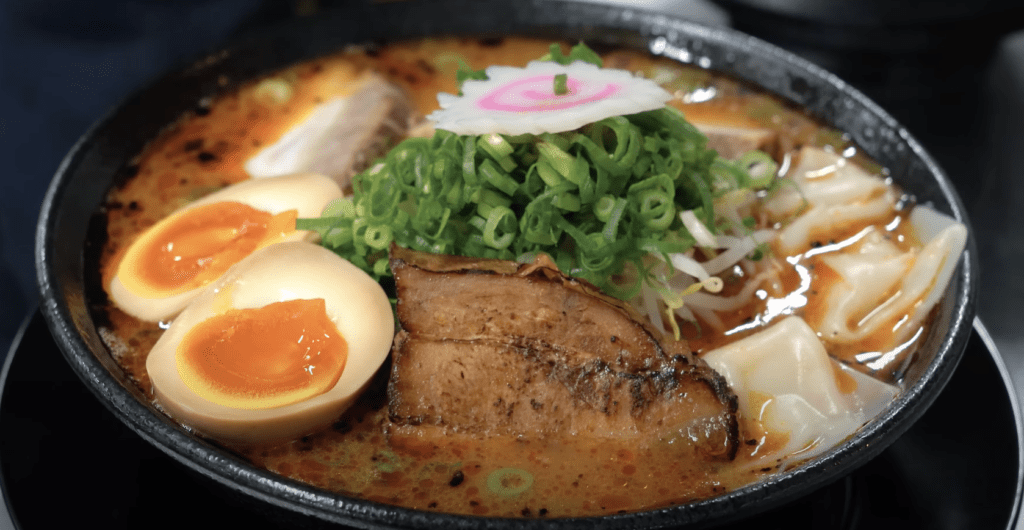
If there’s one aspect of Japanese cuisine that truly sets it apart, it’s the presentation. Every dish is a feast for the eyes as well as the palate. The colors in a sushi roll, the arrangement of noodles, the placement of a single sprig of garnish—nothing is accidental. There is a clear order, a set of aesthetic principles that guide the process. Visual appeal is considered just as important as taste.
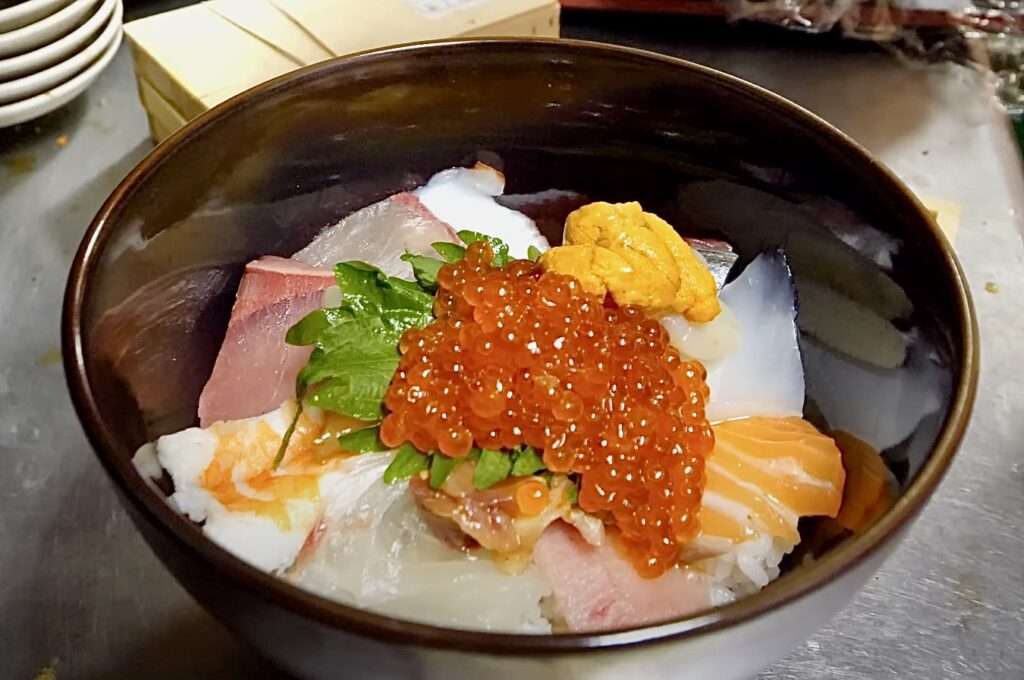
Japanese food presentation is guided by the principle of simplicity. Dishes are often served on white porcelain or lacquerware, providing a blank canvas that highlights the natural beauty of the ingredients. The arrangement is minimalist, yet carefully balanced, with attention paid to color harmony and the interplay of textures. A bento box, for example, might contain pickled vegetables, grilled fish, and sushi rolls, each chosen for its color and arranged to create a visually stunning whole.
Simplicity, Color, and Texture
Texture is another key element. A single dish might combine crispy tempura with tender sashimi, creating contrasts that delight both the eye and the palate. Decorative touches—like edible flowers or finely sliced radish—add another layer of beauty and flavor.
The Power of Negative Space
One subtle but powerful aspect of Japanese presentation is the use of negative space—the empty areas on a plate that draw attention to the main elements. This technique allows each component to shine, emphasizing elegance and restraint. It’s why a dab of wasabi sits to the side of a large sauce bowl, not in the center. This approach has even influenced Western fine dining, where oversized plates and minimalist arrangements are now common.
Pride in Craftsmanship: Freshness and Manual Preparation
Despite Japan’s reputation for efficiency and automation, food preparation remains a hands-on affair. Most restaurants make their own noodles, stocks, and sauces from scratch each day. Pre-cut or pre-packaged ingredients are rare. There’s a palpable sense of pride in this daily ritual, from peeling and slicing vegetables to kneading dough for udon or soba noodles. Even the process of cooking noodles is precise—iced water is used to halt the cooking at just the right moment, ensuring the perfect texture.
The Dining Experience: A Show for the Senses
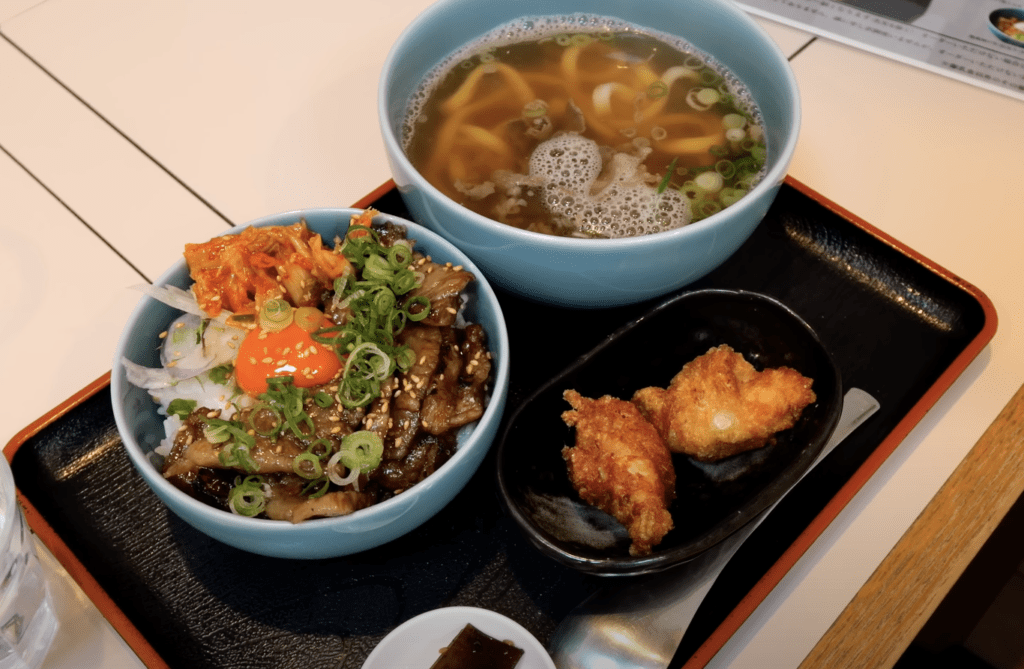
Dining in Japan is not just about eating—it’s about witnessing a performance. The open kitchen allows diners to watch the chefs at work, reinforcing the sense of trust and transparency. Cleanliness and order are paramount, with every tool in its place and every surface spotless. Even the act of serving is ritualized: dishes are presented on trays, with each bowl and plate arranged just so.
Modern Touches: Vending Machines and Customization
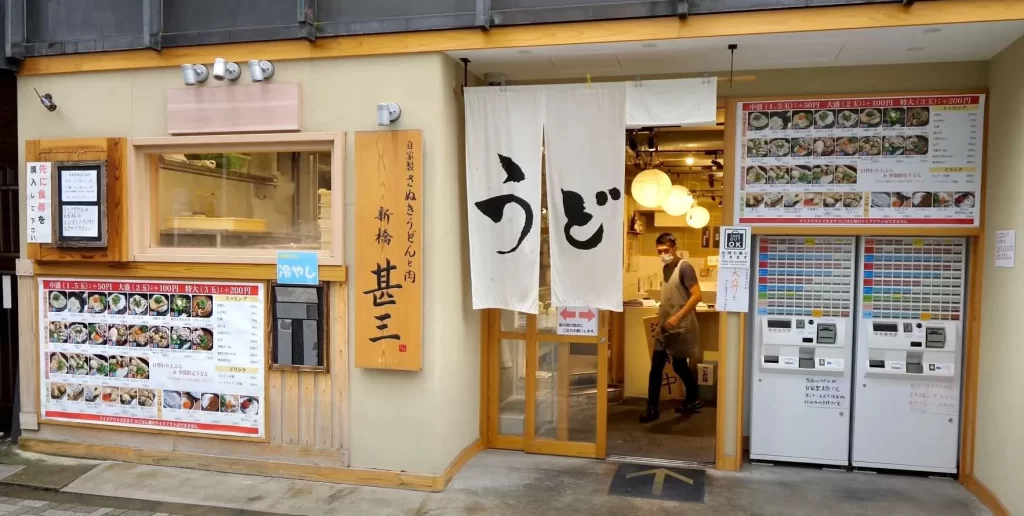
While tradition reigns in the kitchen, modern technology has found its place in Japanese dining. Many casual eateries now use vending machines at the entrance. Diners select their meal, pay, and receive a ticket to hand to the staff. This system streamlines the ordering process and allows for customization—diners can specify noodle firmness, spice levels, and more. It’s a blend of efficiency and personalization that reflects Japan’s ability to innovate without sacrificing tradition.
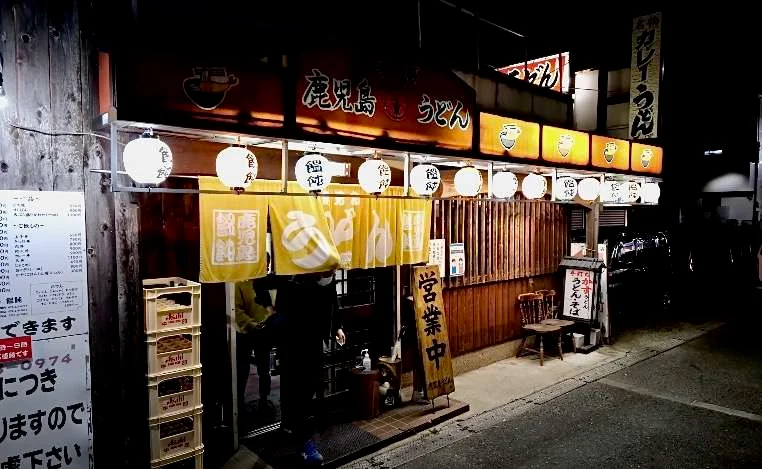
A Living Brand: The Essence of Japanese Food Culture
What makes Japanese food culture a brand in its own right is this seamless fusion of artistry, ritual, and innovation. Every meal is a celebration of nature, an exercise in precision, and a testament to the country’s deep respect for craftsmanship. Whether you’re savoring a simple bowl of noodles or a multi-course kaiseki feast, you’re participating in a tradition that values beauty, harmony, and the joy of sharing good food.
So next time you find yourself in Japan—or even at a Japanese restaurant abroad—take a moment to appreciate the show unfolding before you. Watch the chefs at work, notice the careful arrangement of each dish, and savor the flavors that have been perfected over generations. Japanese food culture isn’t just something you taste; it’s something you experience with all your senses. And that is what makes it truly unforgettable.