

The Evolving Allure of Street Food: From Humble Origins to Global Phenomenon
Street food, once a humble and often overlooked part of daily life, has undergone a remarkable transformation in recent decades. What was once seen as the domain of the working class is now a celebrated part of urban culture. Drawing locals, tourists, and even city planners into its vibrant orbit.
The journey of street food from the fringes to the mainstream reflects changes in taste and shifts in society. Economics, and the way we experience cities.
The Changing Face of Street Food
A generation ago, street food rarely featured in glossy magazines or food television. Few people reviewed the offerings of roadside vendors, and even fewer considered them worthy of culinary acclaim.
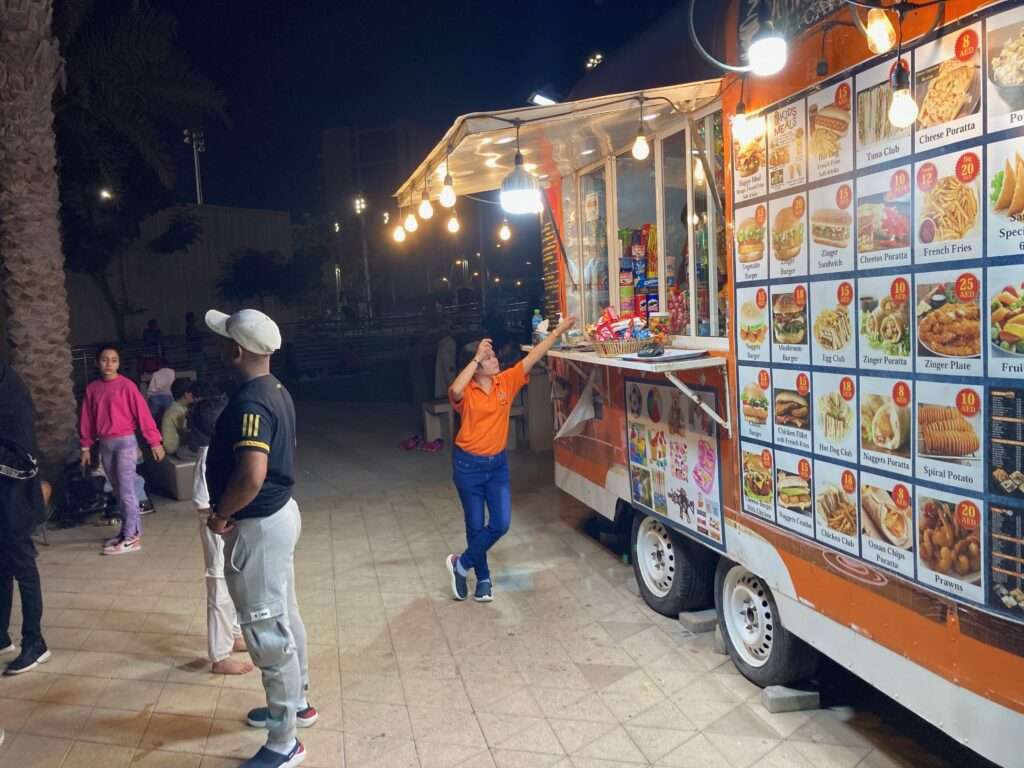
Today, the story is dramatically different. Street food is a global sensation, with cities around the world embracing and promoting their local vendors as cultural assets. Food trucks, pop-up stalls, and night markets are not just tolerated, they are actively encouraged. Especially in urban centers seeking to revive downtown areas and attract crowds on weekends.
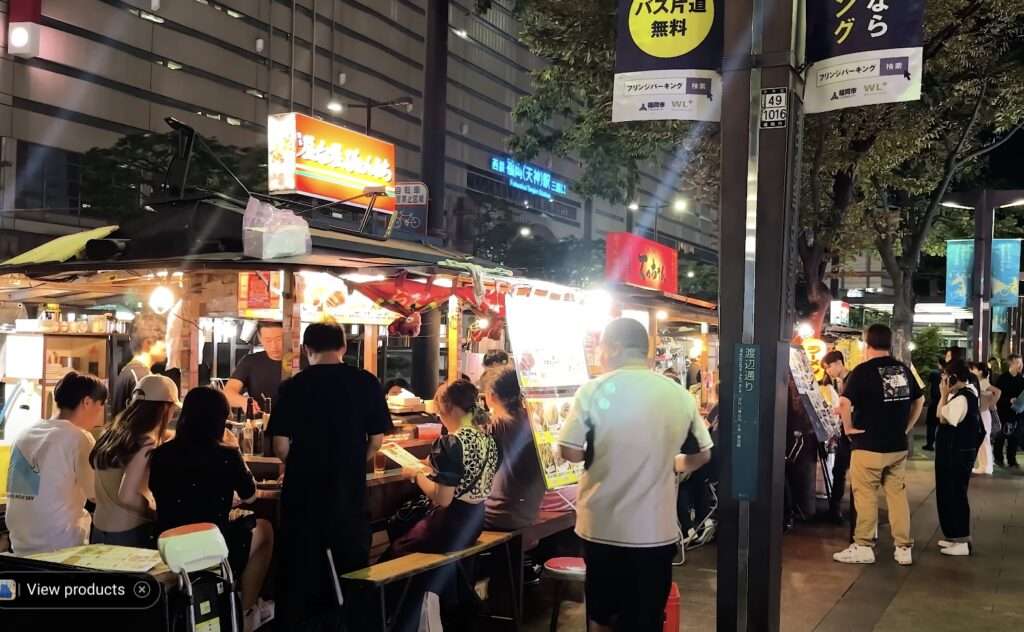
Social media has played a pivotal role in this transformation. Platforms like YouTube, Instagram, and TikTok are filled with street food content, from reviews to cooking demonstrations.
Some vendors have even achieved celebrity status. Their stalls drawing lines of eager customers and their recipes inspiring copycats around the world. The democratization of food media means that anyone with a smartphone can become a street food influencer. And millions tune in to see what’s sizzling on the sidewalks of Bangkok, New York, or Lagos.
A Brief History: Regulation and Resilience
To understand how street food became so popular, it’s important to look back. In the 1970s, many developed countries moved to regulate or even eliminate street vendors. Citing concerns about hygiene, public safety, and urban order. Food safety laws and hawking regulations pushed many vendors off the streets. Leaving only a few, such as news kiosks, to operate in public spaces.

Yet, in much of the developing world, street food never went away. In cities across Asia, Africa, and Latin America, itinerant hawkers remained a vital part of daily life. For many families, street vending was the only source of income. With children and relatives helping to prepare and sell food. These vendors provided affordable meals to workers. People who couldn’t afford restaurants, creating a symbiotic relationship between seller and customer that city officials often recognized and accommodated.
Quality, Competition, and Comfort Food
One of the enduring myths about street vendors’ food is cheap because it’s low quality. In reality, street vendors often compete fiercely for customers, striving to offer not just affordable but delicious and memorable meals. Over time, many have built reputations for excellence, with some stalls becoming iconic in their neighborhoods or cities.
Take, for example, the bustling night markets of Bali. Even in a place where restaurant and hotel food is both good and affordable, street stalls offer something different. Unique flavors, convivial atmospheres, and prices that make sampling a pleasure rather than a risk. A simple dish of Indonesian fried noodles (mee goreng) from a street vendor can be a revelation. Costing a fraction of what it would in a hotel but delivering a taste that lingers in memory.
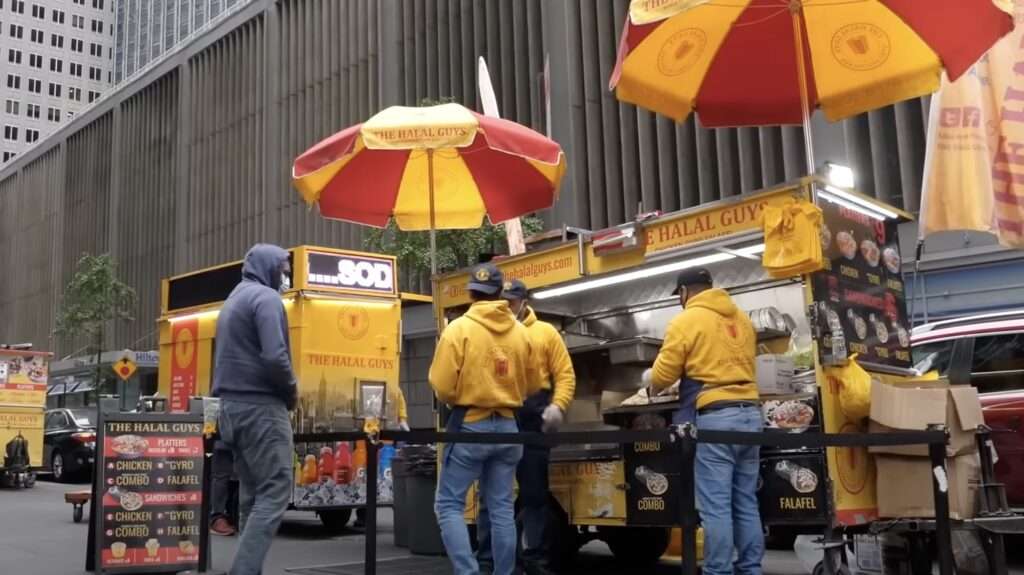

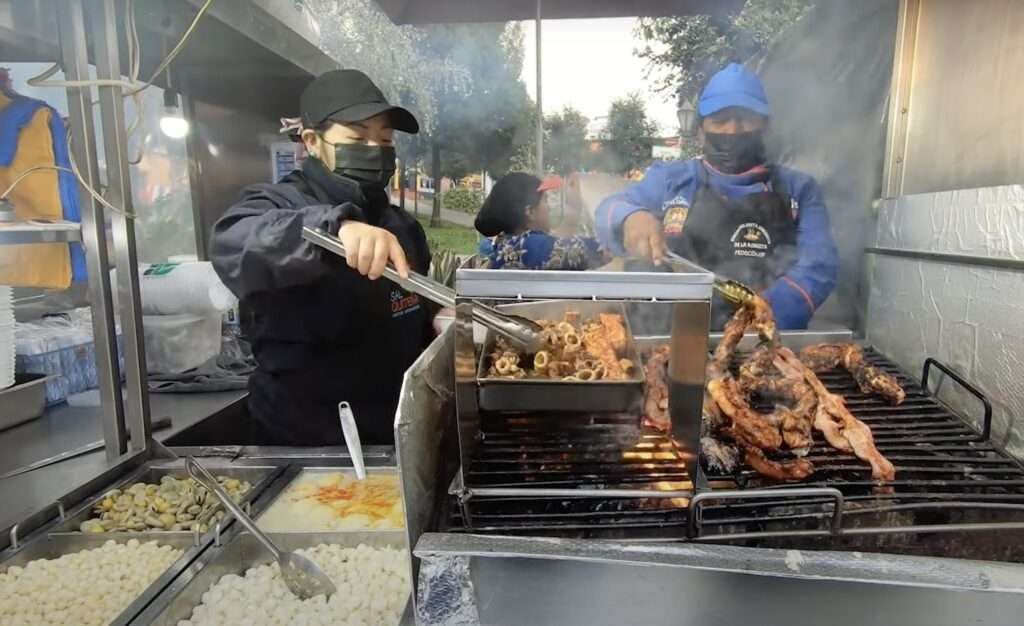
This pattern repeats itself around the world. In Ecuador’s Quito, food carts is a nightly ritual for many. In Thailand, the sheer variety and quality of street offerings have made the country a mecca for food lovers. Even in places where hygiene standards are a concern, the lure of street food is often too strong to resist. Though savvy travelers and locals alike learn to be discerning.
Street Food in the Developed World: A New Model Emerges
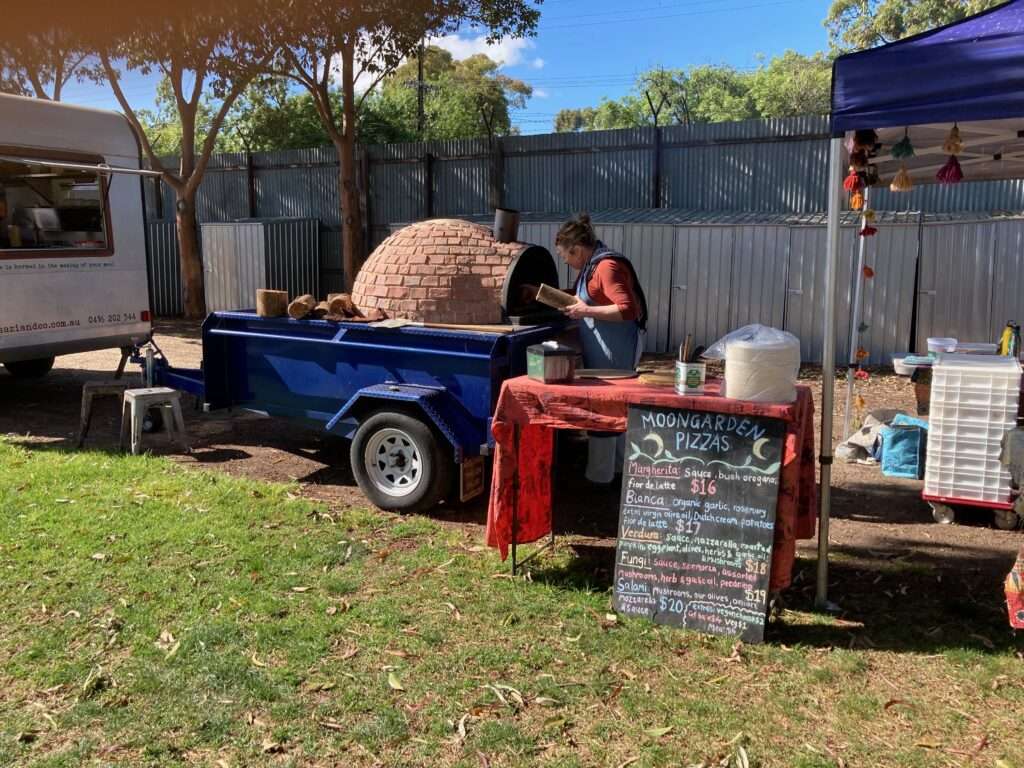
Not all countries have a strong tradition of street food. In Australia, for instance, strict public health and municipal laws have limited the growth of traditional street vending. Instead, food trucks, park kiosks, farmer’s markets, and festival stalls fill the gap. Offering everything from gourmet burgers to ethnic specialties like dumplings and samosas.
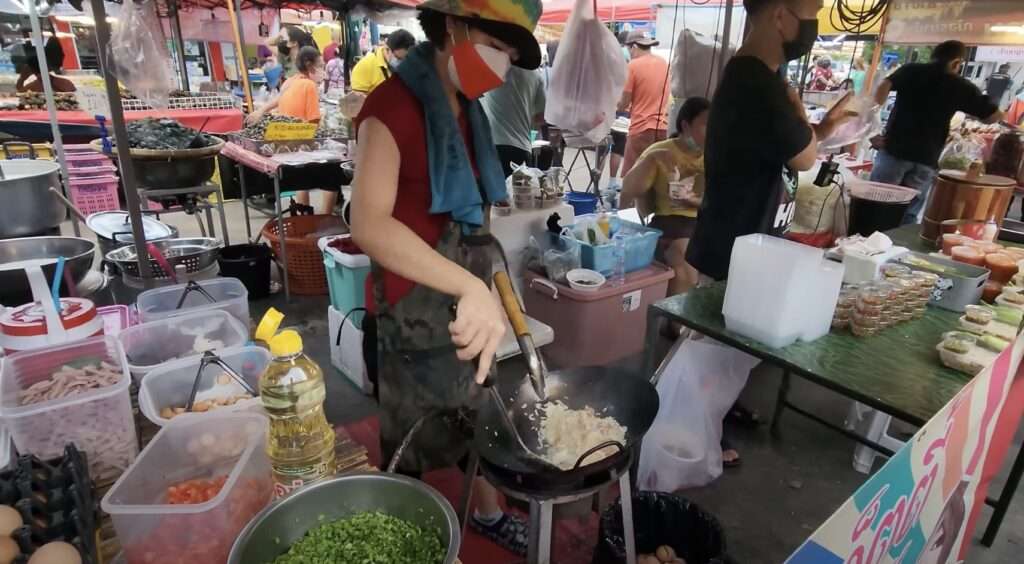
Australia’s version of street food is often event-driven, appearing at markets, fairs, and festivals rather than as a daily fixture. Yet, even here, street food has left its mark. Adelaide’s now-iconic “pie floater”—a meat pie served in a bowl of pea soup—was once a late-night staple. Served from towed carts to hungry theatergoers. Though the last traditional pie cart closed in 2010, the dish remains a cherished part of South Australian heritage.
Thailand: The Quintessential Street Food Destination
If there is one country that exemplifies the spirit and success of street food, it is Thailand. In cities like Bangkok, street vendors serve everyone from office workers to families. Offering meals that are both affordable (often just a few dollars) and delicious. The origins of Thai food vendors can be traced to Chinese migrant workers in the late 19th century. Whose culinary traditions blended with local flavors to create a distinct street food culture.
Today, Thai street food is renowned for its diversity and quality. Noodles are a staple, but so are skewered meats, fried snacks. Plus an impressive array of fresh fruits cut into bite-sized pieces for easy snacking. For many, these dishes are “soul food”—simple, honest, and deeply satisfying. Interestingly, many street food specialties are not found in homes or restaurants, making the experience of eating them on the street truly unique.
Street Food as Cultural DNA
The emotional connection people have with street food is profound. For many, it is a taste of home, a reminder of childhood, or a ritual before a big life change. It’s not uncommon for people about to move abroad to make a list of their favorite street stalls to visit one last time, knowing they won’t find those flavors in their new home. Expats returning home often do the same, seeking out the tastes they missed while away.

This deep attachment speaks to the role of street food as part of a country’s cultural and culinary DNA. In places like Malaysia, Taiwan, and Singapore, street food is not just a convenience—it’s a source of pride and a marker of identity. Singapore’s hawker centers, for example, are so central to the nation’s culture that they have been recognized by UNESCO as part of the world’s intangible cultural heritage.
The Revival and Reinvention of Street Food
In recent years, even cities that once shunned street food are rediscovering its appeal. London, for example, has seen a renaissance of street food, with markets like Camden and Borough becoming hotspots for locals and tourists alike. Events like the Notting Hill Carnival showcase the diversity and creativity of street vendors, reminding everyone that some traditions are too good to lose.
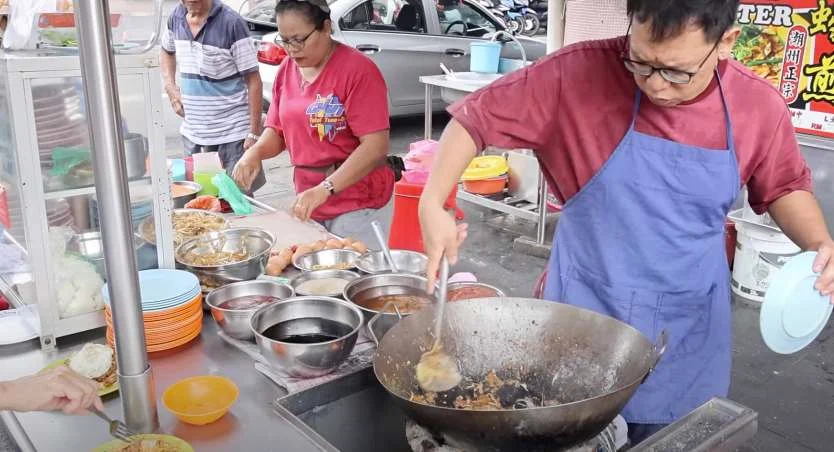
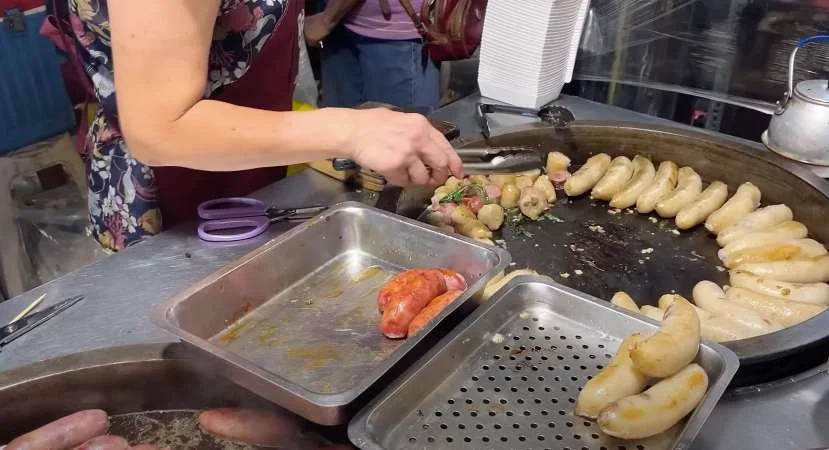
This revival is driven by a desire to preserve culinary heritage, support small businesses, and inject vibrancy into urban life. City planners and private developers now recognize that street food can help revive neighborhoods, attract visitors, and create a sense of community. The once-marginalized street vendor is now seen as an entrepreneur, an artist, and a cultural ambassador.
The Future of Street Food: Challenges and Opportunities
As street food continues to evolve, it faces new challenges and opportunities. Regulation remains a double-edged sword—necessary for public health, but sometimes stifling innovation and spontaneity. The COVID-19 pandemic hit many vendors hard, but it also accelerated trends like contactless payment, online ordering, and delivery services.
Looking ahead, the future of street food will likely be shaped by a balance between tradition and innovation. Vendors will need to adapt to changing tastes, health regulations, and technological advances, while still preserving the authenticity and personal touch that make street food special.
Conclusion: More Than a Meal
Street food’s journey from the margins to the mainstream is a testament to its enduring appeal. It is more than just a way to fill an empty stomach—it is a window into the soul of a city, a platform for entrepreneurship, and a celebration of diversity. Whether you’re savoring noodles in a Bangkok alley, grabbing a pie floater in Adelaide, or sampling tacos at a London market, it offers a taste of something real, immediate, and unforgettable.
As we continue to embrace and celebrate street food, we honor not just the flavors, but the stories, traditions, and communities that make it possible. In a world that is constantly changing, street food remains a delicious reminder of our shared humanity and our endless appetite for discovery.