
Why Saffron?
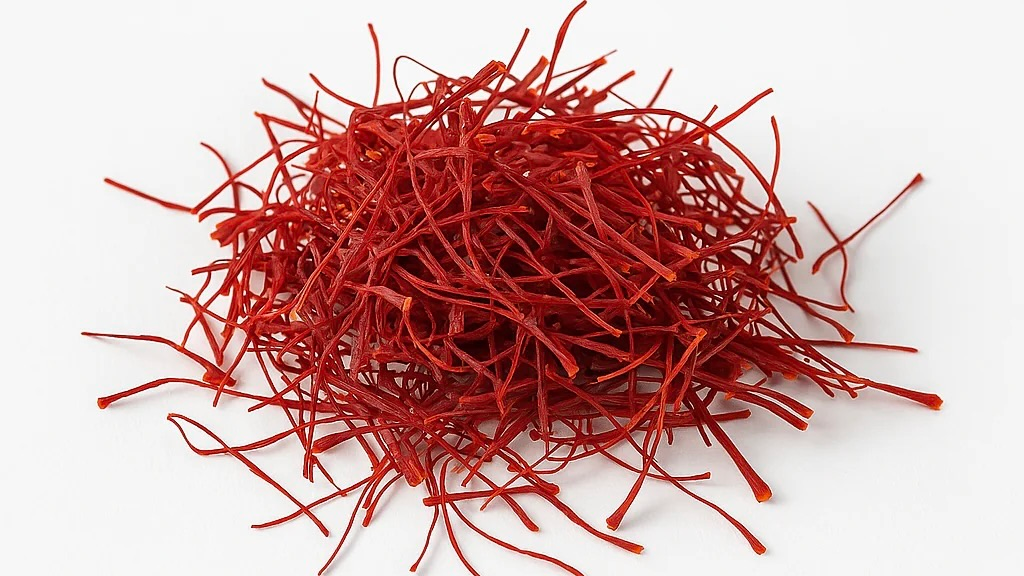
Saffron, often called “red gold,” is the world’s most expensive spice, prized for its unique flavour, brilliant colour, and remarkable history.
Whether you’re wandering through bustling spice markets in the Middle East, enjoying a traditional paella in Spain, or sipping saffron-infused tea in Iran, this extraordinary spice has a way of connecting travellers to centuries of culture and tradition.
When I began my Middle East travels as well as going to the Qatar 2022 World Cup, visiting Souks was an eye-opener and a real pleasure. It showed the heritage and culture more than any other place. I noticed Saffron in quantity and in various shades in these souks than elsewhere in the World.
There are even shops that only carried saffron. So, I decided to get into it when I had the time. I also noticed that tourists were buying small jars of saffron as souvenirs. UAE is a major hub for the global trade of saffron. You can see it clearly when visiting old Dubai Spice Souk and the surrounds.
If you’re a foodie, history lover, or simply curious about the world’s culinary treasures, saffron deserves a place on your travel radar.
What exactly is saffron?
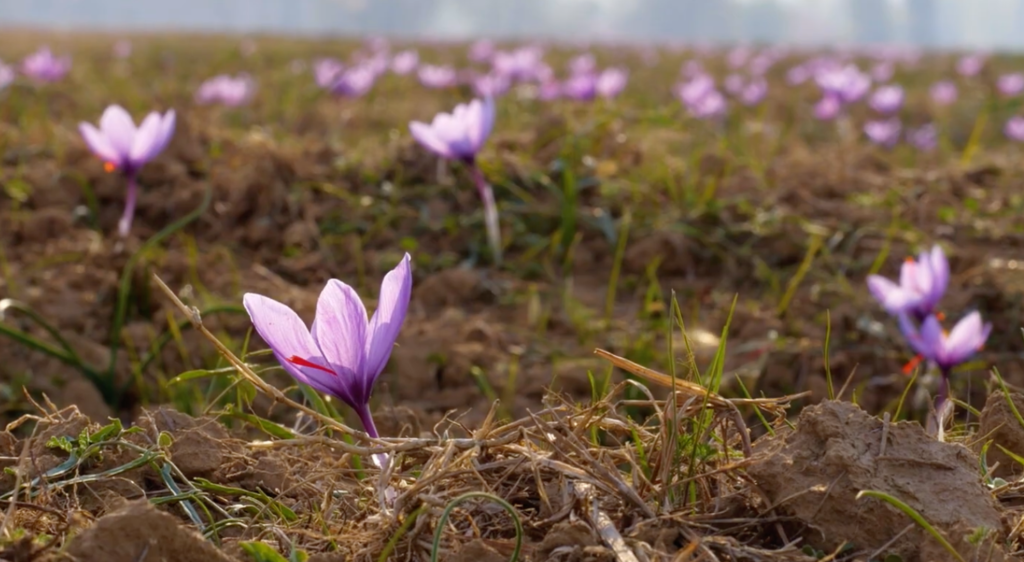
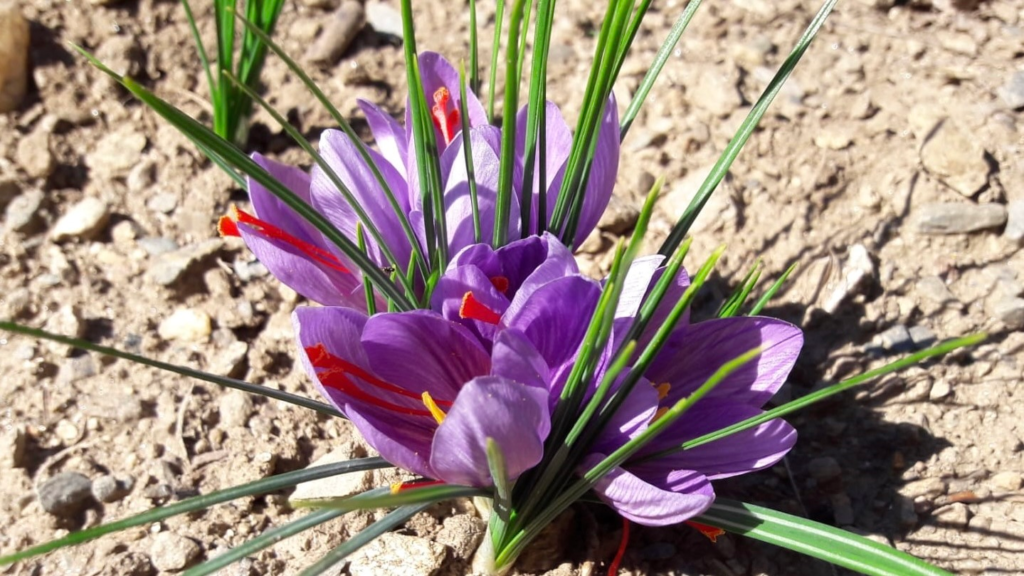
Saffron comes from the flower Crocus sativus, commonly known as the saffron crocus. They are grown in arid, semi desert conditions with loose, sandy loam soils with good drainage. Each summer, the bulbs are planted and the delicate purple flower blooms for only a short period, usually a week every autumn.
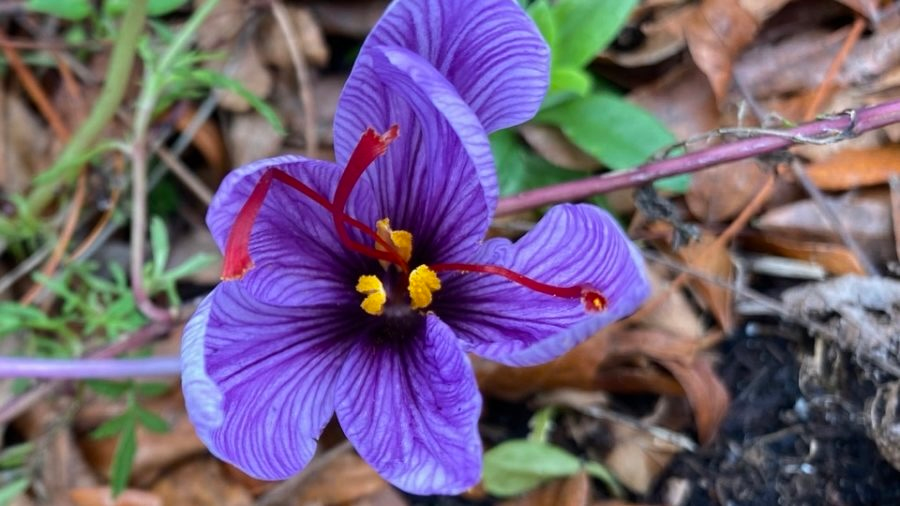
Every flower must be harvested by hand, usually during the early morning before the blossoms fully open. No machines can match the precision needed for picking, making saffron one of the few agricultural products that still relies almost entirely on traditional manual harvesting.
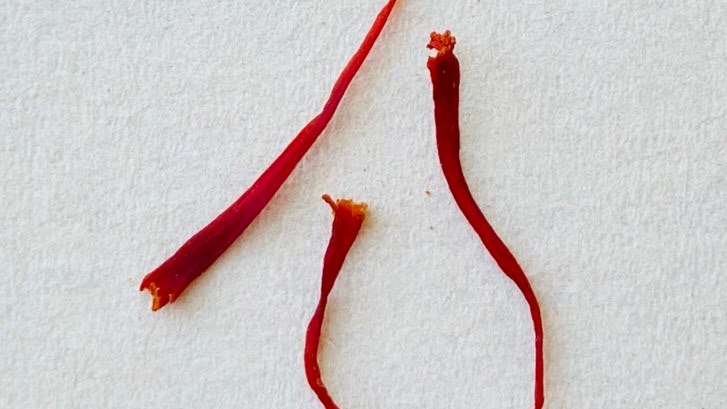
Each flower produces just three tiny crimson stigmas (called threads). These fragile threads are carefully hand-picked from the collected flowers. It can take around 150,000 flowers to produce just one kilogram of saffron.
Why is saffron so expensive?
The answer is surprisingly simple: time, labour, and limited supply. Growing saffron isn’t easy. The flowers bloom for only a few weeks each year, and farmers have a very narrow harvesting window. Every stigma must be removed individually by skilled workers before being carefully dried. The process is incredibly labour-intensive, yet each flower yields only a tiny amount of usable spice.
Weather also plays a major role. Too much rain, frost, or heat can significantly reduce the harvest, affecting global supply and prices. Because of this combination of rarity and painstaking production, genuine saffron often sells for hundreds or even thousands of dollars per kilogram. The highest quality Super Negin in bulk cost around AUD 4,200 to 4,880 per kilogram.
Where they come from
Iran produces around 90% of the world’s saffron and is widely regarded as the global leader in both quantity and quality. The northeastern province of Khorasan is home to vast saffron fields that transform into stunning carpets of purple flowers during harvest season. Visiting during autumn offers travellers a chance to witness one of agriculture’s most beautiful spectacles.
Spain may not produce as much saffron as Iran, but Spanish saffron enjoys an outstanding reputation for premium quality. The La Mancha region, famous for Don Quixote, has cultivated saffron for centuries. Every autumn, villages celebrate the harvest with colourful festivals featuring music, food, cooking demonstrations, and traditional harvesting competitions.
For India, it’ the Kashmir Valley, where saffron cultivation has been part of local culture for generations. Visitors arriving during the flowering season can see breathtaking fields surrounded by snow-capped Himalayan mountains. Afghanistan ranks third globally, focusing on high-quality organic cultivation primarily in the Herat region.
The small town of Kozani in northern Greece produces some of Europe’s finest saffron. Greek saffron has protected geographical status, ensuring strict quality standards. Visitors can explore local cooperatives, learn about cultivation, and sample regional recipes featuring this treasured spice
Morocco’s Atlas Mountains are home to several saffron-producing villages, particularly around Taliouine. Each autumn, the region hosts a lively saffron festival celebrating local farmers, Berber culture, traditional music, and regional cuisine. It’s an unforgettable stop for travellers exploring southern Morocco.
What does saffron taste like?
Describing saffron’s flavour isn’t easy because it doesn’t taste like anything else. It offers a subtle combination of floral sweetness, earthy richness, gentle bitterness, and delicate honey-like notes. More importantly, saffron contributes aroma and colour as much as flavour. Only a small pinch is needed to transform an entire dish.
Famous dishes made with saffron with a caveat
One of the joys of travelling is discovering how different cultures use the same ingredient in completely different ways. Each recipe reflects local traditions while celebrating saffron’s remarkable versatility.
Some of the world’s best-known saffron dishes include:
- Spanish seafood paella
- Italian risotto alla Milanese
- Persian saffron rice
- Moroccan chicken tagine
- Indian biryani
- French bouillabaisse
- Swedish saffron buns served during Christmas
- Middle Eastern saffron tea and desserts
Now for the caveat. As saffron cost is significant and overall cost of running a restaurant or eatery have increased over the years, use of actual saffron is now more confined to fine dining establishments and home cooking. Especially the use of approved synthetic food dye has become understandably the norm for some dishes or use of other ingredient substitute to replace aroma. Customers are also aware and have accepted it.
More than just a spice
Saffron has been treasured for thousands of years for reasons beyond cooking. It has been used as a natural fabric dye, in perfumes and cosmetics, traditional and in religious offerings.
Modern research continues to explore saffron’s potential antioxidant properties, although most people continue to enjoy it primarily for its culinary appeal.
The challenge of finding real saffron
Because of saffron’s considerable value, it’s one of the world’s most commonly adulterated spices. Good quality is mixed with poor quality; stigmas of other similar looking flowers are used. Dyeing is common. Fakes also come in the form of plastics, horsehair, hay, coconut fibres, dyed corn silk etc.
Seeing the product alone may not be sufficient. It takes someone who has done considerable research to make headway. So, the layperson has little chance.
High end restaurants seek supply accompanied with recognized certification of origin and quality. This places Spain ahead where regulation on origin certification is common in Europe for certain produce. Interestingly Spain is also a major hub for saffron fraud.
The best way to seek quality and authentic saffron is look online for merchants with long established history, and they have a reputation to protect. Second option is to head to a major and well-established spice shop in your location who will know their suppliers well. If you are in old Dubai, where the world’s saffron trade hub is, you will come across saffron specialty shops that are ready to explain their product to tourists and customers alike.
A spice worth travelling for
Few ingredients tell a story quite like saffron. Every tiny thread represents hours of careful work, generations of farming knowledge, and centuries of culinary tradition. Whether you’re wandering through the fragrant bazaars of Iran, watching saffron flowers bloom in Spain’s countryside, exploring Kashmir’s picturesque valleys, or discovering Berber villages in Morocco, saffron offers a unique window into local culture.
The next time you see a golden bowl of paella, a fragrant biryani, or a steaming cup of saffron tea, take a moment to appreciate the remarkable journey behind those delicate crimson threads. They are more than just a spice—they’re a symbol of craftsmanship, heritage, and the rich traditions that make travel so rewarding.
For curious travellers, saffron isn’t simply something to taste. It’s something to experience, one destination at a time.
FAQs
They are graded with Super Negin at the top with ISO 3632 rating. Deep red with no yellow or white parts. Trumpet top thread that is thick and flat. Strong, sweet and slightly bitter aroma.
Aroma, color strength, flavor and the region they are from.
There is enough material online to guide you to reputable and established merchants. Or head to your local long established spice store and seek their help.