
The Ultimate Guide to Choosing the Perfect Road Bike: A Cyclist’s Perspective
Cycling is enjoying a renaissance. Across cities and suburbs, people of all ages and backgrounds are embracing the freedom, fitness, and thrill that come with road cycling. Whether you’re a weekend warrior, a daily commuter, or someone looking to boost your health, the right road bike can transform your experience on two wheels.
This guide is crafted to help cyclists—new and seasoned—navigate the road bike selection process with confidence and excitement.
Why Road Bikes?
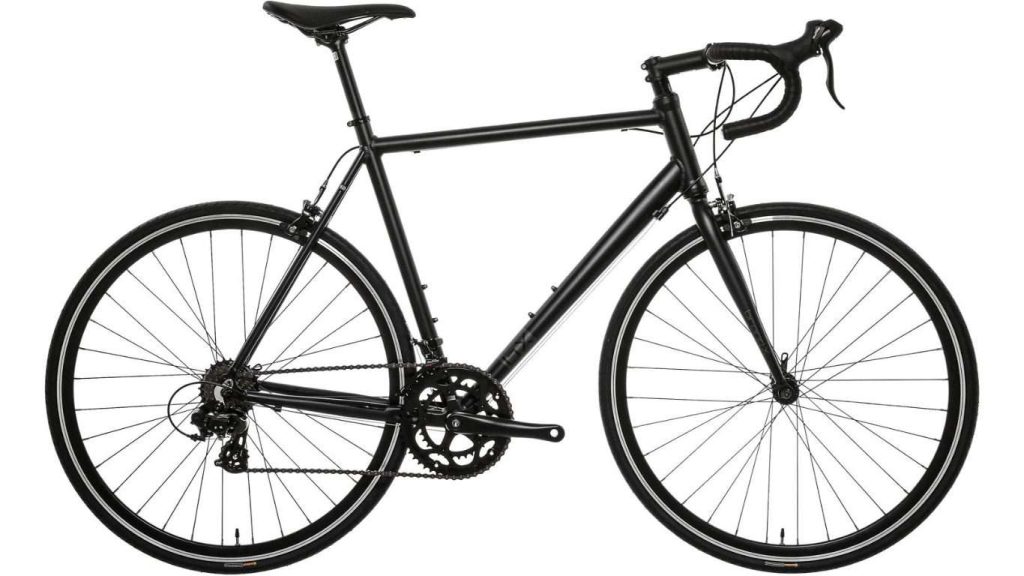
Road bikes stand apart from hybrids, mountain bikes, and even the trendy gravel bikes. Their defining feature: drop handlebars and a lightweight frame built for speed, efficiency, and agility. While gravel bikes are gaining traction, this guide focuses on classic road bikes—your ticket to fast commutes, spirited group rides, and exhilarating solo adventures.
The Road Bike Advantage
Fitness, Fun, and Fast Commutes
Road cycling is more than a hobby—it’s a lifestyle. The sleek design of road bikes makes them perfect for fitness enthusiasts seeking a low-impact, high-reward workout. Their light weight and efficient geometry also make daily commuting a breeze, letting you glide past traffic while getting your heart rate up. And when the weekend arrives, your road bike is ready for longer rides, scenic routes, or competitive events.
Eco-Friendly and Urban-Ready
Cities are evolving, with more bike lanes and infrastructure designed for non-motorized transport. Choosing a road bike isn’t just about personal health; it’s a step toward a greener planet. Every pedal stroke helps reduce congestion and pollution, making cycling a responsible—and enjoyable—choice.
Affordability: Breaking Barriers
One of the most exciting aspects of road cycling today is its accessibility. Quality road bikes are available at a range of price points, making it possible for anyone—regardless of age, gender, or income—to join the cycling community. Even entry-level models offer impressive performance, and the thriving second-hand market means you can find a great bike without breaking the bank.
While high-end racing bikes use cutting-edge materials and engineering, the gap between elite and affordable bikes is narrowing. Unless you’re chasing podiums, you don’t need to spend a fortune to enjoy a fast, reliable ride.
The Three Pillars of Road Bike Selection
1. Frame Geometry: The Heart of Your Ride
Why Geometry Matters
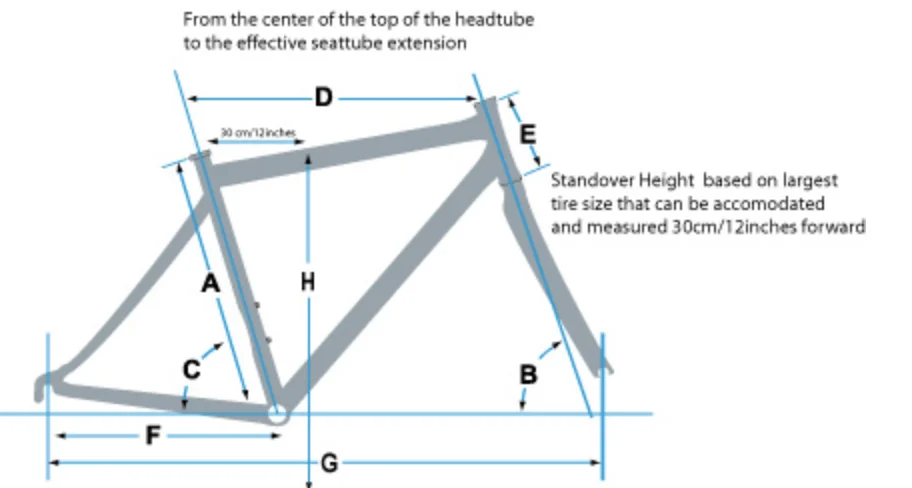
Frame geometry shapes your entire cycling experience. It determines how the bike handles, how comfortable you feel, and how efficiently you can ride. Unlike other bike types, road bikes offer less flexibility in geometry, making it crucial to get this right from the start.
Race vs. Endurance Geometry
- Race Geometry: Designed for speed and agility, race bikes put you in a more aggressive, aerodynamic position. Your upper body leans forward, your head is low, and every pedal stroke is maximized for power. If you crave speed and love pushing your limits, this is your style.
- Endurance Geometry: Prioritizing comfort over long distances, endurance bikes feature a taller head tube and a more upright posture. Perfect for centuries, sportives, or leisurely rides where you want to soak in the scenery without sacrificing performance. European events like Audax and Sportive are built around endurance bikes.
Most manufacturers provide detailed geometry charts for each model. Don’t be intimidated—take your time to understand the numbers, and remember that many brands label bikes as “race” or “endurance” to simplify your decision. Here is a more detailed post on materials
2. Frame Size: The Foundation of Comfort and Performance
- Getting the Right Size
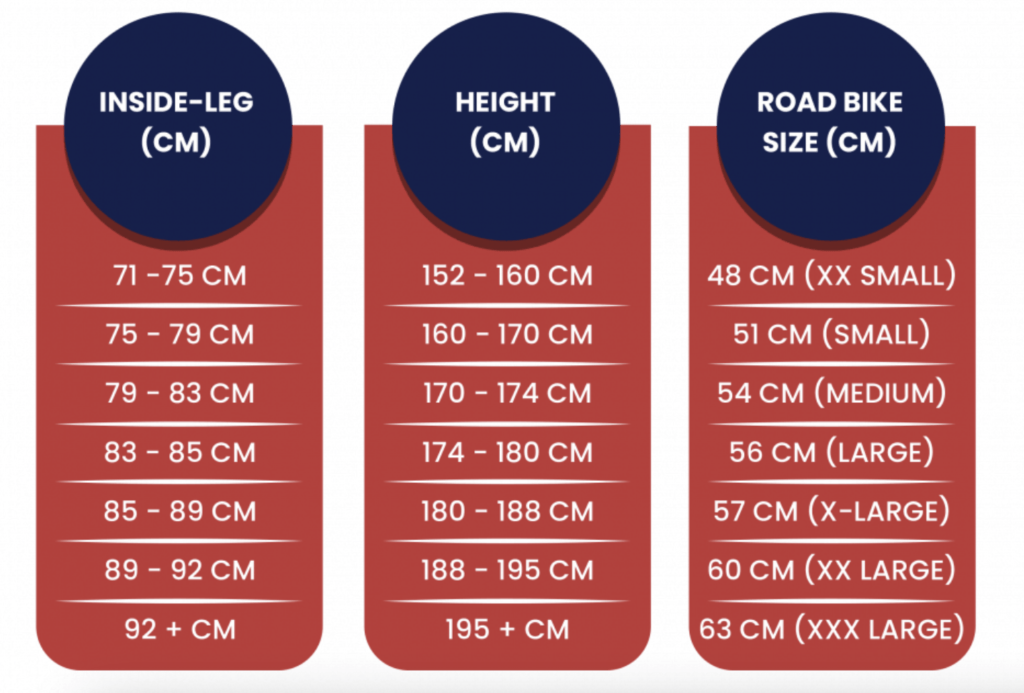
- After geometry, frame size is the next critical factor. A correctly sized frame ensures comfort, efficiency, and injury prevention. Most brands offer sizing charts based on your height and inseam measurement. If you fall between two sizes, always opt for the smaller frame—it’s easier to adjust a slightly small bike than to compensate for one that’s too large.
- Pro Tip: Watch experienced cyclists or pro teams—notice how their bikes often seem smaller than you’d expect. This isn’t accidental; a snug fit improves control and power transfer.
- Brand-Specific Sizing
- Remember, sizing varies between brands and even between models. Always consult the specific chart for the bike you’re considering. Hybrid and mountain bike sizing doesn’t translate to road bikes, so double-check before you buy.
3. Bike Fit: Fine-Tuning for Your Body
Why Fit Matters
Once you’ve chosen the right geometry and size, the final step is dialing in your bike fit. This process customizes your bike to your unique body dimensions, optimizing comfort and efficiency while reducing the risk of injury.
Key Fit Adjustments
- Saddle Height and Position: The most crucial adjustment. Proper saddle height ensures your legs are at the ideal angle for power and joint health. Fore-aft saddle position lets you reach the handlebars comfortably and aligns your knees over the pedals.
- Crank Length: Most riders do well with a 172.5 mm crank, but options range from 170 mm to 175 mm. Taller riders may prefer longer cranks; shorter riders, shorter ones.
- Stem Length and Height: Adjusting the stem tweaks your reach and posture. If you have longer or shorter arms relative to your torso, consider swapping out the stock stem for a better fit.
Many bike shops offer a basic fit with purchase, and professional bike fitters can provide a comprehensive assessment for a fee. For DIYers, online guides and videos can help you make initial adjustments—just enlist a friend or use your phone to check your riding position.
Navigating the Bike Shop: Knowledge is Power
Armed with an understanding of geometry, size, and fit, you can walk into any bike shop with confidence. Don’t be swayed by sales pitches or limited stock—insist on the right model and size for your needs. Remember, road bikes require a precise fit; don’t compromise for convenience.
Avoiding Common Mistakes
Many cyclists—especially students or those buying second-hand—ride bikes with poor setup, most often with the saddle too low. This not only saps your efficiency but can lead to knee pain and long-term injuries. Take the time to set up your bike correctly; your body will thank you.
The Groupset: Shifting Performance Up a Gear
What is a Groupset?
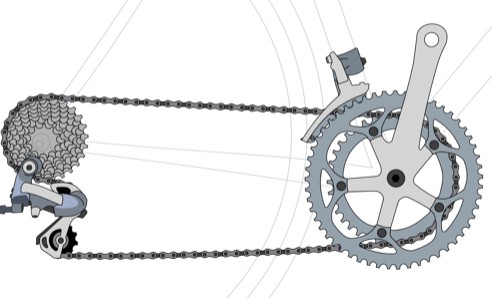
The groupset includes your bike’s drivetrain and braking components—essentially, everything that makes you go and stop. The big three brands are Shimano (Japan), SRAM (USA), and Campagnolo (Italy). All are reputable, with a range of options for every budget.
Recommended Groupsets for Enthusiasts
If you’re investing in a mid-range bike (AUD 3,500 and up), aim for these entry-level performance groupsets:
- Shimano 105
- SRAM Rival
- Campagnolo Veloce
These offer crisp shifting, durability, and a tangible upgrade over basic models. Each brand offers variations in cassette size, crankset configuration (compact, double, triple), and gear ratios. For hilly terrain like Adelaide, opt for a cassette with at least a 32 or 34-tooth large cog—this makes climbing much more manageable.
What Else Should Cyclists Consider?
Beyond the basics, several other components can enhance your ride:
- Wheels: Lighter, stiffer wheels improve acceleration and handling.
- Brakes: Both rim and disc brakes are effective, but disc brakes are becoming the standard for their all-weather performance.
- Tires: Wider tires (25–28 mm) offer more comfort and grip without sacrificing speed.
- Pedals and Shoes: Clipless systems boost efficiency and control.
These upgrades can be tackled over time as you get to know your bike and riding style.
Real-World Wisdom: Learning from Experience
When many cyclists start their journey, they focus solely on frame size, overlooking geometry and fit. Unlike mountain or hybrid bikes, which are more forgiving, road bikes demand precision. Getting these details right from the outset sets you up for years of enjoyable, pain-free riding.
The Joy of Road Cycling
Cycling is more than a means of transport—it’s a gateway to adventure, fitness, and community. Whether you’re racing, commuting, or exploring new routes, the right road bike amplifies every ride. And by choosing to cycle, you’re contributing to a healthier planet, one pedal stroke at a time.
Remember, there’s no need to ditch your car entirely—cycling complements other modes of transport, offering flexibility and freedom.
Final Thoughts: Your Road Awaits
Selecting a road bike is an exciting journey. Focus on the three pillars—geometry, size, and fit—then choose a quality groupset and consider future upgrades as your passion grows. Armed with knowledge and enthusiasm, you’re ready to join the vibrant world of road cycling.
So gear up, hit the road, and discover the joy, health, and adventure that await on two wheels. Happy cycling.