
A Cyclist’s Guide to Choosing a Frame
Road bike frames have undergone a remarkable transformation over the decades. For cyclists, whether you’re a weekend warrior, a daily commuter, or a competitive racer, the frame is the heart of your machine. But with so much hype in cycling media and marketing, how do you separate fact from fiction? Let’s break down what really matters when choosing your next road bike frame, focusing on the needs and interests of passionate cyclists.
Here is an earlier post of getting selection basics right.
The Four Main Frame Materials
Modern road bikes are built from four primary materials, each with its own character and appeal. Understanding these can help you match your frame to your riding style and ambitions.
- Steel: The original frame material, steel is instantly recognizable by its slender tubes. It’s strong and durable, which means it can be built with thin tubing for a classic look. Steel frames are heavier than modern alternatives, but they offer a unique ride quality—supple, comfortable, and almost timeless. Many custom builders and retro enthusiasts swear by steel, and it remains a favorite for touring bikes thanks to its resilience and ease of repair. If you want a frame that lasts decades and oozes nostalgia, steel is a solid choice.
- Aluminum: The most popular material for entry-level and mid-range bikes, aluminum offers a great balance of affordability, weight, and performance. Advances like double and triple butting have made aluminum frames lighter and stiffer, though high-end versions can get pricey. Aluminum is ideal for commuters and recreational riders, offering a responsive ride without breaking the bank. However, it can transmit more road buzz than other materials, making ride comfort a bit harsher.
- Carbon Fiber: The darling of the pro peloton, carbon fiber is prized for its featherweight properties and ability to be molded into aerodynamic shapes. It’s the go-to for racers and serious amateurs chasing every watt and every gram. Carbon frames can be engineered for stiffness where you need it and compliance where you want it, but they come at a premium price. They require careful handling—carbon is strong but can be brittle if impacted.
- Titanium: The connoisseur’s choice, titanium is light, strong, and virtually indestructible. It doesn’t rust, rarely needs painting, and delivers a ride quality many describe as “buttery smooth.” Titanium frames are expensive due to the difficulty of working with the material, but they can last a lifetime. If you want a bike you’ll never have to replace, titanium is worth the investment.
Frame Geometry: The Foundation of Fit and Performance
Before obsessing over materials, get your geometry right. The shape and size of your frame determine your posture, comfort, and efficiency. Every manufacturer publishes geometry charts—study them and, if possible, get a professional bike fit. Geometry is material-agnostic; a well-fitted bike will always outperform a poorly fitted one, regardless of what it’s made from.
Weight: Why Cyclists Chase Lighter Frames
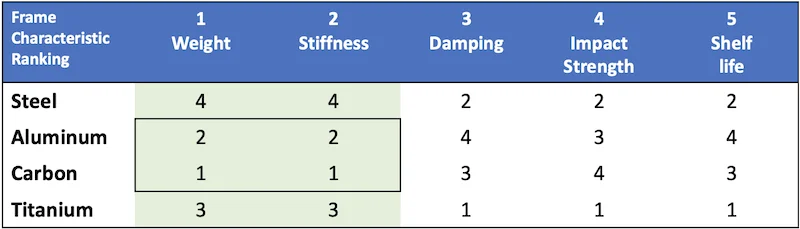
For cyclists, weight is a constant obsession. A lighter frame means easier climbing, faster acceleration, and a more responsive feel. This is why carbon fiber dominates the pro scene—it’s simply the lightest option available. But remember, the frame isn’t the only place to save weight. Wheels, tires, and components matter too.
Aerodynamics: More Than Just Marketing
“Aero” is one of the most overused buzzwords in cycling. While aerodynamic frames do offer some benefits, especially at high speeds, the biggest sources of drag are the rider, wheels, and helmet. If you’re looking to go faster, focus on your position, invest in a good helmet, and upgrade your wheels before worrying about the frame’s aero credentials.
Stiffness: Power Transfer and Ride Quality
Stiffness is crucial for efficient power transfer. When you pedal hard, you want your energy to go into forward motion, not frame flex. Carbon fiber excels here, allowing engineers to fine-tune stiffness in specific areas without adding weight. Aluminum frames are also stiff but can feel harsh. Steel and titanium offer more natural flex, which can enhance comfort but may sacrifice a bit of efficiency in all-out sprints.
Ride Comfort: Beyond the Frame
Cycling comfort is about more than just frame material. While steel and titanium absorb road vibrations well, the biggest factors in comfort are actually your wheels, tires, and saddle.
- Tires: Wider tires (28mm or more) run at lower pressures, smoothing out rough roads and reducing fatigue. Modern road bikes increasingly accommodate these wider tires, making comfort upgrades easier than ever.
- Saddle: The right saddle, matched to your sit bones and riding style, can make or break your ride. Don’t be afraid to experiment, and pay attention to features like cutouts that relieve pressure.
- Seatposts and Forks: Carbon seatposts and forks are often added to aluminum frames to dampen vibrations.
Cycling media often exaggerates the frame’s role in comfort. The reality is, tire choice and saddle selection have a much greater impact on your ride quality.
Material Maintenance and Durability
Each frame material comes with its own care requirements:
- Steel: Needs regular maintenance to prevent rust, but is easy to repair if damaged. Best for long-distance touring and riders who value longevity.
- Aluminum: Affordable and low-maintenance, but prone to metal fatigue over time. Inspect joints periodically, especially if you ride hard or rack up big miles.
- Carbon Fiber: Minimal maintenance, but susceptible to impact damage. Always inspect for cracks after a crash, and be wary of buying second-hand carbon frames—hidden damage can be dangerous and expensive to repair.
- Titanium: Virtually maintenance-free, rustproof, and tough. Ideal for travelers and those who want a bike for life.
Beware of Hype: Marketing vs. Reality
Cycling is awash with marketing claims, especially at the high end. Not all brands are created equal, and not every “innovation” translates to real-world benefits. Trusted brands like Giant, Pinarello, Colnago, Bianchi, Wilier, and BMC have earned their reputations through engineering excellence and reliability, not just flashy ads.
When researching a new frame, look beyond the glossy brochures. Online forums and independent reviewers—especially engineers who ride—can offer candid insights into real-world performance, durability, and customer service. Search for terms like “faulty design” and “warranty claims” alongside your preferred brand to uncover any red flags.
Cycling Media and Independent Voices
Mainstream cycling media often rely on brands for review samples and advertising, which can compromise their candor. While they’re great for maintenance tips and trend updates, take glowing frame reviews with a grain of salt. Independent experts on YouTube and forums are increasingly influential, calling out poor designs and misleading claims. Their honest, technical breakdowns have even led to product recalls and better warranty support.
Recommendations for Cyclists
With so many choices, how do you pick the right frame? Here are some cyclist-focused tips:
- For Racers and Enthusiasts: Go for a carbon fiber frame from a reputable brand. Mid-range models offer excellent performance without the pro-level price tag.
- For All-Rounders and Commuters: A double or triple-butted aluminum frame is versatile, affordable, and tough enough for daily use.
- For Tourers and Lifelong Riders: Consider steel for its comfort and repairability, or titanium if you want a “forever bike.”
- Upgrade Wisely: Good wheels and a quality groupset can transform your ride more than a top-tier frame alone.
- Brand Confidence: Giant is a safe bet, known for pioneering carbon technology and manufacturing for many top brands. Their global store network is a bonus for warranty support.
Final Thoughts
Choosing a road bike frame is about matching your riding style, goals, and budget with the right material and geometry. Don’t be swayed by every marketing claim—focus on fit, comfort, and proven performance. The best frame is the one that inspires you to ride more, whether you’re chasing KOMs, conquering centuries, or simply enjoying the open road.
Happy riding, and may your next frame be the perfect partner for your cycling adventures!