
Heading to My First World Cup: How I Prepped My Media Gear for Qatar 2022
Traveling to the FIFA World Cup is a dream for many football fans, but for me, it was more than just attending matches—it was about capturing every moment, every emotion, and every unique detail of the experience.
As I prepared for my first World Cup in Qatar in 2022, I quickly realized that pulling together the right media gear and planning every step was just as challenging as scoring those elusive tickets.
Here’s how I navigated the process, what I learned, and why the right preparation made all the difference.
The Ticketing Odyssey
My World Cup journey began not with a flight or a camera, but with a digital queue on FIFA’s ticket portal.

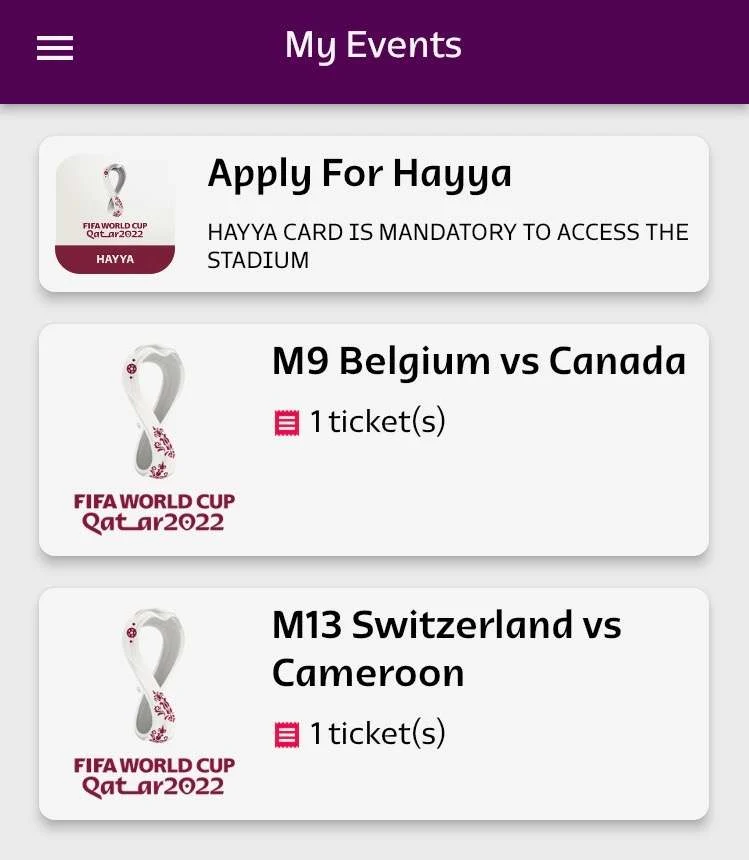
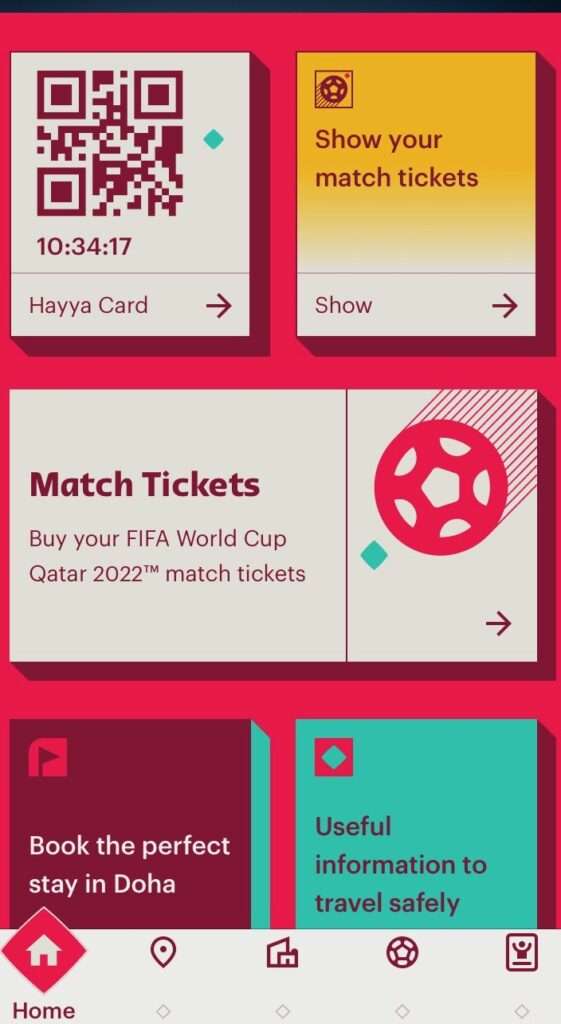
Securing tickets was a test of patience and perseverance—a nearly 30-hour wait in a virtual line, watching the progress bar crawl forward at a glacial pace. When I finally got in and snagged my tickets, I felt like I’d won my own mini World Cup.
But the challenge didn’t end there. Qatar, anticipating an unprecedented influx of fans, had set up a special state agency to handle accommodation bookings. Only after showing proof of my match tickets could I reserve a place to stay. This two-step process—tickets first, accommodation second—was a logistical puzzle, but it ensured that every fan had a roof over their head.
The final hurdle was the entry permit. Qatar required visitors to have both confirmed tickets and accommodation before they could apply for a permit to enter the country for the Games.
There was a workaround—a day entry pass for those without accommodation, provided you left the country each night—but for me, staying in Qatar was non-negotiable.
With all the paperwork in place, I could finally turn my attention to what really mattered: my media gear.
Building the Ultimate Media Gear Checklist
Two weeks before departure, I sat down and created a comprehensive gear checklist. Past travel mishaps had taught me that forgetting even a single cable or battery could ruin a day’s shooting. This World Cup was a once-in-a-lifetime event, and I wanted to be ready for anything.
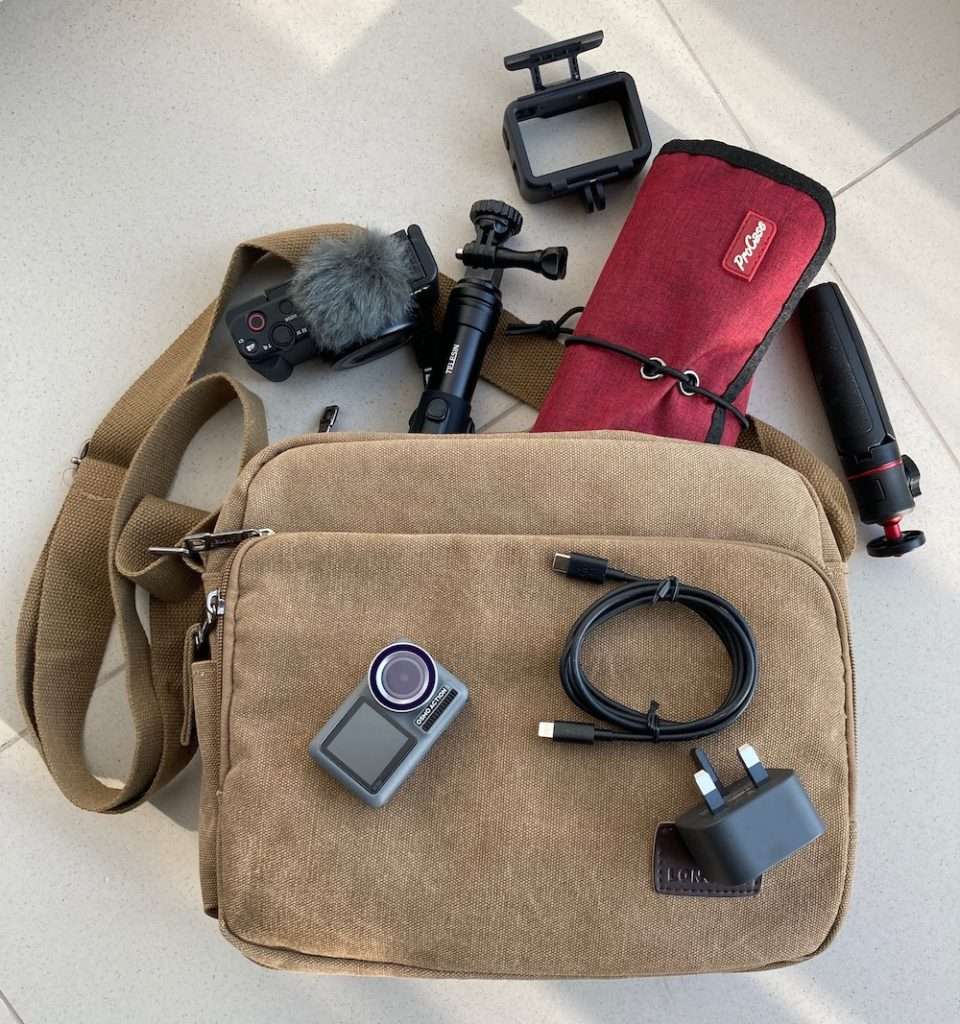
Here’s what made the cut for my media kit:
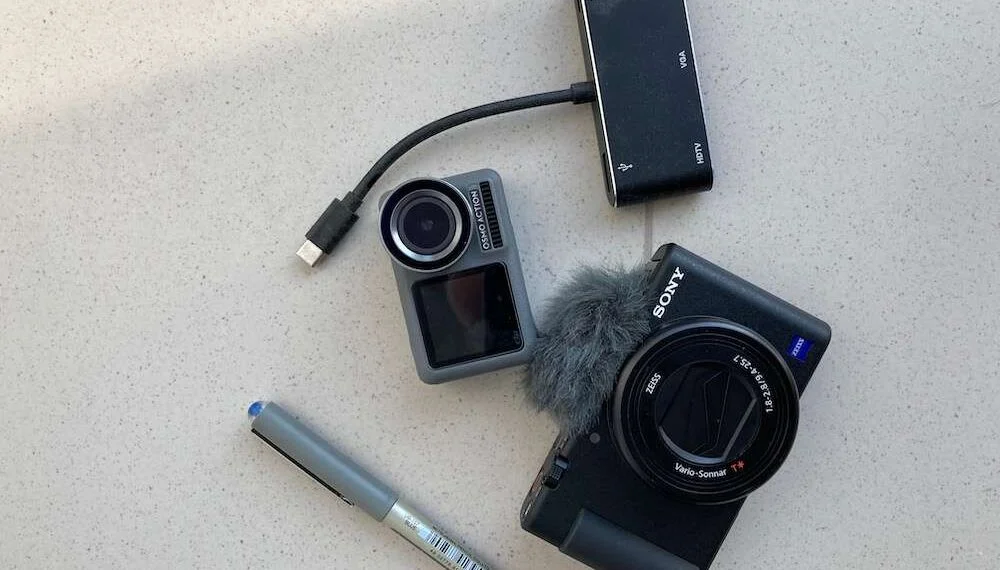
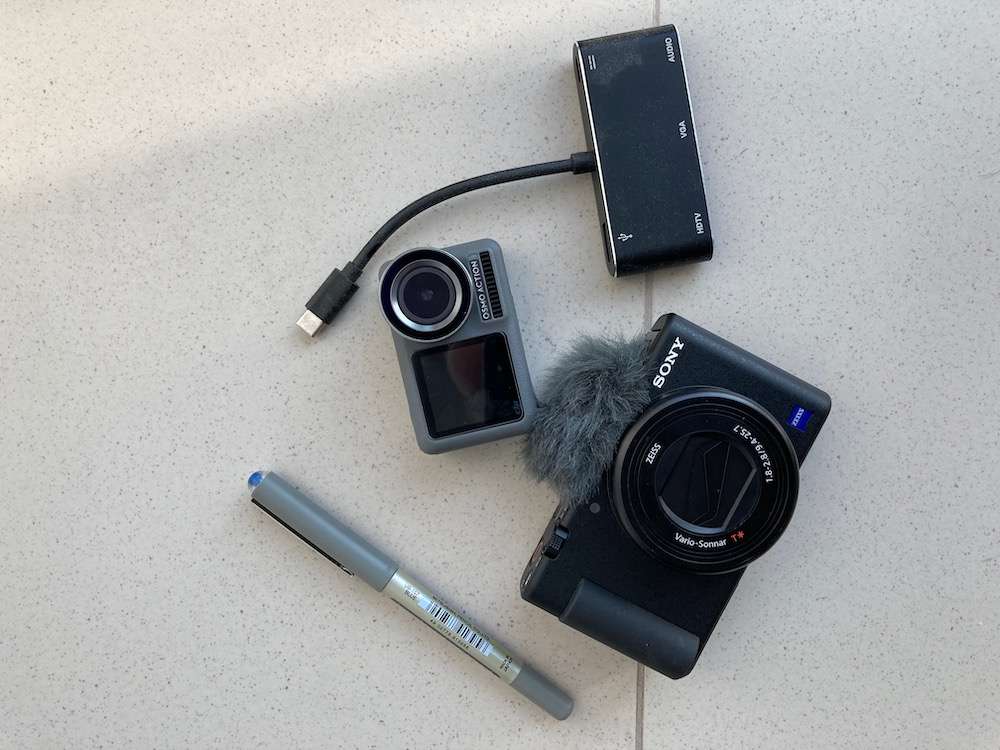
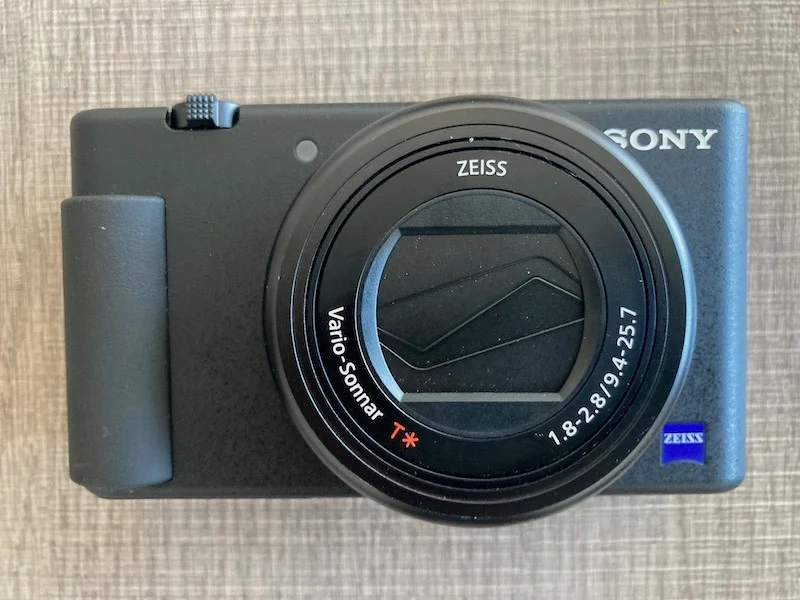
- Main camera: Sony ZV1, for high-quality photos and videos
- Secondary camera: iPhone, for quick snaps and spontaneous moments
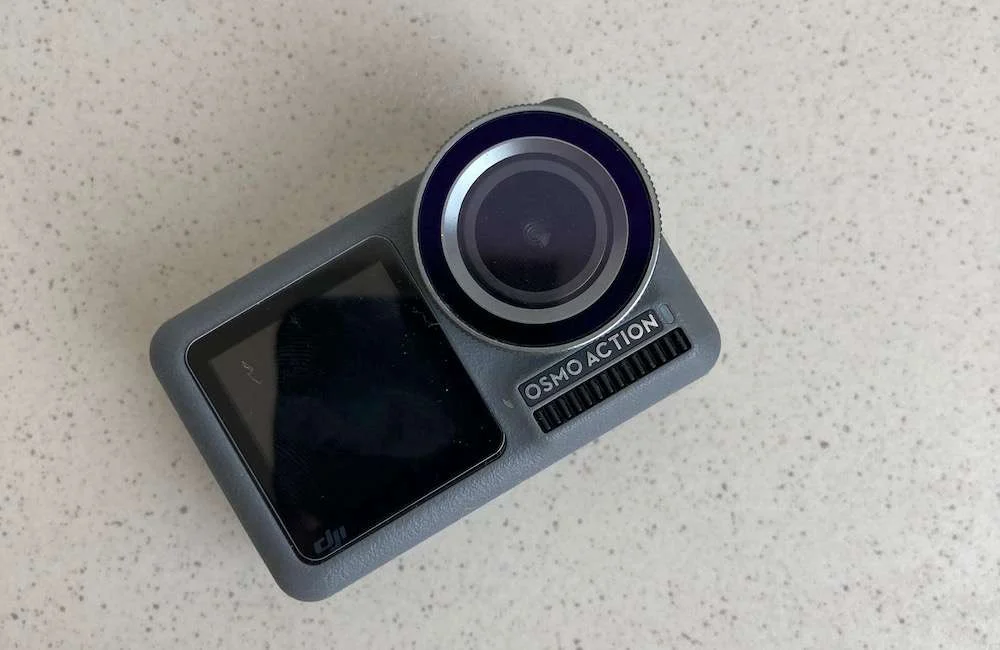
- Action camera: DJI Osmo Action with image stabilizer, perfect for dynamic, on-the-move shots
- Tripods and selfie sticks: Telesin 90cm tripod/selfie stick (for Sony ZV1/Osmo Action), Mini Ulanzi tripod/selfie stick, and Porodo Bluetooth selfie stick (for iPhone)
- Audio: Boya “dead cat” external mic for the Sony ZV1, to cut wind noise during video recording
- Storage: Samsung SSD for backing up photos and videos, stored safely at the accommodation
- Laptop: MacBook Pro, also left at the hotel for editing and backup
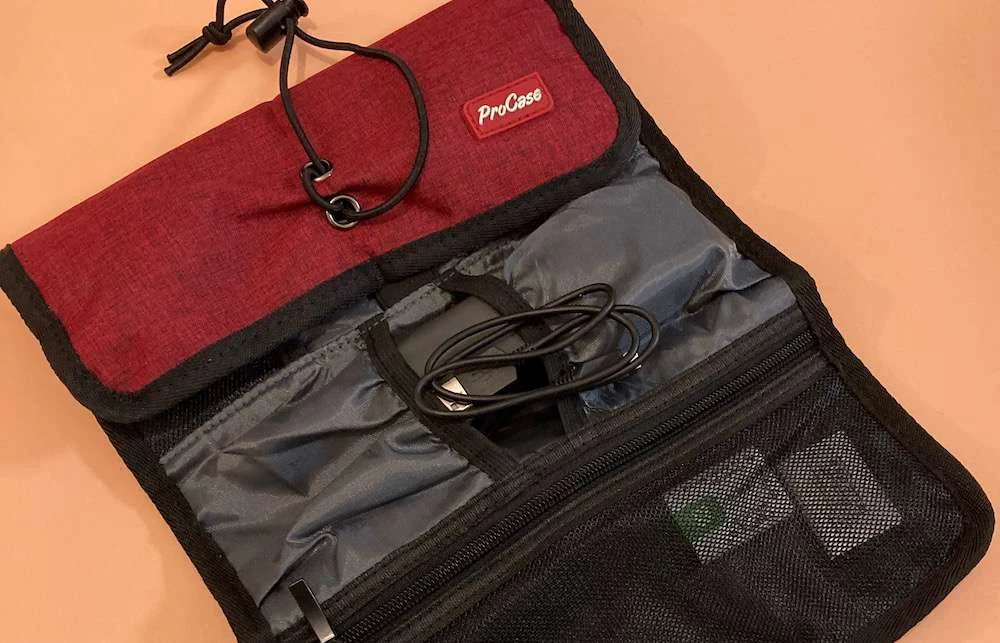
- Accessories: Cables, spare batteries, SD cards, and a waterproof cotton sling bag to carry everything (except the SSD and laptop)
Power and Storage: The Unsung Heroes
Once I’d assembled my gear, I charged every battery and power bank, including spares. Despite my meticulous planning, I still forgot a spare for the Bluetooth selfie stick remote—a reminder that even the best-laid plans can go awry.
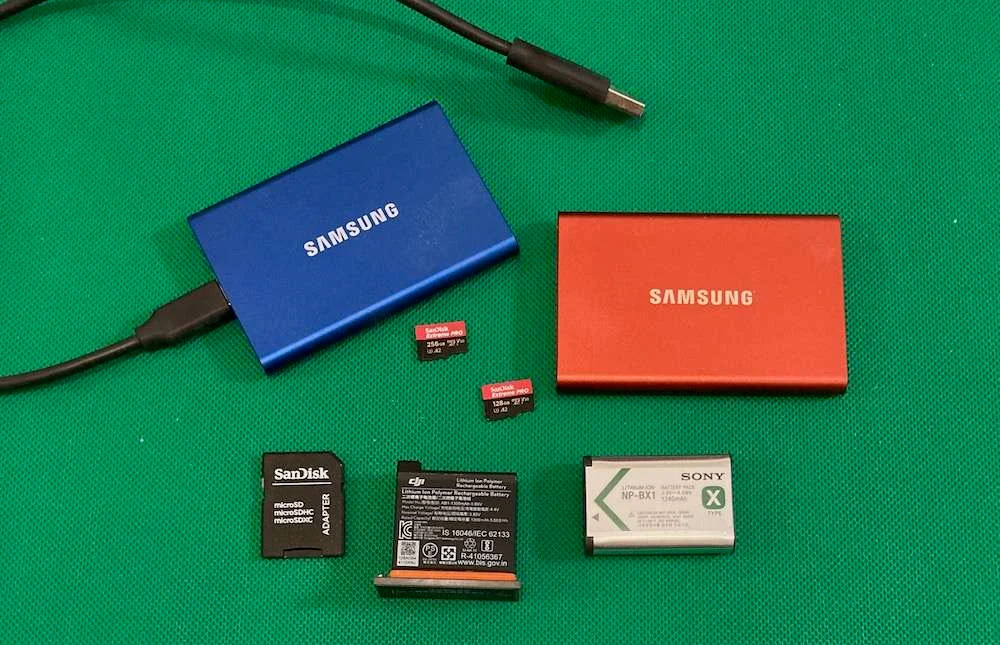
Storage was another critical consideration. Shooting in RAW and bracketing exposures (taking multiple shots at different settings) meant I’d quickly fill up SD cards. I made sure to bring plenty of storage, both physical and digital, to avoid the nightmare of running out of space mid-match.
Scouting the Scene: Event Coverage Considerations
Covering an event as massive as the World Cup requires more than just good gear—it demands an understanding of the environment.
Qatar’s unique blend of desert landscapes and ultra-modern cityscapes, its intense sunlight and dramatic night lighting, all posed unique challenges for photography and videography.
But the World Cup isn’t just about football. It’s about the people, the culture, and the places that make the host country unique. Qatar, with its rich Bedouin heritage and vibrant expatriate population, offered a wealth of stories beyond the stadiums.
I made it a point to research local traditions, especially the famous “Souk”—the traditional marketplace. I hoped for an authentic experience, and Qatar’s Souk did not disappoint. The colors, sounds, and energy were a photographer’s dream.
Trial Runs: Testing the Gear
Before leaving home, I put every piece of equipment through its paces. I shot test photos and videos, experimented with angles and compositions, and practiced using each tripod and selfie stick. This prep work paid off—I knew exactly which setup worked best in different situations.
Landing in Doha, the gear came out immediately. Airport shots, cityscapes, and candid moments all found their way onto my memory cards. Reviewing the footage each night, I adjusted my approach as needed, ensuring I was always ready for the next day’s adventures.
The Mental Map: Seizing Every Opportunity
To capture the full spectrum of the World Cup experience, I broke down my shooting plan into three main categories:
- On the way to the stadium: Fans, transportation, event organizers, and the excitement building in the streets.
- At the stadium: The crowd, passionate supporters, colorful costumes and banners, the architecture, and the electric atmosphere.
- The Souk: Shops, shopkeepers, unique goods, vibrant colors, diverse visitors, and the rhythm of daily life.
Of course, some of the best moments were unplanned—serendipitous encounters, spontaneous celebrations, and unexpected beauty. I kept my gear ready at all times, determined not to miss a single opportunity.
What Worked (and What Didn’t)
Every piece of gear earned its place in my kit, but some proved more indispensable than others.
- iPhone: The true workhorse, especially with the Porodo selfie stick and remote. Its night mode and fast autofocus made it perfect for both photos and videos, day or night. The selfie stick allowed for creative angles and stable shots—an essential accessory, since phones aren’t designed for comfortable handheld shooting in landscape mode.
- Sony ZV1: This camera excelled at night, capturing vivid colors and dynamic scenes that the iPhone sometimes struggled with. In the bustling Souk, the ZV1 brought the kaleidoscope of colors and sounds to life.
- DJI Osmo Action: A star performer for daytime and action shots, especially on the move. Its image stabilization was outstanding, making it ideal for capturing the journey to and from stadiums. However, it struggled in low light and stayed in the bag after dusk.
- Laptop: Surprisingly, the MacBook Pro went mostly unused. After long days of shooting and exploring, I simply didn’t have the energy for editing. This made the storage capacity of my SD cards and iPhone even more critical.
Gone are the days of lugging around a bulky DSLR, multiple lenses, and a heavy tripod. Compact cameras and a small sling bag made moving between venues and exploring the city effortless.
Lessons Learned and Final Thoughts
My first World Cup was an unforgettable adventure, made richer by careful planning and the right gear. Here are my key takeaways:
- Preparation is everything: From tickets to gear, every step required foresight and flexibility.
- Pack light, but smart: Choose versatile, compact equipment that can handle a variety of shooting conditions.
- Expect the unexpected: Some of the most memorable moments are unplanned—be ready to capture them.
- Immerse yourself: The World Cup is about more than football. Explore the culture, meet new people, and document the full experience.
Qatar 2022 was more than a sporting event—it was a celebration of global community, culture, and the power of sport to bring people together. With the right preparation and a spirit of adventure, I was able to capture memories that will last a lifetime.