
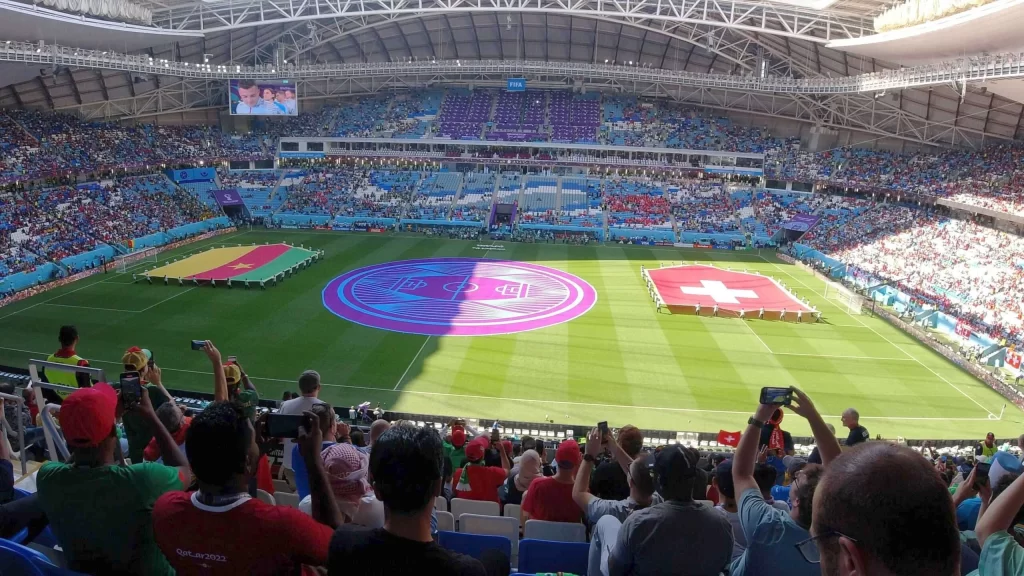
A Tournament Like No Other
The 2022 FIFA World Cup in Qatar was, by all accounts, the most talked-about and controversial tournament in the event’s storied history. Even before the first whistle, the world was abuzz with debate.
Why Qatar? How would such a small nation handle the logistical demands? Would the culture clash with the global football community’s expectations? These questions—and the swirl of media attention—piqued my curiosity and ultimately drew me to experience the World Cup firsthand.
The Allure of the World Cup
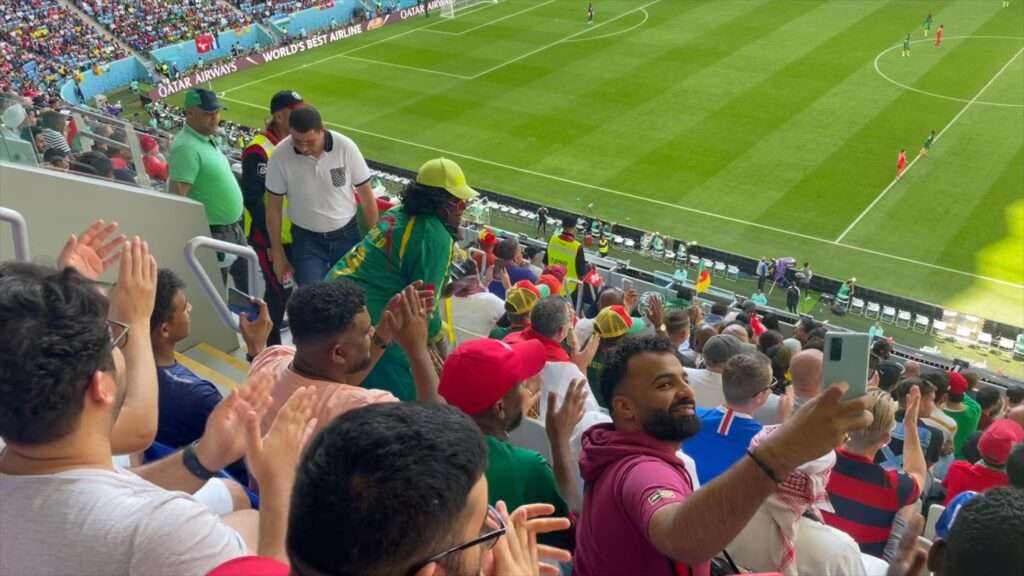
There’s nothing quite like the World Cup. While the Olympics may showcase the breadth of human athletic achievement, the World Cup is a festival of passion.
Fans transform stadiums into seas of color, draping themselves in national flags, painting their faces, and bringing drums, horns, and banners. The air vibrates with energy. Singing, chanting, and the occasional tearful outburst from grown men and women swept up in the moment. The intensity is tribal, the camaraderie infectious. I wondered: Would I, too, be swept up in the magic?
Qatar: A Tiny Giant on the World Stage
Qatar is a land of contrasts. At just 0.15% the size of Australia and only slightly larger than Cyprus, it’s a sliver of desert jutting into the Persian Gulf.
Doha, its capital, is the country’s beating heart—a city where the desert meets the sea. With fewer than three million residents, only about 10% are Qatari nationals; the rest are migrant workers and expatriates. With nearly half hailing from the Indian subcontinent.
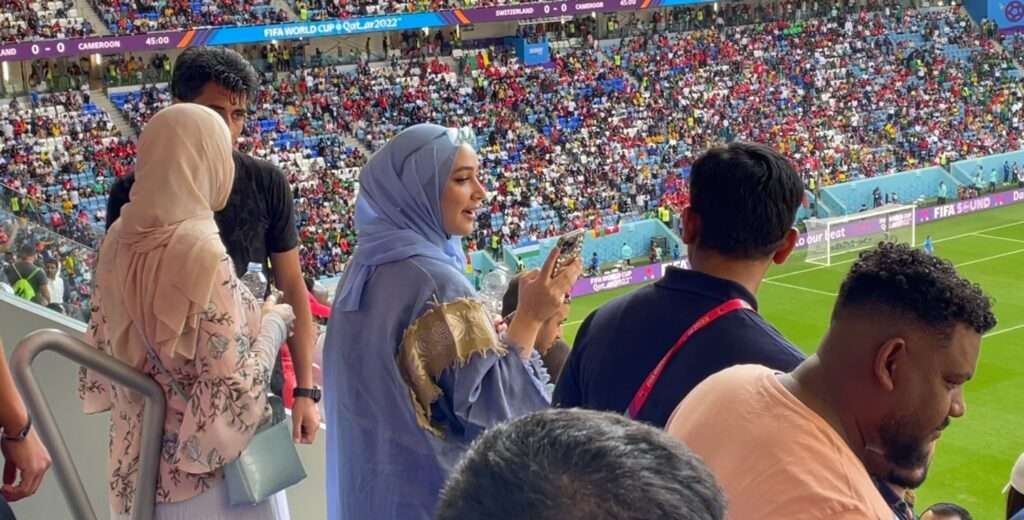
Like Dubai, Abu Dhabi, and Singapore, Qatar’s rapid development has depended on this diverse workforce, which has shaped its skyline and infrastructure.
The Controversial Bid
Qatar’s selection as host was shrouded in controversy. It was the first Arab and the smallest nation ever to host the World Cup, raising eyebrows about FIFA’s criteria and decision-making.
The tournament was also the first to be held in winter. Moved from the traditional June-July window to November-December to avoid the searing summer heat. This shift disrupted football leagues worldwide, but it was necessary for the safety of players and fans.
A World Cup of Firsts
Qatar’s World Cup set several precedents:
- Compactness: All eight stadiums were within easy reach of central accommodation, making it the most compact World Cup ever
- Air-Conditioned Stadiums: Every venue boasted state-of-the-art climate control, a necessity in the desert.
- Sustainable Design: The “974” Stadium, named after Qatar’s country code, was constructed from 974 shipping containers and is set to be dismantled post-tournament. Other stadiums will have their capacities halved, with seats donated to developing countries
- Massive Investment: Qatar spent an estimated $400 billion on infrastructure, making this the most expensive World Cup in history. The country now boasts a world-class metro, stunning skyline, and impeccable roads.
Building for the Future—or for Show?
The scale of Qatar’s investment prompted questions: Was all this infrastructure necessary for such a small nation? Would the facilities see use after the World Cup ended?
Yet, Qatar’s ambitions extend beyond the tournament. Hamad International Airport and Qatar Airways, both repeatedly ranked among the world’s best, show that the country plays big on the global stage. Like Singapore and Dubai, Qatar is determined to punch above its weight.
The Human Engine Behind the Event
At the height of construction, Qatar had more tunnel-boring machines at work than anywhere else on Earth—a testament to its resolve. The country’s wealth, built on oil and gas, provided the means. But the real engine was its people, the migrant workers, engineers, supervisors, and service staff from across the globe. These workers sent home billions in remittances, supporting families and communities far beyond Qatar’s borders.
A High-Tech, High-Touch Experience
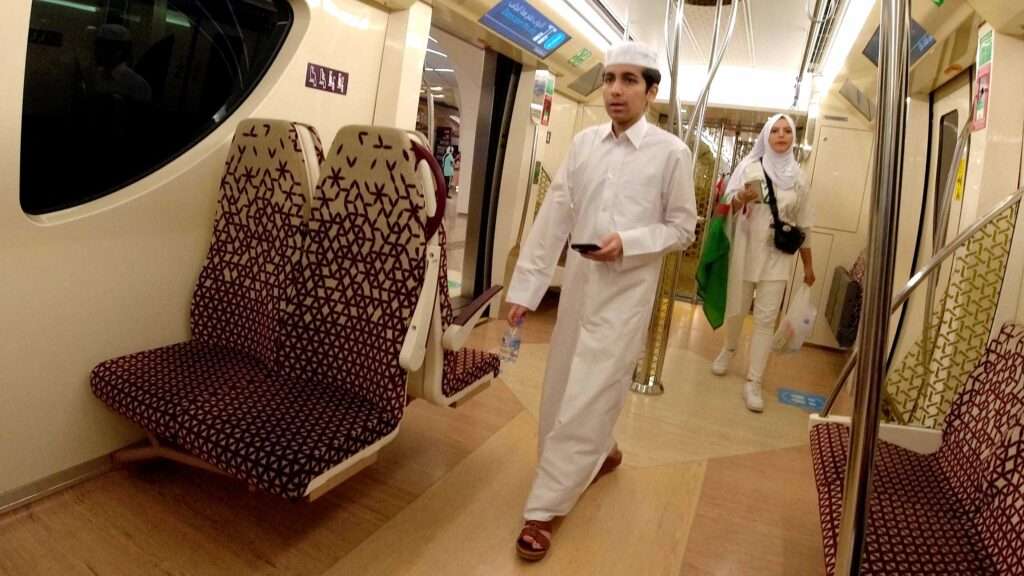
From the moment fans arrived, the experience was seamless and high-tech. Sophisticated face scanners and screening capsules greeted visitors at immigration. Roads, flyovers, and a driverless metro whisked fans between venues. Thousands of brand-new buses and cars shuttled fans and officials—free of charge.
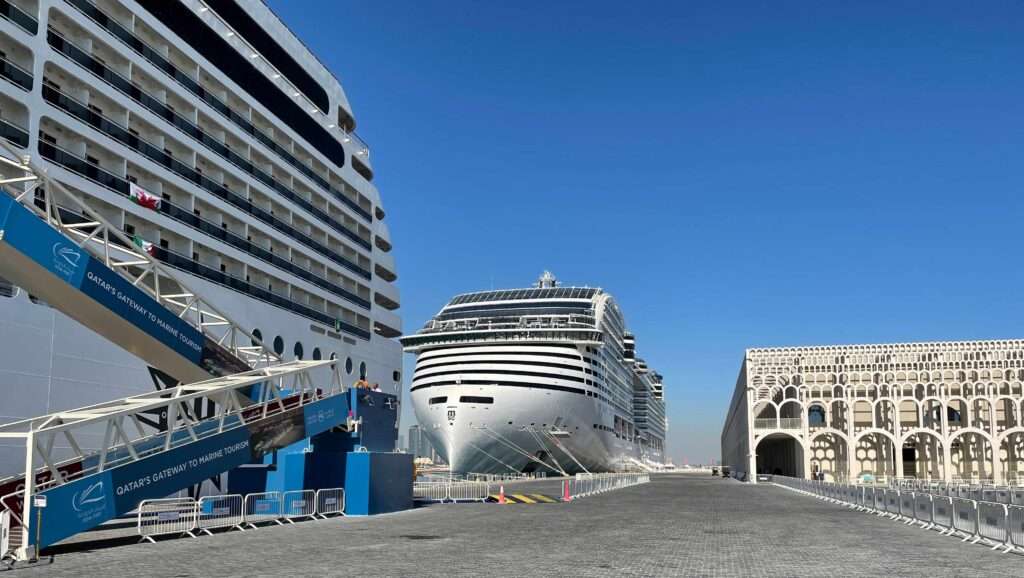
Even accommodation was creative, with cruise ships brought in to house the influx of visitors as there was a shortage of accommodation. Even more impressive is the way the Qatar authorities made sure each ticker holder had accommodation.
Teamwork in Action
What struck me most was the teamwork on display. Qatari men and women worked side by side with migrant and expat staff at every touchpoint—stadiums, bus hubs, metro stations. Their engagement was genuine, their hospitality warm. From ticket ushers helping fans navigate digital ticketing to security staff screening bags, everyone played their part. The only hitch was the FIFA ticket activation app, which was quickly resolved.
A Melting Pot of Cultures
Qatar’s World Cup was a microcosm of the world. Among the front-line staff were Filipinos, Africans, Indians, Europeans, and, of course, Qataris.
The interactions were respectful and collegial, with locals treating their foreign colleagues as equals. Having attended the London Olympics, I found the sense of unity and purpose in Qatar even more pronounced.
The Ripple Effect: Beneficiaries Beyond Qatar
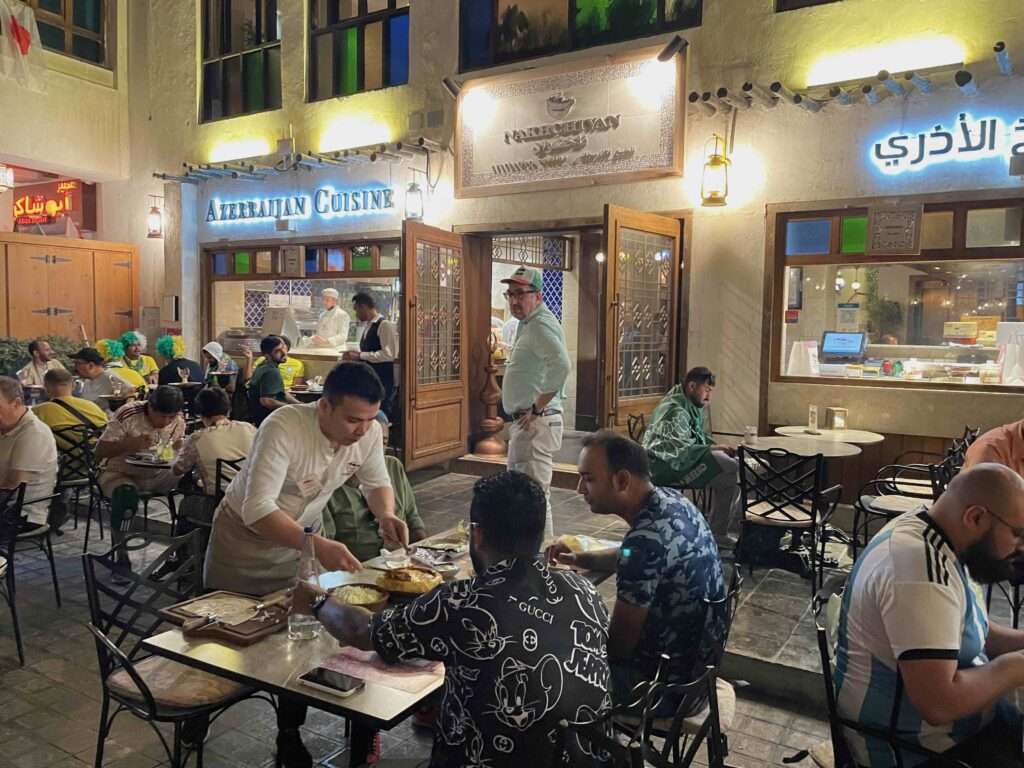
The World Cup’s benefits rippled far beyond Qatar’s borders. The $400 billion spent on construction and services translated into substantial remittances for workers’ home countries. Western nations also benefited, supplying technology, expertise, and creative talent. The metro and stadiums were world-class, a testament to international collaboration.
The Heartbeat of the Tournament: Souk Waqif
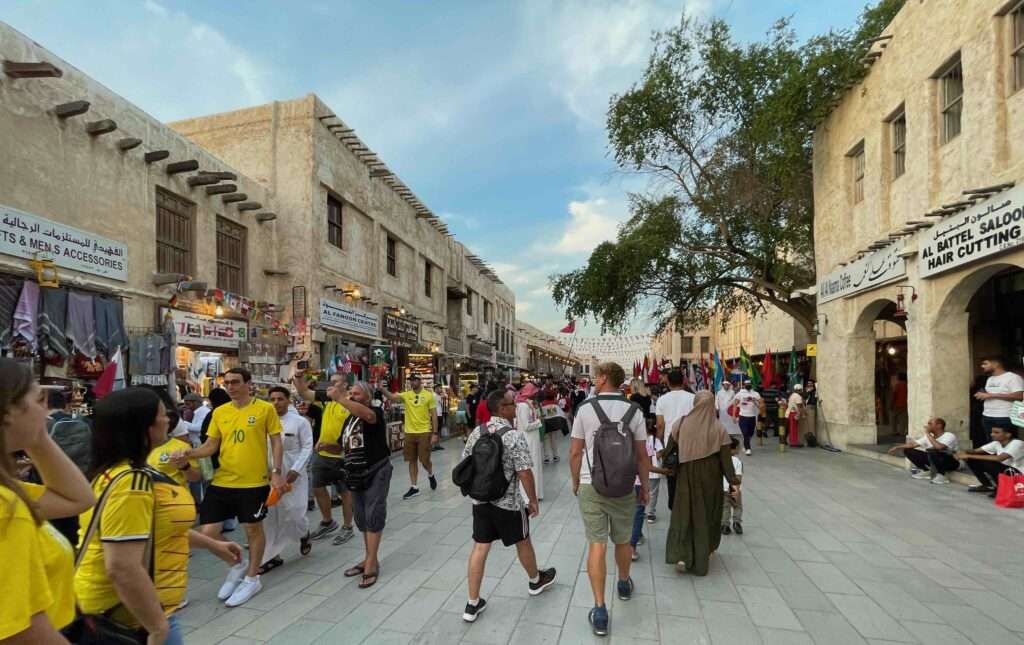
For many fans, the real magic happened not just in the stadiums but in Doha’s Souk Waqif. This bustling bazaar became the unofficial gathering point. A place to unwind, mingle, and soak up the atmosphere. It became an Oasis.
Even without alcohol, the Souk buzzed with life. Nights were especially enchanting, evoking the mystique of Arabian nights. Cafés spilled onto the streets, and the air was thick with anticipation and celebration.
Fans: The Lifeblood of the World Cup
The diversity of fans was a spectacle in itself:
- Japanese, South Korean, and South American fans were the most interactive, mingling freely with locals and other visitors despite language barriers.
- Canadian and US fans turned out in force, proudly displaying their colors and flags.
- European fans were more reserved, sticking to transport routes and stadiums.
- African fans made up for their smaller numbers with vibrant colors, drumming, and spirited cheering.
- South Americans and Arabs led spontaneous celebrations everywhere—from stadiums to metro stations to the Souk—with drums, chants, and flag-waving.
An Unforgettable Experience
Being in Qatar for the World Cup was more than ticking a box on a bucket list—it was a lesson in culture, resilience, and the power of sport to unite. The country, bound by tradition yet propelled by ambition, took bold steps forward. The World Cup nudged Qatar to rethink its approach, opening doors to greater openness and engagement with the world.
Reflections: More Than Just Football
The World Cup in Qatar was a convergence of spectacle and substance. It was about more than football. It was about people—fans, workers, locals—coming together in a shared celebration. The expected and the unexpected collided, creating memories that will linger long after the final whistle.
A Gathering of the World
In the end, the decision to attend was the right one. There is no substitute for being there. For witnessing firsthand the coming together of nations, cultures, and passions. The Qatar World Cup was a gathering of the world—a reminder that, despite our differences, we are united by our love of the beautiful game.