
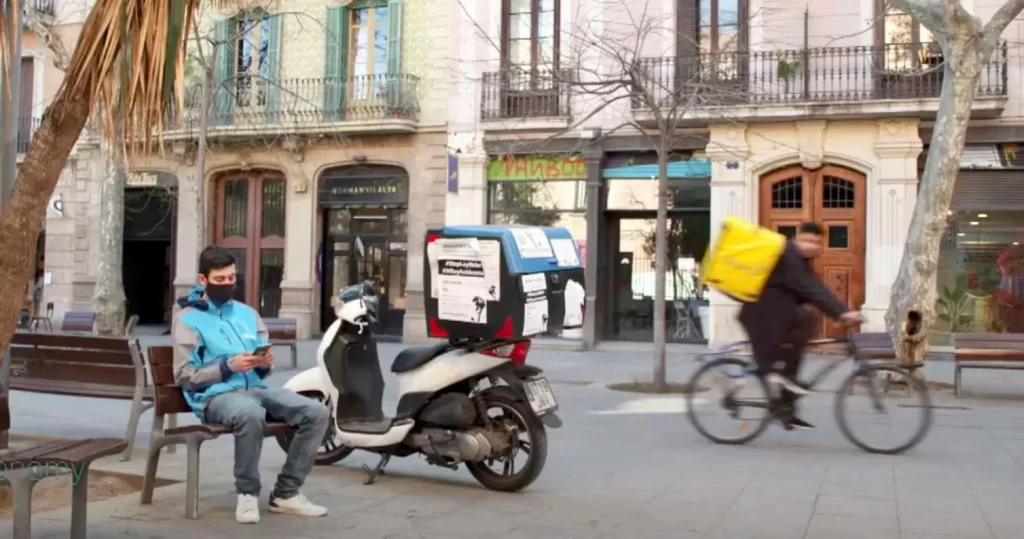
Proposition 22: How California’s Gig Economy Law is Shaping the Future of Work
In November 2020, California voters made history. With 59% in favor, they passed Proposition 22—a ballot measure that has since become a global reference point in the ongoing debate about the gig economy, worker classification, and the future of flexible work. The journey of Proposition 22 is not just a local story; it’s a saga that resonates far beyond California’s borders, touching the lives of millions and influencing policymakers worldwide.
The Birthplace of the Gig Economy
California is where the gig economy truly took off. Companies like Uber, Lyft, DoorDash, Instacart, and Postmates—household names today—were born in the Golden State. Their platforms revolutionized how people move, eat, and shop, offering unprecedented flexibility for workers and convenience for customers. But with innovation came new questions: What rights do gig workers have? Are they employees or independent contractors? Proposition 22 was California’s answer to these questions, and the world was watching closely.
What Is Proposition 22?
At its core, Proposition 22 was a response to a 2019 California law that required companies to classify gig workers as employees, not independent contractors. This shift would have given drivers and couriers traditional employee benefits—minimum wage, overtime, health insurance, and more. But the major app-based companies argued that such a change would upend their business models and threaten the flexibility that attracted both workers and customers.
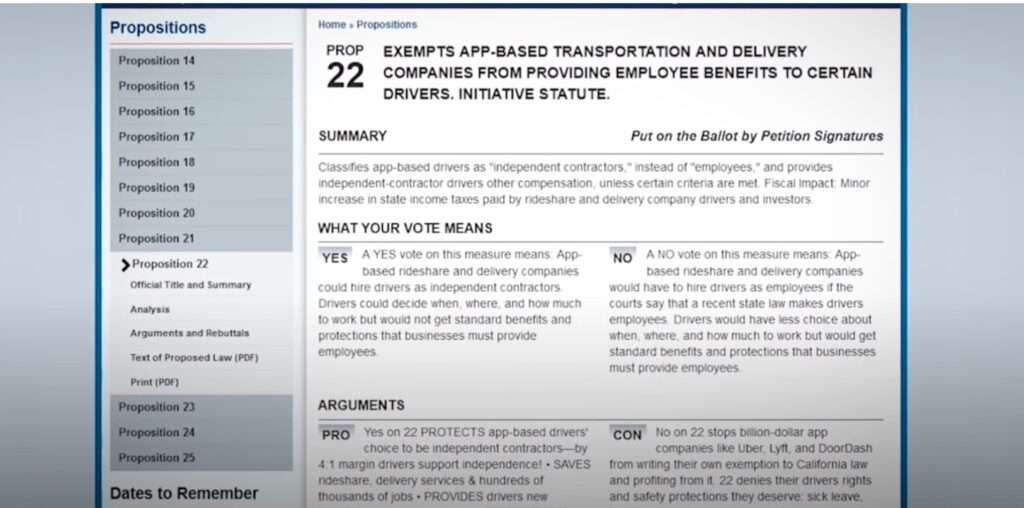
Proposition 22 sought a carve-out: app-based transportation and delivery companies could continue classifying their workers as independent contractors, but with some added protections. These included:
- Health insurance stipends for those who worked a minimum number of hours per week
- Medical coverage for on-the-job injuries
- Minimum earnings guarantees while actively working.
The Campaign: Flexibility vs. Security
The campaign for Proposition 22 was intense and high-stakes. The five main companies behind it—Uber, Lyft, DoorDash, Instacart, and Postmates—argued that forcing them to reclassify workers as employees would lead to an 80% reduction in their workforce. Their reasoning was simple: the economics of their platforms could only support about 20% of their then-current workforce under the employee model.
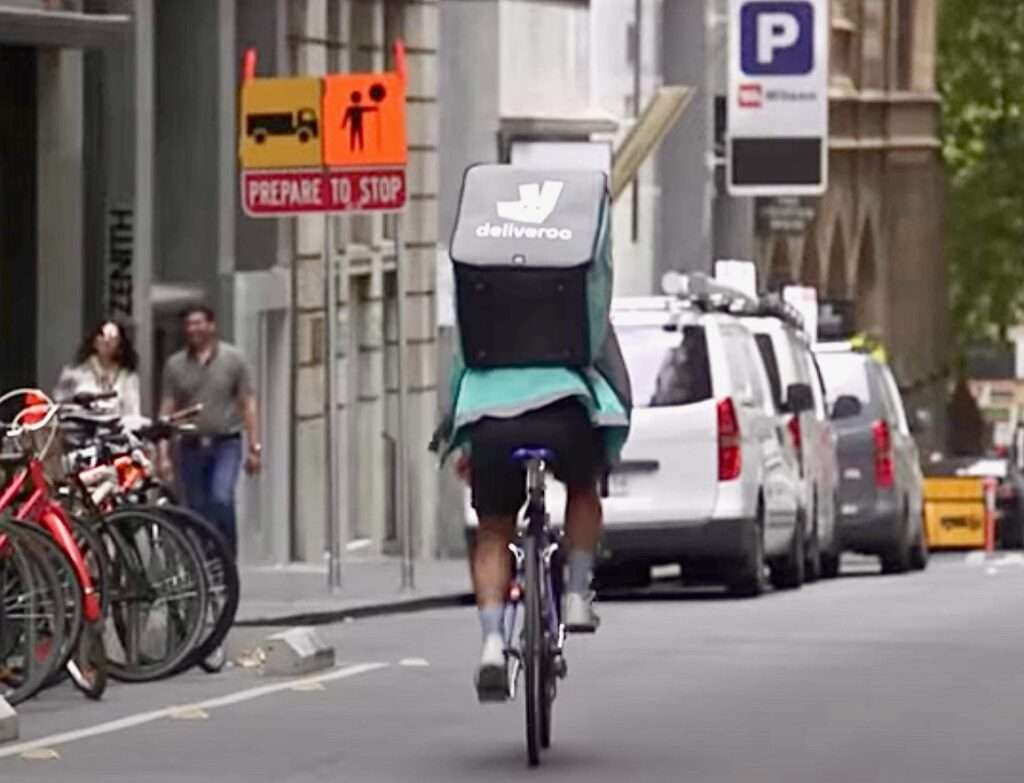
This claim, even if somewhat exaggerated, struck a chord. Many gig workers valued the freedom to choose when and how much to work. For students, parents, retirees, and those seeking a side income, the gig economy offered an unprecedented level of control over their schedules. Proposition 22’s messaging, crafted by Uber and its allies, emphasized this flexibility and warned of massive job losses if the measure failed.
The Legal Rollercoaster
After its passage, Proposition 22 faced immediate legal challenges. In August 2021, a California court declared it unconstitutional, citing conflicts with the state’s authority to regulate worker protections. But the story didn’t end there. In March 2023, a three-judge appellate panel unanimously overturned the earlier ruling, reinstating Proposition 22 and sending shockwaves through labor circles worldwide.
This legal back-and-forth underscored a crucial point: Proposition 22 wasn’t just another law handed down by politicians. It was the will of the people, expressed through direct democracy. Regulators and legislators couldn’t simply ignore it—they had to reckon with the reality that a majority of Californians supported the gig economy’s flexible model.
Why the World Cares
Why does a state law in California matter to the rest of the world? The answer is simple: California is the birthplace of the gig economy, and what happens there sets a precedent for other places. From Sydney to Dubai, from London to Bali, app-based ride-hailing and delivery services have become part of daily life. Policymakers everywhere are grappling with the same questions California faced: How do we balance worker protections with the flexibility that makes gig work attractive? Proposition 22 is now a case study for countries and cities wrestling with these issues.
The Heart of the Debate: Flexibility
At the center of Proposition 22 is a powerful idea: flexibility. Unlike traditional employment, gig work allows people to log on and off at will, work for an hour or a day, or take months off and return without penalty. This level of autonomy is rare in conventional jobs and has become a defining feature of the gig economy.

For many, this flexibility is more than a perk—it’s a necessity. Students juggling classes, parents balancing childcare, retirees seeking supplemental income, and people with other jobs all benefit from the ability to work on their own terms. The gig economy has created new opportunities for those who might otherwise struggle to find work that fits their lives.
The Pros and Cons of Proposition 22
Like any major policy, Proposition 22 has its supporters and critics. Here’s a closer look at the arguments on both sides:
Positives
- Continued Service Availability: Gig companies can maintain large, flexible workforces, ensuring round-the-clock service for customers at lower costs than traditional employee models.
- Worker Choice: Individuals can remain independent contractors, setting their own schedules and working as much—or as little—as they want.
- Job Preservation: By avoiding the costs associated with full employment benefits, companies argue they can prevent mass layoffs.
- Conditional Benefits: Proposition 22 introduced new protections, such as health stipends and injury coverage, that weren’t previously available to contractors.
Negatives
- Wage Concerns: Full-time gig workers may earn less than the minimum wage after expenses, especially if demand is low or competition is high.
- Reduced Benefits: Contractors receive fewer benefits and protections compared to employees, including limited access to health insurance, paid leave, and retirement plans.
- Weaker Collective Bargaining: Independent contractors are less likely to unionize or collectively negotiate for better pay and conditions.
A Fork in the Road: Rethinking Worker Classification
The debate over Proposition 22 highlights a fundamental question: Is a one-size-fits-all approach to worker classification still relevant? The gig economy has blurred the lines between employee and contractor, creating a new category of worker who values both independence and some level of security.
Some argue that we need a more nuanced, matrixed approach—one that recognizes the diversity of gig workers’ needs and preferences. Not everyone wants to be an employee, especially if it means losing flexibility or risking their job. Others believe that stronger protections are necessary to prevent exploitation and ensure fair compensation.
The Broader Impact: Shaping Global Policy
With Proposition 22 back in effect, legislators, regulators, and interest groups worldwide are re-examining their own policies. The key challenge is finding a balance between protecting workers and preserving the unique advantages of the gig economy. This means considering not just the needs of full-time drivers and couriers, but also those who rely on gig work for supplemental income or work-life balance.
It also means supporting the broader ecosystem: entrepreneurs, app developers, and startups who have transformed how we live, work, and connect. The technology that powers the gig economy—smartphones, apps, and real-time algorithms—has created new opportunities and challenges that traditional labor laws were never designed to address.
Technology at the Core
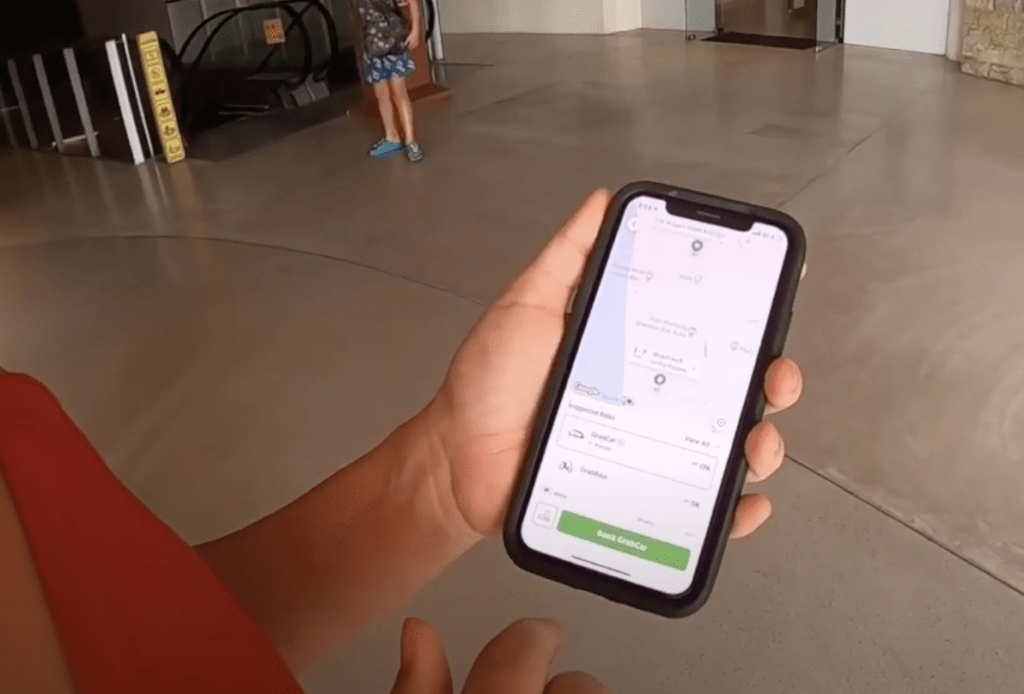
Proposition 22 specifically defines the gig sector as “app-based transportation and delivery companies.” This is no accident. Technology is the backbone of the gig economy, enabling flexible work arrangements and connecting people in ways that were unimaginable just a decade ago. The smartphone has become the linchpin, empowering workers and customers alike to participate in this new paradigm.
What’s Next?
The story of Proposition 22 is far from over. As other states and countries consider similar measures, the world will continue to watch California as a bellwether. Will more places embrace flexible work models, or will they push for stronger worker protections? Will new technologies create even more opportunities—or new challenges—for gig workers?
One thing is clear: the gig economy is here to stay, and the conversation about how to regulate it is just beginning. Proposition 22 has set the stage for a global debate about the future of work, the meaning of flexibility, and the rights of workers in a rapidly changing world.
Conclusion
Proposition 22 is more than a law—it’s a reflection of our evolving relationship with work, technology, and each other. It has forced us to confront difficult questions about fairness, freedom, and the role of government in shaping our economic future. As the gig economy continues to grow and transform, the lessons of California will guide policymakers, workers, and businesses around the world.