
How the Gig Economy Changed the Meaning of “Platform” and “Worker”
Words like “platform” and “platform workers” have taken on new, powerful meanings in the modern workforce. Once, “platform” simply referred to a stage or a base. Today, it’s a buzzword tied to the gig economy—a rapidly growing sector that’s reshaping how people earn a living and how societies think about employment. Legislators, researchers, and the public have all struggled to define this new segment of workers, who exist outside the traditional boundaries of employment, but one thing is clear: the language of work is evolving, and so are the rights and vulnerabilities of those who earn their living through digital platforms.
A Quick History of the Gig Economy
To understand how “platform” became such a loaded term, it helps to look back at the origins of the gig economy. The years between 2008 and 2010 were pivotal. Companies like Airbnb, TaskRabbit, and Uber burst onto the scene, offering new ways for people to earn money on their own terms. The term “gig economy” began to take root, capturing the spirit of this new world: side hustles, flexible hours, and the freedom to work when and where you wanted. Uber, in particular, became the poster child for this shift, making it easy for anyone with a car and a smartphone to become a driver.
At first, gig workers relished their independence. They weren’t employees—they were contractors, free to set their own schedules, accept or decline jobs, and work as much or as little as they liked. The arrangement seemed ideal, especially for those seeking a second income or a break from the rigidity of traditional employment.
The App Revolution and Online Work Platforms
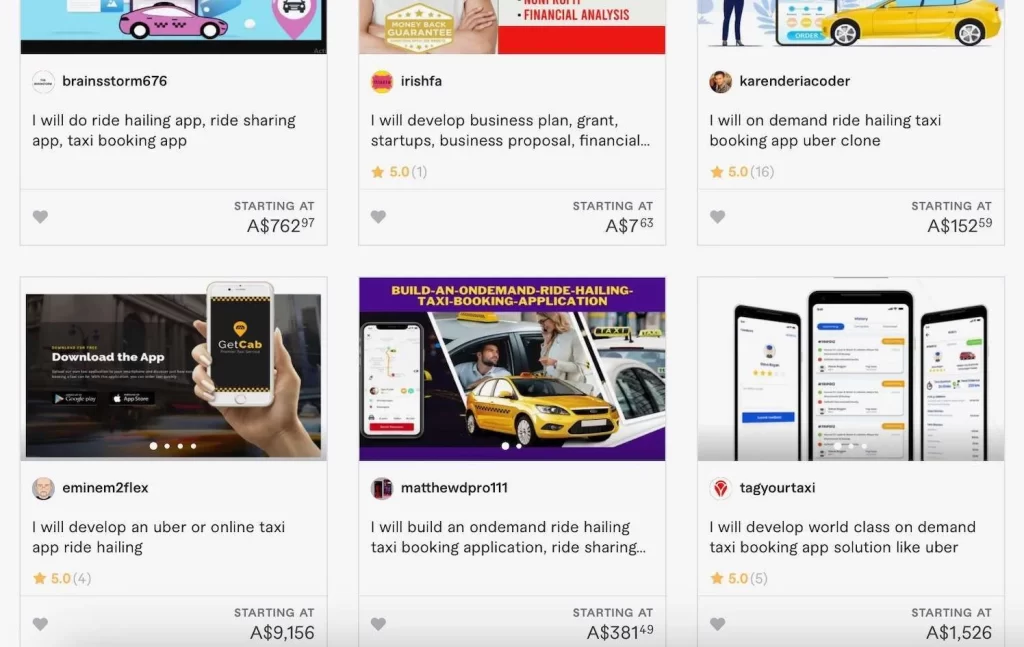
The gig economy’s rise was fueled by technology, especially mobile apps. Suddenly, anyone could download an app and start earning money as a driver, courier, or delivery person. Alongside these app-based gigs, online work platforms like Upwork and Fiverr flourished, connecting freelancers with clients around the world. These platforms created a new kind of labor market—one that was global, flexible, and largely unregulated.
Three main pathways emerged for people seeking gig work:
- · Responding to ads or making cold calls for extra work (the old-fashioned way).
- · Using mobile apps for ride-hailing, food delivery, or courier services.
- · Joining online platforms that matched workers with short-term assignments.
It’s the third category—online platforms—that blurred the lines between traditional freelance work and the new gig economy. These platforms welcomed a wide range of workers, from highly skilled professionals to those seeking entry-level gigs.
Freelancers, Contractors, and the Pre-Gig Economy World
Before the gig economy, freelancers and independent contractors already enjoyed many of the perks that gig workers now seek: flexible hours, control over their workload, and the ability to set their own rates. But there was a crucial difference. Traditional freelancers—think consultants, graphic designers, software engineers—often possessed specialized skills and could negotiate better terms. They were in demand and could afford to turn down work that didn’t suit them.
Platforms like Upwork and Fiverr initially catered to these skilled professionals. But as the gig economy grew, workers from all backgrounds began to flood these platforms, seeking the same flexibility and autonomy.
A Surprising Convergence: All Kinds of Workers Join the Platform Revolution
The gig economy’s appeal wasn’t limited to tech-savvy freelancers. Conventional employees—bookkeepers, clerks, handymen, cleaners, even managers—started to migrate to online platforms. The barriers to entry were low, and the promise of flexible, on-demand work was irresistible. Platforms responded by creating new categories for these workers, making it easy for anyone to sign up and start offering their services.
Employers, too, saw the benefits. They could hire workers for short-term needs without the obligations of permanent employment. But there was a catch: these platforms were built for gig assignments, not long-term jobs. The assumption was that everyone using the platform was an independent contractor, not an employee.
The Hidden Costs: Loss of Rights and Protections
Many new gig workers didn’t realize what they were giving up. Traditional employment contracts come with a host of protections: minimum wage, sick leave, holiday pay, and retirement benefits. Gig work, by contrast, offered none of these. The lack of safety nets became a growing concern for governments, labor advocates, and the workers themselves.
As the gig economy matured, the initial excitement faded. Companies like Uber and Lyft, which had lured drivers with generous rates and bonuses, began to cut back as they sought profitability. The honeymoon was over, and many workers found themselves earning less than they had expected.
The Vulnerable Segment: Low-Skill Workers at Risk
The gig economy’s most vulnerable participants were those without specialized skills or qualifications. Unlike traditional freelancers, they had little bargaining power and were easily replaceable. They also had no provisions for health issues, retirement, or job security. Companies could stop assigning them work at any time, with no recourse for the worker.
Over-recruitment became another issue. As more people signed up for gig work, the available jobs were spread thinner. Workers would log into their apps, mark themselves as available, and sometimes not receive a single assignment all day. In city centers, it became common to see couriers and drivers waiting idly, hoping for a gig that might never come.
A Personal Perspective: Temp Work in Australia
The gig economy isn’t the first time workers have chosen flexibility over security. When I first arrived in Australia, I was surprised to find many employees on temporary contracts by choice. They preferred the higher hourly pay, even if it meant forfeiting paid leave. Over time, I realized that, for some, flexibility was worth the trade-off. Still, the lack of basic protections was hard to accept, especially for those who relied on this work as their primary income.
A Shift Toward Protection: The Legal Fight for Platform Workers
The vulnerabilities of gig workers did not go unnoticed. On February 19, 2021, the UK Supreme Court issued a landmark ruling recognizing Uber drivers as employees, not just contractors. The judgment began with a powerful statement:
“New ways of working organised through digital platforms pose pressing questions about the employment status of the people who do the work involved.”
This ruling set a precedent, prompting other countries to enact regulations aimed at protecting gig workers. The term “platform worker” became a convenient way for lawmakers, researchers, and advocates to identify and discuss this new, vulnerable class of workers who needed legal protection[1].
The Formalization of “Platform Worker”
Today, “platform worker” is more than just jargon—it’s a recognized legal category in many countries. The International Labour Organisation (ILO), a United Nations agency, uses the term extensively in its research and policy recommendations. The ILO’s work has helped formalize the rights and responsibilities of platform workers, bringing much-needed attention to their unique challenges.
Why the Language Matters
The evolution of terms like “platform” and “platform worker” reflects deeper changes in the world of work. These words now carry the weight of legal battles, social movements, and economic shifts. They highlight the tension between flexibility and security, autonomy and vulnerability.
For workers, the gig economy offers both promise and peril. The freedom to choose when and how to work is appealing, but it often comes at the cost of stability and protection. For employers, the gig model provides flexibility and cost savings, but it also raises questions about fairness and responsibility.
Looking Ahead: The Future of Platform Work
As the gig economy continues to evolve, the debate over the rights and status of platform workers will only intensify. Governments, companies, and workers themselves must grapple with tough questions:
- · How can we balance flexibility with security?
- · What protections should platform workers receive?
- · How do we ensure fair pay and working conditions in a rapidly changing labor market?
The answers will shape the future of work for millions. One thing is certain: the words we use—“platform,” “gig,” “worker”—will continue to evolve, reflecting the ongoing struggle to define, protect, and empower those at the heart of the digital economy[1].
In Summary
The gig economy has transformed not just how people work, but how we talk about work. The rise of digital platforms has created new opportunities and new challenges, especially for those on the margins. As societies adapt, the language of work will keep changing—reminding us that, sometimes, a simple word can carry the weight of a revolution.