
The Great Hamburger Showdown: Plant-Based vs. Animal-Based Meat
Few foods inspire as much devotion as the humble hamburger. Whether you’re grabbing a quick bite at a fast-food joint, a gourmet burger at a trendy cafe, or grilling up patties at home, the hamburger is a beloved staple. A staple that crosses age, culture, and class. But as the world changes, so does our burger. The sizzling debate between plant-based and animal-based meat has reached our plates. And the question on everyone’s mind is. Will we even be able to tell the difference in a decade?
Let’s take a tasty journey through the world of burgers, exploring what makes them irresistible. Why plant-based meat is having its moment, and what the future holds for our favorite meal.
Why Burgers Reign Supreme
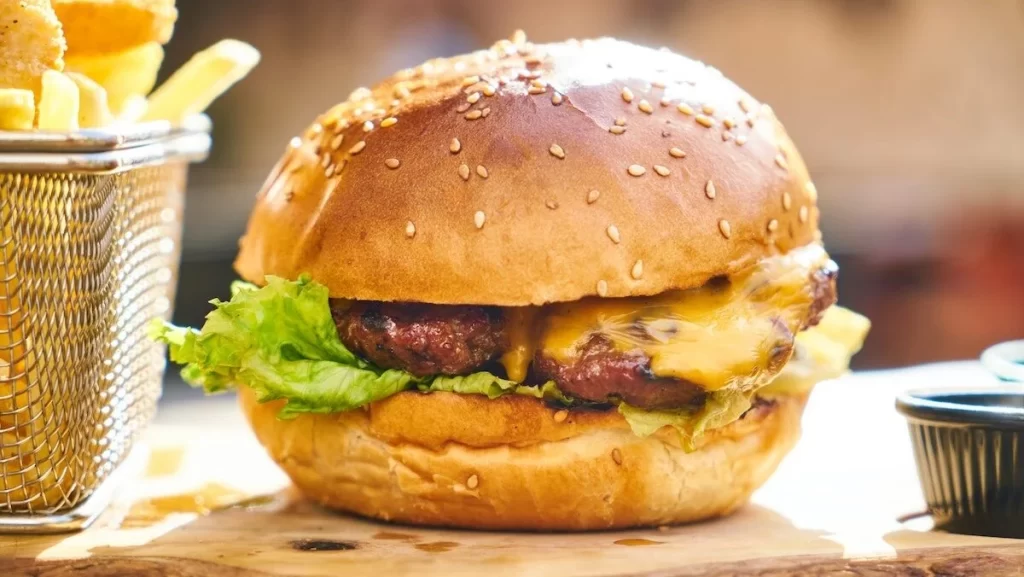
What makes the hamburger so universally adored? It’s simple. A soft sesame bun, a juicy beef patty seasoned with salt and pepper, crisp lettuce, tangy onions, dill pickles, a squirt of mustard, and a dollop of ketchup. This classic combo is affordable, filling, and available just about everywhere—from street vendors to five-star hotels.
Burgers are more than just food; they’re a cultural icon. Fast-food giants like McDonald’s, Burger King, and Wendy’s have built empires on the back of the burger. Making it a go-to meal for millions. It’s a dish that appeals to everyone, young or old, meat-lover or casual eater. And let’s be honest, few things beat the taste and texture of a well-made hamburger.
From Ordinary to Gourmet: The Burger Spectrum
Not all burgers are created equal. On one end, you have the classic, everyday burger—affordable, tasty, and satisfying. On the other, the gourmet burger, crafted with high-quality, lean ground meat and a carefully balanced fat ratio (usually 80% lean to 20% fat). That fat is crucial; it’s what gives the burger its rich, mouthwatering flavor. Go too lean, and you risk losing the magic.
Gourmet burgers are usually made fresh, with thick, loosely packed patties that are grilled to perfection. They’re often found in upscale cafes and hotels. Where trained chefs pay close attention to every detail—from the meat blend to the toasting of the buns. These burgers can be two to three times more expensive than their fast-food cousins. But for many, the experience is worth every bite.
The Hotel Burger: A Class of Its Own
If you’ve ever ordered a burger from a high-end hotel, you know there’s something special about it. These burgers fall squarely into the gourmet category, boasting fresh, top-quality meat, expert grilling, and generous portions. Unlike fast-food versions, hotel burgers are crafted by skilled chefs who take pride in their work. The result? A burger that’s juicy, flavorful, and unforgettable.
For frequent travelers, hotel burgers can become a comforting ritual—a reliable, delicious meal after a long day. Over time, many develop a keen appreciation for the nuances of meat quality, preparation, and cooking technique that set these burgers apart.
Why Seek a Substitute? The Case for Plant-Based Meat
As much as we love our burgers, the world is waking up to the downsides of traditional meat production. Especially beef. Raising cattle is resource-intensive, requiring vast amounts of feed and water. For example, it takes around 25 kilograms of feed and a staggering 15,000 liters of water to produce just one kilogram of beef. In Australia, a whopping 72% of cereals grown in 2017 went to animal feed.
Beyond the environmental impact—greenhouse gas emissions, deforestation, and water scarcity—there are health concerns. Many people are being advised to cut back on red meat for medical reasons. The writing is on the wall: if we want a sustainable future, we need alternatives to animal-based meat.
A Brief History of Plant-Based Meat
Plant-based meat isn’t a new idea. For centuries, cultures in East and Southeast Asia have used soy-based mock meats, especially in vegetarian Buddhist cuisine. These products, made from soybeans and other plant proteins, have long been available in Asian grocery stores around the world.
What’s new is the Western obsession with creating plant-based meat. Meat that does look like it, tastes and feels like it too. Enter the age of food tech, where startups. Often backed by Silicon Valley venture capital, are racing to develop plant-based burgers. Burgers that can fool even the most devoted carnivore.
The Science Behind the Sizzle
Modern plant-based meats aim to replicate every sensory detail of animal meat. Taste, texture, appearance, and even the way it cooks. Achieving this is no small feat. Traditional soy-based mock meats get the texture right, but struggle with flavor and color. Today’s innovators use ingredients like soy protein, pea protein, and wheat gluten. Along with natural flavors and colors, to create a convincing substitute.
But there’s a catch: making plant-based meat that’s both delicious and natural is expensive. Research, biotechnology, and high-quality ingredients drive up the cost, making these products pricier than your average beef patty.
Who’s Eating Plant-Based Meat?
The primary audience for plant-based meat is young, health-conscious consumers who care about what’s in their food. They’re wary of GMOs, hormones, antibiotics, cholesterol, and synthetic additives, and they want options that are as natural as possible. This demand has fueled rapid innovation and brought plant-based burgers to the menus of fast-food chains, cafes, and restaurants worldwide.
Brands like Impossible Foods and Beyond Meat are leading the charge. You can now find their products in supermarkets and eateries. While plant-based burgers are still more expensive than traditional ones, they offer a compelling alternative. Especially for those avoiding meat for ethical, religious, or health reasons.
The Rise of Vegan Options
Interestingly, the plant-based meat revolution hasn’t led to a huge variety of new products. Most menus still feature just one or two plant-based burger options. However, the demand for vegan food in general is booming. Seen in the growing number of supermarket aisles dedicated to vegan products.
Many people are adopting a “flexitarian” approach. Eating vegan meals a few times a week to cut down on meat consumption. For some, affordable, protein-rich options like tofu are just as appealing as high-tech plant-based burgers. Tofu, in particular, is a versatile ingredient that can be transformed into countless dishes.
What’s Next? The Future of the Burger
So, will plant-based burgers ever truly replace their animal-based counterparts? For now, it looks like both will coexist. As technology advances and production scales up, plant-based meat is likely to become more affordable and widely available. At the same time, environmental regulations and tariffs may drive up the cost of animal-based meat. Making it more of an occasional treat than a daily staple.
The biggest shift will come from younger generations and the health-conscious. They are already leading the charge toward reduced meat consumption. While we’re not quite at the tipping point yet, the days of plant-based meat being a novelty are numbered. Soon, choosing between a beef burger and a plant-based one might be as simple as picking your favorite topping.
A Burger for Every Plate
In the end, the hamburger’s enduring appeal lies in its versatility. Whether you’re a die-hard meat lover or just someone eager to try the latest plant-based creation, there’s a burger out there for you. As the world changes, so too our burger choices. One thing’s for sure, the great hamburger showdown is just getting started.