

The Subtle Artistry of Japanese Food Culture: A Journey Through Nuance and Tradition
Japan’s culinary landscape is a tapestry. Woven with centuries of tradition, innovation, and a meticulous attention to detail that often escapes the casual observer.
While sushi and ramen are global icons, the true essence of Japanese food culture lies in its nuanced practices. Historical layers, and the quiet rituals that shape every meal.
This exploration delves into the lesser-known intricacies that make Japanese cuisine a living art form. Revealing how history, philosophy, and practicality converge on every plate.
A Legacy of Isolation: The Foundations of Japanese Cuisine
For over two centuries, Japan maintained an isolationist policy during the Edo period. Closing its doors to most foreign influences until 1868. This era shaped the core of Japanese food culture, emphasizing simplicity, purity, and a deep connection to nature.
The country’s form of Buddhism discouraged the consumption of four-legged animals, making seafood and poultry the primary sources of protein. This religious influence, combined with Japan’s geography, led to a culinary tradition. A tradition where the bounty of the sea—fish, shellfish, and seaweed—became central to the national diet. No other nation had this ethos.
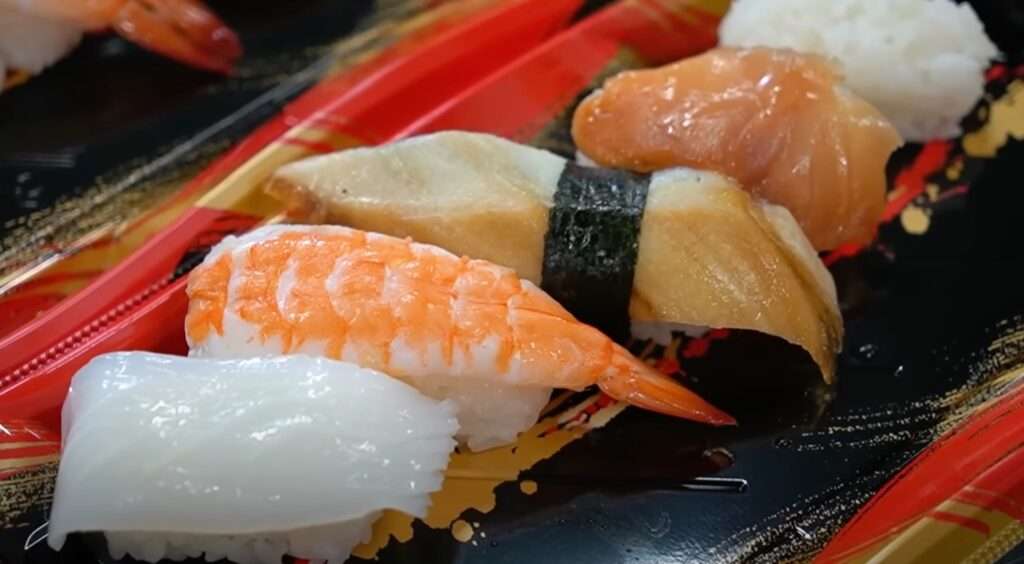
Sushi and sashimi, now synonymous with Japanese cuisine, are products of this maritime heritage. Their preparation and presentation celebrate freshness and seasonality. With each slice of fish reflecting the ocean’s gifts and the chef’s skill. Yet, even in this period of seclusion, subtle foreign influences found their way into the Japanese kitchen.
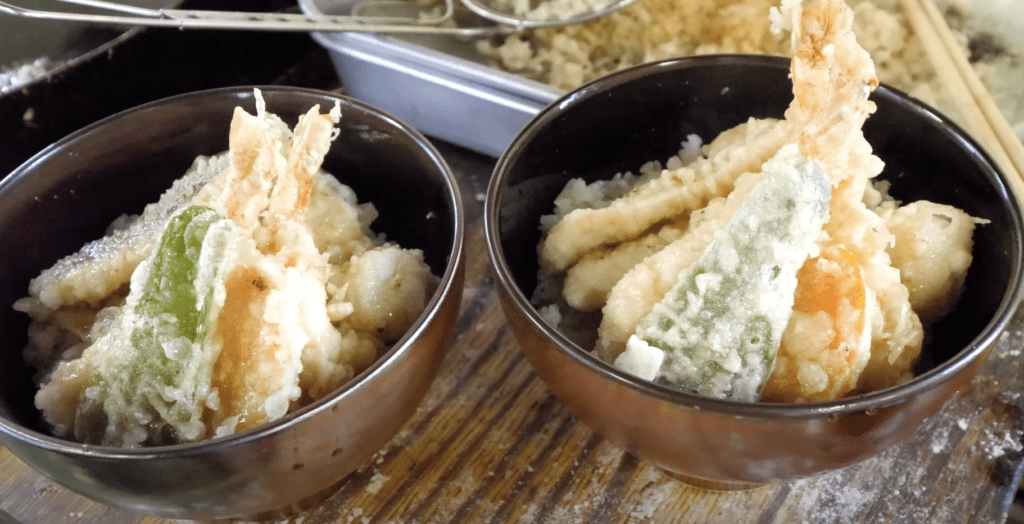
The most notable is tempura, a technique introduced by Portuguese traders. Originally a Lenten dish of fried vegetables, tempura was embraced and perfected by the Japanese. Becoming a beloved staple that is now considered quintessentially Japanese.
Opening to the World: Foreign Flavors Take Root
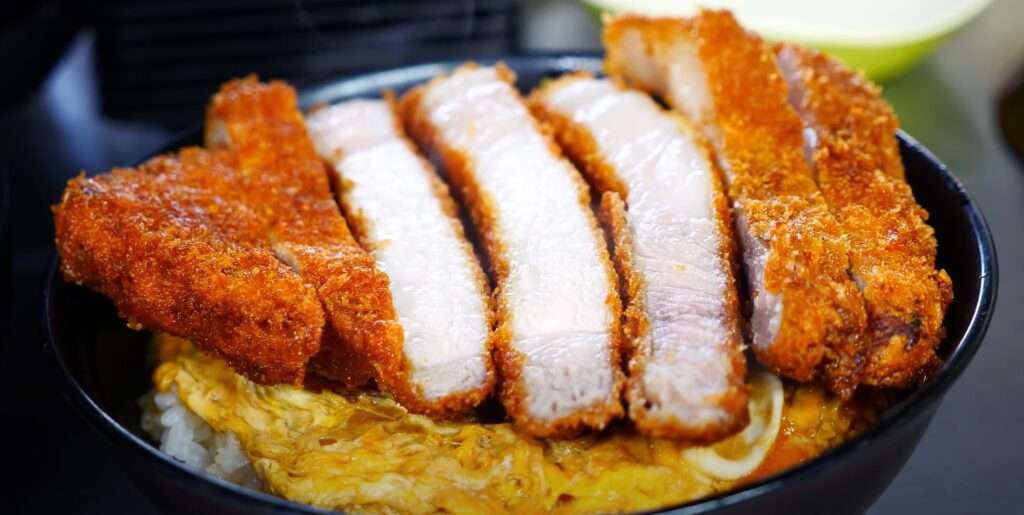
Japan’s re-engagement with the world in the late 19th century sparked a culinary renaissance. British India traders introduced curry, which the Japanese adapted into a thick, mild sauce served over rice or noodles. Distinct from its Indian or Southeast Asian counterparts. Chinese immigrants brought ramen noodles and gyoza dumplings. While the West inspired dishes like tonkatsu (breaded pork cutlet) and okonomiyaki (savory pancakes layered with cabbage, pork, and a medley of sauces).
These new dishes diverged from traditional Japanese meal structures. Often served as single, hearty plates rather than the customary arrangement of a main dish with multiple sides. Yet, the Japanese penchant for visual harmony and meticulous presentation persisted. With vibrant garnishes and artful plating elevating even the most foreign-inspired fare.
Tradition vs. Innovation: The Duality of Japanese Cuisine

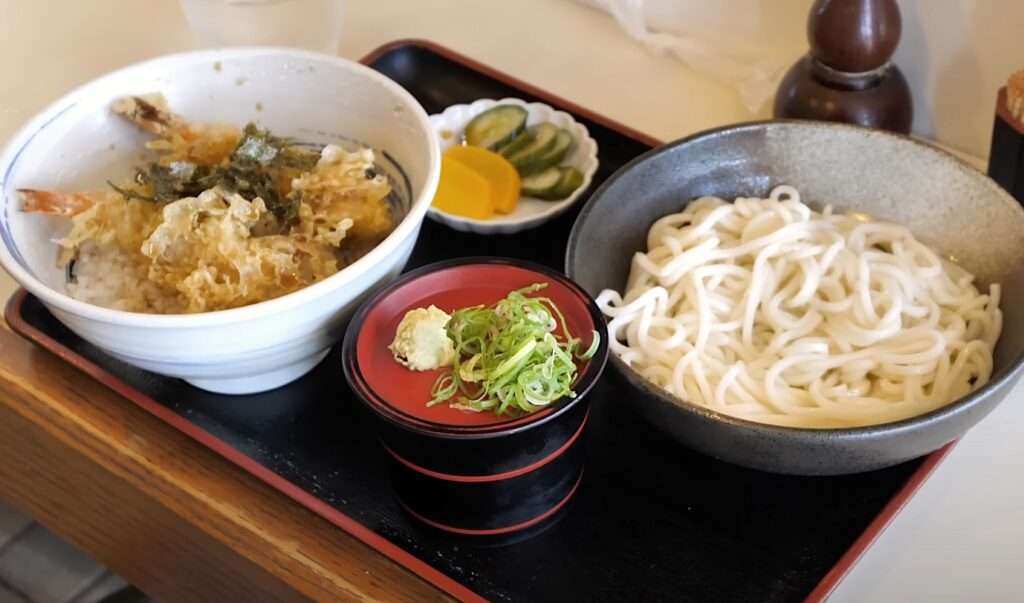
At its core, traditional Japanese cuisine is defined by its pursuit of health, nutritional balance, and the celebration of seasonal ingredients. Meals are designed to offer a harmonious blend of flavors and textures. Typically presented on a tray with a main dish, soup, a couple of side dishes, and pickles. This approach ensures a balance of protein, vegetables, and carbohydrates. Reflecting a holistic philosophy that values both nourishment and aesthetics[1].
Freshness is paramount. From noodles made on-site each morning to the delicate slicing of sashimi, every step is guided by a reverence for ingredients in their purest form. Sashimi, in particular, is a testament to this ethos, showcasing the unadulterated taste of the sea[1].

With the influx of foreign culinary ideas, Japanese cuisine expanded to include more processed foods, marinades, and bold sauces. Dishes like karaage (fried chicken), yakisoba (stir-fried noodles), and okonomiyaki became popular. Often featuring generous amounts of ketchup, Worcestershire sauce, and mayonnaise. These flavors, while robust, are always balanced by careful preparation and thoughtful presentation[1].
The Science of Precision: Tools and Techniques
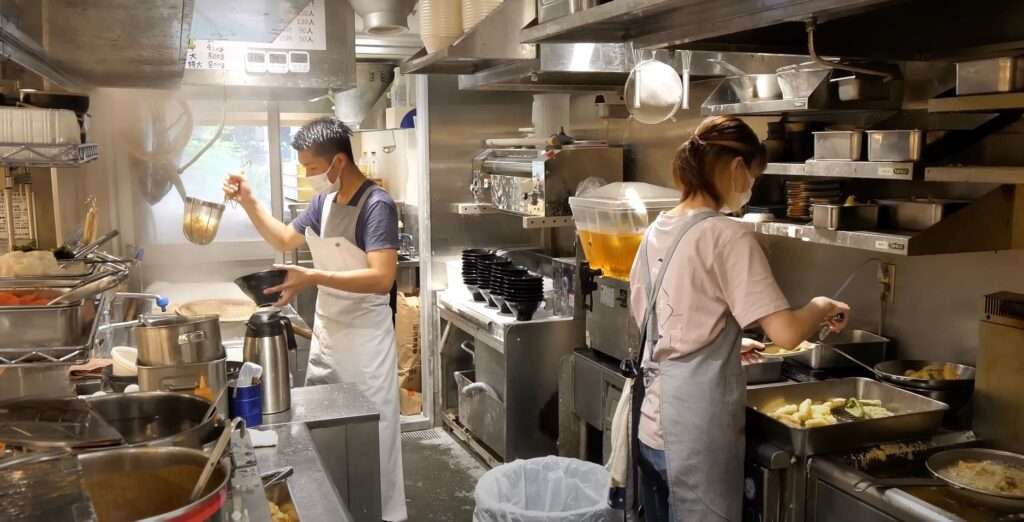
Behind the scenes, Japanese kitchens are a symphony of precision. Banks of kitchen timers, food thermometers, weighing scales, and ice cube machines are ubiquitous. Each serving a vital role in maintaining quality and consistency. No other cultures” kitchens are packed with gadgets of all sorts.
Timers ensure that multiple dishes are perfectly cooked, while thermometers guarantee the ideal temperature for broths and proteins. Ice cubes are used not just for chilling drinks, but for halting the cooking process of noodles. Preserving their texture and bite—a practice rarely seen elsewhere.

Space constraints in Japan’s densely populated cities have also influenced kitchen design. Tall, slender cooking pots are favored over wide, shallow ones, allowing for efficient use of limited counter space. This adaptation mirrors the country’s architectural solutions, where skyscrapers rise to accommodate urban density[1].
Garnishes: Edible Artistry
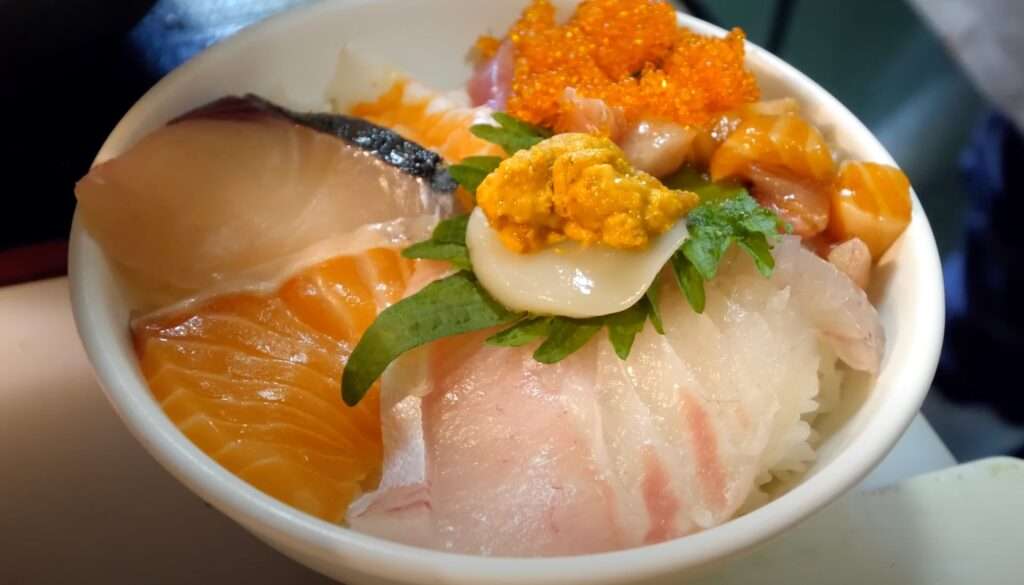
Garnishes in Japanese cuisine are more than mere decoration. They are integral to the dish, chosen to complement both flavor and appearance. From sprigs of fresh herbs and slices of citrus to seaweed strips, egg yolks, and edible flowers. Garnishes are selected with care and intention. Unlike in many Western cuisines, where garnishes are often pushed aside, Japanese diners are expected to enjoy them as part of the meal. Reinforcing the idea that every element on the plate has a purpose[1].
The use of raw egg yolk, for example, is a striking visual and culinary signature. Its rich color and creamy texture enhance dishes both in taste and presentation. Reflecting the Japanese commitment to sensory harmony.
Modern Innovations: Vending Machines and Automation
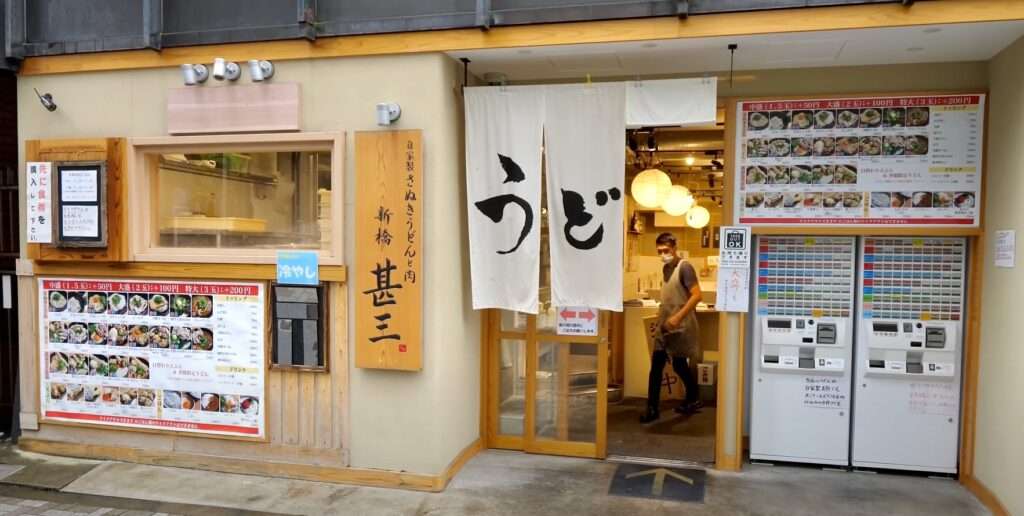
In a country celebrated for its traditions, the widespread use of vending machines stands out. Designed to take food orders. A distinctly modern and odd phenomenon.
Japan boasts the highest ratio of vending machines to people in the world. These machines are not limited to snacks—they offer full meals, customizable options, and lightning-fast service. While some lament the loss of personal touch, the efficiency and accuracy of automated ordering systems have become an accepted part of contemporary Japanese dining.
The Essence of Umami: Dashi and the Fifth Taste
Central to Japanese cuisine is dashi, a broth made from bonito flakes, anchovies, and kelp. Dashi is the soul of countless dishes, from miso soup to noodle broths and savory pancakes. Its defining characteristic is umami. The elusive “fifth taste” officially recognized in 2002, which imparts a deep, savory richness that lingers on the palate. There is no substitute for kelp in dashi. And each chef’s version becomes a signature, subtly influencing the flavor profile of their entire menu.

Eggs Reimagined: The Tamagoyaki Phenomenon
Though ubiquitous around the World,Eggs hold a special place in Japanese cuisine. Most notably in the form of tamagoyaki—a multi-layered, slightly sweet omelette cooked in a rectangular pan.
Tamagoyaki can be served as a side dish, a topping, or even as a garnish. Sometimes accompanied by ketchup—a nod to Western influence. Its delicate layers and gentle sweetness showcase the Japanese talent for transforming simple ingredients into culinary masterpieces.
Portion Perceptions: Generosity Without Excess
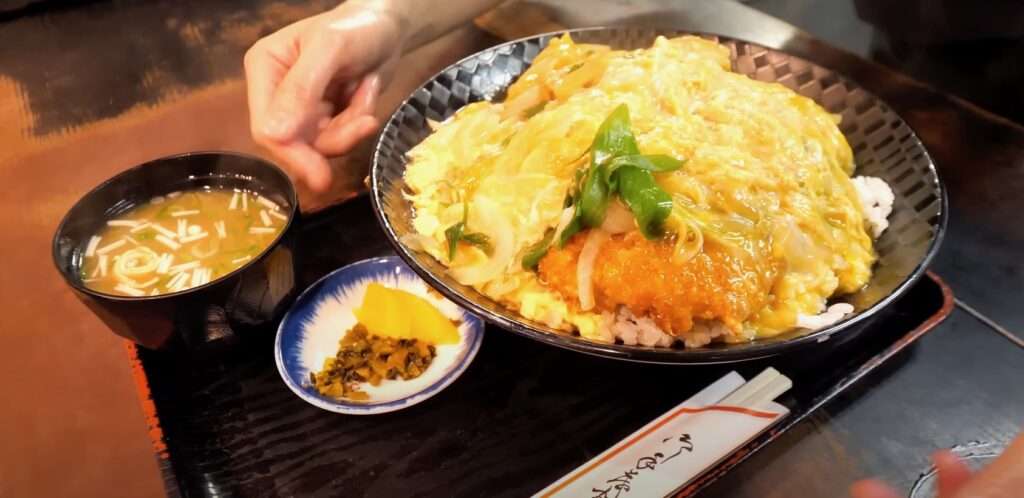
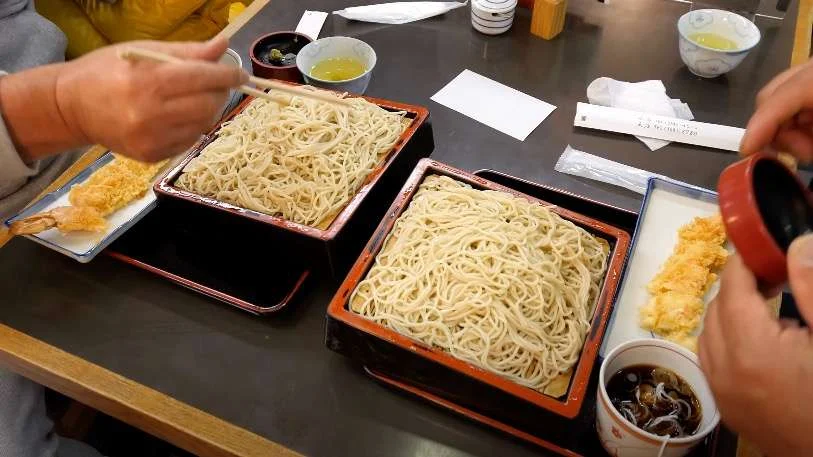
A common misconception is that Japanese food is served in tiny, minimalist portions. In reality, staple dishes like rice and noodles are offered in surprisingly generous servings. Rivaling or even surpassing those found elsewhere in Asia. Despite this, Japan maintains some of the world’s lowest obesity rates and highest life expectancies. A testament to the balance and moderation inherent in its food culture.
Street Food and the Spirit of Discovery
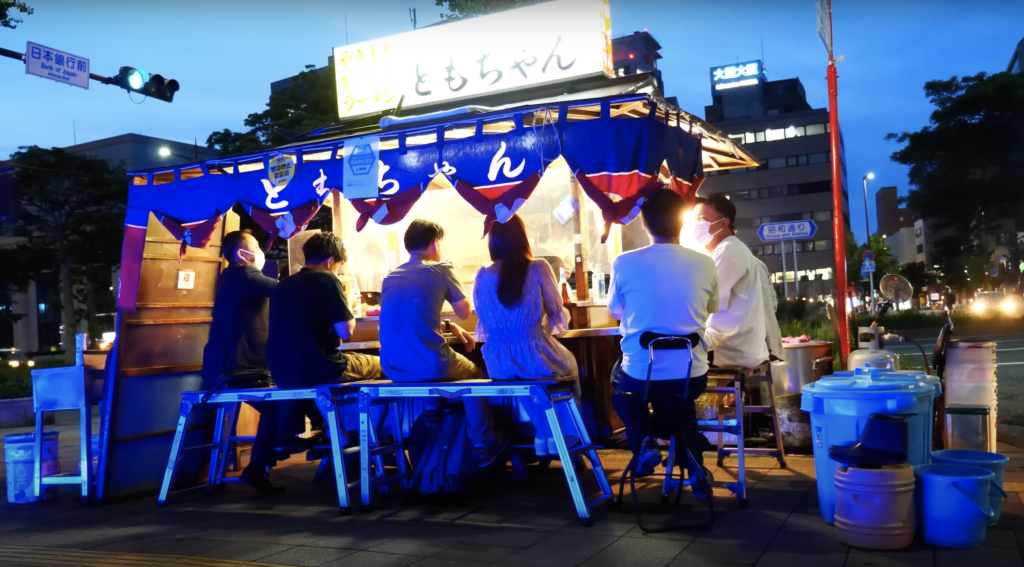
No exploration of Japanese cuisine is complete without mentioning yatai, the vibrant street food stalls that dot cities and towns. Here, tradition and creativity collide in a riot of colors, aromas, and flavors. From skewered meats and takoyaki (octopus balls) to sweet treats and regional specialties. Yatai offer a window into the everyday joys of Japanese food culture. While the presentation may be informal, the commitment to quality and visual appeal remains unwavering[1].
Conclusion: A Culinary Journey Like No Other
Japanese food culture is a journey of discovery, marked by subtlety, artistry, and a relentless pursuit of perfection. Its nuances—shaped by history, philosophy, and necessity—invite both locals and visitors to look beyond the surface. To appreciate the stories behind each dish.
Whether savoring a simple bowl of miso soup or navigating the bustling world of street food, one thing remains clear. In Japan, food is never just sustenance. It is an experience, a tradition, and above all, a celebration of life’s fleeting beauty.