
The Plant-Based Burger Challenge: A Taste Test Journey
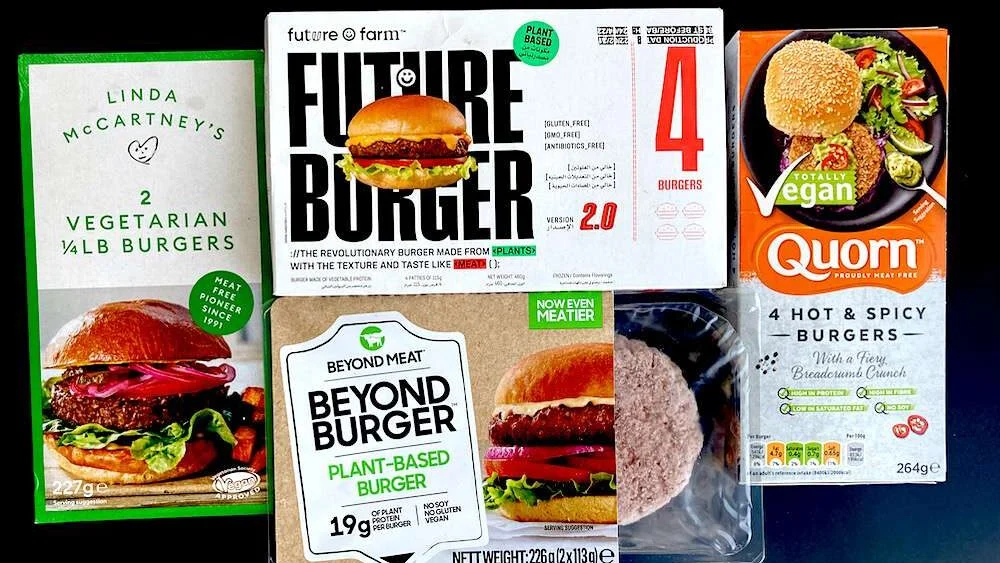
Last week, while wandering the aisles of my local supermarket, something unexpected caught my eye. A pack of Future Burgers nestled among the usual suspects in the chilled section.
Right beside them sat the much-hyped Beyond Burger, a name that’s been making waves in the food world. Though I’m neither vegan nor on a mission to overhaul my diet, curiosity got the better of me. Why not stage a plant-based burger challenge and see what all the fuss is about?
To make things interesting, I decided to include two more brands: Quorn and Linda McCartney’s, both stalwarts in the world of veggie burgers. This would be a four-way taste test, pitting the new generation of plant-based burgers against the old guard.
The Burger Landscape: Three Types, One Plate
Before diving in, it’s worth clarifying the burger landscape as I see it:
- Traditional Meat Burgers: Ranging from basic to gourmet, these are the classic beef patties we all know.
- Old World Veggie Burgers: Plant-based, often made from vegetables, legumes, or grains, but with little attempt to mimic the taste or texture of meat.
- New World Plant-Based Burgers: Engineered to emulate meat in almost every way—taste, texture, appearance, and even “juiciness.”
There’s also a fourth, emerging category: cultured meat, grown from animal cells in a lab. While this has hit the market in places like Singapore (notably with chicken nuggets), burgers from cultured meat haven’t arrived yet.
Why the Challenge?
I’ll admit, I’ve never felt compelled to try plant-based burgers. My previous experiences with veggie burgers were underwhelming—they didn’t try to taste like meat, and as a meat-eater, I found them lacking. But with all the innovation and buzz around the new wave of plant-based burgers, I was intrigued. Could these new products finally bridge the gap?
The Fry-Up: Leveling the Playing Field
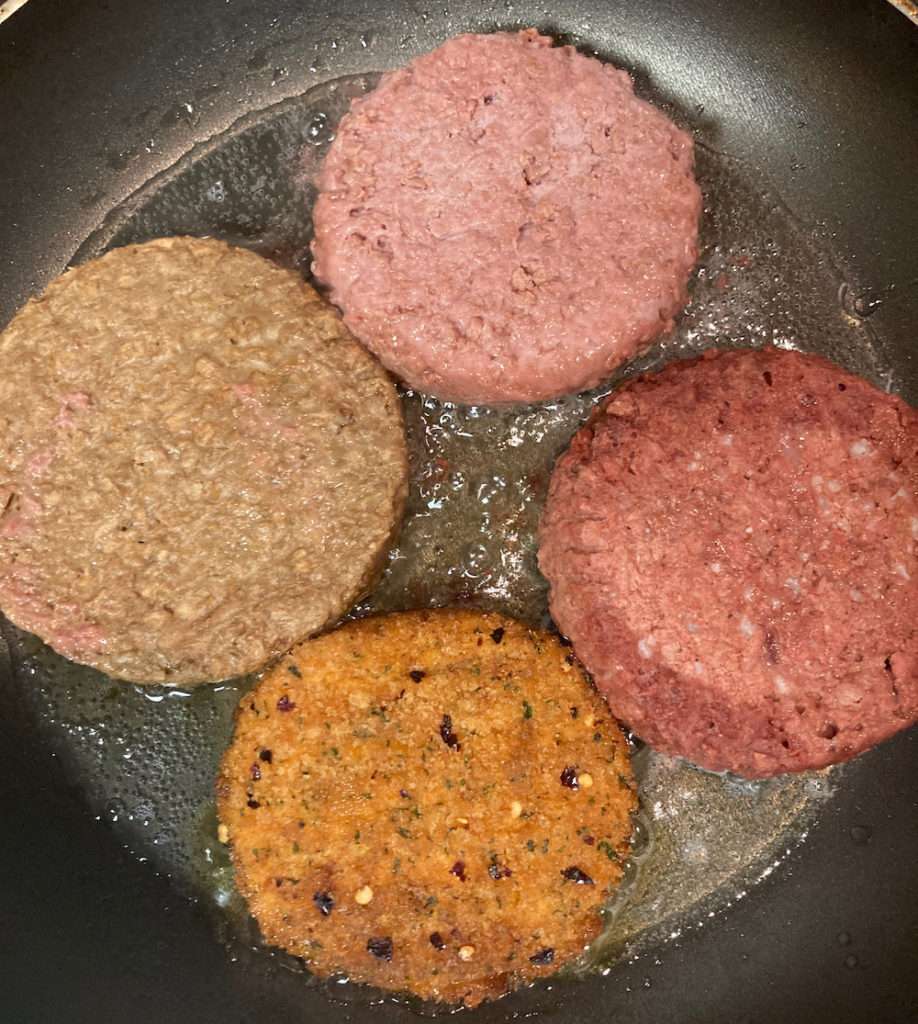
To keep things fair, I cooked all four patties—Quorn, Beyond Burger, Future Burger, and Linda McCartney’s—side by side in the same pan, using butter as the only addition. No onions, no buns, no sauces. I wanted to taste the patties in their purest form, following each brand’s recommended cooking times.
First Impressions and Scores
I decided not to assign a composite score, as taste is subjective and complex. Instead, I focused on three key factors:
- Taste
- Texture
- Aroma (Did it make my mouth water?)
The results were surprising. The Beyond Burger was the clear standout, excelling in all three categories. The other patties had their strengths and weaknesses, but none matched Beyond’s overall appeal.
Round Two: Beyond Burger vs. Real Beef
Curiosity piqued, I wondered: How does the Beyond Burger stack up against a real beef burger? For this test, I bought a mid-priced gourmet beef patty from the supermarket, again cooking it alongside a Beyond Burger patty.
The outcome was unexpected—Beyond Burger came out on top. It wasn’t just similar to beef; in terms of taste, texture, and juiciness, it actually surpassed the gourmet beef patty. This was a revelation. How could a plant-based burger, engineered in a lab, outshine a real beef burger?
It dawned on me that Beyond Burger’s creators weren’t just trying to mimic beef—they were trying to improve on it. With scientists fine-tuning every aspect, they could tweak flavors and textures in ways that nature can’t.
Round Three: The McDonald’s Test
Still puzzled, I decided to pit Beyond Burger against the world’s most famous burger: McDonald’s. I bought a Quarter Pounder and a Signature Smoky BBQ Burger, stripping away the buns, sauces, and garnishes to taste the patties alone.
Once again, Beyond Burger outperformed the real thing. The McDonald’s patties, while unmistakably beefy, were bland and dry without their usual accompaniments. The Beyond Burger, by contrast, was juicy, flavorful, and satisfying.
Key Observations
- McDonald’s Patties: Both the Quarter Pounder and Signature burgers tasted nearly identical, with the latter simply being larger. The beef flavor was present, but the texture and juiciness were lacking.
- Beyond Burger: While not identical to beef, it excelled in taste, texture, and juiciness. The scientists behind it seem to have focused on making a burger that’s not just a substitute, but an upgrade in some respects.
- Old World Veggie Burgers: These performed poorly in the taste test. They seem best suited for those who avoid meat entirely. Linda McCartney’s burger, however, had a pleasing texture and outperformed Future Burger in that department.
- Gourmet Labels: The term “gourmet” on meat products is largely marketing. There are no strict standards, and my experience suggests that price and packaging don’t always equate to quality.
The Role of Garnishes and Sauces
One surprising lesson from these tests was the importance of garnishes and sauces. Stripped of their buns, onions, pickles, and condiments, even iconic burgers like McDonald’s lose much of their appeal. The patties alone are often dry and bland, with texture suffering as well. It’s the extras that elevate the experience.
Cost Considerations: Are Plant-Based Burgers Worth It?
Price is a major factor. Plant-based burgers are significantly more expensive than their meat counterparts. At the time of my test:
- Beyond Burger: AUD 48 per kg
- Quorn: AUD 27 per kg
- Beef Burgers (quality range): AUD 10–20 per kg
That’s a price gap of up to four times. For most shoppers, plant-based burgers are a luxury, not a staple.
This reminds me of the organic food movement years ago—higher prices, limited accessibility, and questions about whether the benefits justify the cost. Still, demand for plant-based products is rising. In 2019, UK supermarket chain Sainsbury’s reported a 65% increase in sales of plant-based items. Clearly, people are willing to pay more, perhaps driven by health concerns or ethical considerations.
Health Claims: Scrutiny Needed
A common perception is that plant-based equals healthy. But are these claims justified? Many plant-based burgers are highly processed and contain various additives. It’s essential to read ingredient lists and apply the same scrutiny to plant-based foods as we do to processed meats. Salt, flavor enhancers, and other additives can be just as prevalent.
Visual Surprises: Color and “Blood”
Another observation: real beef patties turn grey quickly when cooked, while the Beyond Burger retains a pinkish hue, thanks to beetroot juice designed to mimic the look of rare beef. While visually striking, I found the coloring unnecessary—the taste and texture were compelling enough.
The Puzzling Case of Old World Veggie Burgers
Despite their long history and relatively high price, old world veggie burgers lag behind in taste and texture. With so many innovative plant-based options now available, it’s hard to justify sticking with these unless you have dietary restrictions or a strong preference for their ingredients.
Perhaps we’ve been masking their shortcomings with generous helpings of sauces and garnishes. Maybe it’s time for long-time veggie burger fans to explore the new wave of plant-based cuisine.
The Big Picture: Progress and Promise
Despite the surprises and challenges, the overall trend is positive. Plant-based burgers are improving rapidly, offering viable alternatives to meat that appeal to a broader audience. This shift has the potential to benefit the environment, public health, and even animal welfare.
Key Takeaways:
- Beyond Burger is a game changer: It’s not just a substitute for beef—it’s a contender in its own right, outperforming both gourmet and fast food beef patties in several respects.
- Old world veggie burgers are falling behind: Unless you have specific dietary needs, the new generation of plant-based burgers offers a superior experience.
- Price remains a barrier: Until costs come down, plant-based burgers are unlikely to become a weekly staple for most families.
- Health claims need scrutiny: Not all plant-based burgers are created equal. Check the ingredients and processing levels before assuming they’re healthier.
- Garnishes matter: Much of what we love about burgers comes from the extras—buns, sauces, and toppings. Patties alone can be underwhelming, regardless of their origin.
Looking Ahead: The Future of Burgers
The rise of plant-based burgers is more than a passing fad. As technology advances and consumer demand grows, we can expect further improvements in taste, texture, and affordability. Cultured meat is waiting in the wings, promising even more radical changes to the way we eat.
For now, the plant-based burger challenge has opened my eyes to the possibilities. Whether you’re a die-hard carnivore, a committed vegan, or simply curious like me, there’s never been a better time to explore the evolving world of burgers. The journey from bland veggie patties to lab-crafted marvels is a testament to human ingenuity—and a sign that the best is yet to come.
In the end, the move toward plant-based eating is a step in the right direction. It’s about finding balance, respecting nature, and making choices that are good for our health and the planet. The burger may never be the same again—and that’s something to celebrate.