
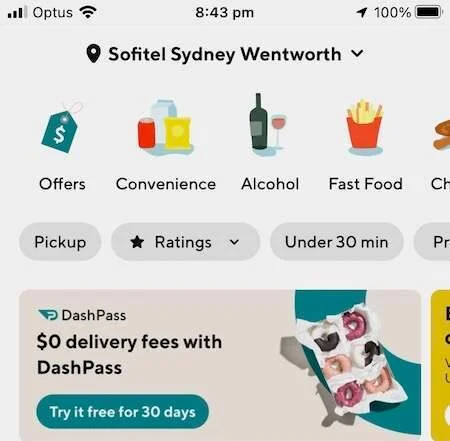
How Smartphones Changed the Way We Eat: The Rise of App-Based Food Delivery
A New Appetite for Technology
Imagine this: you’re sitting at home, hungry, but not in the mood to cook or go out. With just a few taps on your smartphone, a hot meal is on its way to your door.
This scene, now common in cities and suburbs alike, would have seemed futuristic just a decade ago. Today, the fusion of smartphones, clever apps, and food delivery has transformed the way we eat, reshaping our routines, our neighborhoods, and even our social lives.
From Takeaway to Tech Revolution
Food delivery isn’t new. For years, local takeaways—think Chinese, pizza, or fish and chips—have offered phone-in orders and pick-up services.
In many Australian suburbs, the ritual of calling your favorite local takeaway for a Friday night meal is a tradition that fosters a sense of community.
But the recent surge in app-based food delivery is different. It’s not just a new way to order food; it’s a technological revolution that’s changing everything from how restaurants operate to how we choose what to eat.
The Gig Economy Takes Over Dinner
At the heart of this shift is the gig economy—a world where anyone with a vehicle and a smartphone can become a delivery driver.
Companies like Uber Eats, Menulog, DoorDash, and Deliveroo have become household names. Their brightly colored uniforms and thermal delivery bags are now a familiar sight, whether you’re in the city or the suburbs.
These platforms, first pioneered by ride-hailing services, have quickly expanded into food and beyond, making convenience king.
Why We Love It: Choice, Convenience, and Competition
For consumers, the appeal is obvious. With dozens of restaurants at your fingertips, you can browse menus, compare prices, and order food without ever leaving your couch.
Competition among delivery companies means more choices, frequent discounts, loyalty points, and even free delivery offers. Yes, you might pay a bit extra for the convenience, but the trade-off is access to a wider range of cuisines and the ability to satisfy cravings at a moment’s notice.
For small businesses, these apps open up new opportunities. Suddenly, a café or eatery isn’t limited to foot traffic or its physical location.
With the right menu and good reviews, even a tiny kitchen can reach hundreds of new customers across town.
This shift allows some restaurants to consider moving away from expensive high-rent areas, focusing instead on making great food and letting the apps handle the rest.
Behind the Scenes: The Technology Powering Your Meal
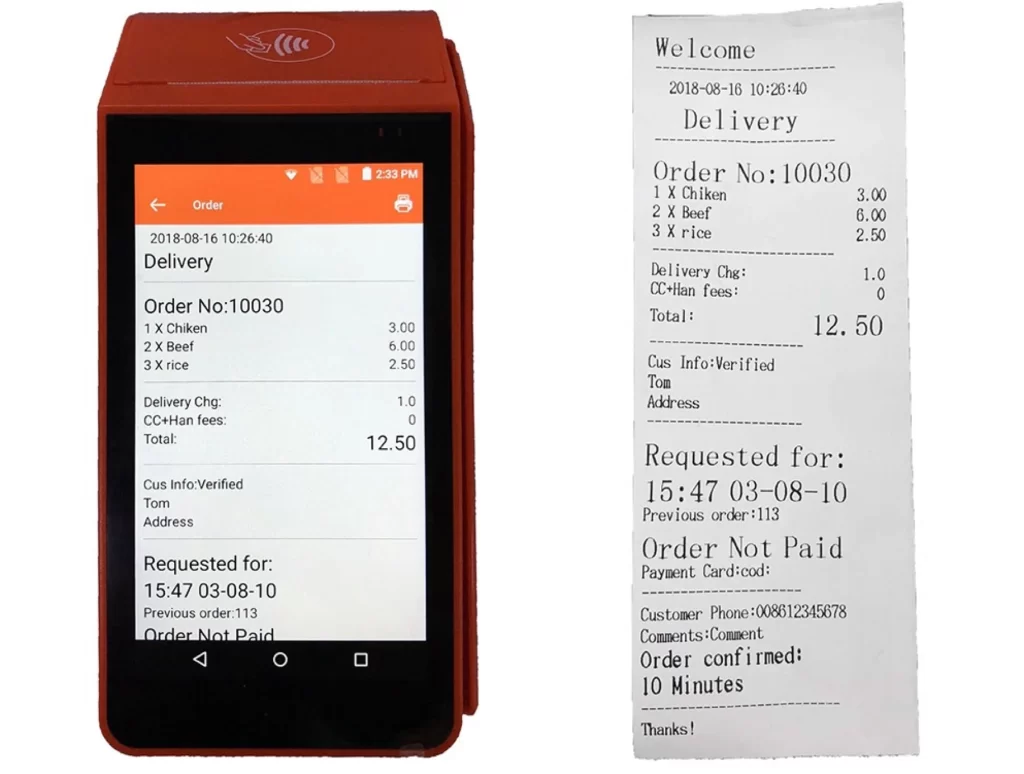
What makes this all possible is a sophisticated ecosystem built around your smartphone. From the moment you open an app, layers of technology spring into action. The app handles everything: registration, menu browsing, order placement, payment processing, and assigning a courier.
If something goes wrong—like a late delivery or a missing item—customer service centers are ready to help, creating new jobs and supporting the economy.
The brains behind these apps are some of the best tech minds in the world, constantly refining the experience. They use advanced analytics and artificial intelligence to predict what you might want to eat, when you’re likely to order, and how to make the process even smoother.
Every order placed is the result of countless hours of coding, testing, and innovation, often happening in tech hubs far from your local restaurant.
The Changing Face of Food Business
This digital transformation isn’t just about convenience. It’s reshaping the entire food industry.
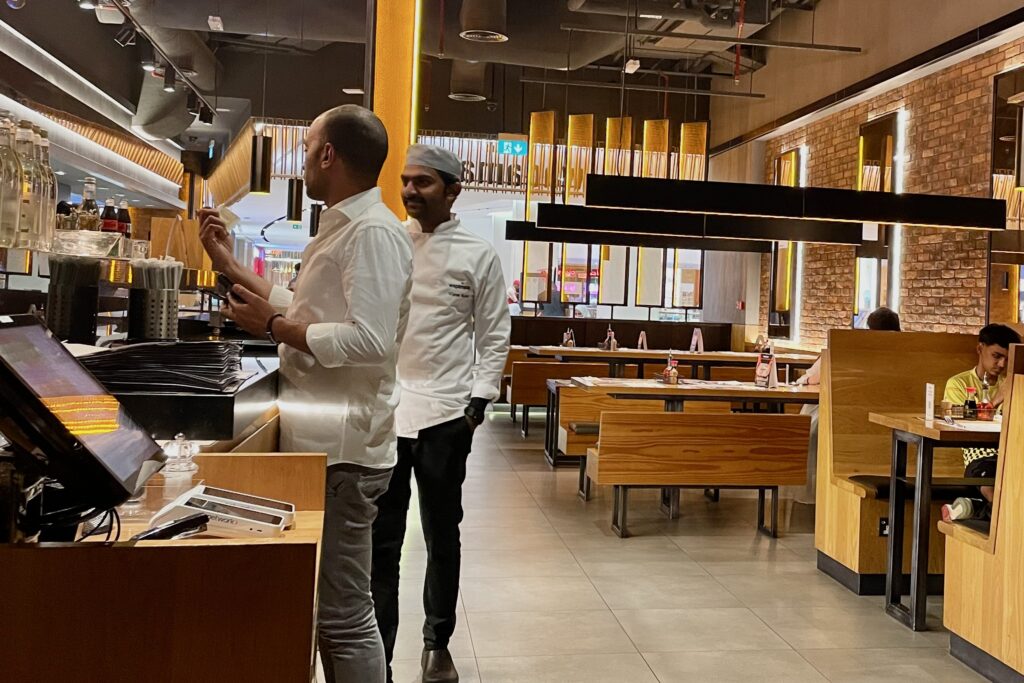
Restaurants now tweak their menus and packaging to suit delivery, focusing on dishes that travel well and look good in photos.
They pay attention to customer feedback and ordering trends, adjusting prices and promotions in real time. The competition among delivery platforms pushes everyone to improve service, benefiting customers with faster, more reliable deliveries.
But change brings challenges, too. The rise of “ghost kitchens” or central kitchens—large, delivery-only operations backed by big investors—means smaller businesses face new competition.
What started as a boon for local eateries can become a crowded marketplace, where only the most adaptable survive.
The Smartphone: Our New Essential
Perhaps the most remarkable part of this story is the role of the smartphone itself. Studies show that more than 90% of people would go back home if they forgot their phone, but fewer would return for a forgotten wallet. Our phones have become extensions of ourselves, essential for work, play, and now, for eating.
For delivery drivers, the smartphone is a gateway to flexible work. Signing up is fast and simple—no need for a lengthy job application or interview.
If you meet the basic requirements, you can start earning money almost immediately. This streamlined process removes barriers to employment, offering opportunities to people who need extra income or want to work on their own terms.
The Pandemic Effect: Delivery as a Lifeline
The COVID-19 pandemic accelerated this shift in ways no one could have predicted. As lockdowns closed dining rooms and kept people at home, app-based food delivery became a lifeline for both businesses and customers.

For many restaurants, it was the difference between survival and closure. For families, it brought comfort and variety during uncertain times. What started as a temporary solution has now become a permanent fixture in many households, especially among younger generations.
A Seamless Part of Daily Life
Without much fanfare, app-based food delivery has woven itself into our routines. It’s not just about convenience or novelty anymore—it’s about how we live.
Whether it’s a quick lunch at the office, a family dinner on a busy weeknight, or a late-night snack, the ability to order food from your phone is now an expected part of modern life.
Looking Ahead: What’s Next for Food and Tech?
As technology continues to evolve, so will the way we eat. Expect even smarter apps, more personalized recommendations, and new ways to enjoy food at home. The boundaries between restaurants, kitchens, and customers will keep blurring, creating both opportunities and challenges for everyone involved.
But one thing is clear: the marriage of smartphones and food delivery has changed our world. It’s made eating out—or in—more accessible, more diverse, and more exciting than ever before.
And as we continue to embrace these changes, our relationship with food, technology, and each other will keep evolving, one tap at a time.
In Summary
The story of smartphones and food delivery is about more than just convenience. It’s a tale of innovation, adaptation, and the ways technology can bring people together—even when they’re apart.
So the next time you order a meal from your phone, remember: you’re not just getting dinner. You’re taking part in a revolution that’s reshaping the way we eat, work, and live.