
Behind the Counter: How Food Delivery Transforms Cafés from the Inside Out
Food delivery has become a fixture of modern life, with platforms like Uber Eats, DoorDash, and Menulog offering meals at the tap of a screen.
For customers, the process is seamless: scroll, order, eat. But what happens on the other side of the equation? How do cafés and restaurants experience this digital revolution?
This article offers a rare look from the perspective of a small café, revealing the unexpected challenges, insights, and lessons that come with embracing food delivery in today’s gig economy.
A New Café’s Journey into Food Delivery
The story begins in a modest café serving Southeast Asian cuisine, founded during the tumultuous days of the COVID-19 pandemic.
The owner, driven by a passion for cooking rather than a background in hospitality, opened the doors in 2022. Despite a simple setup, the café quickly found its audience. On weekends, finding a seat became a challenge—evidence of its growing popularity.
Curious about the café’s operations, I visited for a late lunch. The dining room, with about 30 seats, was quiet at 3 p.m., but the tranquility was short-lived. Within 20 minutes, three food couriers arrived to collect orders. Intrigued, I asked the staff if delivery was a significant part of their business. Their answer revealed a story far more complex than I anticipated.
The Sudden Surge: Signing Up for Delivery
Only three days prior, the café had signed up with a popular food delivery service. The effect was immediate and overwhelming. Orders poured in at a pace the small team was unprepared for.
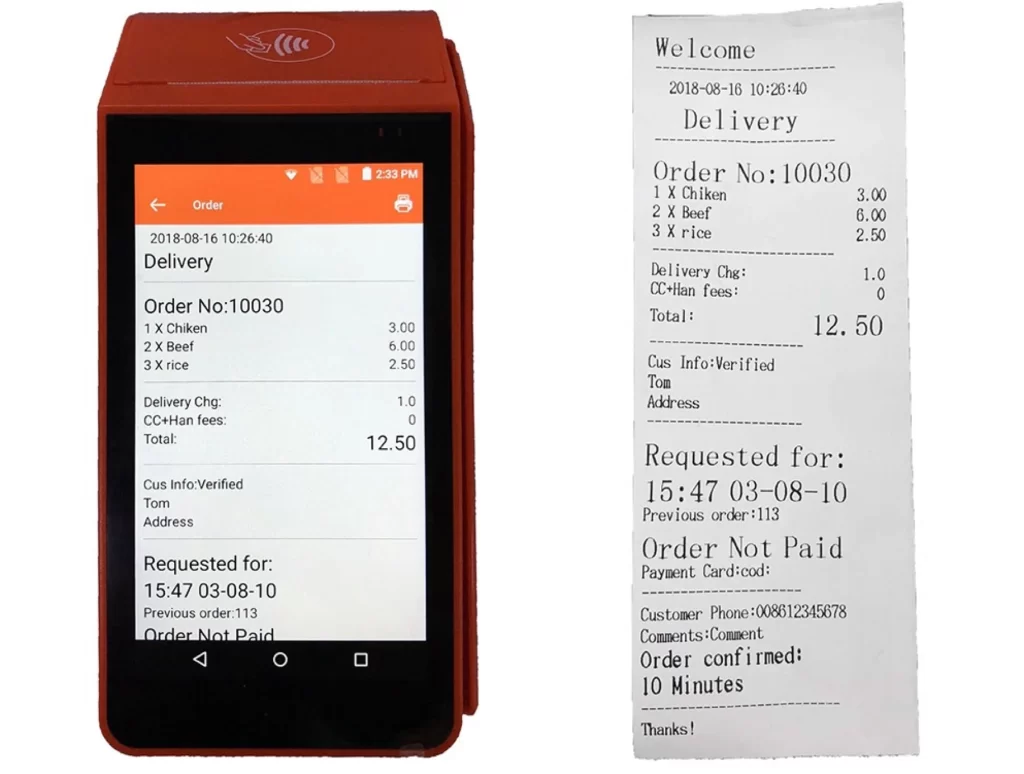
During peak periods, they were forced to shut down the delivery terminal entirely, unable to keep up with demand. When the terminal went offline, customers began calling, confused by the restaurant’s sudden “unavailability” on the app. Desperate, the staff explained the terminal was malfunctioning—a white lie to manage expectations.
This experience underscores a reality many new food outlets face: the transition to online ordering can be chaotic. The surge in demand, while flattering, can strain resources and expose operational gaps. For this café, the learning curve was steep and immediate.
The Economics of Delivery: Price Inelasticity and Markups
The phenomenon at play here is what economists call “price inelasticity.” When customers are willing to pay significantly more for a product or service without concern for the price increase, demand is considered inelastic.
In food delivery, this is strikingly apparent. Delivery prices are often 25% to 35% higher than dine-in prices, yet customers accept these markups for the sake of convenience.
Consider a dish priced at AUD 30 in the restaurant. Through a delivery platform, the same meal might cost AUD 39, reflecting the platform’s commission—often 25% to 35% in Australia. This doesn’t include the delivery fee, which is typically a separate, flat charge. The willingness of customers to pay these premiums highlights how convenience has become a dominant value in the food economy.
How Delivery Platforms Charge Restaurants
Food delivery aggregators employ various fee models, but in Australia, the percentage-based commission is most common. Restaurants pay a cut of each order—usually between 25% and 35%—to the platform.
This fee covers setup, terminals, marketing, and the logistics of delivery. For many customers, the only visible cost is the delivery fee, but the real impact is felt by the restaurants, who must raise menu prices on delivery platforms to offset these commissions.
Who Orders Delivery—and Why?
Anecdotal evidence suggests that most delivery orders come from customers who live nearby. The convenience of having food brought to the door, even when the restaurant is just a short drive away, often outweighs the additional cost. Speed and the desire for hot food are factors, but above all, it’s about removing friction from mealtime.
There are exceptions, of course. Fine dining establishments rarely embrace delivery, as the experience and presentation are integral to their value proposition. For these venues, the nuances of service and timing cannot be replicated by a courier.
Operational Challenges: The “Malfunctioning” Terminal
The café’s experience with their “malfunctioning” terminal offers several lessons. First, the demand for online orders can easily outstrip expectations, especially for popular venues. Second, customers are willing to pay a premium for delivery, sometimes 35% or more above dine-in prices. Third, managing the flow of orders requires both technological savvy and operational flexibility.
The staff’s unfamiliarity with the delivery platform’s features—such as “busy” and “pause” modes—meant their only recourse was to turn off the terminal entirely. These built-in features are designed to help restaurants manage capacity: “busy” mode adds extra preparation time to orders, while “pause” mode stops new orders from coming in. In this case, the staff’s lack of experience led to a more abrupt solution.
The Broader Impact: Delivery as a Revenue Driver
Despite the challenges, food delivery can significantly boost a café’s revenue. In some cases, online orders surpass walk-in sales, especially during peak times or weekends. This has led some restaurants to open “ghost kitchens”—separate facilities dedicated solely to fulfilling online orders. By moving high-volume delivery operations to lower-rent locations or centralized kitchens, restaurants can increase efficiency and reduce costs once online demand reaches a certain threshold.
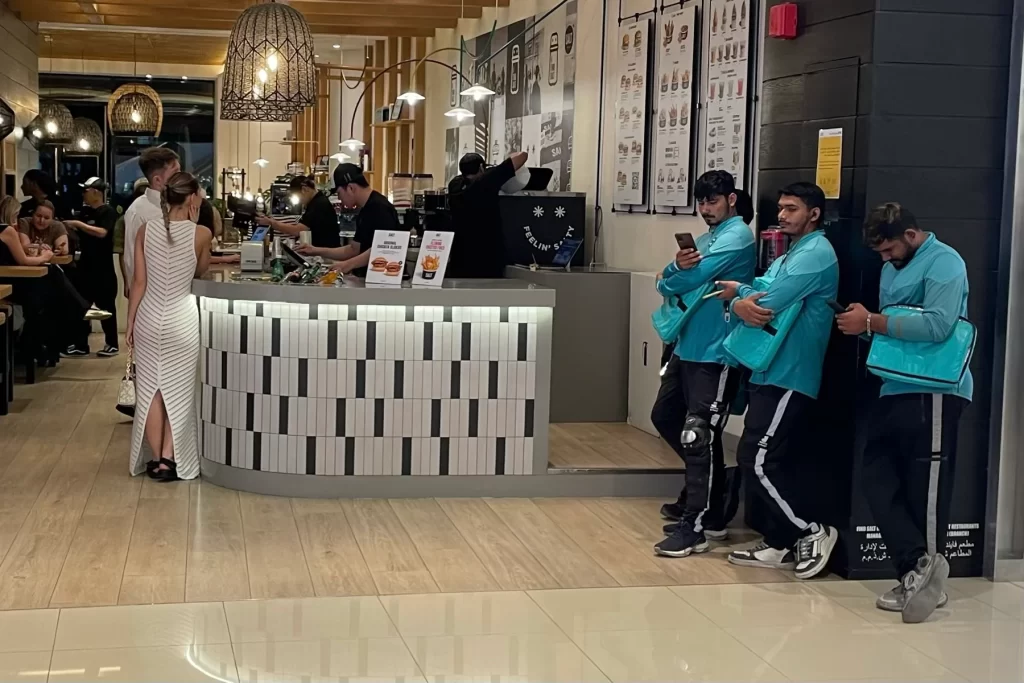
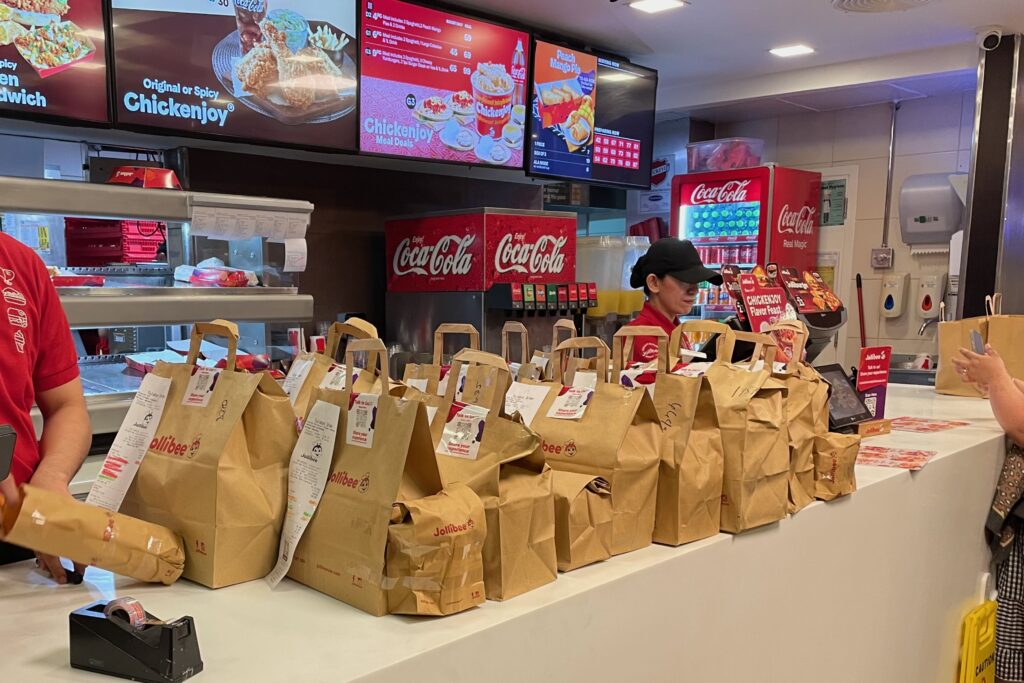
Popular fast food chains and large coffee outlets are already well-versed in this model. It’s not uncommon to see a queue of delivery riders waiting for orders at busy venues. For smaller operators, adapting to this new reality can be daunting, but the potential rewards are significant.
Managing Expectations and Learning on the Fly
The café’s journey into food delivery is emblematic of a broader shift in the hospitality industry. The transition is not always smooth. Staff must quickly learn to navigate new technologies, manage fluctuating demand, and communicate effectively with both customers and delivery partners. Mistakes are inevitable, but so are opportunities for growth.
The staff’s decision to blame a “malfunctioning” terminal rather than explain their struggle with demand was a pragmatic, if imperfect, solution. It speaks to the pressure operators feel to maintain a seamless customer experience, even when overwhelmed behind the scenes.
The Untold Story: Delivery Platforms as Growth Engines
Much of the public discourse around food delivery platforms focuses on their costs to restaurants and the gig economy’s impact on workers. Less attention is paid to the ways these platforms can drive new business and revenue for food outlets. The café’s experience suggests that, for popular venues, delivery can be a powerful growth engine—provided operators are prepared to manage the surge in demand.
Key Takeaways for Café Owners and Operators
- Expect the Unexpected: Online demand can be far greater than anticipated, especially for popular venues.
- Understand the Economics: Delivery commissions are significant, and prices must be adjusted accordingly.
- Leverage Platform Features: Familiarize staff with “busy” and “pause” modes to manage order flow and avoid being overwhelmed.
- Consider Operational Changes: High delivery volume may justify a separate kitchen or expanded staff.
- Communicate Clearly: When issues arise, transparency with customers can build trust, even if it means admitting to growing pains.
Conclusion: A New Era for Food Service
The rise of food delivery platforms has transformed not just how we eat, but how cafés and restaurants operate. For customers, it’s a matter of convenience and choice. For operators, it’s a complex balancing act—managing demand, maintaining quality, and navigating new economic realities. As the café’s story illustrates, embracing food delivery can be both a challenge and an opportunity. Success depends on adaptability, a willingness to learn, and an understanding that, in the digital age, the kitchen is just as important as the app.