

Finding Success on Work Platforms: A Comprehensive Guide
In today’s rapidly evolving job market, more people than ever are exploring work opportunities on digital platforms. Whether you’re seeking flexibility, a side income, or a stepping stone into a new industry, platform work offers a dynamic route to employment.
This guide delves into the world of platform-based work, providing insights, practical steps, and tips for thriving in the gig economy.
Who Turns to Platform Work?
A diverse range of individuals are drawn to platform work, each with their own motivations:
- Independent Workers: Many are attracted by the freedom to manage their own time and workload, escaping the constraints of traditional employment.
- Job Seekers Between Roles: Those in transition between jobs often use platforms to maintain an income stream and keep their skills sharp.
- Newcomers to a Country: For recent arrivals, platform work provides quick access to local experience and valuable networking opportunities.
- Aspiring Entrepreneurs: Platforms can serve as a launchpad for new business ideas, helping entrepreneurs find their first clients.
- International Students: Many students take on platform work to help cover tuition and living expenses, a trend especially visible in sectors like food delivery.
The Rise of Remote Work and Lifestyle Shifts
The modern workplace has undergone a dramatic transformation, with remote work and flexible lifestyles becoming mainstream. High-speed internet and collaborative tools have made it possible to work from virtually anywhere—be it a bustling city, a tranquil mountain retreat, or even another country. For many, this flexibility is not just about working from home, but about reimagining work-life balance altogether.
This shift has prompted some city dwellers in places like Sydney or Melbourne to relocate to quieter regions, such as the Adelaide Hills or Barossa Valley, where they can enjoy a better quality of life without sacrificing career opportunities. The gig economy, powered by digital platforms, is central to this new way of working, offering the independence and adaptability that today’s workers crave.
Understanding Platforms and Platform Work
Before diving in, it’s important to clarify what platforms are and how they operate:
- Platforms Defined: These are online or app-based services that connect workers with clients seeking specific tasks or gigs. The range of work is vast, from short-term assignments to ongoing projects, and payment can be hourly or per project.
- Clients: Clients may be individuals, small businesses, or large corporations, often turning to platforms for quick, flexible staffing solutions.
- Platform Workers: Those who accept assignments through these portals are known as platform workers. While many prefer terms like freelancer, independent contractor, or entrepreneur, the unifying factor is self-employment and the freedom to choose projects.
Governments have coined the terms “platform” and “platform worker” for regulatory reasons, aiming to protect workers who fall outside traditional employment definitions.
How Platforms Differ from Recruitment Agencies
It’s crucial to distinguish between digital platforms and conventional recruitment agencies:
- Recruitment Agencies: These focus on matching candidates with permanent or long-term roles, often requiring formal applications and interviews.
- Platforms: In contrast, platforms facilitate short-term, flexible gigs and do not typically require a resume or lengthy hiring process. They are ideal for those seeking independence or quick entry into the workforce.
Popular Platforms to Explore
There are countless platforms catering to various industries and skill sets. Some of the most well-known include:
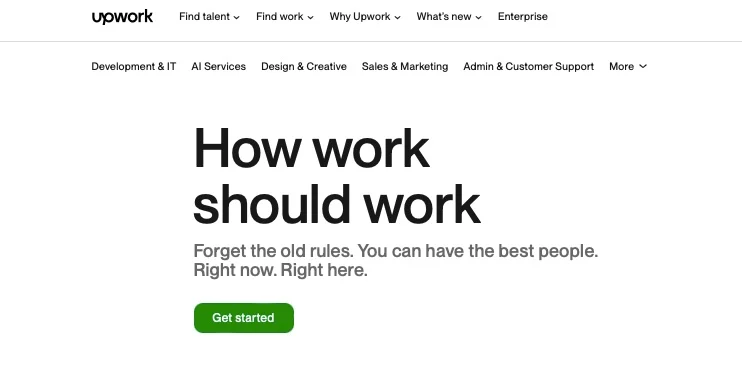
- Upwork and Fiverr: These global leaders cover a wide array of services, from tech and graphic design to writing and music.
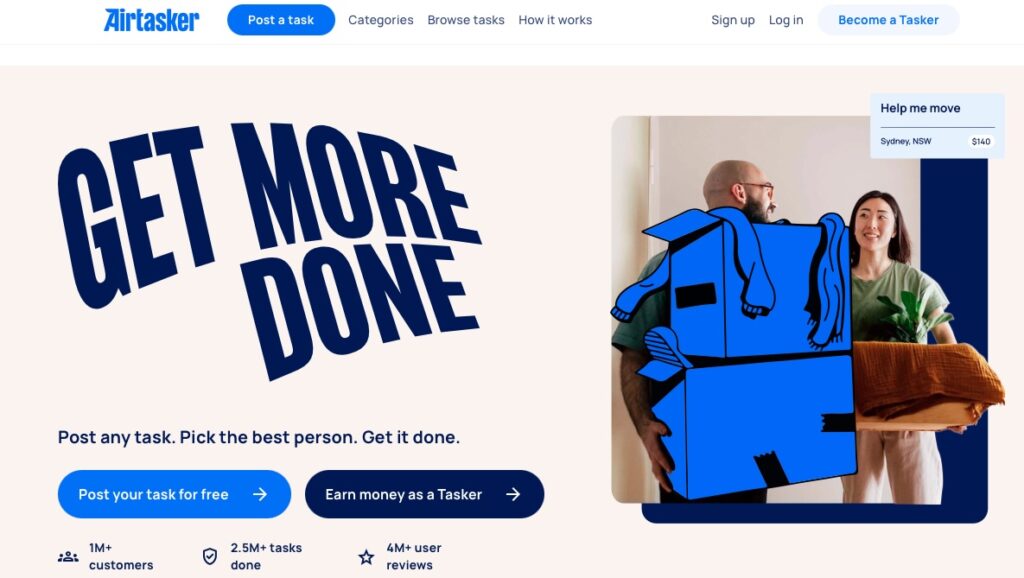
- Airtasker: Popular in Australia, Airtasker connects users with tasks ranging from cleaning and pet sitting to handyman work.
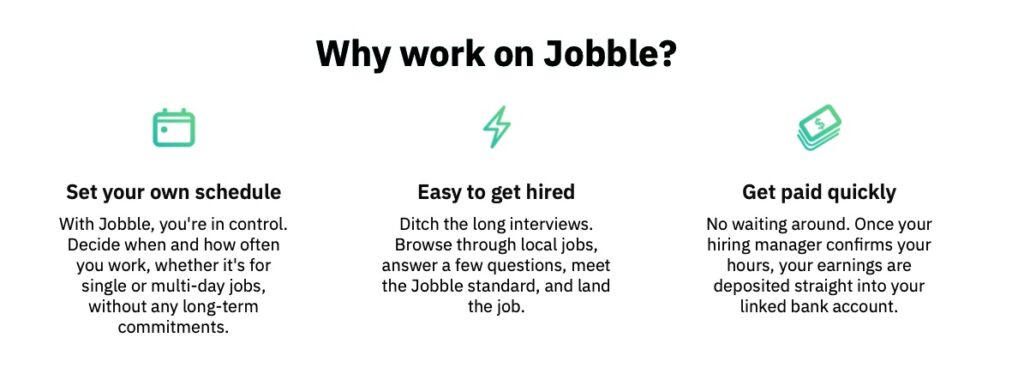
- TaskRabbit, Thumbtack, Jobble, Oneflare, Tiny Jobs, Fancy Hands: Each specializes in different niches, from home services to administrative support.
To discover more options, search for alternatives to popular platforms (e.g., “Airtasker alternatives”) and explore their offerings.
Getting Started: First Steps on a Platform
Embarking on your platform work journey requires careful planning:
- Shortlist Suitable Platforms: Focus on those that align with your skills and preferred work type. Consider their geographic reach to maximize opportunities.
- Understand the Rules: Each platform has unique terms and conditions, particularly regarding client communication and payment processes. Many prohibit sharing personal contact details to ensure all transactions go through the platform, which protects both parties and secures the platform’s commission.
- Reputation Matters: Platforms often use rating systems. Building a strong profile and positive reviews is essential for attracting clients and commanding higher rates.
- Beware of Violations: Breaching platform rules can result in suspension or bans, cutting off access to potential clients and income streams.
Crafting a Winning Profile
Your profile is your digital storefront. To stand out:
- Professional Bio: Write a compelling summary highlighting your experience, skills, and what sets you apart. Research top-rated profiles for inspiration.
- Clear Offerings: Prepare templates outlining your services, scope of work, and any exclusions. Specify how many revisions you offer—one or two is standard.
- Portfolio: Showcase your best work to build credibility and attract clients.
- Organized Calendar: Manage your availability and deadlines to maintain high ratings and avoid disputes.
Pricing, Payments, and Platform Dynamics
- Start Small: When entering a new market, consider offering competitive or “teaser” rates to build your reputation. Over time, as your portfolio grows, you can adjust your pricing.
- Escrow and Payment Protection: Many platforms offer escrow services, holding client payments until work is completed satisfactorily. This protects both parties from disputes.
- Handling Difficult Clients: Be prepared for clients who may change requirements or delay payments. Clear communication and well-defined contracts help minimize misunderstandings.
Building Your Reputation
Success on platforms is cumulative:
- Deliver Quality Work: Focus on exceeding client expectations to earn positive reviews and repeat business.
- Patience Pays Off: Building a strong profile and consistent workflow takes time. Avoid accepting projects you’re not confident in delivering, as negative feedback can hurt your prospects.
- Engage with the Community: Participate in platform forums to learn from others, share experiences, and stay updated on best practices.
Managing Risks and Expectations
Platform work isn’t without challenges:
- Unpredictable Income: Earnings can fluctuate, especially when starting out. Diversify your client base and register with multiple platforms to increase opportunities.
- Difficult Clients: Some clients may be demanding or withhold payments. Set clear boundaries, document agreements, and use platform mediation services if needed.
- Work-Life Balance: While flexibility is a major draw, it requires discipline to manage your time and avoid burnout.
Overcoming Inertia: Taking the First Step
Many hesitate to dive into platform work, unsure if it’s the right fit. The best approach is to start small—take on weekend gigs or short assignments while keeping your primary job. This allows you to test the waters, build confidence, and prepare for a potential transition if you decide to pursue platform work full-time.
Some people start by offering services like CV writing, book reviews, or blog ghostwriting for extra income. Over time, what begins as a side hustle can evolve into a rewarding career, providing both financial security and personal fulfillment.
Final Thoughts: Embracing the Platform Economy
The platform economy is reshaping the world of work, offering unprecedented flexibility, autonomy, and opportunity. Whether you’re seeking a side income, a new career path, or the freedom to work from anywhere, digital platforms provide a viable and accessible entry point.
Success requires preparation, professionalism, and perseverance. By understanding how platforms operate, crafting a standout profile, and consistently delivering quality work, you can build a thriving career on your own terms.
Take the first step, embrace the journey, and unlock the potential of platform work in today’s interconnected world.