
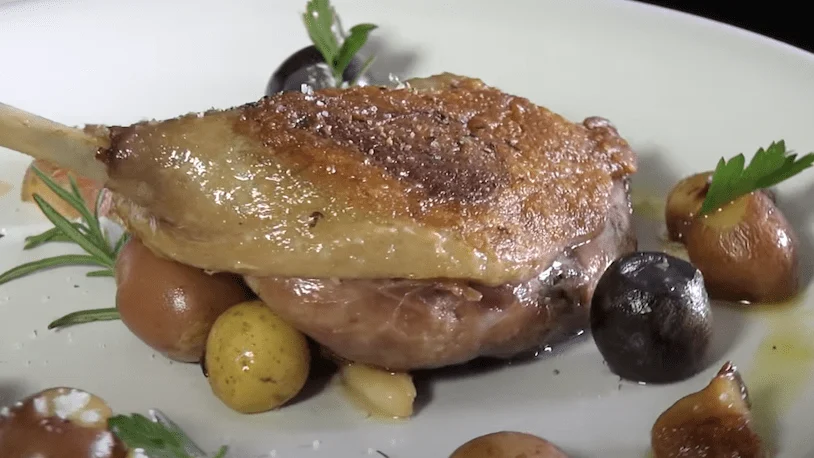
France’s Sublime Culinary Secret Every Foodie Must Savor
If you consider yourself a true foodie, there’s one dish you simply cannot ignore—a French classic so rich in heritage, flavor, and technique that it stands as a testament to the artistry of gastronomy: duck confit. While France dazzles the world with its endless parade of culinary marvels, duck confit remains a hidden gem, quietly waiting to seduce the adventurous palate with its decadent taste, melt-in-your-mouth texture, and centuries-old story.
A Dish Steeped in History and Tradition

Duck confit is more than just a meal; it’s a culinary ritual that embodies the heart of rural France. Born in Gascony, a region famed for its robust food traditions, duck confit was originally a method of preserving meat long before refrigeration. The process is as poetic as it is practical: duck legs are generously salted and rubbed with garlic and fragrant herbs—most often thyme—then left to cure, drawing out moisture and infusing the meat with a deep, earthy aroma.
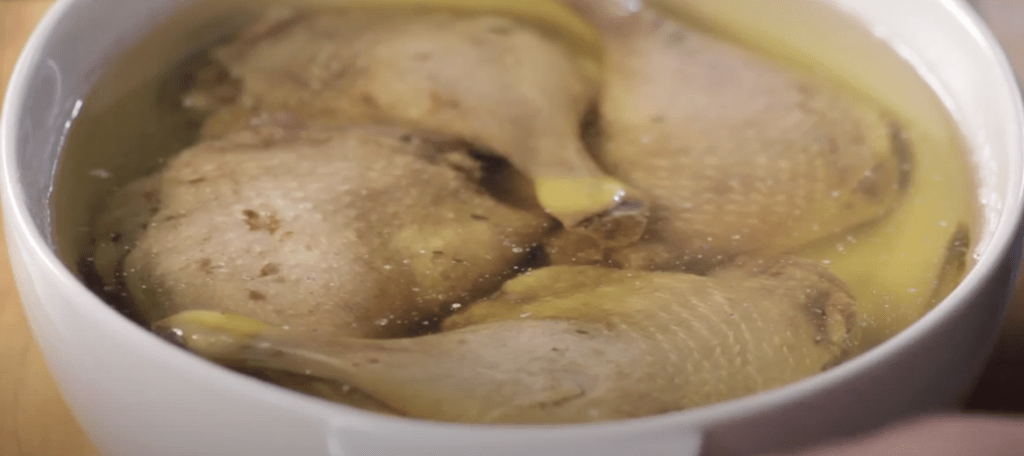
After curing, the legs are gently poached in their own rendered fat at a low temperature for hours, sometimes up to seven. This slow, loving preparation transforms the duck into something extraordinary: the skin crisps to golden perfection, while the flesh beneath becomes impossibly tender, pulling away from the bone with the slightest nudge of a fork. In the past, these confited legs would be stored in earthenware pots, submerged in fat, and kept for months—ready to be enjoyed at a moment’s notice during the long French winters.
Why Duck Confit Stands Apart
Despite its legendary status among chefs and gourmands, duck confit rarely features in everyday food conversations outside of France. Perhaps it’s the time-consuming preparation, or maybe it’s the relative rarity of duck compared to chicken, beef, or pork. Whatever the reason, duck confit remains an elusive dish—one that many food lovers have heard of, but few have tasted in its true form.
But for those who seek out the world’s finest flavors, duck confit is a rite of passage. It’s a dish that rewards patience and curiosity, offering a sensory experience unlike any other. The taste is rich and complex, with a luxurious mouthfeel that lingers long after the last bite. The texture is a revelation: the skin shatters with a satisfying crunch, giving way to meat that’s both succulent and subtly gamey—a flavor profile that’s unmistakably duck, yet elevated by the alchemy of time and technique.
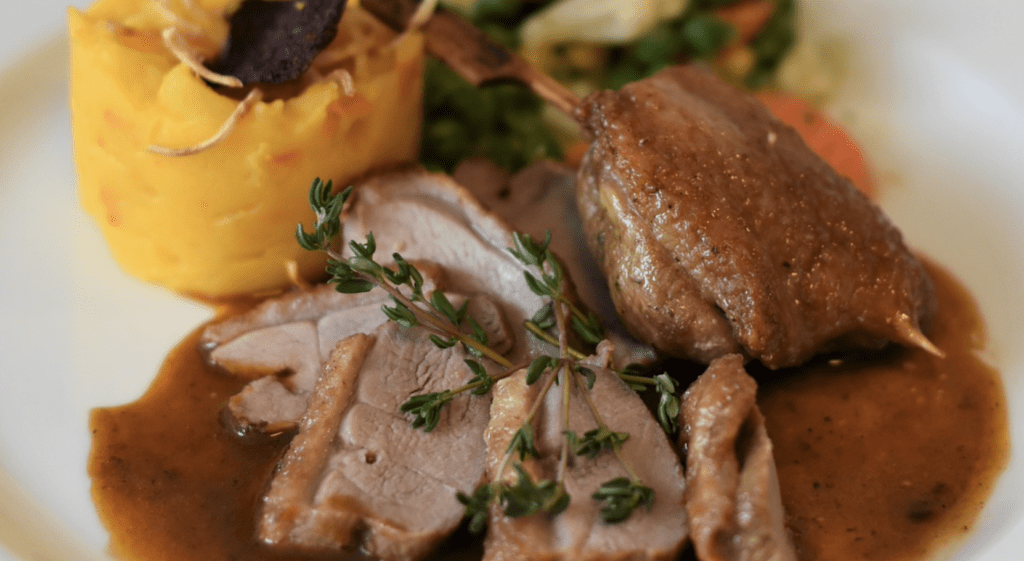
A Foodie’s Journey: Discovering Duck Confit in Paris
Imagine stepping off the Eurostar at Paris’s Gare du Nord, the city’s energy buzzing all around you. After a day of travel, you stumble upon a quaint bistro, its windows aglow with the soft yellow light of a streetlamp. The air is crisp, the night is young, and the promise of French cuisine beckons you inside.
You settle by the window, menus in hand, and without hesitation, both you and your dining companion order duck confit. There’s an unspoken understanding—this is the dish you’ve both wondered about for years, the one that has lingered in your culinary imagination. No need for TripAdvisor recommendations or guidebook endorsements; the setting, the mood, and the anticipation are all you need.
The Allure of Duck: A Global Perspective
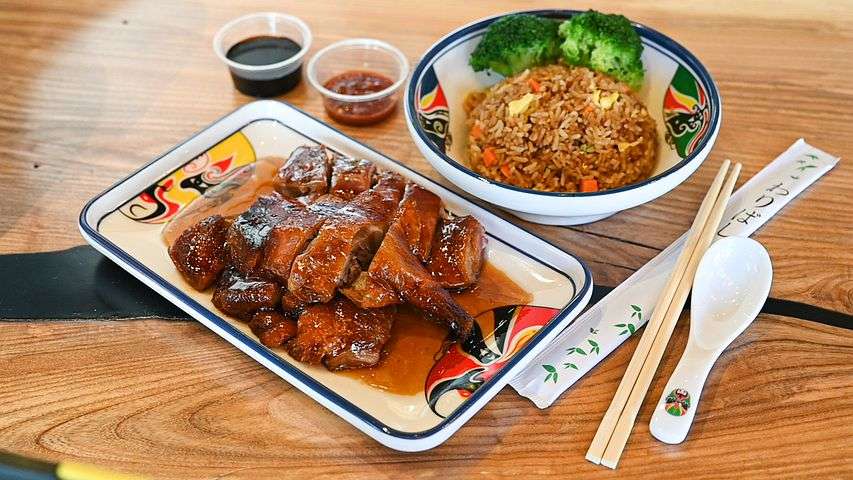
Duck confit is not the only duck dish to captivate food lovers around the world. In China, Peking duck is celebrated for its lacquered skin, delicate pancakes, and symphony of condiments—julienned cucumber, spring onions, and sweet hoisin sauce. In Hong Kong, Cantonese roast duck is a staple, its glossy skin and juicy flesh served with rice or noodles, often as part of a lavish banquet.
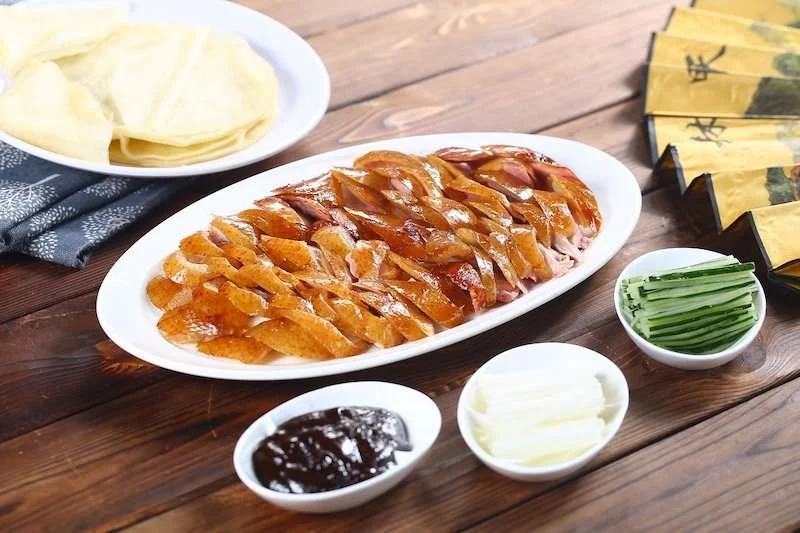
What unites these iconic dishes is a reverence for preparation and presentation. Whether it’s the slow rendering of fat in Gascony, the air-drying and roasting in Beijing, or the precise seasoning in Hong Kong, duck is always treated with respect. Each culture brings its own twist, but the essentials remain: crisp skin, succulent meat, and a flavor that lingers.
When the waiter brings your plates, the aroma is intoxicating—roasted, garlicky, and faintly herbal. The skin glistens, hinting at its crispness, while the meat beneath promises tenderness. The first bite is unforgettable: the skin crackles, the fat melts, and the meat yields with a gentle pull. The flavor is deep and savory, with a subtle gaminess that’s both rustic and refined. It’s the kind of meal that becomes a memory, a benchmark against which all future duck dishes will be measured.
For the adventurous eater, these dishes are not just meals—they’re experiences. Peking duck is often reserved for special occasions, its preparation so involved that it must be ordered in advance. Cantonese roast duck, by contrast, is more accessible, a comfort food that graces tables across Asia. And then there’s duck confit, the French pièce de résistance, a dish that demands both patience and passion.
The Magic of the Bistro: Ambience and Atmosphere
Great food is about more than just taste—it’s about context, setting, and the intangible magic of the moment. The memory of duck confit enjoyed in a Parisian bistro is inseparable from the ambience: the warmth of the dining room, the soft glow of streetlights filtering through the window, the gentle hum of conversation in French, and the attentive service of a waiter who seems to understand that you’re here for something special.
It’s winter outside, but inside it’s cozy and inviting. The tables are close together, the décor is charmingly rustic, and every detail feels just right. The experience is heightened by the knowledge that you’re tasting a dish in its natural habitat, prepared by hands that have inherited generations of culinary wisdom.
Why Duck Confit Is a Must-Try for Food Lovers
So, what makes duck confit a must for every foodie’s bucket list? Four things set it apart:
- Taste: Rich, savory, and deeply satisfying, with layers of flavor that unfold with every bite.
- Texture: A contrast between crispy skin and fork-tender meat, achieved through meticulous preparation.
- Richness: The duck’s natural fat, rendered and used for cooking, imparts a luxurious mouthfeel.
- Unique Gaminess: A flavor that’s unmistakably duck—earthy, robust, and utterly distinctive.
In France, only waterfowl—duck and goose—are considered worthy of the confit treatment, a testament to the dish’s esteemed place in the country’s culinary pantheon.
Bringing Duck Confit Home
While nothing quite compares to duck confit enjoyed in a Parisian bistro, foodies everywhere are eager to recreate the magic at home. Modern recipes often shorten the curing and cooking times, relying on refrigeration and kitchen gadgets to speed up the process. But true confit is a labor of love, one that rewards patience with unparalleled flavor and texture.
If you’re up for the challenge, seek out high-quality duck legs, fresh herbs, and good sea salt. Take your time with the curing, and don’t rush the slow poaching in duck fat. The result will be a dish that transports you straight to the heart of Gascony, no passport required.
A Final Word: The Duck Confit Experience
For the uninitiated, duck confit may seem distant, exotic, or even intimidating. But for those willing to embark on a culinary adventure, it’s a revelation—a dish that captures the essence of French gastronomy in every bite. Whether you’re savoring it in a Parisian bistro, recreating it at home, or simply dreaming of your next food-fueled journey, duck confit is a reminder of why we love to eat: for the stories, the flavors, and the memories that linger long after the meal is over.
So next time you find yourself in France—or at a restaurant bold enough to serve this classic—don’t hesitate. Order the duck confit. Let it surprise you, delight you, and remind you that the world’s greatest dishes are often those that take the longest to prepare, but are always worth the wait. Bon appétit!