
The Soul of Doha
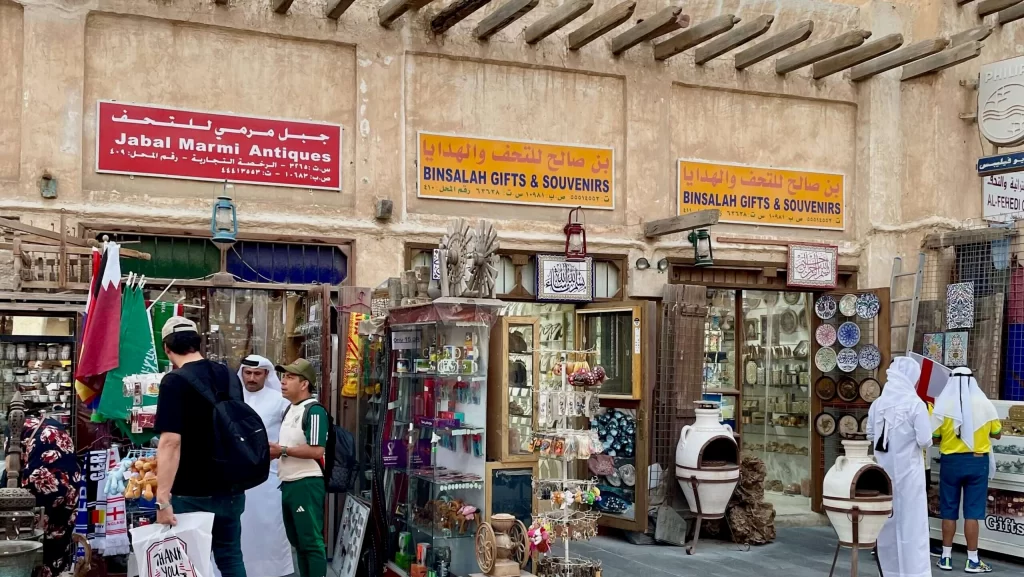
Doha’s Souq Waqif isn’t just another Middle Eastern marketplace. It’s a living, breathing testament to Qatar’s heritage, a place where centuries-old tradition meets the vibrant pulse of modern life. While I’ve wandered through city souqs in the UAE and Oman, nothing quite prepared me for Souq Waqif. For a country as compact as Qatar, this sprawling bazaar is a marvel, both in size and in spirit.
First Impressions: A World Beyond Football
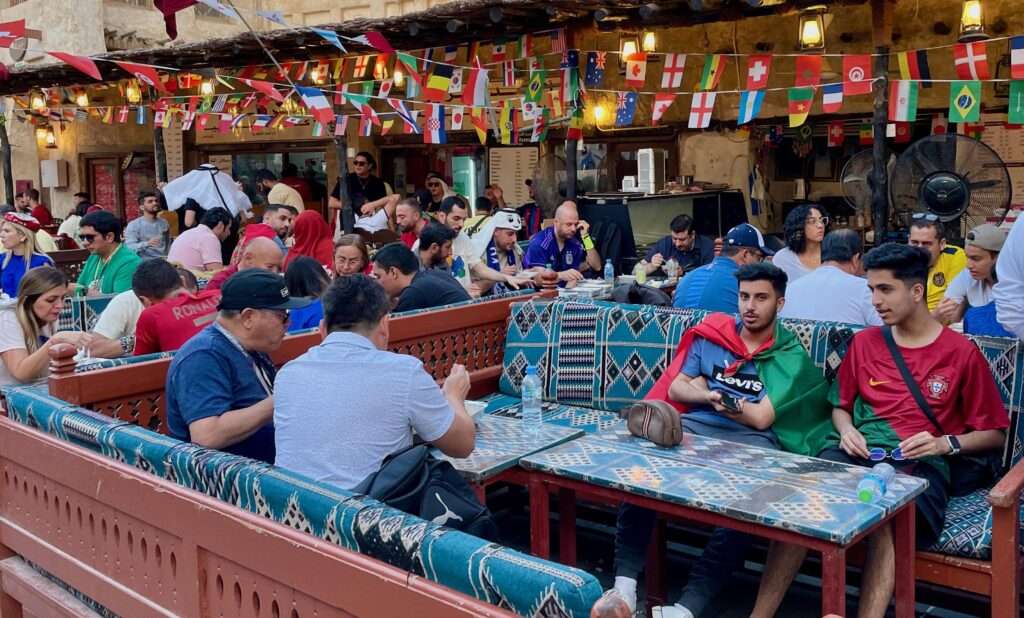
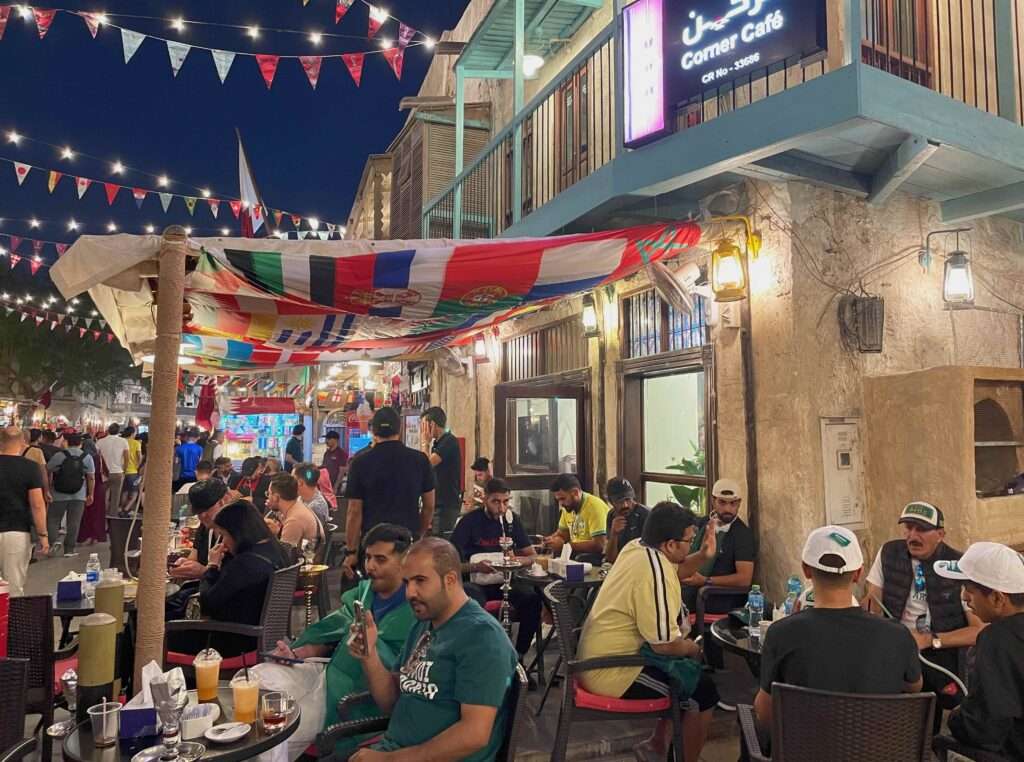
When I arrived in Qatar for the World Cup, I expected the city’s energy to revolve around football. Yet, my first night’s visit to Souq Waqif quickly shifted my focus. The souq wasn’t just a backdrop to the festivities. It was the stage upon which Doha’s culture and hospitality came alive. Drawn in by its allure, I found myself returning night after night, discovering new corners and experiences each time.
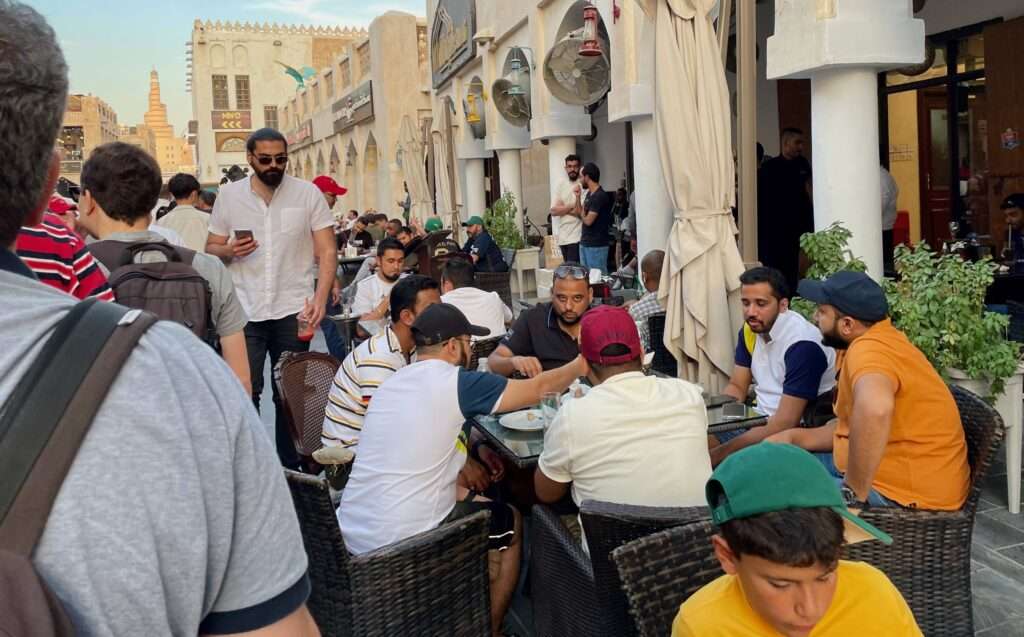
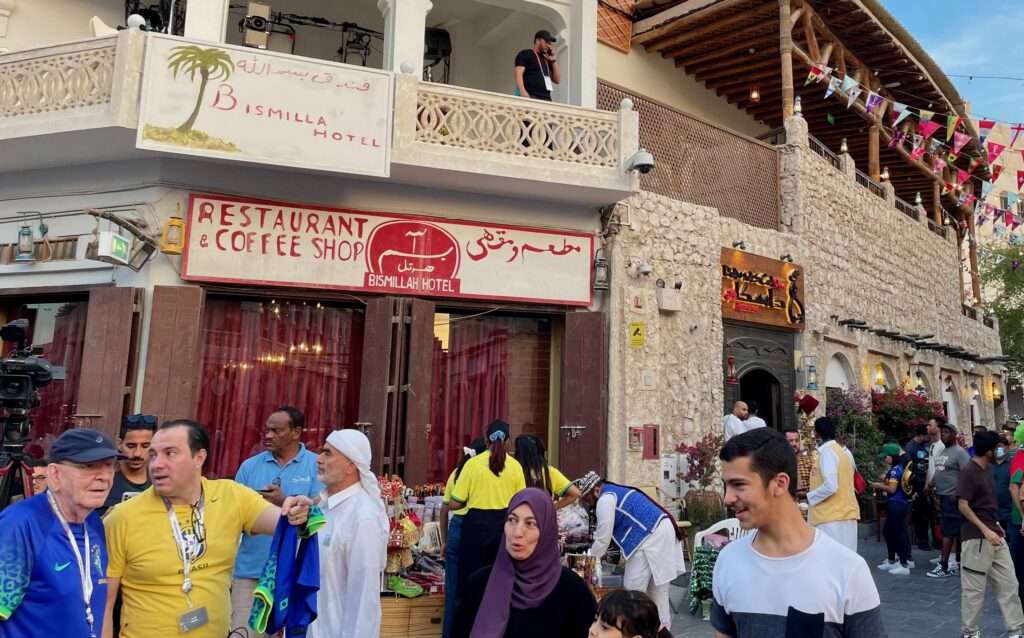
It’s clear that Qatar made a deliberate choice to showcase Souq Waqif during this global event. And why not? The souq is perfectly situated in the city center, adjacent to the main metro and bus transport hubs. Making it easily accessible for locals and visitors alike. As a gathering place for celebration, food, and community, it was the ideal venue to welcome the world.
Timing Your Visit: When the Souq Shines
One practical tip for visitors: pay attention to the souq’s opening hours. Like many places in the Middle East, Souq Waqif closes during the hottest part of the day. Opening from 10am to 12 noon and then again from 4pm until well past 10pm. This schedule not only respects the region’s searing summer heat. But also sets the stage for the souq’s transformation after dusk. When the sun sets and the lights flicker on, the souq truly comes alive. The air cools, the crowds grow, and the entire marketplace glows with an enchanting energy.
If you’re a tourist, embrace the local rhythm. Sleep in, explore the city in the late afternoon, and plan to stay out late. The souq is at its most magical after dark.
What is a Souq?
A souq (or souk) is a traditional marketplace found throughout the Middle East and North Africa. The term “bazaar” is the Persian equivalent, while in Israel, it’s known as a “shuk.” Historically, souqs served as vital trading hubs where farmers, artisans, and merchants brought their goods—produce, livestock, spices, textiles. To sell to both local households and traveling traders. These markets were not just centers of commerce but also crossroads of culture, tradition, and history.
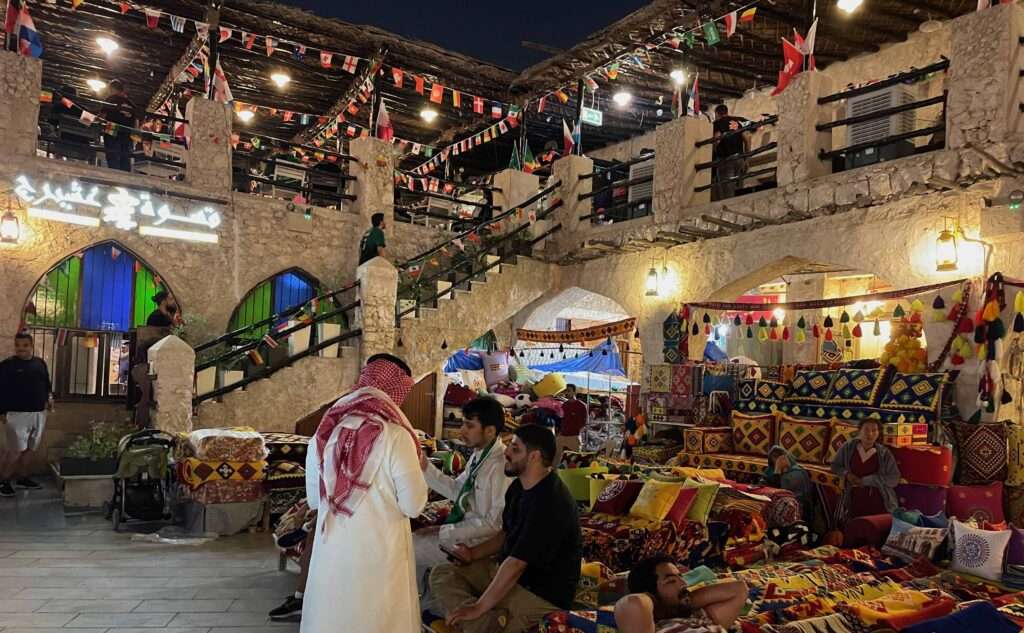
What sets Middle Eastern souqs apart from markets elsewhere is the palpable sense of heritage. Here, you don’t just buy goods; you step into a living tapestry woven with centuries of stories.
Stepping Into a Storybook
Entering Souq Waqif at night is like stepping into the pages of Arabian Nights. The atmosphere evokes images of Aladdin’s cave, magic carpets, and genies in lamps. In some parts, the architecture even mimics the feel of a cave. With winding passageways and low arches that add to the sense of mystery and discovery.
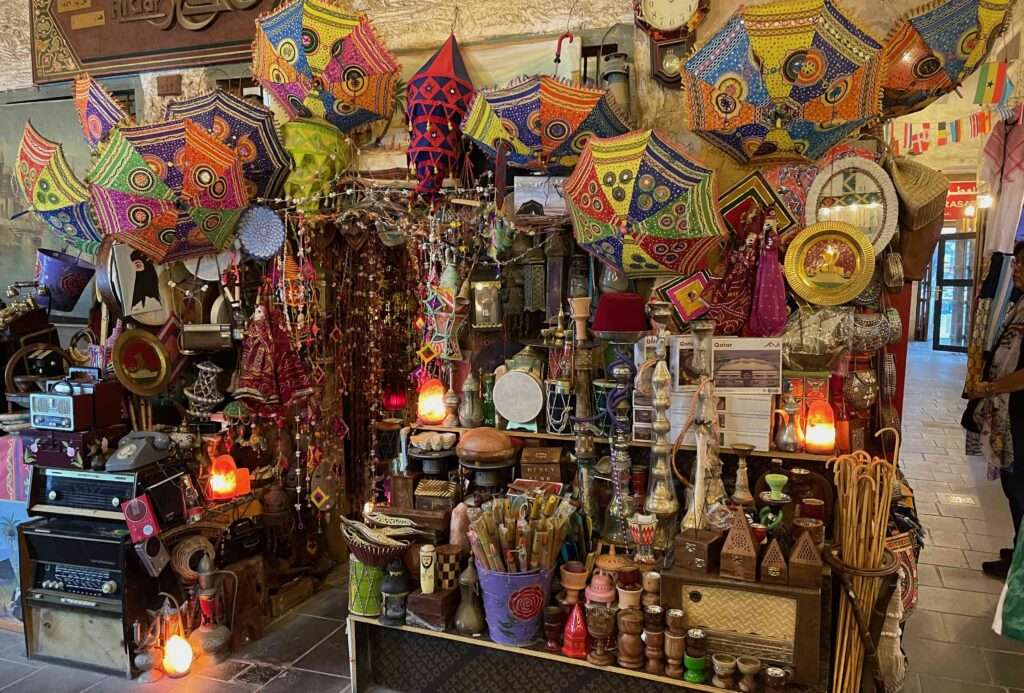
Every corner reveals a new treasure. Hundreds of hanging lamps casting a golden glow, intricately woven carpets, antique coins, ceremonial daggers, swords, and ornaments. They all look as if they’ve been plucked from a sultan’s treasury. The labyrinthine alleys, lined with tiny shops, invite you to lose yourself and stumble upon unexpected wonders.
What’s remarkable is the authenticity of the wares. These aren’t mass-produced trinkets from distant factories. Many items are crafted using traditional materials and methods, preserving the look and feel of ancient artifacts. It’s easy to imagine time standing still here, offering visitors a rare chance to start a collection of genuine antiques.
Adding to the old-world charm are the porters, pushing wooden carts laden with goods, just as they have for generations. Their presence is a living reminder of the souq’s enduring role in Doha’s daily life.
The Sights, Sounds, and Scents
But Souq Waqif is more than just a marketplace—it’s an immersive sensory experience. The layout, the traders’ traditional attire, their animated haggling, and the lively banter all transport you to another era. The air is thick with the mingling aromas of spices, perfumes, and street food, each scent telling its own story.
The sheer diversity of goods is staggering. From everyday household items, pots, pans, and clothing to exotic birds, parrots, and even falcons. The souq offers something for everyone. In earlier times, camels and horses were also traded here. Underscoring the souq’s historical importance as a hub of commerce and culture.
Spices: The Soul of the Souq
Perhaps nothing defines the souq experience more than its spices. The vibrant colors and intense fragrances—saffron, cloves, cardamom, and countless others—assault your senses the moment you enter. The range is astonishing, often surpassing even the famed spice markets of South Asia and Southeast Asia.
The prominence of spices in Souq Waqif is no accident. For centuries, Arab traders have been central to the global spice trade. Connecting the East and West along ancient trade routes. Even today, the souq’s spice stalls are a testament to this rich legacy. You may find yourself wondering whether all these spices are used in local cuisine. Or if the souq serves as a global trading post. Saffron, for example, is produced in vast quantities in Iran. But is traded here in abundance, hinting at the souq’s far-reaching connections.
Souqs Within the Souq
Souq Waqif is so expansive that it contains specialized zones, each with its own unique character. These include:
- Gold Souq: A glittering enclave dedicated to fine jewelry and precious metals.
- Oud and Arabic Perfume Souq. An aromatic haven where the air is thick with the scents of oud, musk, and traditional perfumes.
- Bird Souq and Falcon Souq: Showcasing exotic birds and the revered falcons that are an integral part of Qatari culture.
- Antiques and Handicrafts: Offering a treasure trove of handmade artifacts and collectibles.
A visit to the Oud and Perfume Souq is especially recommended. The range of scents and the artistry of the perfumers are a revelation. Highlighting the deep-rooted association between Arab culture and the world of fragrances. Perfume shops are ubiquitous in the Middle East. Nowhere are they more atmospheric than in the souq, where shopkeepers eagerly offer samples to passersby.
The Gold Souq is another highlight. Though it’s unclear whether gold trading has always been part of the traditional souq or is a more recent addition. Drawn by the steady flow of visitors.
Culinary Delights: A Feast for the Senses
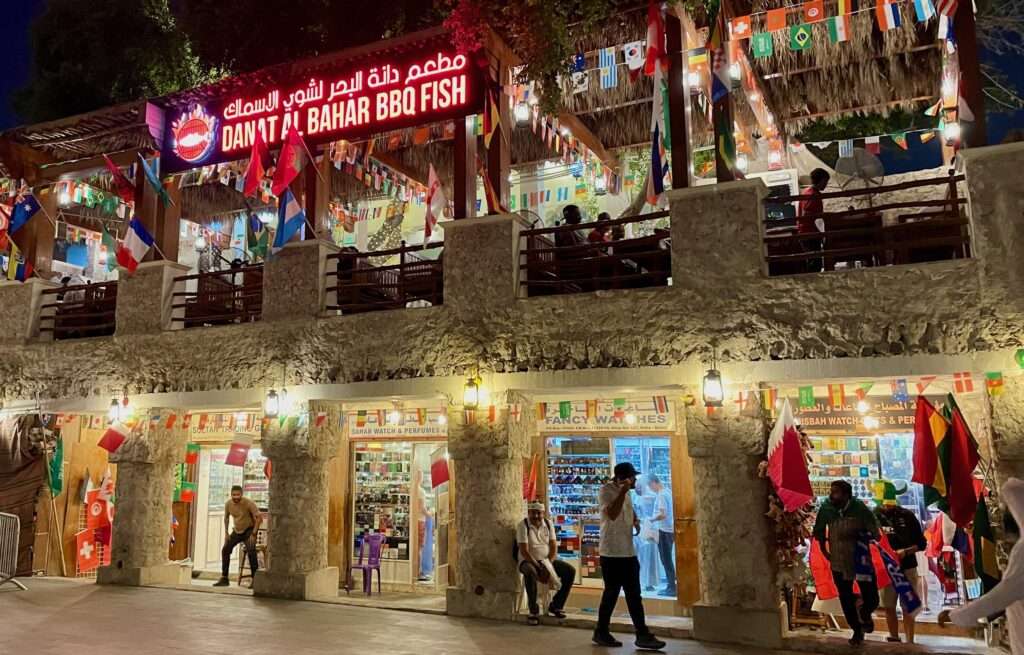
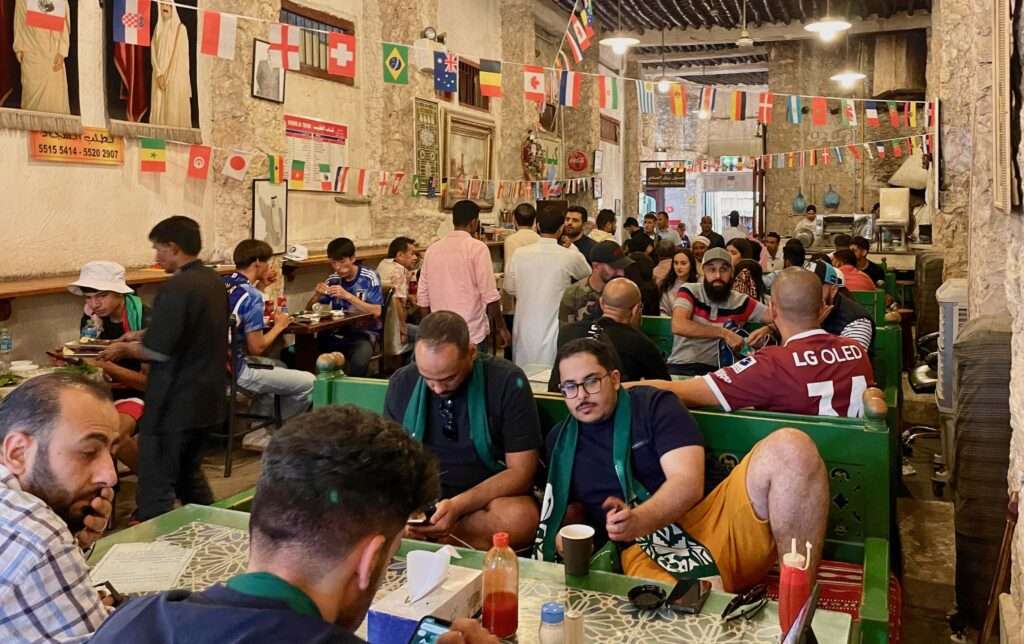
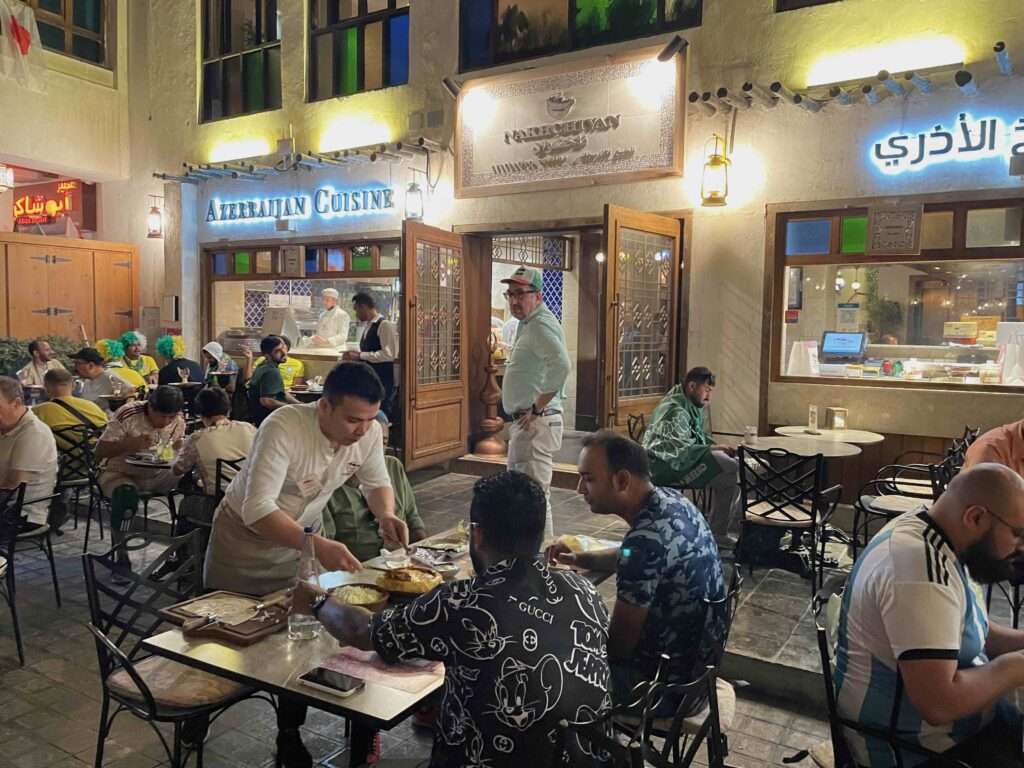
No visit to Souq Waqif is complete without sampling its culinary offerings. The souq is also magnet for food lovers. Boasting an impressive array of restaurants that showcase the rich diversity of Middle Eastern cuisine. Here, you can savor dishes from Qatar, Iraq, Syria, Lebanon, Yemen, and Egypt. As well as flavors from India, Thailand, and Azerbaijan.
Each restaurant offers its own distinct ambiance, blending traditional décor with contemporary flair. The variety of food customs and culinary nuances is striking, even among neighboring countries. Whether you’re seeking a hearty meal or a quick snack, the souq’s eateries promise an unforgettable gastronomic journey.
Preserving the Past, Embracing the Future
Like all markets, Souq Waqif is constantly evolving. Its size and depth set it apart from other souqs in the Gulf. Ensuring its continued relevance in Doha’s rapidly changing landscape. As new restaurants and shops emerge, the souq manages to retain its unique character. A delicate balance between honoring tradition and embracing innovation.
For first-time visitors to the Middle East, Souq Waqif is the perfect introduction. It encapsulates the region’s spirit of hospitality, its love of storytelling, and its enduring connection to the past.
Final Thoughts: Why Souq Waqif Captivates
What makes Souq Waqif truly exceptional is its ability to transport you across time and culture. It’s a place where history isn’t confined to museums but is lived and breathed every day. Whether you’re searching for a rare spice, a handcrafted souvenir, or simply a memorable meal, the souq offers an experience. An expeirence that lingers long after you’ve left its bustling alleys.
In a city that’s rapidly modernizing, Souq Waqif stands as a vibrant reminder of Doha’s roots. A gathering place where the old and new coexist in perfect harmony. If you find yourself in Qatar, don’t miss the chance to wander its enchanting lanes. Haggle away with its spirited traders, and lose yourself in its timeless magic.