
Lessons from a Food Delivery Shake-Up
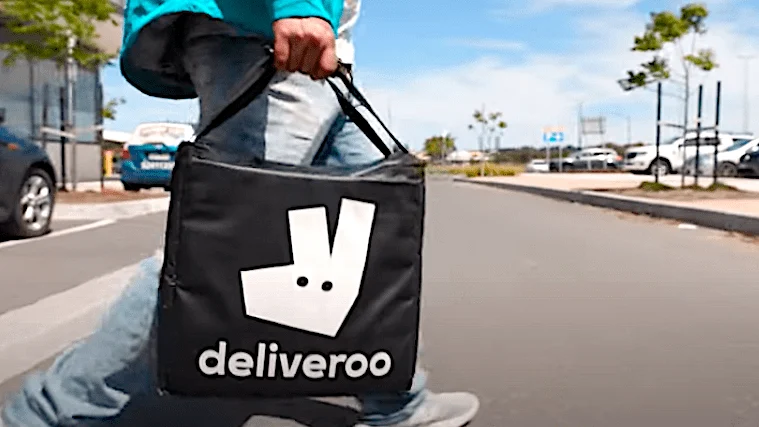
On November 16, 2022, Deliveroo stunned the Australian market by announcing its immediate exit. The news rippled through the food delivery sector, leaving employees, restaurant partners, and customers scrambling for answers.
The company was the first international food delivery player in Australia, launching in 2013 and enjoying a first-mover advantage. So, what went wrong?
Unlike the slow fade-outs often seen in struggling companies, Deliveroo’s departure was abrupt—there were no hints, no gradual cost-cutting, and no public warning signs. Even insiders were caught off guard, with staff reportedly learning of the closure only hours before the public did.
The IPO That Sparked High Hopes
Deliveroo’s journey in Australia was closely watched from the start. Its London IPO in March 2021 was the largest in the city since 2011, and expectations soared. The company was backed by blue-chip advisors like JP Morgan Chase and Goldman Sachs, and Amazon’s 16% stake signaled serious confidence in Deliveroo’s future.
Yet, the IPO’s first days were rocky, with the share price tumbling and analysts quickly questioning whether the initial valuation was too optimistic[. Despite these early warning signs, few could have predicted Deliveroo’s eventual retreat from major markets like Australia.
Not a Repeat of Starbucks’ Missteps
Deliveroo’s exit drew inevitable comparisons to other high-profile foreign brand failures in Australia, most notably Starbucks. In 2008, Starbucks shuttered 70% of its Australian stores after years of losses—a rare stumble for the global coffee powerhouse.
The reason? A misreading of local tastes. Australians preferred robust, less sweet espresso drinks like the flat white, and local chains flourished by catering to these preferences. Starbucks’ sweeter, milkier offerings simply didn’t resonate, and the brand struggled to compete with homegrown cafes that understood the market’s nuanced coffee culture.
But Deliveroo’s problem wasn’t a matter of taste. Unlike Starbucks, Deliveroo’s business model and app were virtually indistinguishable from its competitors.
The Race for Market Share
In the world of food delivery, scale is everything. The business model demands rapid growth and high cash burn, with investors betting on eventual dominance and profitability.
Deliveroo’s rivals—Uber Eats, HungryPanda, and DoorDash—all entered the Australian market after Deliveroo. Yet managed they managed to overtake Deliveroo in market share and brand recognition. This reversal of fortunes is a case study in how first-mover advantage can be squandered.

The reasons are complex. Deliveroo may have faced funding shortfalls, challenges in recruiting and retaining delivery riders. Or difficulties forging strong partnerships with local restaurants.
Regulatory hurdles also loomed large, as Australia’s labor laws and union presence make it one of the tougher markets for gig economy companies.. In the end, Deliveroo’s parent company in London decided the Australian operation was no longer worth the investment, especially as the company continued to post losses globally
Scaling Pains in the Gig Economy
Food delivery startups face unique challenges when it comes to scaling. While the ordering app is digital, much of the business is deeply physical.
Recruiting riders, onboarding restaurants, and ensuring smooth operations all require hands-on effort. Unlike e-commerce, where a new online store can scale quickly, food delivery depends on building dense networks in urban areas and maintaining high service standards.
Deliveroo’s struggles were not unique. The company had already exited the Netherlands in October 2022 and Spain in August 2021, suggesting a broader strategy of consolidation and focus on profitable markets. As of its exit, Deliveroo was still unprofitable as a whole, though it projected a possible turnaround by late 2023 or early 2024.
Regulatory Pressures and the Evolving Gig Model
Australia’s regulatory environment added another layer of complexity. The gig economy’s promise of flexible work has come under increasing scrutiny, with unions and lawmakers pushing for better protections and benefits for delivery riders.
These pressures increase costs for companies like Deliveroo, making it harder to achieve profitability in markets with strong labor protections.
Other companies have faced similar challenges in the Netherlands, where regulatory changes forced several gig economy exits. The gig model is evolving, with some of its most attractive features—like flexible hours and easy entry—being balanced against demands for fair treatment and job security.
Demographics and Market Penetration
Another key factor in food delivery success is customer demographics. Affluent, densely populated urban areas generate larger orders and higher margins, making them prime targets for delivery services.
In Australia, the CBDs and wealthier suburbs are hotly contested, while smaller towns and rural areas are often left out. Companies must focus their efforts where the payoff is highest, leading to intense competition in a few lucrative markets.
The State of Play After Deliveroo
Despite Deliveroo’s exit, the Australian food delivery market remains vibrant. Four major players—Uber Eats, Menulog, HungryPanda, and DoorDash—continue to battle for dominance. While many restaurants run their own in-house delivery services.
The Australian Competition and Consumer Commission (ACCC) keeps a close eye on the sector, watching for signs of monopolistic behavior as Uber Eats edges towards a two-thirds market share.
The competitive landscape is defined by a few key differentiators:
- App usability and customer experience
- Speed and reliability of delivery
- Breadth of restaurant partnerships
- Service standards, including how issues are resolved
Restaurants and customers alike benefit from this competition, as operators strive to outdo each other on price, quality, and convenience.
The Future of Food Delivery in Australia
The outlook for food delivery in Australia remains strong, fueled in part by the habits formed during the COVID-19 pandemic[1]. More Australians than ever are comfortable ordering meals online, enjoying the convenience and variety it offers. For many, food delivery has become a routine part of life, whether at home or in the office.
Further market consolidation is likely, as the economics of food delivery favor a few dominant players. Smaller operators may struggle to survive, while the big names continue to invest in technology, logistics, and customer service.
Lessons from Deliveroo’s Departure
Deliveroo’s Australian saga offers several key takeaways for startups and established companies alike:
- First-mover advantage isn’t enough. Without sustained investment and flawless execution, early entrants can be overtaken by more aggressive or better-funded competitors.
- Local adaptation is critical. Understanding the unique preferences and regulatory environments of each market can make or break a business.
- Scale and profitability are hard-won. The food delivery model is capital-intensive and requires deep pockets, patient investors, and relentless focus on operational efficiency.
- Regulatory risks can’t be ignored. As governments tighten rules around gig work, companies must adapt or risk being squeezed out.
- Consumer habits are changing fast. The pandemic accelerated the adoption of food delivery, but only companies that keep innovating will thrive.
The Broader Picture: Global Consolidation
Deliveroo’s retreat from Australia is part of a global trend. The company has narrowed its focus to a handful of European and Asian markets, seeking profitability over sheer scale[1]. Meanwhile, competitors like Talabat in the UAE are expanding rapidly, and further consolidation across the industry seems inevitable.
For Australian consumers, the shake-up may ultimately be a good thing. Fewer, stronger competitors can mean better service, more reliable delivery, and a wider selection of restaurants. For restaurants and delivery riders, however, the pressure to adapt continues, as the gig economy evolves and new regulations reshape the landscape.
Final Thoughts
Deliveroo’s sudden exit from Australia is a stark reminder that even well-funded, globally recognized brands can falter in the face of fierce competition, regulatory challenges, and the relentless drive for profitability. The food delivery sector remains dynamic and full of opportunity, but only the most adaptable, innovative, and resilient players will survive and thrive in the years ahead.