

The Medium Matters: Capturing Memories That Last
Traveling to faraway places, attending milestone events, or simply making memories with loved ones—these are the moments we want to hold onto forever.
Yet, in our eagerness to document these experiences, many of us fall into a modern trap: picking the wrong medium and regretting it for years to come. While it may sound dramatic, the choice between video and photo is more consequential than it first appears.
The “video versus photo” debate shapes not just how we relive our memories, but also how we share them with others.
The Allure and Pitfalls of Video
In today’s world, video is king. Walk through any tourist hotspot and you’ll see crowds holding up their phones, recording every step, every meal, every sunset. The assumption seems to be: if it’s worth remembering, it’s worth filming. But is that always true?
There’s nothing inherently wrong with capturing your adventures on video—if you have a plan for what to do with that footage. Before you press record, ask yourself:
- · Who is your audience?
- · Where will you share this video?
- · Are you prepared to edit and curate the footage so it’s enjoyable to watch?
Taking video is easy; making it watchable is another story. Most people, even close friends and family, struggle to sit through more than a few minutes of unedited home video. The reality is, attention spans are short, and our time is precious. Think back: how many times have you dreaded an invitation to watch someone else’s lengthy vacation video? There’s a reason for that.
When Video Shines
Despite its challenges, video can be magical when used well. It excels at capturing movement, sound, and atmosphere—things that photos can’t convey. Consider these scenarios:
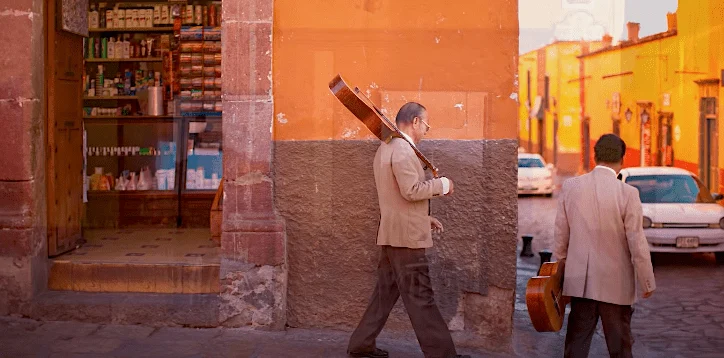
- · Musicians performing at a street festival, the colors of their costumes, the strum of guitars, the excitement in the air.
- · The hustle and bustle of a seafood market, complete with the sizzle of food and the chatter of vendors.
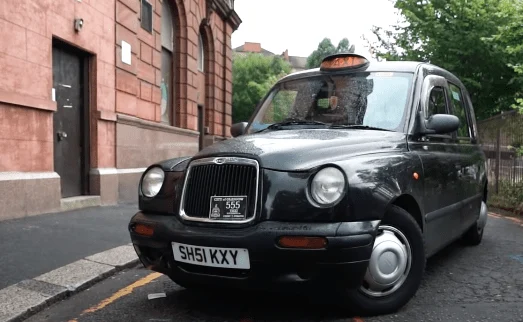
- · The journey itself—boarding a taxi in a foreign city, the sights and sounds as you arrive at your destination.
These moments come alive on video, offering context and a sense of place that still images sometimes lack. But to make the most of video, you must be willing to invest time in editing. Short, well-crafted clips—each around 7 to 10 seconds—can be woven into a compelling story that holds viewers’ attention.
The Enduring Power of Photos
Photos, on the other hand, have a timeless quality. A single, well-composed image can freeze a moment, distill an emotion, and become an anchor for memory. Unlike video, which demands attention and time, a photo can be absorbed in an instant. It invites reflection and imagination.
Research backs this up: a 2014 study by Twitter found that tweets with photo images were retweeted 35% more often than those with video clips, which saw a 28% increase. Visual content matters, but photos are often easier and faster for people to engage with.
Photos excel at:
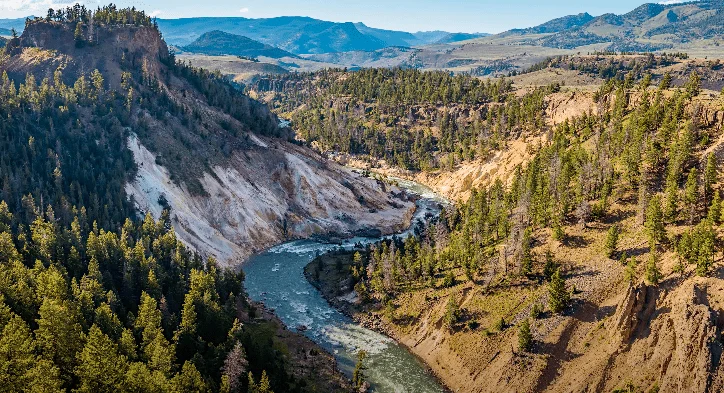
- · Isolating a subject or scene, such as a street performer waiting for their cue, a beautifully decorated food cart, or a snow-capped mountain.
- · Including yourself or loved ones in front of iconic backdrops—think of a family portrait with Mt. Fuji or Cape Town’s Table Mountain.
- · Creating “anchor photos”—those standout images worthy of framing or sharing widely.

Choosing the Right Medium: A Practical Guide
The good news is that most modern cameras and smartphones can capture both high-quality photos and videos. The challenge is knowing when to use each.
When to Choose Photos
- · To highlight a specific subject or scene.
- · For portraits and group shots with memorable backgrounds.
- · When you want a quick, shareable memory that stands on its own.
- · To create a visual album or gallery for family and friends.
When to Choose Video
- · To capture movement, sound, and atmosphere.
- · For storytelling—showing a journey, an event unfolding, or a bustling environment.
- · When documenting people in action: musicians, chefs, street vendors, athletes.
- · To immerse viewers in the sights and sounds of a place.
Best Practices for Both
- · Mix it up: Take a combination of close-ups, landscapes and selfies
- · Plan ahead: Identify iconic or interesting backgrounds for both photos and videos.
- · Include yourself and your companions in some shots to personalize the memories.
Curation: The Art of Editing
Start with Photos

Editing photos is usually quicker and more straightforward. Apply a triage system: select the best images for an album, share them on a private photo-sharing site, or upload to social media. Choose one or two “anchor photos” for special treatment—crop, adjust, or print them for display. These are the images that will define your trip or event for years to come.
Tackling Video
Video editing is a bigger commitment. To keep viewers engaged, aim for a final cut of 10 to 12 minutes, composed of dozens of short, dynamic clips. Each segment should last 7 to 10 seconds, creating a sense of flow and narrative. Focus on people and culture—local food, markets, architecture, public spaces, and nightlife. A good rule of thumb: 70% culture, 30% tourist sights. This balance keeps the story fresh and avoids the “tourist slideshow” trap.

Storytelling: The Secret Ingredient
Whether you’re shooting photos or video, storytelling is key. For video, this means sequencing your clips to show a journey—arrival, exploration, discovery. For photos, it means capturing moments that evoke emotion and context: a laugh shared over dinner, the awe of seeing a famous landmark for the first time.
Think like a director. Set the scene with an establishing shot (a landscape or cityscape), then move in for close-ups of people, food, or details. Vary your angles and perspectives to keep things interesting. And always remember the audience—what will they find engaging, memorable, or inspiring?
The Tools: Getting the Most from Your Gear
You don’t need a professional setup to capture great memories. Compact cameras like the Sony ZV1 are lightweight, versatile, and capable of shooting both high-quality photos and video, even in low light. Smartphones are increasingly powerful, with features for editing and sharing built right in.
The key is to learn your device’s strengths and limitations. Practice framing, exposure, and focus. Experiment with different modes and settings. And most importantly, be present—don’t let the quest for the perfect shot distract you from the experience itself.
Planning Ahead: Avoiding Regret
The biggest mistake is failing to plan. Visiting a once-in-a-lifetime destination or celebrating a major event? Do your homework. Research the best spots for photos, the most vibrant scenes for video, and the stories you want to tell. Make a shot list if it helps. And always, always back up your files.
Final Thoughts: Making Memories That Last
In the end, there’s no single right answer to the video versus photo dilemma. The best approach is a thoughtful mix, tailored to the moment and the story you want to tell. Photos offer instant impact and timeless appeal; videos bring movement and atmosphere to life. Both have their place in your memory-keeping toolkit.
So next time you set out to capture a special moment, ask yourself: What do I want to remember? Who will I share this with? And how can I tell the story in a way that does justice to the experience?
With a little planning, a discerning eye, and a willingness to edit, you’ll create memories that not only last a lifetime—but are a joy to revisit and share. Don’t let the wrong medium become a lifelong regret. Choose wisely, and make every shot count.