

The Evolution of Breakfast Around the World: A Modern Culinary Journey
Breakfast, often called the most important meal of the day, has undergone a remarkable transformatio. Especially across the developed world in recent years.
Once a simple, utilitarian meal designed to fuel laborers and schoolchildren, it seems to address new needs. Now more a reflection of changing lifestyles, health trends, and global cultural exchanges.
Let’s take a journey through the evolving world of breakfast. Exploring how tradition meets innovation on breakfast tables from London to Lagos, Melbourne to Mumbai.
A Changing Plate: Health, Plant-Based Trends, and Globalization
In much of the developed world, breakfast has shifted decisively toward healthier, lighter fare. The rise of plant-based diets is evident in the growing popularity of non-dairy milks—think almond, oat, and coconut—as well as in the proliferation of meatless options.
Avocado toast, smoothie bowls, and overnight oats have replaced the once-ubiquitous bacon and eggs for many urbanites. While classic sugar-laden cereals remain. They are often reformulated with less sugar and fortified with added nutrients to appeal to health-conscious consumers.

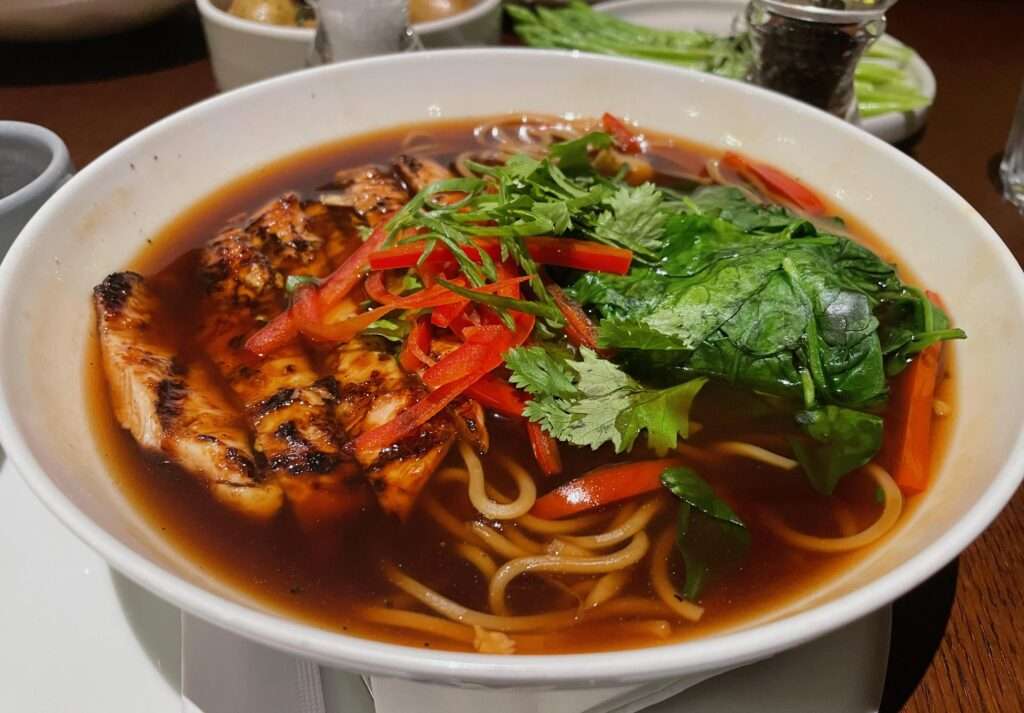
Contrast this with the developing world, where breakfast traditions remain closely tied to local staples and cultural heritage. Here, breakfast is less about brands and more about homemade or market-sourced foods.
Meals are built around the region’s staple crops. Wheat, rice, corn, beans, or tapioca—reflecting both economic realities and deep-rooted culinary traditions. Marketing campaigns for breakfast foods are rare. Instead, breakfast is an extension of home and community, often enjoyed in small eateries or bustling market stalls.
Distinctive Identity: What Makes Breakfast Unique?


Across cultures, breakfast is a meal apart. Unlike lunch or dinner, which can often be interchanged or even skipped, breakfast has a unique identity. This is reflected in the fast food industry. Where breakfast offerings—think sausage, egg, and cheese muffins—are distinct from burgers and fries served later in the day. Breakfast is typically milder, often savory, and usually served hot, though sweet options like pastries and pancakes have their place.
In some cultures, leftovers from the previous night’s dinner are ingeniously repurposed into breakfast. The beloved fried rice dishes of East Asia.
Bread: The Universal Breakfast Staple
If there is a single food that unites breakfast tables worldwide, it is bread. From the unleavened flatbreads of the Middle East and Indian subcontinent—such as pita, naan, and roti—to the crusty sourdoughs and ciabattas of Europe, bread is both a comfort food and a canvas for local flavors.
In Australia, the iconic damper bread is a nod to the nation’s pioneering history. Meanwhile, the humble loaf has become a global staple, prized for its convenience and versatility. Sandwiches have emerged as the ultimate grab-and-go breakfast. The Middle Eastern pita, with its handy pocket, is perfect for stuffing with eggs, cheese, or vegetables.


Porridge and Cornmeal: Comfort in a Bowl
After bread, porridge is perhaps the second most common breakfast food globally. But porridge is not a monolith. In Scotland, it’s made with oats and served with salt or honey. In China, rice congee is a savory staple, often topped with pickled vegetables or shredded chicken.
The texture, taste, and even temperature of porridge vary widely, and many people are fiercely loyal to their local version. In Africa and South America, cornmeal-based porridges are common. Often paired with beans or pulses for a filling start to the day.


The Ubiquity of Eggs: From Luxury to Everyday Essential
Eggs, now a breakfast mainstay in much of the world, were once a luxury. Affordability and availability limited their use, especially in developing countries. This changed after World War II, as eggs became more accessible and began to feature prominently in Western breakfasts.
Today, eggs are served in myriad forms. Fried, poached, scrambled, or as omelett. Theyare also used in baked goods, noodles, and as fillings for sandwiches and pastries. Dishes like shakshuka in the Middle East and the Full English Breakfast showcase the egg’s versatility and universal appeal.
The Full English Breakfast: A Hearty Tradition
Few breakfast dishes are as iconic—or as substantial—as the Full English Breakfast. Known affectionately as a “fry-up” in the UK, this meal centers on two fried eggs, accompanied by bacon, sausages, baked beans, tomatoes, and toast. Black pudding (a type of blood sausage) is sometimes included, though it’s less common outside the UK. The Full English has become a staple in English-speaking countries from Australia to the United States, and its influence is seen in all-day breakfast menus worldwide.
Breakfast in Malaysia and Singapore: A Culinary Melting Pot
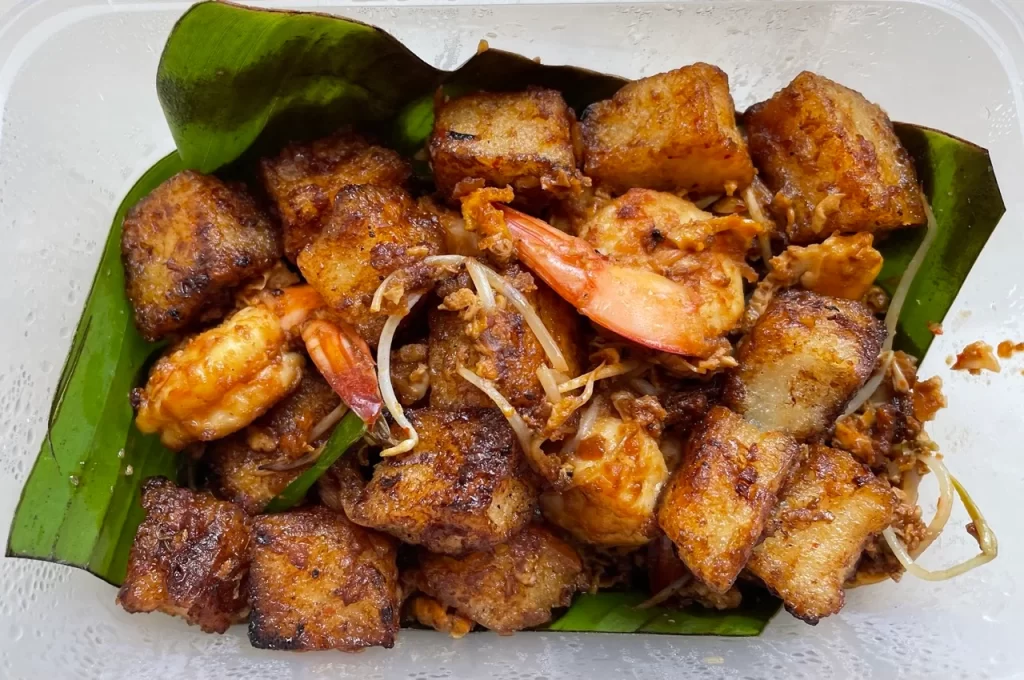
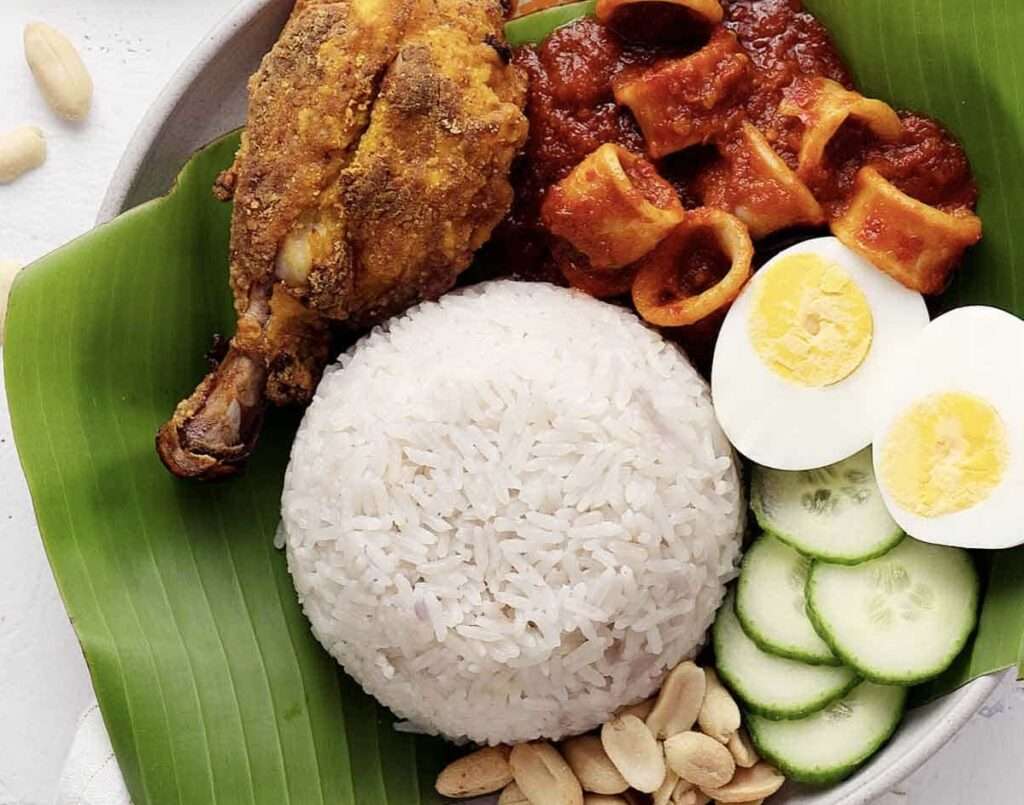
Nowhere is the diversity of breakfast more evident than in Malaysia and Singapore. These neighboring countries, once united under British rule, are renowned for their vibrant food scenes. The breakfast menu here is a testament to centuries of migration and cultural exchange, featuring dishes from Malay, Chinese, and Indian traditions. Nasi lemak (coconut rice with anchovies, peanuts, and egg), fried rice cakes with shrimp and beansprouts, Chinese rice porridge, and South Indian rava thosai (a semolina and rice flour crepe) are just a few of the options available. Food bloggers and culinary tourists flock to these countries to sample their endless variety of breakfast delights.
Travel and Breakfast: An Overlooked Experience
For many travelers, breakfast is an afterthought, overshadowed by the quest for signature lunch and dinner dishes. Yet, breakfast offers a unique window into a country’s culture and daily rhythms. In Southeast Asia, hotels and resorts often feature extensive breakfast buffets that showcase both local specialties and international favorites. Sampling these morning feasts is an excellent way to experience the diversity of regional cuisines in a single sitting.


The Future of Breakfast: Toward Health and Sustainability
As societies become more health-conscious and environmentally aware, the evolution of breakfast is likely to continue. Plant-based options will proliferate, and traditional dishes will be adapted to suit modern tastes and dietary needs. Ten years ago, few could have imagined that poached eggs on a bed of spinach, mushrooms, and tomatoes, topped with hollandaise sauce—and entirely meat-free—would become a breakfast favorite. Yet, this is the direction in which breakfast is heading: substantial, tasty, and increasingly health-focused.
Conclusion
Breakfast, once a simple meal designed to fuel the day’s work, has become a dynamic and diverse culinary experience. In the developed world, health trends and convenience drive innovation. While in the developing world, tradition and local ingredients remain central.
Across continents, bread, porridge, and eggs form the backbone of breakfast. But each region brings its own flavors and customs to the table. Whether you’re savoring a Full English in London, a bowl of congee in Beijing, or a plate of nasi lemak in Kuala Lumpur, breakfast offers a delicious glimpse into the soul of a culture.
As we look to the future, breakfast will continue to evolve—reflecting the changing tastes, values, and aspirations of people around the world.