
A New Generation, A New Beat
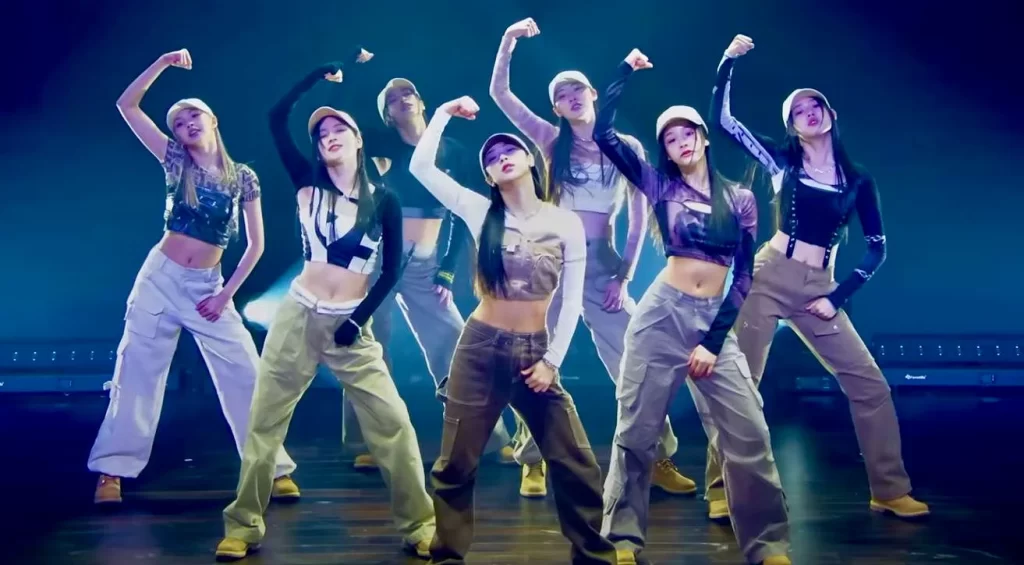
Babymonster and Gen Z. Something remarkable is brewing in the world of pop culture, and it’s coming from a place you might not expect. A yet-to-debut K-pop group called Babymonster. But this story isn’t just about a band.
Who Are Babymonster?
It’s about Gen Z—the generation born into a world where the internet already exist—and how they’re reshaping global culture at a pace and scale never seen before.
Each member of Babymonster was born between 2002 and 2009, making them true Gen Z representatives.
Even before their official debut, Babymonster has ignited a tidal wave of excitement, thanks in part to a reality show in South Korea and YouTube chronicling their final evaluations and preparations for stardom.
The Global Ripple Before the Splash
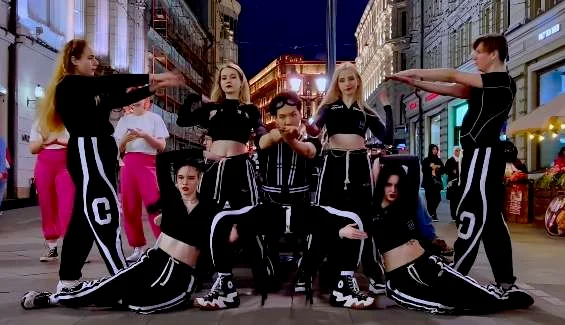
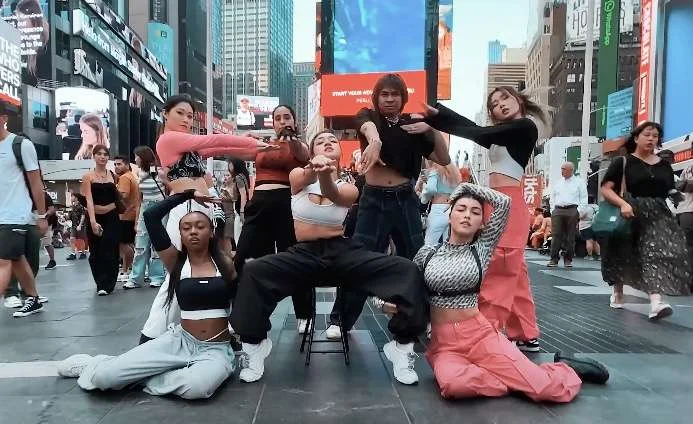
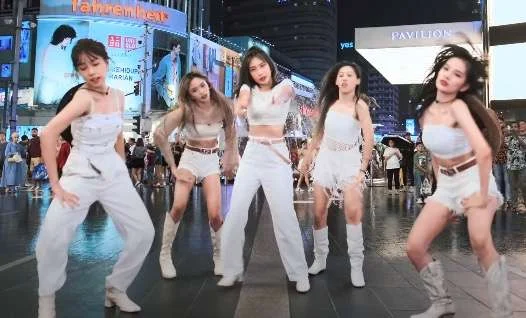
What’s extraordinary about Babymonster isn’t just their music or their choreography—it’s their reach. Dance covers of their routines, especially their viral take on “Jenny from the Block,” have sprouted in countries as diverse as Vietnam, Spain, Russia, Australia, and even Moldova.
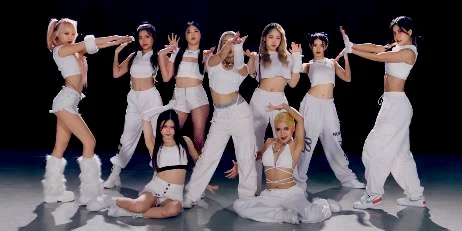
Babymonster is a seven-member girl group from South Korea, created by YG Entertainment, the powerhouse behind global sensations like Blackpink.
Imagine teenagers in Moldova—far from Seoul—mastering intricate K-pop choreography and performing it in public squares. The same is happening in London, Barcelona, Melbourne, and beyond. This phenomenon is more than a fan craze; it’s a testament to the interconnectedness of Gen Z worldwide.
Gen Z: Digital Natives, Global Citizens
To understand Babymonster’s meteoric rise, you need to understand Gen Z. Born between 1997 and 2010, Gen Z is the first generation to grow up entirely in a digitally connected world. They didn’t just adapt to smartphones, social media, and streaming—they were born into it.
Gen Z’s first phones were smart, their first social networks were global, and their first idols were as likely to be from Seoul as from Los Angeles.
A McKinsey report describes Gen Z as “digital natives,” a term that barely captures their fluency in the language of the internet.
For Gen Z, the world is borderless. Their friendships, interests, and creative expressions transcend geography. Platforms like Instagram and TikTok are their stages, and they use them to connect, create, and collaborate in ways previous generations could only imagine.
From Blackpink to Babymonster: The K-pop Blueprint
K-pop, with its blend of catchy music, dazzling visuals, and tightly choreographed performances, is tailor-made for Gen Z’s online world. Blackpink, another YG Entertainment group, paved the way.
With members like Australia’s Rosé, who proudly retains her Melbourne accent, Blackpink showed that K-pop could be both global and local, blending cultures and languages seamlessly.
Babymonster is poised to follow—and perhaps surpass—that path. Their pre-debut popularity is proof that Gen Z doesn’t wait for official launches or traditional marketing. They discover, share, and amplify what excites them, often making something go viral before it even hits the mainstream.
The Dance Cover Phenomenon: A Mirror of Gen Z Culture
The explosion of Babymonster dance covers is a fascinating window into Gen Z’s world. These aren’t just fans imitating idols; they’re creators in their own right, adding personal flair and local flavor to each performance.
The speed and scale at which Babymonster and Gen Z have gelled together is quite remarkable. You see their covers appear—sometimes within days of a new routine—highlight how quickly trends travel among Gen Z.
What starts in a Seoul dance studio can become a viral hit in a London park or a Moscow mall almost overnight.
This phenomenon also reveals the fading of traditional cultural boundaries. For Gen Z, inspiration knows no borders. A teenager in Singapore can be just as passionate about K-pop as one in Los Angeles or Tokyo. The shared language isn’t just Korean or English—it’s the universal language of music, movement, and digital expression.
Why Gen Z Is Different
Every generation has its defining traits, shaped by the world they inherit. But Gen Z’s differences are more profound.
Unlike previous generations, whose transitions were gradual and overlapping, Gen Z marks a true paradigm shift. They’re not just more tech-savvy; they’re fundamentally more global, more collaborative, and more expressive.
Their primary mode of communication isn’t text—it’s visual. TikTok and Instagram are their preferred mediurtm, where a dance, a meme, or a short video can say more than a thousand words.
The rise of TikTok, in particular, caught older generations by surprise. For Gen Z, it was an instant fit. They didn’t need to be convinced; they simply embraced it as a natural extension of themselves.
The Power of Platforms
Gen Z’s digital fluency is matched by their mastery of platforms. Facebook and YouTube were already established by the time they came of age, but it was the arrival of the iPhone in 2007 that truly set the stage.
With powerful cameras and endless apps, smartphones became Gen Z’s gateway to the world. PCs and laptops are secondary; everything happens on mobile.
Instagram and TikTok are where Gen Z shines. These platforms aren’t just for sharing; they’re for creating, remixing, and collaborating. Text takes a back seat to visuals—photos, videos, and, increasingly, live streams. For Gen Z, the world is a stage, and everyone has a front-row seat.
Transnationalism: The New Normal
Babymonster’s global appeal is a perfect example of what sociologists call “transnationalism”—the blurring of borders in culture, identity, and community. Gen Z doesn’t see themselves as confined by nationality. They’re just as likely to connect with someone on the other side of the world as with a neighbor down the street.
This openness to new influences and experiences is what makes phenomena like K-pop—and Babymonster in particular—so powerful.
What Does This Mean for the Future?
Babymonster hasn’t even officially debuted, yet they already have a global following. That’s the power of Gen Z. This generation is still young; most haven’t entered the corporate world or politics. But in the realm of online media, they’re already leaders, setting trends and shaping conversations. The speed at which Babymonster has crossed borders is a sign of things to come.
For older generations, this new world can be hard to see—unless you look for it. Traditional media channels won’t show you what’s happening on TikTok or in K-pop dance studios.
To understand Gen Z, you have to step into their world, explore their platforms, and see how they’re redefining what it means to be connected.
Lessons from Blackpink and the Fashion World
If you’re still skeptical about Gen Z’s influence, consider the fashion industry. Major brands have been quick to recognize the power of K-pop idols like Blackpink, leveraging their global appeal to reach younger audiences.
The same dynamic is at play with Babymonster. These artists aren’t just musicians—they’re cultural ambassadors, trendsetters, and symbols of a new, borderless generation.
The Takeaway: A Generation Without Borders
Babymonster’s rise is more than a music story—it’s a glimpse into the future of global culture. Gen Z is leading the way, using digital tools to connect, create, and collaborate across continents. Their world is fast, visual, and open to all influences.
As Babymonster prepares to make their official debut, they’re already proof that the next wave of pop culture will be shaped not by geography, but by the shared passions of a truly global generation.
For those willing to look beyond traditional channels and embrace the new digital frontier, the future is bright—and full of surprises. Babymonster and Gen Z are just getting started, and the waves they’re making are only going to get bigger.