
Australia’s Dark Kitchens: The Hidden Revolution in Food Delivery
In recent years, Australia’s food scene has experienced a quiet but dramatic transformation. The rise of “dark kitchens”—also known as ghost kitchens“—has redefined how we order, prepare, and receive our meals.
These hidden culinary hubs are tucked away in alleyways, warehouses, and industrial estates, far from the bustling dining rooms and busy shopfronts we’re used to. But why are these secretive kitchens proliferating, and what does it mean for Australia’s food industry and consumers?
Let’s explore the fascinating world of Australia’s dark kitchens, the players driving this trend, and the implications for the future of food delivery.
What Are Dark Kitchens?
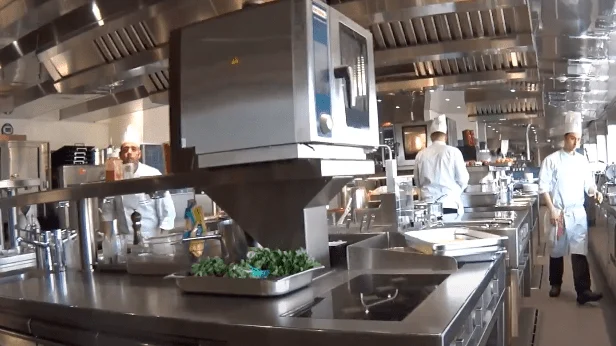
At their core, dark kitchens are purpose-built commercial kitchens designed exclusively for preparing food for delivery. Unlike traditional restaurants, they have no dining area, no customer-facing staff, and no visible shopfront.
Their locations are often intentionally obscure—hidden in semi-industrial zones or down quiet alleyways where rents are low and foot traffic is irrelevant. The only people you’ll find inside are kitchen staff and, increasingly, a steady stream of delivery couriers.
This secrecy isn’t accidental. In fact, most food delivery apps and online platforms omit any mention of the kitchen’s actual address.
Customer service teams are even trained not to reveal the locations to curious customers. The idea of your dinner being cooked in an alleyway might not be appealing to everyone, even if hygiene standards are strictly maintained.
Why the Sudden Boom?
The surge in dark kitchens can be traced to several converging factors:
- The Online Food Delivery Boom: Companies like Deliveroo, Uber Eats, and DoorDash have normalized ordering restaurant-quality meals to your doorstep. As demand for delivery soared, especially during COVID-19 lockdowns, the need for efficient, delivery-only operations became clear.
- Cost Pressures: Running a restaurant is expensive. Dark kitchens offer a way to reduce overheads—no need for prime real estate, waitstaff, or décor. For entrepreneurs and established brands alike, the lower costs and flexible leases are irresistible.
- Pandemic Acceleration: COVID-19 restrictions forced many restaurants to pivot to delivery or close entirely. For some, converting to a dark kitchen model was the only viable option.
Who’s Cooking in the Shadows?
Australia’s dark kitchen landscape is diverse, with several key segments:
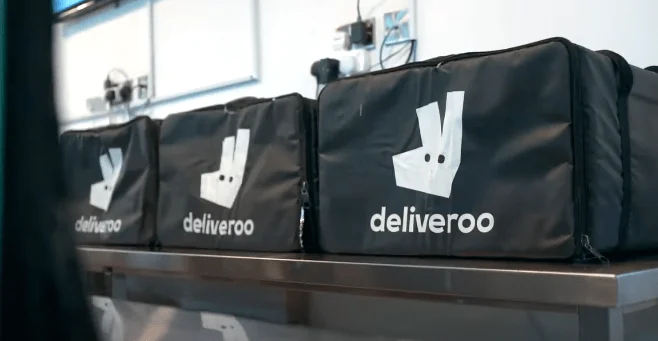
- Online Food Delivery Giants: Companies like Deliveroo pioneered the model, building dedicated kitchens for their restaurant partners.
- Entrepreneurs and Startups: Newcomers to the food industry, often with no previous restaurant experience, are jumping in, attracted by the lower barriers to entry.
- Established Restaurant Chains: Some brands consolidate delivery operations in a single central kitchen, freeing up space in their main venues and streamlining logistics.
- Former Restaurant Operators: Many ex-restaurateurs have shuttered their dining rooms and now operate purely as delivery kitchens.
Segments three and four are harder to track, as they often operate under existing business registrations and don’t always require new regulatory filings. Local authorities have yet to create a specific classification for dark kitchens, further shrouding them in mystery.
Melbourne: The Epicentre of Dark Kitchens
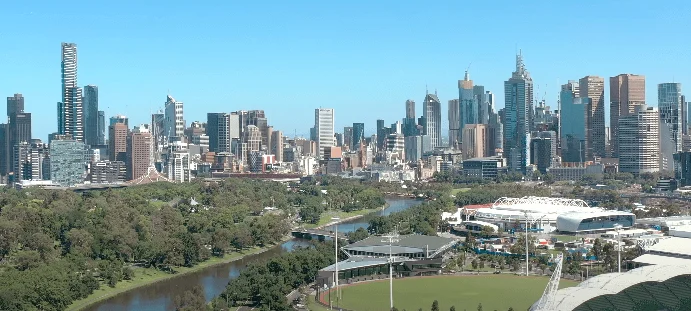
While Sydney boasts a larger foreign-born population, Melbourne stands out as the spiritual home of Australia’s dark kitchen movement. Its rich tapestry of Italian, Greek, and Asian communities has fostered a vibrant, diverse food culture—making it a natural testing ground for delivery-only dining.
Nearly every major article on dark kitchens points to Melbourne as the place to be. The city’s scale, ethnic diversity, and adventurous palate have made it a magnet for food entrepreneurs and delivery giants alike.
Case Studies: Deliveroo and Chef Collective
Deliveroo built Australia’s first dark kitchen in 2017, tucked away in an alley behind Chapel Street in Windsor, Melbourne. Despite its nondescript location, the kitchen is a model of professionalism and efficiency.
Deliveroo now operates several such kitchens in Melbourne, offering restaurants a rent-free tenancy in exchange for higher commission fees on orders. This model allows new entrants to test the delivery market without heavy upfront investment, while established brands can expand their reach without opening new storefronts.
Chef Collective is another major player, albeit with a different approach. Backed by American capital, Chef Collective leases kitchen spaces to food businesses on 12-month contracts.

They don’t run restaurants or delivery services themselves, but instead partner with platforms like Deliveroo and Uber Eats to handle logistics.
Their first hub opened in Brisbane in early 2021, quickly followed by locations in Melbourne and plans for Sydney. This model appeals to a wide range of food operators, from startups to established brands looking to scale up delivery operations.
The Hidden Network: Independent Operators
Beyond the big names, Australia is home to countless independent and undeclared dark kitchens. These small-scale operators often fly under the radar, sometimes lacking the proper permits or inspections.
Many are former restaurants that have shifted entirely to delivery, leasing space in off-site kitchens or repurposing their old venues. Their success depends heavily on partnerships with delivery platforms, which help shape menus, set discounts, and handle logistics.
For newcomers, dark kitchens offer a low-risk entry point into the food industry. Instead of investing in a full-scale restaurant, they can test the waters with a delivery-only operation. For established businesses, dark kitchens provide a way to handle overflow orders or serve new areas without overextending their main kitchens.
Creative Models and Surprising Twists
The dark kitchen model has spawned some intriguing variations:
- Multiple Brands, One Kitchen: Some kitchens operate several virtual restaurants under different names, all cooked by the same staff. On delivery apps, these appear as separate entities with distinct menus—even though they’re coming from the same address. This allows operators to target different cuisines or demographics without customers ever knowing.
- Shared Spaces: Small and medium operators sometimes lease space in larger dark kitchen facilities, each running their own virtual brand but sharing equipment and infrastructure. Revenue for the facility owner comes from leasing and equipment rentals, not food sales.
Interestingly, while some delivery companies are open about their involvement in dark kitchens, others remain tight-lipped, perhaps wary of public scrutiny or regulatory attention.
The Courier Connection
A crucial part of the dark kitchen ecosystem is the delivery courier. Professional setups now include dedicated facilities for couriers—parking spaces, waiting rooms with WiFi and charging stations, order display screens, and even staff pantries.
These amenities help streamline pickups, reduce wait times, and create a more pleasant working environment for couriers, who are the backbone of the delivery model.
Challenges on the Horizon
As dark kitchens proliferate, they face a growing set of challenges:
- Community Pushback: Councils are fielding complaints from residents about increased traffic and 24-hour operations, especially when kitchens operate in mixed-use zones near homes.
- Regulatory Scrutiny: The Australian Competition and Consumer Commission (ACCC) is watching for anti-competitive practices, price fixing, and monopolistic behavior that could harm consumers or kitchen tenants.
- Operational Hurdles: As the model matures, operators must balance the needs of tenants, couriers, and delivery platforms, while maintaining food quality and safety standards.
The Road Ahead
Australia’s dark kitchens are still evolving. While they offer exciting opportunities for entrepreneurs, established brands, and consumers alike, the model is not without its growing pains. Regulatory frameworks, community acceptance, and business dynamics will all shape the future of this hidden revolution.
One thing is certain: the story of Australia’s dark kitchens is just beginning. As the industry experiments, adapts, and grows, it will continue to reshape the way we think about food, convenience, and the spaces where our meals are made.
Post Edit: Deliveroo, the very first entrant into Australia, ceased operations suddenly in November 2022, citing market saturation and the desire to consolidate in Europe.