
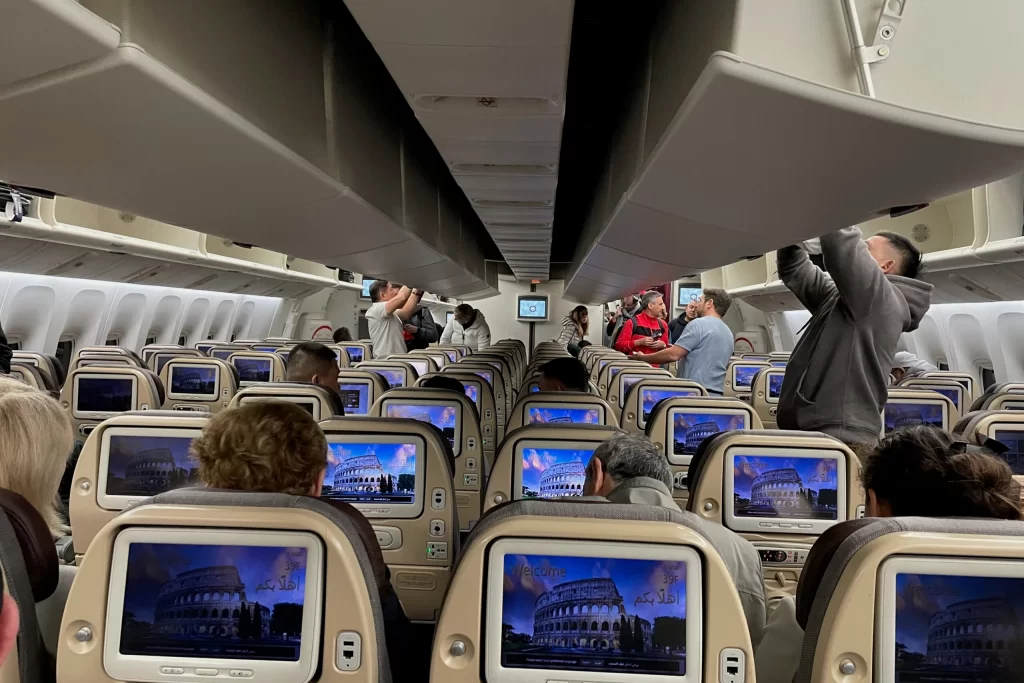
Airline Etiquette: Navigating the Skies with Courtesy and Calm
Airline etiquette is a growing issue. It seems to get worse, not better. At the rate it is moving, it no longer can be considered a minor aviation travel issue but a serious public issue. It can involve multiple jurisdictions, law enforcement, courts and a waste of public resources because of one or two individuals lacking consideration. Not to mention to mention disrupting the journey and vacation of others.
Air travel, once a symbol of glamour and global connection, has become a routine part of life for millions. Yet, as the number of flights and passengers soar, so do the incidents of poor behavior and etiquette breaches on board.
Despite decades of experience and established norms, maintaining civility in the skies appears to be an escalating challenge worldwide.
This post looks at the evolving landscape of airline etiquette in recent years and the reasons behind rising tensions. And what practical steps passengers and crew alike can take to ensure a smoother, more pleasant journey for all.
The Growing Challenge of Airline Etiquette
The last fifty years have seen aviation become deeply woven into the fabric of modern life. However, what we are seeing now are disruptive incidents on flights, ranging from minor disagreements to full-blown altercations.
This trend is not confined to first-time travelers or those under the influence. It often stems from a lack of enforcement by airlines and regulatory bodies. As well as inconsistent handling by flight and cabin crews.
Notably, many of the most widely reported incidents occur on flights in the United States and the United Kingdom. Particularly on domestic and regional routes or flights to popular holiday destinations. The sheer volume of domestic and regional air travel in these countries partly explains the higher number of incidents. But cultural factors and expectations also play a role.
When Crew Intervention Falls Short
A puzzling aspect of many in-flight incidents is the apparent inability, or unwillingness of some airline staff to deescalate situations effectively. In decades of international travel, most issues were minor and swiftly resolved by professional crews. Rarely did fellow passengers need to intervene.
Yet, recent high-profile cases suggest that even experienced airlines sometimes fail to support victims or enforce basic etiquette, leaving passengers feeling vulnerable and unsupported.
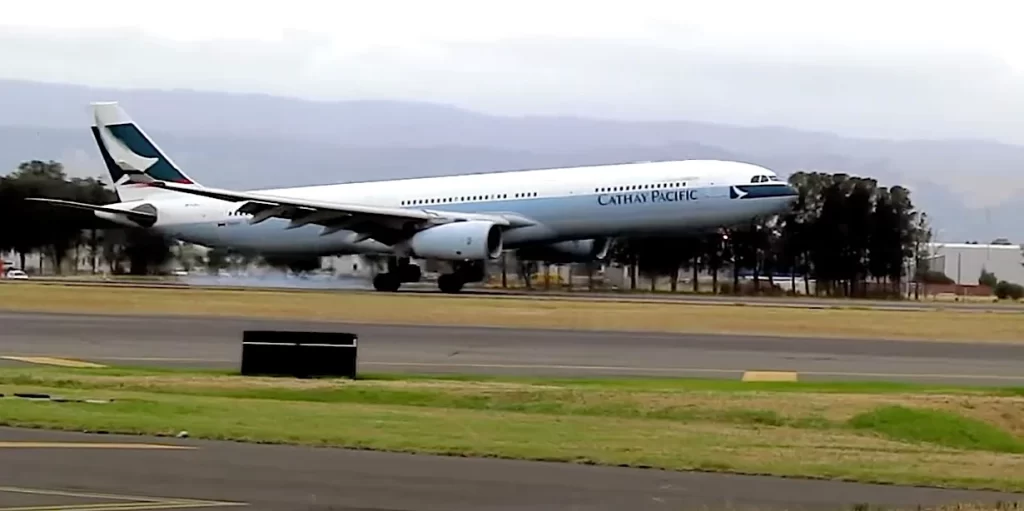
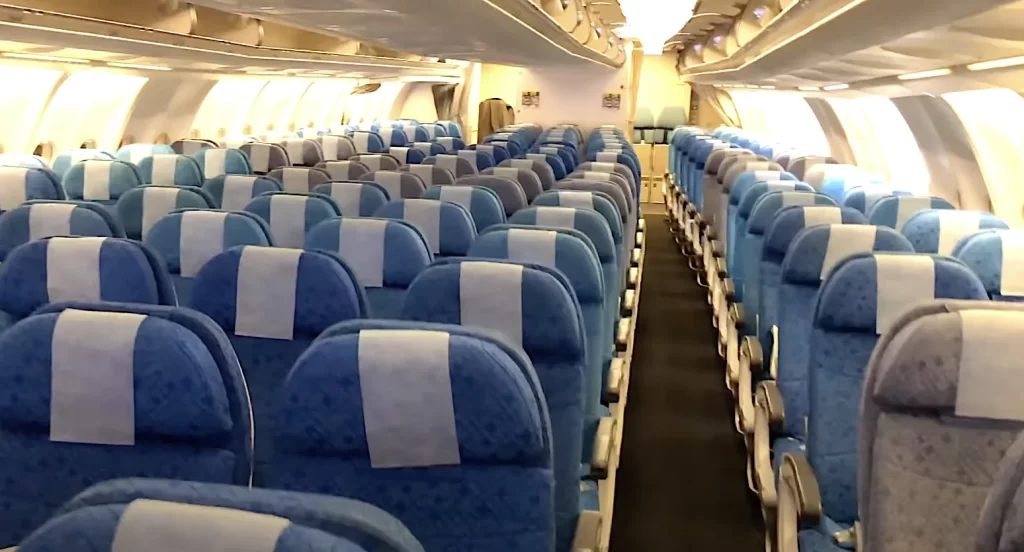
One particularly troubling incident on a Cathay Pacific flight from Hong Kong to London on 17th September 2024. It involved a young woman who was verbally abused and harassed throughout the flight by an older couple for reclining her seat.
Despite clear evidence of bullying, the cabin crew initially pressured the much younger victim to compromise rather than addressing the aggressors’ behavior. This despite passengers all around her were supporting her and telling the couple off. Only after the incident was captured on video and went viral did the airline act, eventually banning the older couple from future flights.
Why Etiquette Matters at 35,000 Feet
Airline etiquette is more than a matter of manners. It’s essential for safety, comfort, and the smooth functioning of a confined, high-stress environment.
Unlike most public spaces, an aircraft is a shared, enclosed space where personal boundaries are easily crossed. Patience can wear thin. Small acts of consideration—or inconsideration—are amplified, affecting not just individuals but everyone on board.
A Practical Etiquette Checklist for Travelers
Book seats as early as possible, especially when traveling with family or friends. Popular seats carry a premium and are often reserved months in advance.
It’s now considered poor form to ask another passenger to swap seats. Particularly if they have paid extra or book seats early. I have seen cabin crew approaching passengers who they gauge as less assertive. There is no obligation to move unless it’s a medical emergency or you’re comfortable with the request.
If asked to give up your seat, politely but firmly decline if you wish to keep it. The responsibility to explain falls on the crew, not you.
Board when your row is called. This helps reduce congestion and ensures overhead bins remain available above your seat. Avoid swinging large bags down the aisle; they can easily bump into seated passengers. Never move another passenger’s luggage without permission or crew’s assistance. Misplaced bags cause stress and confusion at journey’s end.
If you struggle with overhead bins, ask for help. Fellow passengers and crew are often willing to assist. At the end of the flight, allow those seated in front to collect their belongings and exit first. Patience here speeds up the process for everyone.
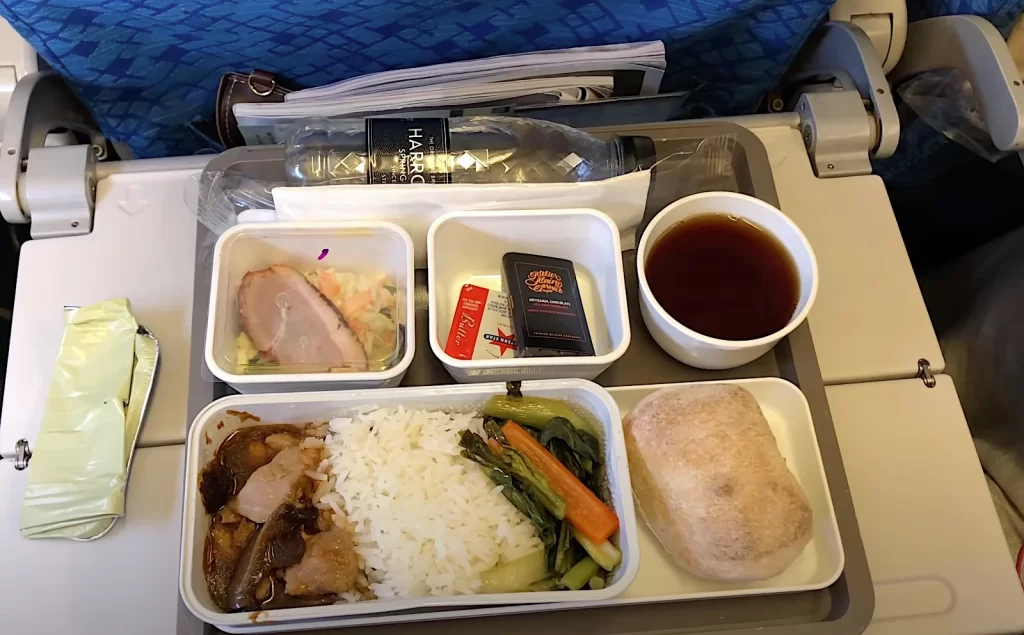
Special meals are typically served first to streamline service, not to discriminate. If your preferred meal runs out, accept alternatives graciously—crew often try to accommodate requests where possible. Avoid leaving your seat for the restroom until meal trays are cleared, as this prevents spills and inconvenience to others.
Reclining Seats
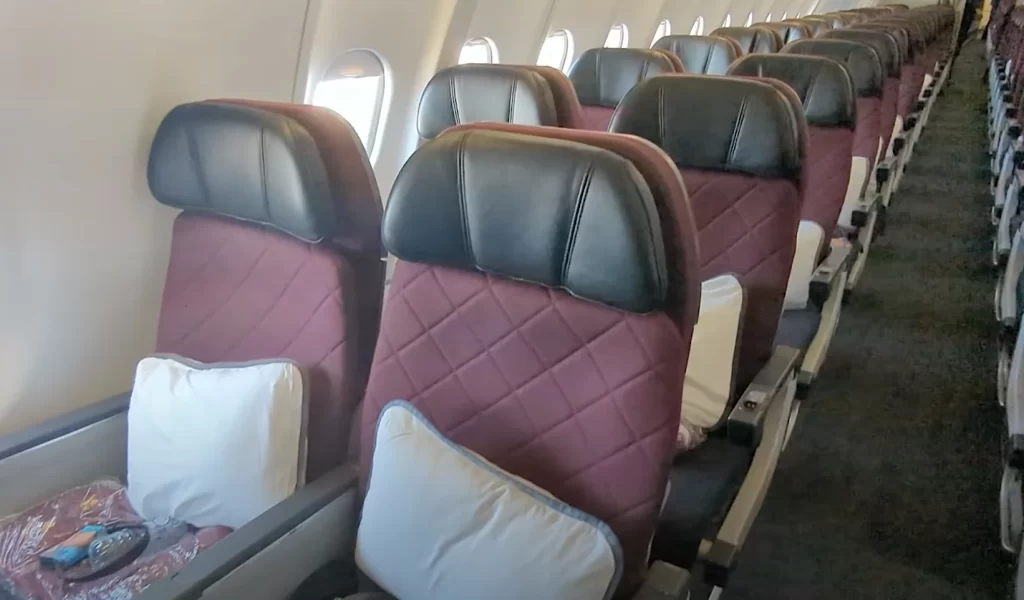
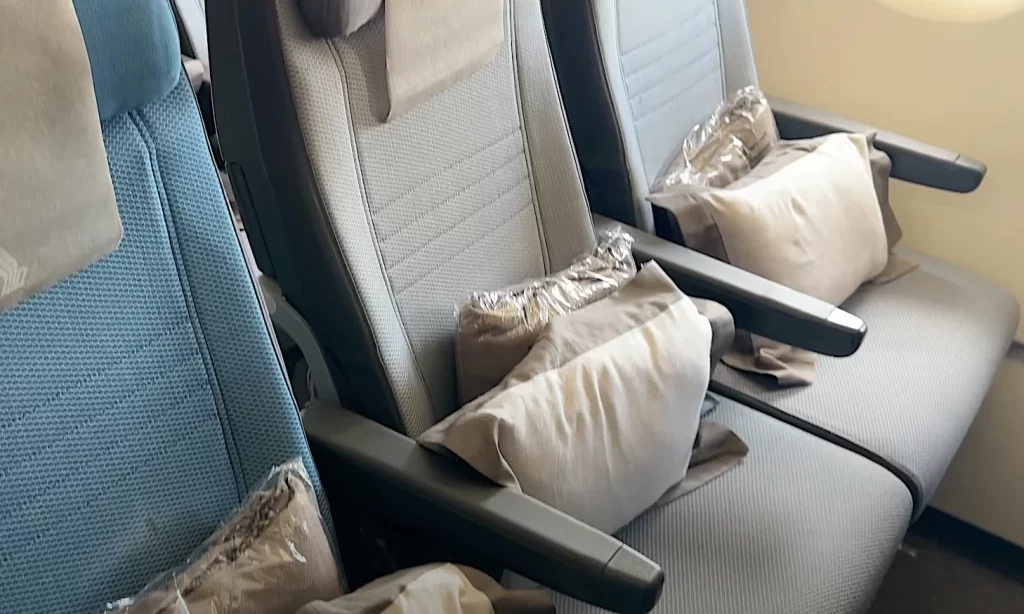
Reclining is a standard feature, especially on long-haul flights. Timing and awareness matter. Always return your seat to the upright position during meal service and at takeoff/landing.
Recline slowly as an abrupt movement can spill drinks. If asked to adjust your seat, respond politely. Many passengers forget their seat is reclined and are happy to comply when reminded.
Cultural norms vary. In Australia, seats are rarely reclined on short domestic flights. While in parts of Europe, full recline is common immediately after takeoff, even during meals. Adapt your expectations accordingly and avoid confrontation over minor differences.
Armrests and Shared Space
The middle seat is universally acknowledged as the least comfortable. Common courtesy grants the middle passenger access to both armrests, while aisle and window passengers use the outer ones. Many passengers alternate armrest use without discussion. Flexibility and awareness go a long way.
If you’re in the aisle seat, let your row-mates know you’re happy to move for restroom breaks, especially for elderly or nervous travelers. Share space intuitively.
Not every passenger is a seasoned traveler. If you see someone struggling—whether with luggage, seat adjustments, or instructions—offer assistance.
The Role of Cabin Crew and Airlines
While passengers bear responsibility for their own behavior, airlines and their staff play a critical role in setting the tone. Proper training in conflict resolution, clear communication of policies, and consistent enforcement of rules are essential.
When crew act decisively and fairly, most situations can be defused before they escalate.
Airlines and the aviation regulators and lobby groups need to do more. Taking accountability is paramount. Consequence management should be incorporated in regulations, protocol and in practice.
They should provide clearer guidance on etiquette issues that frequently cause friction. Such as seat swapping, armrest sharing, and the use of reclining seats. Proactive communication—via announcements, signage, or pre-flight briefings—can help align expectations and reduce misunderstandings.
Why Incidents Are Increasing
Several factors contribute to the rise in in-flight incidents:
Increased passenger volume. More people are flying than ever before, leading to crowded flights and heightened stress. Diverse expectations: Passengers from different cultures may have conflicting views on personal space, queuing, and acceptable behavior.
Reduced legroom and amenities. As airlines seek to maximize capacity, space is at a premium, making conflicts over seats and storage more likely. Social media amplification: Incidents that once went unnoticed are now recorded and shared widely, increasing awareness and sometimes inflaming tensions.
Building a Culture of Courtesy
Ultimately, the solution lies in fostering a culture of mutual respect and understanding. This requires effort from airlines, crew, and passengers alike. By following basic etiquette, communicating clearly, and showing empathy, we can all contribute to a more pleasant and harmonious travel experience.
As air travel continues to connect the world, let’s ensure that courtesy and consideration keep pace with our journeys. With a little effort from everyone, we can make the skies friendlier for all.