
An Icon in Transformation
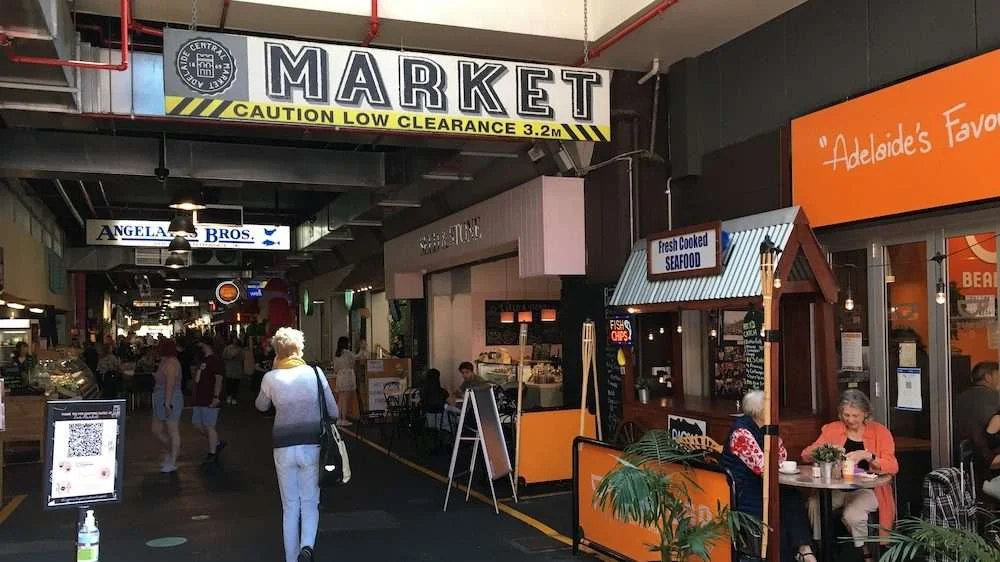
For those who haven’t set foot in the Adelaide Central Market in recent years, the changes are impossible to ignore. Especially around the edges. While the historic façade remains untouched, the soul of the market is evolving.
Renowned as Australia’s oldest central market, a bastion of fresh produce for 150 years, the Market is now morphing into something broader, more diverse, and undeniably vibrant.
A Legacy of Freshness
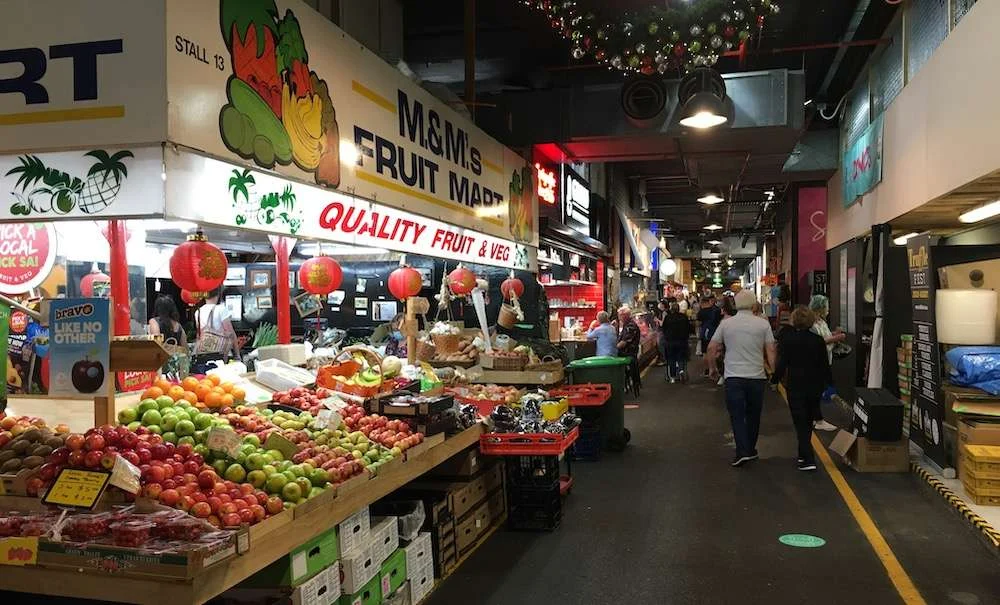
Traditionally, the Adelaide Central Market was synonymous with fresh produce. Generations of South Australians grew up wandering its aisles, baskets brimming with locally grown fruits and vegetables. But the Market was never just about raw ingredients.
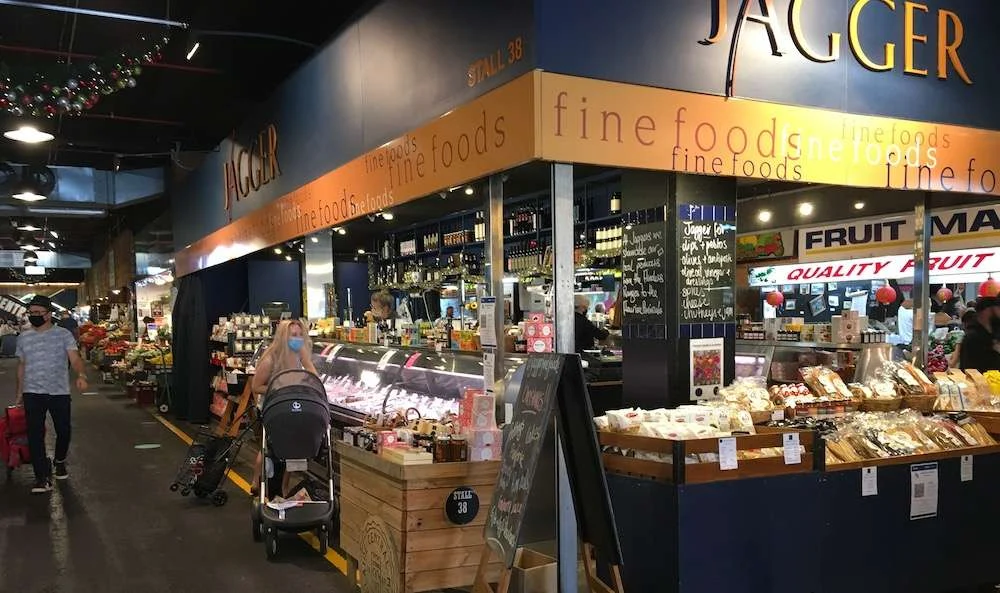
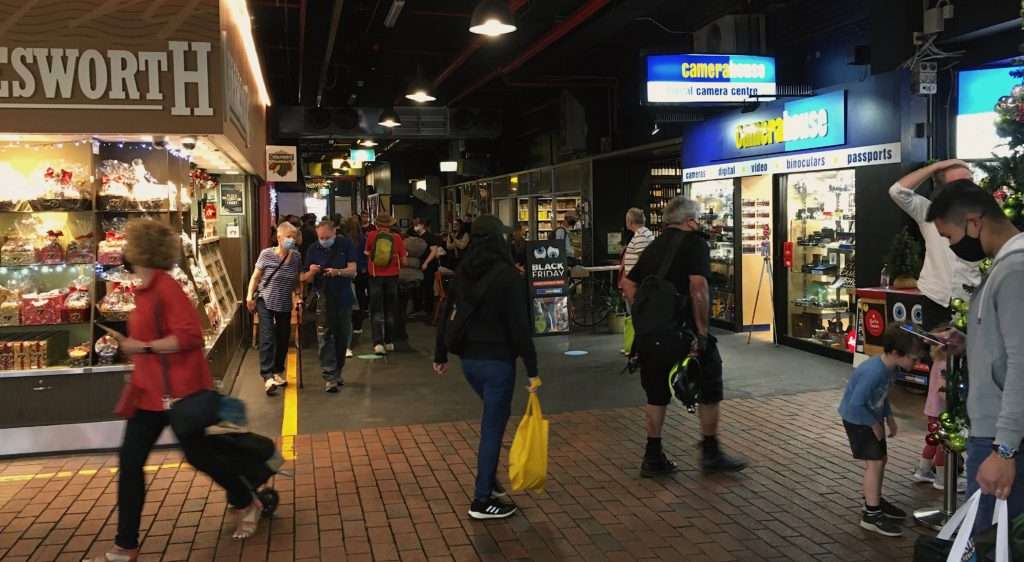
For decades, stalls offering “fine foods”—cheeses, sausages, sauces, spices—have been woven into its fabric. These specialty foods, along with a handful of beloved eateries like Lucia’s, Zuma, and the Asian Gourmet, have long provided a supporting cast to the main event. Even the quirky Camera House and the secondhand book stall added to the Market’s unique character.
Lucia’s, in particular, evokes nostalgia for many. The aroma of their signature dishes is enough to make any visitor’s mouth water—a culinary secret best discovered in person.
The Supermarket Challenge
The Market’s transformation cannot be viewed in isolation. Across Australia, and indeed much of the developed world, supermarkets have expanded relentlessly. Their buying power enables them to offer lower prices, while rising labor costs and fewer family-run stalls have made it harder for traditional market vendors to compete. It’s a trend that has led to the closure of countless high street butchers and greengrocers, not just in Adelaide but globally.
A Snapshot in Time: December 2021
To understand the scale of change, consider the Market’s composition as of December 2021. Of its 73 stalls:
- 14 sold fresh fruits and vegetables
- 7 specialized in meat and seafood
- 10 offered fine foods and kitchen smallgoods
- 10 focused on specialty items like mushrooms, olives, kangaroo meat, and organic products
These 41 stalls—along with the long-standing eateries and specialty shops—represented about 63% of what the Market had been known for over generations. But the remaining 27 stalls signaled a new direction, and it’s here that the Market’s evolution becomes most apparent.
The Art of Curating a Market
The changes at the Adelaide Central Market seem anything but accidental. In the world of retail, especially in centrally managed precincts, “curating” the right mix of tenants is both science and art. Shopping malls, for instance, always anchor themselves with a major supermarket, then meticulously select other retailers to complement the main draw. The right mix can create a multiplier effect, boosting foot traffic and sales for everyone.
Operators often go so far as to leave a stall vacant until the perfect tenant is found, prioritizing the overall experience over short-term rent. This approach appears to be at play in Adelaide, where the emerging theme is one of diversity, quality, and experience.
Lessons from Abroad: Rosebank Sunday Market
To put Adelaide’s transformation in context, consider the Rosebank Sunday Market in Johannesburg. Each Sunday, the top floor of Rosebank Mall transforms into a bustling bazaar with over 200 stalls. There, you’ll find everything from African art and antiques to vinyl records, spices, and street food. The market’s curators are discerning—potential traders must submit photos and descriptions of their wares before being considered.
The result is a vibrant, world-class market where every stall is busy, every customer engaged. The experience is as much about soaking up the atmosphere, sipping sangria, or enjoying a Thai massage as it is about shopping. It’s a place where people linger, socialize, and return week after week.
Adelaide’s New Wave: Eateries and International Flavours
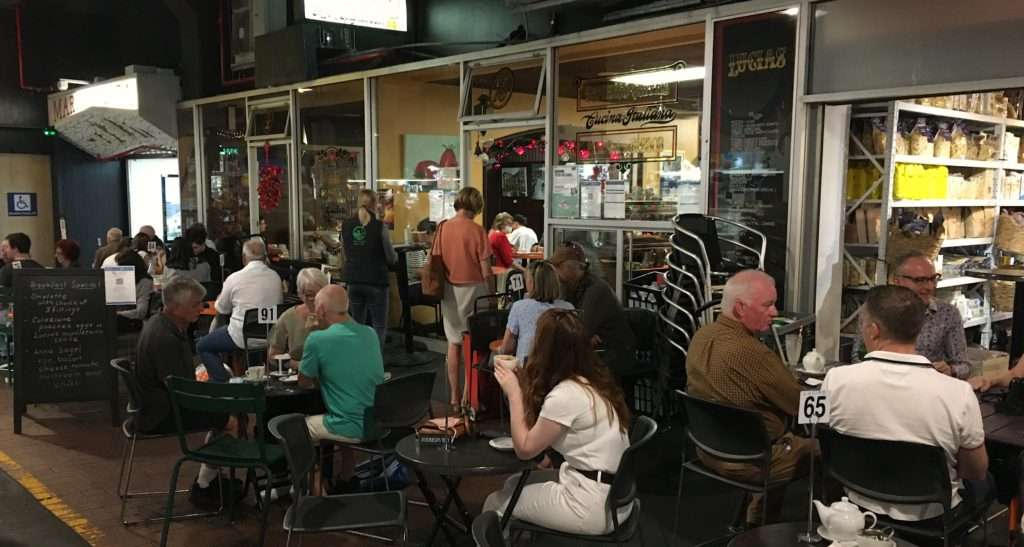
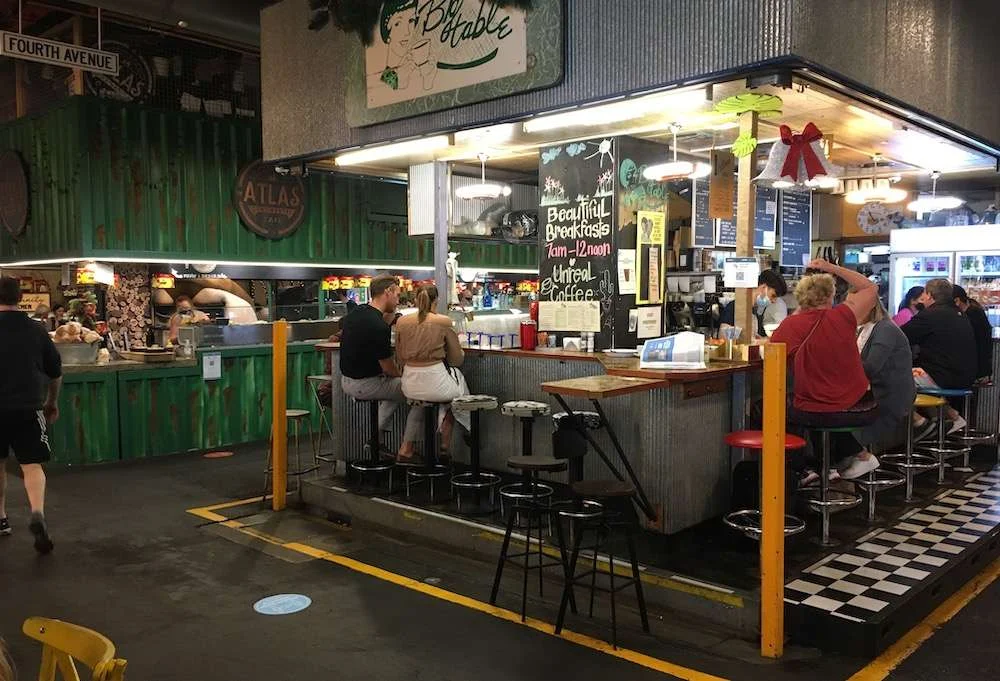
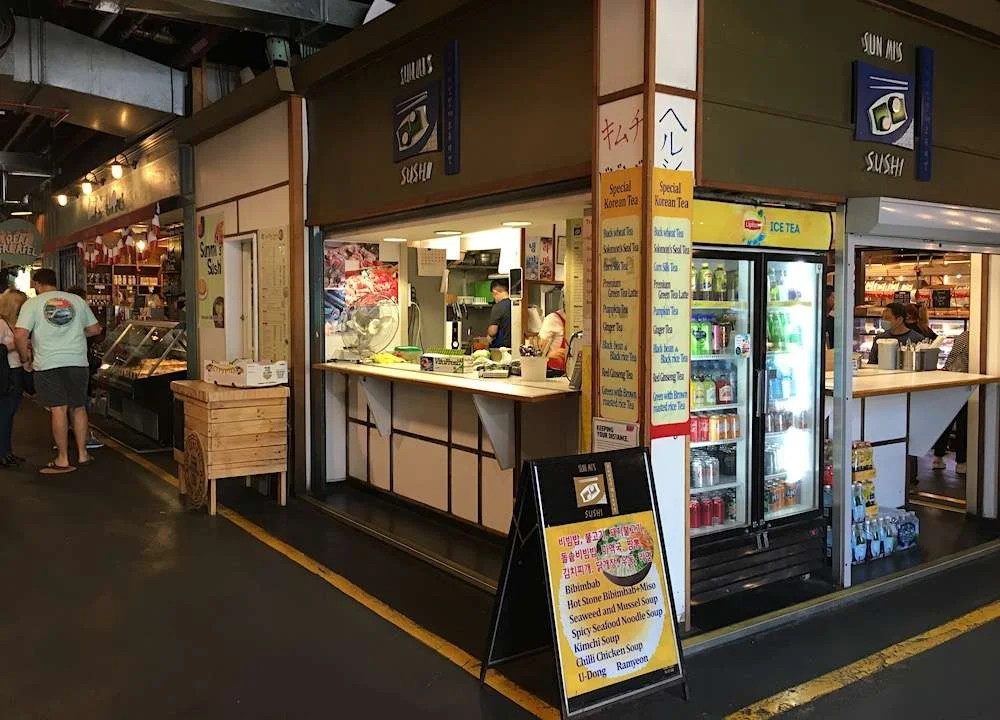
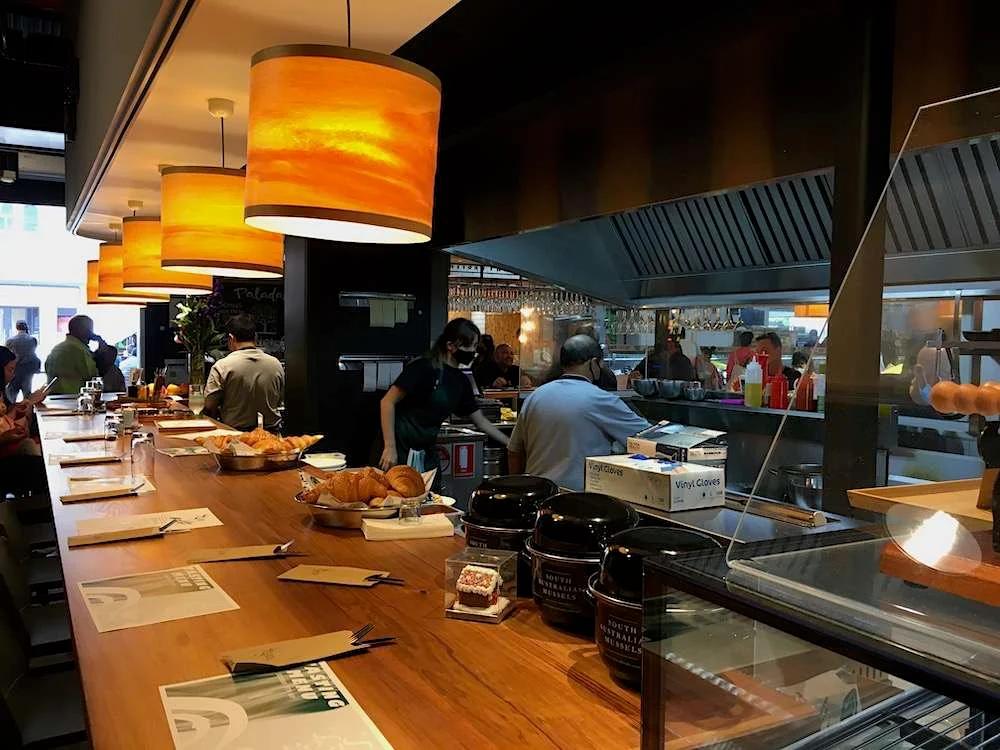
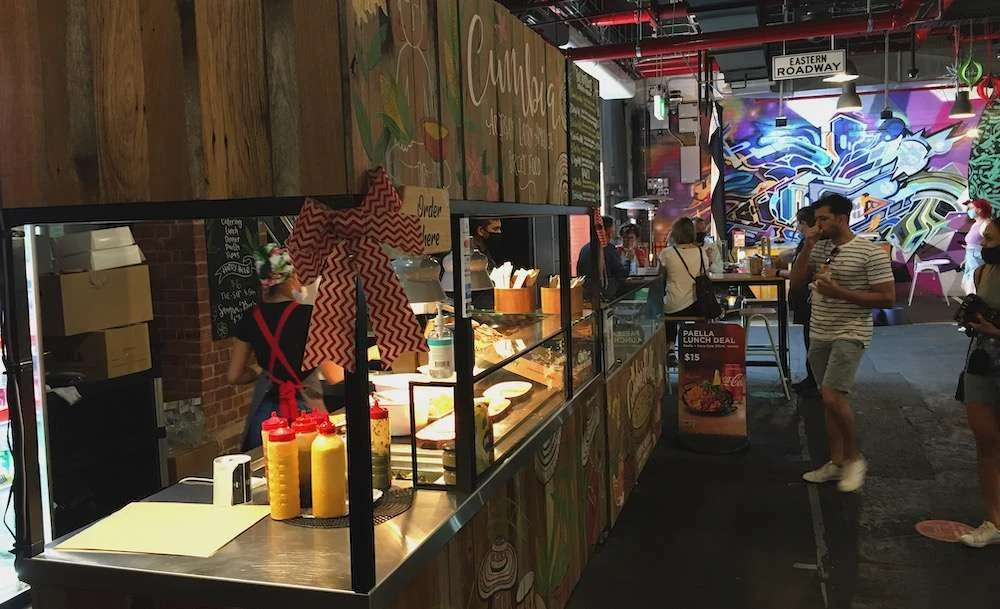
Back in Adelaide, the most visible change is the rise of eateries. Many of the 27 new stalls have taken over spaces once reserved for fresh produce, especially in the inner aisles near entrances and exits. The older eateries, once confined to the outer ring, have been joined by a new generation of chic, hip, and diverse food vendors.
This new wave is driven by young entrepreneurs and reflects Adelaide’s multicultural makeup. The Market now boasts an array of international cuisines: Latin American, Spanish paella, Japanese sushi, vegan specialties, Cambodian, Italian, Greek, and more. The atmosphere is reminiscent of London’s Camden Market, where global flavors and youthful energy draw crowds from all walks of life.
The food is not just delicious—it’s Instagram-worthy. The Market has become a destination not just for grocery shopping, but for socializing, dining, and discovering new tastes. If you haven’t visited lately, a Friday or Saturday morning is ideal. Bring your camera; you’ll want to capture the Market’s transformation.
Looking Ahead: The Market in 2031
What does the future hold? By 2031, expect the iconic façade to remain, but the tenant mix will be markedly different. The Market is likely to open seven days a week, with extended hours to cater to dinner crowds. The days of closing at 5:30 pm (or 3 pm on Saturdays) may soon be history, replaced by a vibrant, evening atmosphere.
The enduring appeal of the Market will lie in its ability to blend old and new. Grocery shopping will remain a draw, but the real excitement will be in the food stalls, the diversity of cuisines, and the sense of community. The Market will continue to be a place where Adelaide’s migrant heritage is celebrated, with new arrivals introducing their culinary traditions to a receptive audience.
A Living, Breathing Adelaide Icon
The Adelaide Central Market’s evolution is a testament to its resilience. While supermarkets and changing demographics have forced it to adapt, the Market has embraced the challenge by reinventing itself. It’s no longer just a place to buy fresh produce; it’s a hub of culture, cuisine, and community.
The story of the Market is still being written. Each visit offers something new—a dish to savor, a conversation to remember, a tradition to uphold. For longtime patrons and newcomers alike, the Market remains a beloved Adelaide institution, proof that even as times change, some places only grow richer with age.